The Most Unique Hotels in Uruguay (2026)
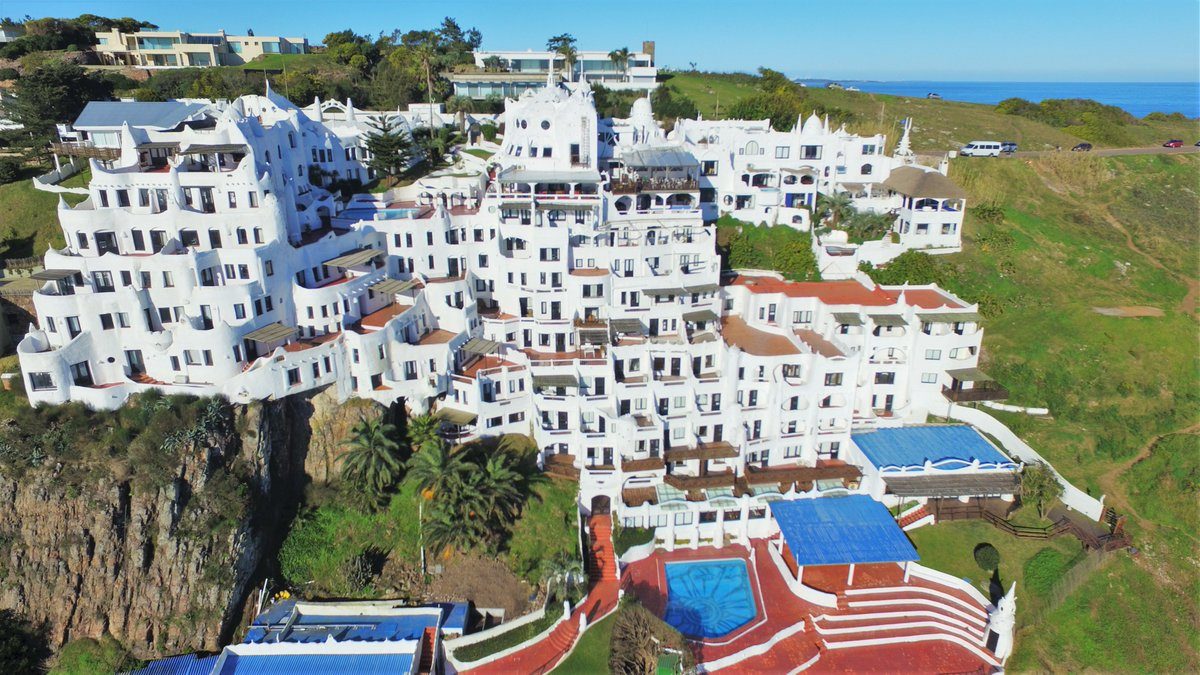
The first time I drove up to Casapueblo, I missed the turn twice. I kept looking at the wrong scale. I was expecting a hotel, and what I got was a white sculpture poured down a cliff like melted candle wax, with windows in it.
That reset what I thought a building here could be. Most travelers picture high-rises in Punta del Este or a tidy posada (a small family-run inn) in Colonia. Both exist. Neither is the interesting part.
The most unique hotels Uruguay offers are not the biggest or the priciest, but the ones with a point of view: an artist’s clifftop studio you sleep inside, all-white art ranches hung with original sculpture, vineyard lodges where five rooms share a 200-year-old chapel, and a guesthouse built entirely from salvaged metal and rescued antiques. This guide is about character, not star ratings.
I have stayed in, toured, or talked my way into most of what follows over several trips, and I have left out the merely-luxurious. A marble lobby and a big spa do not make a place unusual. A point of view does.
This covers the genuinely distinctive stays across every price band, from a roughly 100-dollar-a-night design oddity to a four-figure art suite. I have noted one honest drawback for each, because every characterful hotel asks you to trade something, and you should know what before you pay. For the wider lay of the land, the parent guide on where to stay in Uruguay sorts the regions; this article zooms in on the one-of-a-kind end of the spectrum.
Unique hotels in Uruguay at a glance
Prices below are rough high-season doubles and move a lot by season and exchange rate, so treat them as a shape, not a quote. Verify before you book.
| Property | Where | What makes it unusual | Rough nightly band (high season) |
|---|---|---|---|
| Casapueblo | Punta Ballena | A working artist’s sculpted clifftop studio you can sleep in | $$ (mid) |
| Estancia Vik | José Ignacio (inland) | All-white art ranch, 12 suites of original Uruguayan art | $$$$ (top) |
| Playa Vik | José Ignacio (beach) | Glass-and-titanium beach gallery, Atchugarry bronze door | $$$$ (top) |
| Sacromonte | Pueblo Edén, Maldonado | Mirror-clad cabins scattered through a vineyard valley | $$$$ (top) |
| Narbona Wine Lodge | Carmelo | Five rooms beside a 1909 dairy and chapel, adults only | $$$ (upper) |
| Bodega Bouza | Near Montevideo | Vineyard, vintage-car museum and rooms a short drive from the capital | $$$ (upper) |
| Casa Zinc | La Barra | Six rooms built from salvaged zinc and rescued antiques | $$ (mid) |
| Alma Histórica | Ciudad Vieja, Montevideo | Restored 1920s townhouse, each room a famous Uruguayan | $$ (mid) |
| Posada del Faro | José Ignacio | Beach rooms in the literal shadow of the lighthouse | $$$ (upper) |
Clifftop and design icons
Two buildings define the genre here. One is the reason most people start this search at all.
Casapueblo, Punta Ballena
Casapueblo is the lifelong project of Carlos Páez Vilaró, a Uruguayan artist who started with a small wooden cabin in the 1950s and never stopped building. Over decades he shaped the cliff at Punta Ballena into a hand-sculpted white maze of curves, terraces and arches, modeled loosely on the mud nest of the hornero, Uruguay’s national bird. He used almost no straight lines and, for years, almost no architect.
Today part of it is a hotel, part a museum and gallery of his work, and part a café where people gather at dusk for the ritual “ceremonia del sol”, a recorded poem Páez Vilaró wrote to the setting sun. Sleeping here means waking up inside a piece of art that is also a working tourist attraction. The rooms are simple and white; the location and the architecture are the whole point.
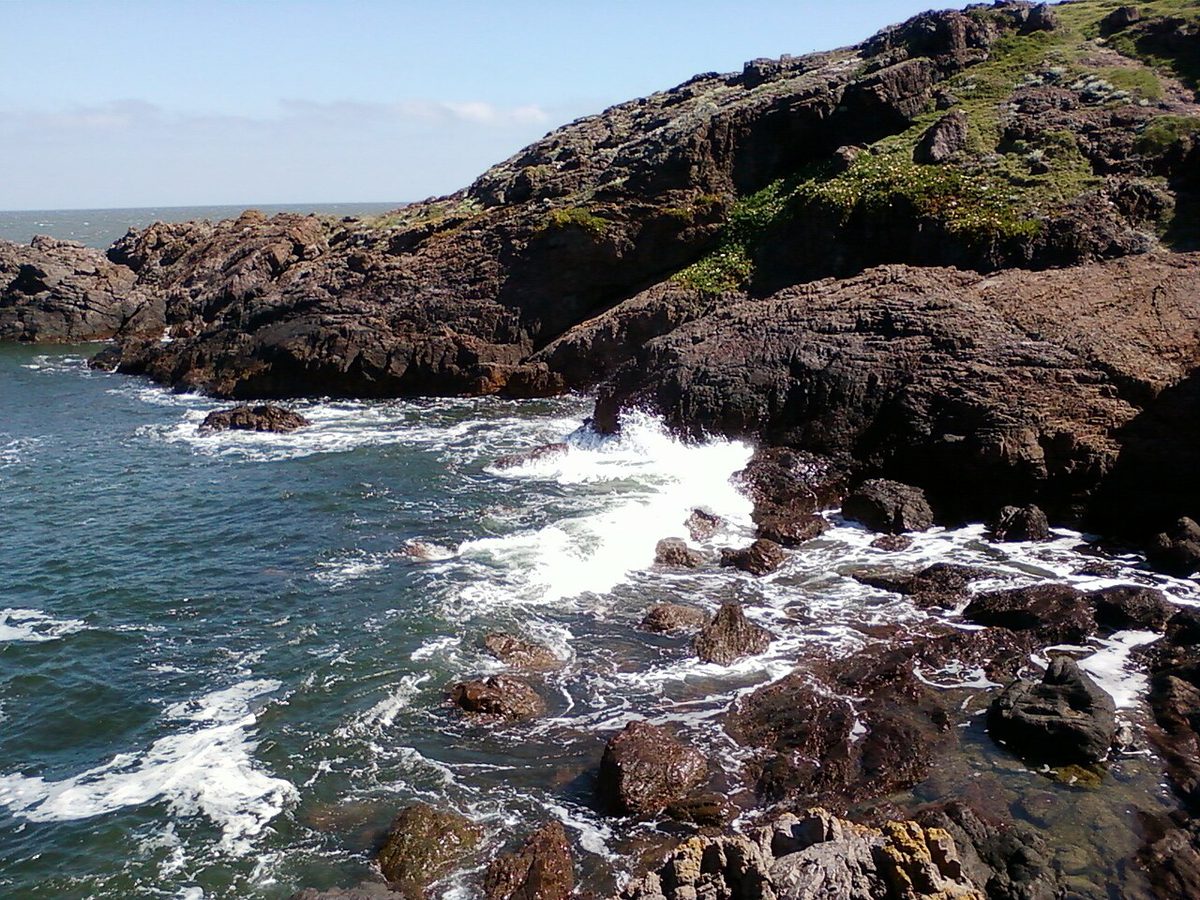
Punta Ballena sits about a 15-minute drive west of Punta del Este proper, on a headland over the River Plate. I’d budget a mid-range nightly rate in summer, less in shoulder season, but check carefully: the property runs seasonally and has typically been closed for a stretch in the cooler months, roughly April into July.
One honest drawback: this is a busy day-visit landmark, so from late afternoon the terraces fill with people who paid the entrance fee for sunset, and the magic-hour calm you imagined is shared with a crowd until they leave. Stay overnight precisely so you get the early mornings to yourself. If you want the full story before you go, the dedicated guide to Casapueblo covers visiting hours and the sunset ceremony, and it slots naturally into a Punta del Este trip.
Fasano Las Piedras and the Punta del Este design scene
If Casapueblo is hand-made romance, Fasano Las Piedras is the architect’s answer to the same coastline. The Brazilian Fasano group built a low-slung resort of stone bungalows across a wide property near La Barra, with interiors by Isay Weinfeld that treat raw rock, glass and timber as the decoration. It is polished where Casapueblo is rough, and it leans expensive.
I include it less as a single recommendation and more as a marker. Around Punta del Este and La Barra you find a whole stratum of design-led building, much of it private houses by name-brand architects, that makes the region a kind of open-air gallery. You can feel that even on a drive through La Barra.
One honest drawback: Fasano sits on a large estate, which is part of the appeal, but it also means you are committed to the property. Without a car you are a taxi ride from anywhere, and the on-site dining, while genuinely good, is the kind that adds up fast over a few nights.
Art hotels: the Vik trilogy
No single owner has shaped Uruguay’s high-design reputation more than Alexander Vik, a Norwegian-Uruguayan investor who, with Carrie Vik, built three properties around José Ignacio that function as much as galleries as hotels. Each is filled with commissioned work by Uruguayan and international artists, and each picks a different setting.
Estancia Vik, inland José Ignacio
Estancia Vik is the ranch one, an all-white, low building spread over a large property of rolling grassland a short drive inland from the village. There are twelve suites, each designed by a different artist, so one room might be a riot of painted detail and the next near-monastic. A central living room anchors the public space, and the whole thing aims to marry the gaucho (cowboy) country setting with serious contemporary art.
It reads as a private estate you happen to be allowed into rather than a hotel, and the staff lean into that. If a working-ranch fantasy with museum walls appeals, this is the clearest expression of it in the country. For the broader version of that idea, see the pillar on the Uruguayan estancia experience.
One honest drawback: being inland is the trade. You are roughly fifteen to twenty minutes by road from the beach and from José Ignacio’s restaurants, so this suits people who want the property to be the destination, not those who want to wander out to the sand on foot.
Playa Vik and Bahia Vik, on the coast
Playa Vik is the beach sibling and, for many design lovers, the showpiece. The main structure is a glass-and-titanium gallery, and guests stay in separate “casas” scattered toward the water; the entrance is marked by a monumental sculpted bronze door by the Uruguayan sculptor Pablo Atchugarry, framed as a modern nod to the Renaissance doors in Florence. Bahia Vik, a little further along, adds suites and beach bungalows with the same art-first approach.
These put you right on the José Ignacio waterfront, which is the practical advantage over the estancia. You can walk to dinner. For where that fits in the wider village, the José Ignacio guide is the companion read, and the surrounding sand earns its place among the best beaches in Uruguay.
One honest drawback: the Vik properties are firmly in top-tier territory on price, and they peak hard in January and February. Outside the short high summer some facilities and the wider village wind down, so you trade buzz for value, and you should decide which you actually want.
Wine-country lodges
Uruguay makes serious wine, especially Tannat, the dark, tannic grape that has become the country’s signature, and a small number of bodegas (wineries) let you sleep among the vines. This is, to me, one of the most underrated reasons to come.
Narbona Wine Lodge, Carmelo
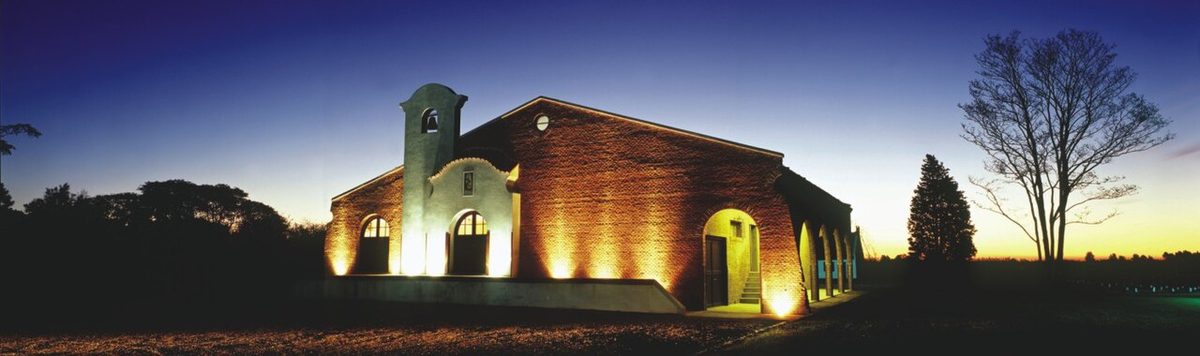
Narbona sits in the soft, river-laced countryside near Carmelo, in the southwest, on a property that has been producing since 1909. The lodge has just five rooms, each named for a grape varietal, set beside the old winery, a chapel and a working dairy that still makes the cheese and dulce de leche you eat at breakfast. Several rooms have clawfoot tubs and wood-burning stoves; it carries a Relais and Châteaux affiliation and is adults-only.
What makes it unusual is the completeness of it. You are not visiting a winery from a hotel; you are living inside a small agricultural estate that happens to bottle excellent wine. Carmelo itself, about three hours from Montevideo or a short hop from Colonia, has been called Uruguay’s answer to Tuscany, and it earns the comparison more than most marketing does. Pair it with the Carmelo guide and the wider Uruguay wine overview.
One honest drawback: with five adults-only rooms and a remote setting, Narbona is intimate to the point of isolation. There is little to do off the estate after dark, no nightlife, no walking into town, so if you need options beyond dinner and a bottle, build in day trips rather than a long static stay.
Bodega Bouza, near Montevideo
Bouza is the easy one, and that is its trick. The estate sits only about a 20-minute drive from Montevideo, which means you can sleep in a vineyard without committing to the deep countryside. Alongside the wines it keeps a genuinely good collection of vintage cars and antique tractors, and the on-site restaurant is a destination in its own right for people who never stay over.
For a traveler based in the capital who wants one night of rural quiet without a long drive, Bouza is the most efficient unique stay in the country. It works as a soft landing or a farewell night before a flight out of Montevideo.
One honest drawback: proximity to the city is the upside and the downside. You are close to a main road and to day-trippers, so this is not the off-grid, silent-stars experience of a remote estancia. Set expectations accordingly and you will love it; arrive expecting wilderness and you will not.
The Garzón corridor
Inland from José Ignacio, the village of Garzón and the surrounding hills have become a small wine-and-design pocket of their own, anchored by a large modern winery on the granite rises near the coast. There is lodging in and around the area, some of it polished and pricey, and the appeal is the combination of high-altitude vineyard, big sky and easy reach of the coast. I’d verify exactly what is open and what it costs in your travel window, since the offering here has grown fast and changes year to year; the Bodega Garzón guide is the place to start.
One honest drawback: Garzón is a destination for the wine and the quiet, not for a town. The village is tiny, so without your own car you are stranded, and you should treat dinner reservations as essential rather than optional in high season.
Eco and sustainable stays
Uruguay generates most of its electricity from renewables, and that ethos shows up in its more interesting small lodges. These are the places where the building method is the story.
Sacromonte Landscape Hotel, Pueblo Edén
Sacromonte is the one that gets architects on a plane. The Uruguayan-Brazilian studio MAPA designed a set of standalone cabins scattered across a vineyard valley near Pueblo Edén, in the Maldonado hills. Each “shelter” is prefabricated, raised off the ground, and clad on one face in mirror so it half-disappears into the landscape, while another wall is a thick stack of local logs. The sustainability is built in: spring water, careful waste treatment, electric vehicles on site.
Staying here is closer to occupying a single beautiful object than checking into a hotel. The cabins are spread out for privacy, and the valley does the rest. It is one of the clearest “the building is the reason” stays in the country.
One honest drawback: this is genuine isolation in the interior, reached by ripio (unpaved gravel road) in places, and it sits at the top of the price range. You are paying top-tier rates to be far from everything, which is exactly the point for some travelers and a dealbreaker for others.
Smaller eco lodges and off-grid posadas
Beyond the headline names, a quiet network of owner-run eco places has grown up, especially inland from the coast and in the hills around Aiguá and Piriápolis. Think straw-bale lodges, off-grid solar setups and earth-built guesthouses run by people who will cook you breakfast from their own garden. They are short on luxury and long on character, and they tend to cost a fraction of the design icons.
These suit travelers who care more about how a place was built and who runs it than about thread counts. They are also where you meet the most interesting hosts. Piriápolis, an old-fashioned seaside balneario (beach resort town) founded as a planned spa resort, makes a good base for exploring this slower interior.
One honest drawback: standards vary a lot from one owner-run lodge to the next, and amenities can be basic, with intermittent hot water or wifi at the more off-grid end. Read recent reviews closely and ask direct questions before booking, because the gap between charming and rough can be one bad night’s sleep wide. If you want off-grid with canvas rather than walls, our guide to glamping in Uruguay covers the domes and safari tents on the Rocha coast.
Converted and quirky stays
This is my favorite category, because it is where individual obsession shows. None of these were designed by a committee.
Casa Zinc, La Barra
Casa Zinc is the work of one antiques-obsessed owner, Aaron Hojman, who built a six-room guesthouse in La Barra almost entirely from salvaged materials: distressed corrugated zinc on the outside, and inside a deliberate clutter of rescued furniture, old books, globes, clawfoot tubs and mismatched lamps. A century-old olive tree grows out of the brick floor of the inner courtyard. Breakfast is communal, around one big table.
It feels like sleeping inside a beautifully curated junk shop, in the best possible sense, and it is a genuine antidote to the glass-and-concrete minimalism a few kilometers away. At a mid-range price it is also one of the better-value characterful stays near Punta del Este.
One honest drawback: the salvaged-everything aesthetic comes with salvaged-everything quirks. Rooms vary in size and layout, sound travels in a small old building, and the communal, antique-filled style is romantic rather than slick, so light sleepers and anyone wanting hotel uniformity should look elsewhere.
Alma Histórica, Montevideo
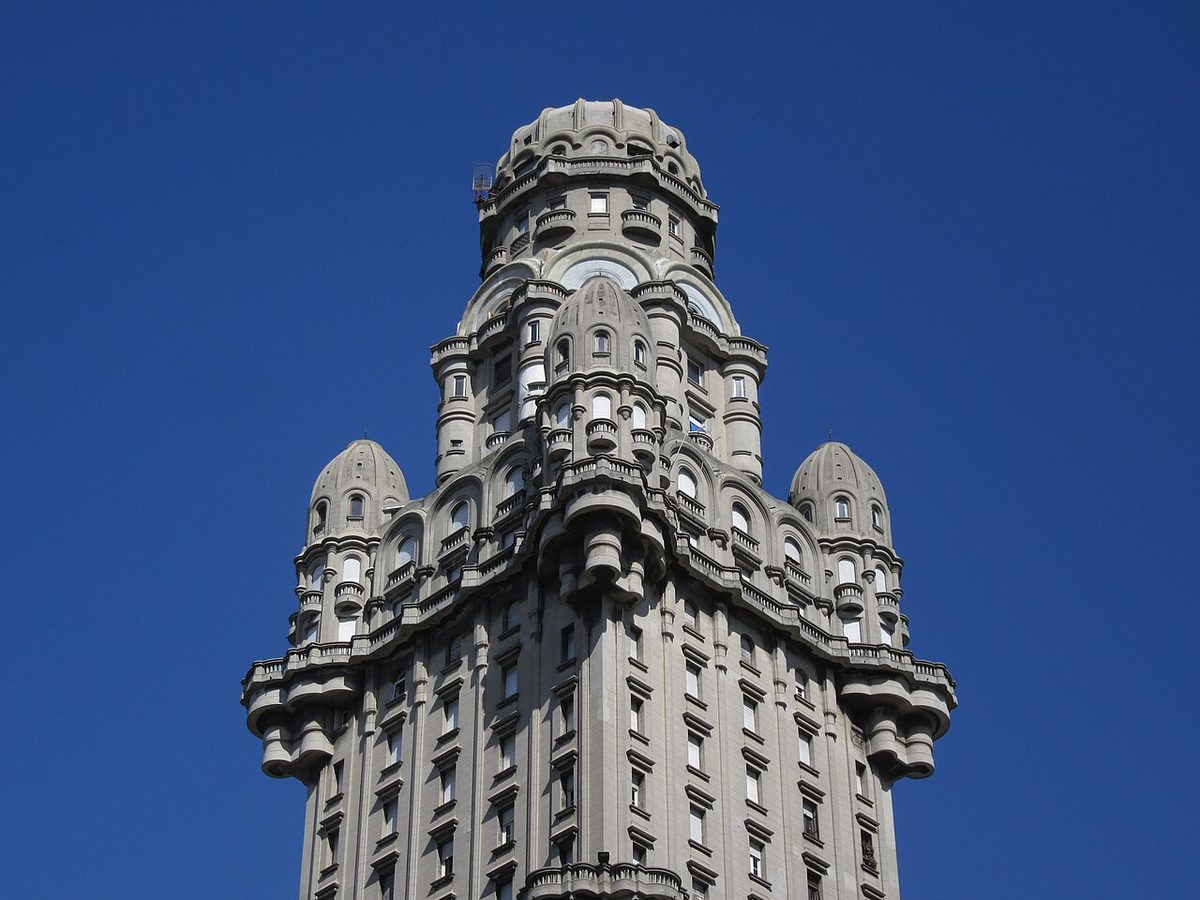
Alma Histórica occupies a restored 1920s townhouse on Plaza Zabala in Ciudad Vieja (the Old Town), and it plays a clever theme: each of its rooms is dedicated to a famous Uruguayan, a poet, a painter, a footballer, a tango singer, and decorated to match, sometimes with real period objects. The bones are Belle Époque, the comfort is modern, and there is a small rooftop hot tub over the old streets.
For a city stay with a sense of place, this beats any international chain in town. You are within walking distance of the port market, the waterfront and the architecture of the historic core. It is the natural anchor for a couple of days exploring Montevideo before heading to the coast.
One honest drawback: Ciudad Vieja is wonderful by day and quieter after dark, when parts of it empty out, so it pays to be sensible about which streets you wander at night. The hotel itself is secure and welcoming; the surrounding neighborhood simply has a clear day and night rhythm.
Estancia and lighthouse character stays
Two more flavors of unusual: the working ranch you can sleep on, and the rare beachfront stay that comes with a landmark attached.
Historic estancias
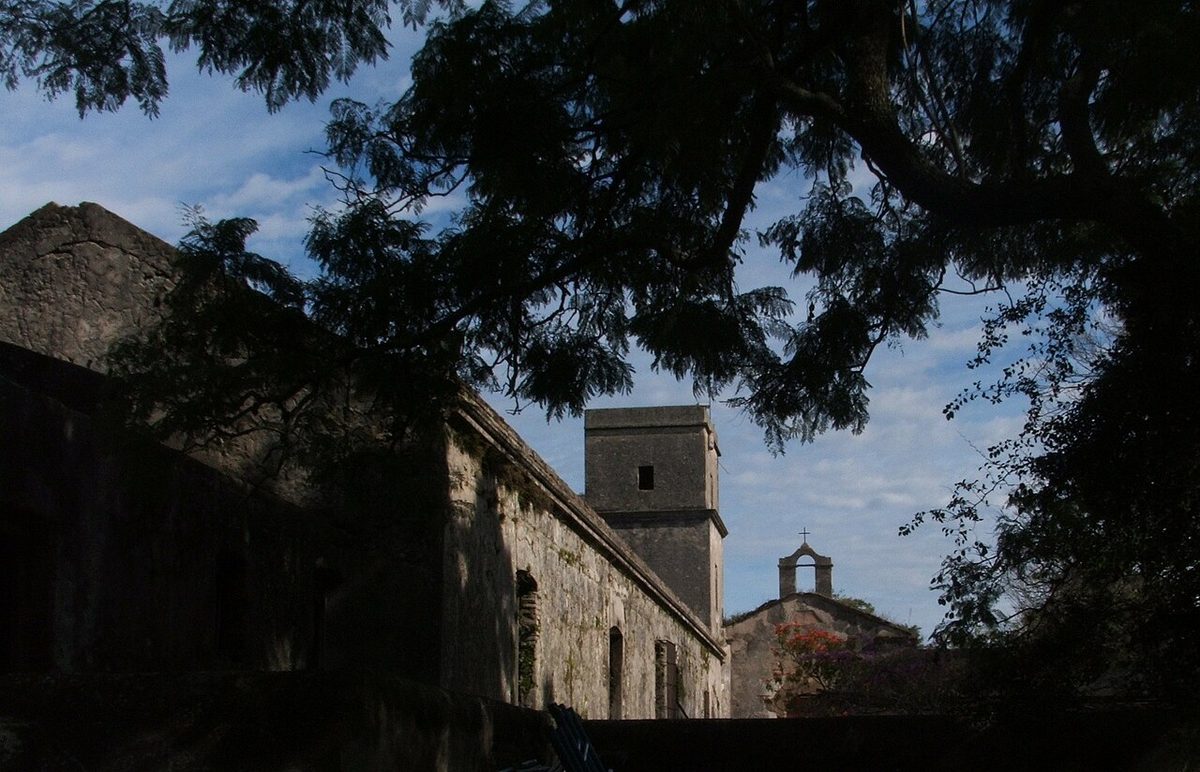
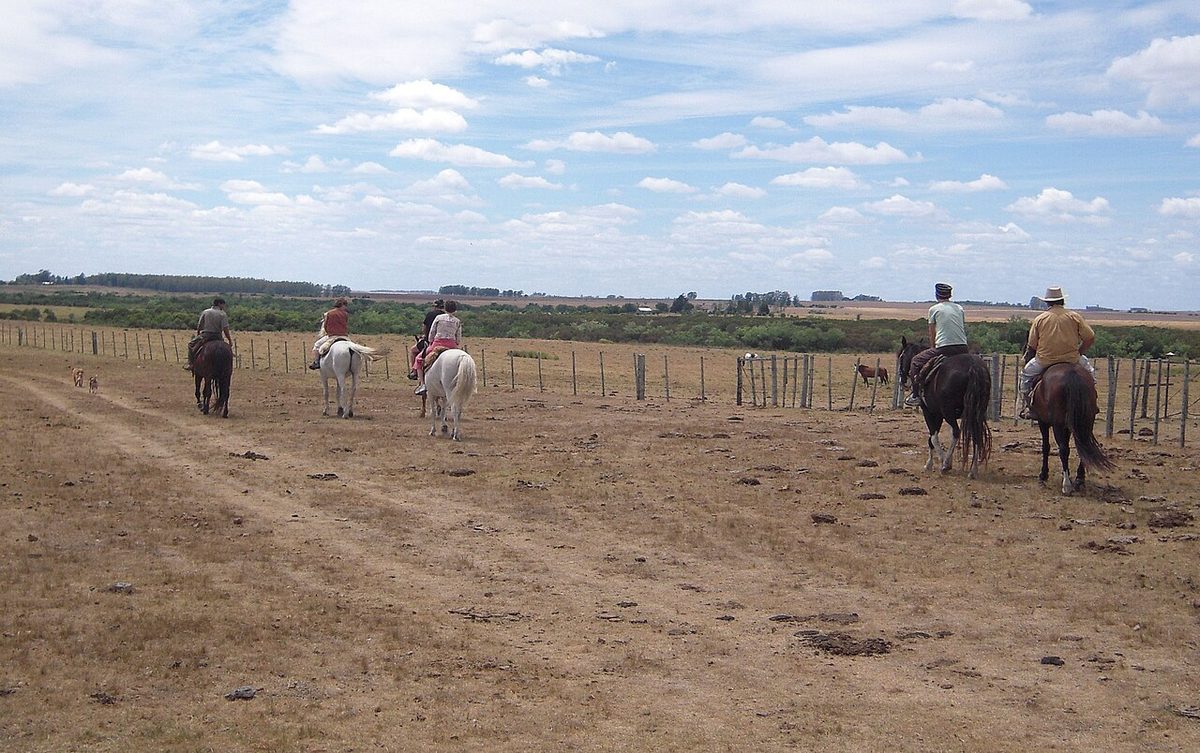
Beyond the design-forward Estancia Vik, Uruguay has a deep bench of historic working ranches that take guests, and several are unusual simply because they are so old and so unchanged. There are estancias that have run cattle since the early or mid-1800s, where you sleep in the original ranch house, ride out with real gauchos, and eat asado (barbecue cooked over wood and coals) under the trees. Some sit an hour from Montevideo; others are a long drive into the deep interior.
The character here is authenticity rather than design. You are a guest in a way of life that still functions, not a set built for tourists. For couples it can be wildly romantic; for families it is one of the best things you can do with kids in this country, who tend to take to the horses and the open space immediately. The estancia guide goes deeper on choosing one.
One honest drawback: a real working estancia is rural in every sense. Reaching the best ones often means a long drive, sometimes on ripio, and the rhythms are set by farm life, not by a concierge, so flexibility and a sense of humor matter more than they would at a polished hotel.
Posada del Faro and lighthouse-side stays, José Ignacio
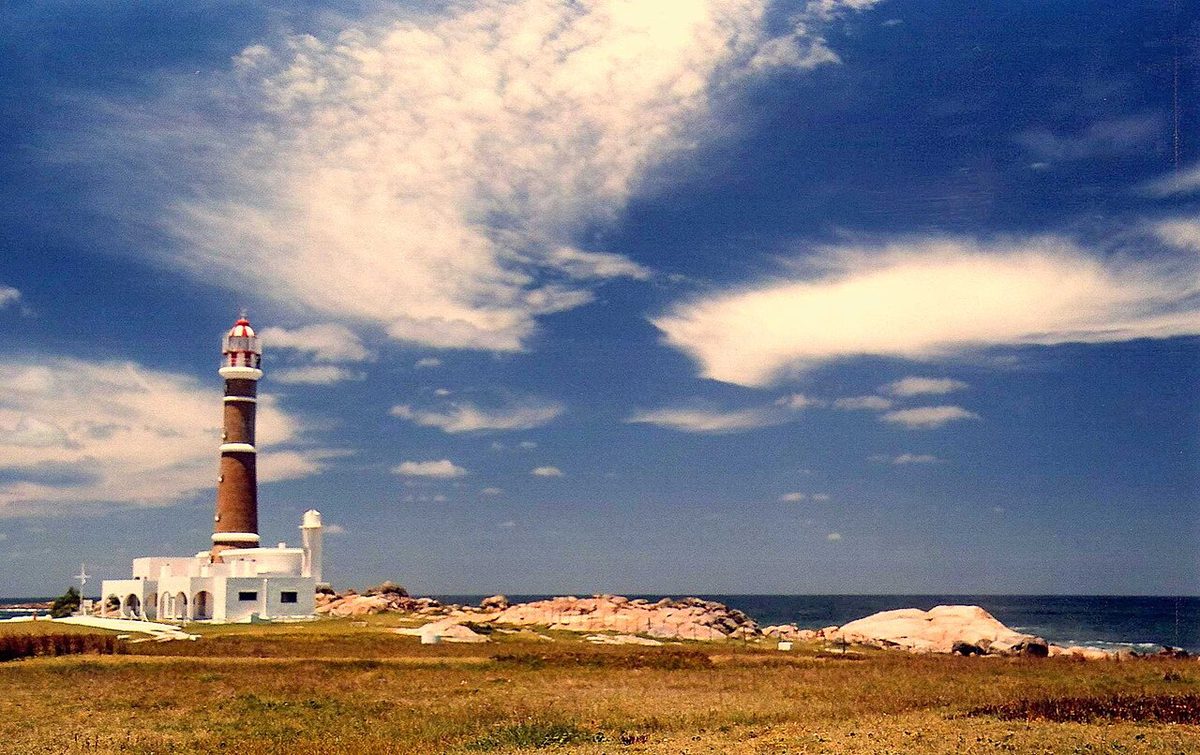
José Ignacio is dominated by its faro, the lighthouse, and a few small hotels sit almost in its shadow on the point. Posada del Faro is the best known: a low, white, beach-house-style posada with rooms looking out to the water, steps from the sand on the calm side of the peninsula. It is understated where the village’s flashier names are not, and the location, between two beaches with the lighthouse overhead, is genuinely special.
This is the move for travelers who want José Ignacio’s setting without the all-out art-hotel budget or ranch isolation. You can walk to the village’s restaurants and to the rocks below the lighthouse at sunset. The wider José Ignacio guide and, for a quieter alternative up the coast, the Rocha department round out the options.
One honest drawback: José Ignacio is fiercely seasonal and expensive in January and February, when even understated places command high-season rates and the village heaves. Come in the December or March shoulder and you get the same setting at a fraction of the price, but accept that a few places will be shut.
Planning a stay at Uruguay’s unique hotels
The properties are the easy part. Timing, logistics and matching a place to your trip are where people go wrong, so here is how I think about it.
When to book
Uruguay’s high season is short and intense: roughly mid-December through February, peaking in January when Argentines and Brazilians fill the coast and prices climb hard. The unusual places are small, so they sell out earliest. For Casapueblo, the Vik properties or Sacromonte in January, you want to be booking months ahead, not weeks.
My own preference is the shoulder: late November to mid-December, or the whole of March. The weather is still warm, the sea is swimmable, prices soften noticeably, and you actually get the terraces and beaches to yourself. The trade is that a handful of seasonal places, Casapueblo among them, may be closed or running reduced hours, so confirm each booking directly. For the month-by-month picture, the best time to visit guide is worth a read before you lock dates.
How to get there
Rent a car. I cannot say this strongly enough for this particular list. Almost every property here, the vineyard lodges, the estancias, Sacromonte, even Casapueblo, is awkward or impossible to reach well without your own wheels, and several of the best sit at the end of a ripio road. Uruguay is small, the main roads are good, and the country has near-zero tolerance for drink-driving, so plan your wine tastings around who is at the wheel.
Distances are gentle by South American standards. Montevideo to Punta del Este is about two hours; Punta to José Ignacio another forty minutes; Carmelo around three hours west of the capital, or a short connection from Colonia if you come in by ferry from Buenos Aires. A loop that strings several of these together makes a superb week; the Uruguay itinerary guide sketches the routes.
By traveler type
For design lovers, the priority list is clear: Sacromonte and Playa Vik for contemporary architecture, Casapueblo for hand-made artistic obsession, Casa Zinc for salvage-and-antiques romance on a smaller budget. Hit two contrasting ones rather than three similar ones.
Couples and honeymooners are best served by the wine lodges, Narbona especially, with adults-only calm, clawfoot tubs and a bottle on the terrace at sunset. A characterful estancia adds the romance of total quiet and big skies. The Uruguay honeymoon guide pairs these well; an art suite at one of the Vik properties is the splurge option.
Families should skip the adults-only lodges and the precious art suites, where you will spend the trip telling children not to touch a sculpture. A working estancia is the standout instead: horses, space, animals and asado, with hosts who are usually warm with kids. Among the quirky stays, Casa Zinc’s communal table can work for older children who find it an adventure.
Travelers chasing the genuinely offbeat should look east to Rocha. Cabo Polonio, a tiny settlement in the dunes reached only by 4×4 over the sand, has essentially no mains electricity, accommodation runs to rustic cabins and hostels lit by candle and solar, and a working lighthouse presides over the lot. It is the opposite of a design hotel and just as unique in its own way. Nearby La Pedrera and the wider Cabo Polonio guide cover this slower, wilder coast, which folds neatly into a Rocha itinerary.
Unique hotels Uruguay: your questions answered
What is the most famous hotel in Uruguay?
Casapueblo, at Punta Ballena near Punta del Este, is the one most people know. It is the sculpted clifftop studio of the late artist Carlos Páez Vilaró, now part hotel, part museum and gallery, and it draws crowds each evening for its sunset ceremony. For sheer recognition it has no rival in the country, though the Vik art hotels around José Ignacio run a close second among design-minded travelers.
Where do design lovers stay in Uruguay?
For contemporary architecture, the two names are Sacromonte, with its mirror-clad cabins in a vineyard valley near Pueblo Edén, and Playa Vik on the José Ignacio beachfront, a glass-and-titanium gallery hung with commissioned art. For hand-made, sculptural design, Casapueblo. Hitting two contrasting properties, one modernist, one artisanal, gives a fuller picture than three in the same vein.
Can you stay overnight at Casapueblo?
Yes. Part of Casapueblo operates as the Club Hotel, so you can sleep inside the building, not just visit for the day. The rooms are simple and white; the architecture and the clifftop position are the draw. Note that it runs seasonally and has typically closed for a stretch in the cooler months, roughly April into July, so confirm dates and prices directly before you plan around it.
Are there vineyard hotels in Uruguay?
Several. Narbona Wine Lodge near Carmelo offers five adults-only rooms beside a 1909 winery, chapel and dairy. Bodega Bouza, only about twenty minutes from Montevideo, pairs vineyard rooms with a vintage-car collection. The Garzón area inland from José Ignacio has grown into its own wine-and-design pocket. All let you sleep among working vines, which is one of the country’s most underrated experiences.
What is the most unique place to stay in Uruguay on a budget?
Two stand out. Casa Zinc in La Barra, built from salvaged metal and rescued antiques, delivers serious character at a mid-range price. For something wilder and cheaper, the candle-and-solar cabins of Cabo Polonio, in the Rocha dunes with no mains electricity, are about as offbeat as accommodation gets. Both prove that “unique” in Uruguay does not have to mean four figures a night.
How far in advance should I book unique hotels in Uruguay?
For January and February, the peak, book the small design and wine properties several months ahead; they sell out first. For the warm, quieter shoulder of late November to mid-December or March, a few weeks is often enough, and prices drop noticeably. Always confirm seasonal opening directly, since several characterful places close or reduce hours outside high summer.
Final thoughts
If I had to send a first-timer to just two of these, I would pick one design statement and one slower place: Casapueblo or Sacromonte for the architecture, then a vineyard lodge like Narbona or a working estancia to balance it. That contrast, between a building that shouts and a place that whispers, is the real Uruguay.
None of these are perfect, and I have tried to be honest about the catch in each. But that is the point. The interesting hotels here have edges, and the edges are exactly what you will remember long after a smoother stay has blurred. Start with the parent guide on where to stay in Uruguay to slot one into your trip, and book the small ones early.
Credits & sources
Sources & further reading
- Uruguay Natural — the official national tourism site, for regions, seasons and practical basics.
- Club Hotel Casapueblo — the property’s own site, for rooms, opening dates and the sunset ceremony.
- Vik Retreats — official site for the Estancia, Playa and Bahia Vik art hotels in José Ignacio.
- Narbona Wine Lodge — the Carmelo estate’s own pages on its rooms and wines.
Photo credits
All images via Wikimedia Commons: Casapueblo Punta Ballena Exterior by Re Uruguayo (CC BY-SA 4.0); Punta Ballena Coast Uruguay by Cleant (CC BY 3.0); Bodega Bouza Vineyard Uruguay by Cristinabodega (Public domain); Narbona Chapel Carmelo Uruguay by Fadesga (CC BY-SA 3.0); Ciudad Vieja Montevideo Architecture by Felipe Restrepo Acosta (CC BY-SA 4.0); Estancia Building Uruguay Countryside by Helge Høifødt (CC BY-SA 3.0); Faro Cabo Polonio Rocha Uruguay by rodoluca (CC BY-SA 3.0).