Luxury Hotels in Uruguay: The Best High-End Stays (2026)
The first genuinely expensive room I booked in Uruguay was a January suite whose rate had roughly doubled since October, and reception apologised for the air conditioning before I’d asked. That is the high end here in one scene: real money, summer-only swagger, and an honesty you rarely get at this price.
I’ve circled the country’s top addresses for years. Some are world-class; some trade on a five-star label nobody has re-poured in fifteen years.
So, the short version: the luxury hotels Uruguay does have cluster in four places, plus a handful of standout experiences. Montevideo holds one grand dame. The Punta del Este peninsula and Punta Ballena hold the design crowd. Carmelo anchors the wine country. José Ignacio runs its own scene. Add private wine tours, spa, polo and helicopter transfers.
One caveat on what “covers” means. This is the country-wide view of high-end stays and experiences. I name real properties, real towns, real drive times, and price bands I’ll always hedge, because rates move with the season more violently than almost anywhere I know. The José Ignacio and Vik world is distinct enough to earn its own write-up; I’ll summarise it below and point you to my dedicated José Ignacio hotels guide rather than repeat myself. For the wider question of where to base yourself, my where to stay in Uruguay overview is the parent to this page.
A few words I’ll gloss as they come up: the rambla is the seafront promenade; an estancia is a working cattle ranch, several of which now take paying guests; a bodega is a winery; asado is the slow wood-fire barbecue that anchors a Uruguayan weekend; and mate is the bitter green tea everyone carries in a gourd. All of them turn up on a luxury itinerary here.
| Hotel | City / area | Style | Rough nightly band | Best for |
|---|---|---|---|---|
| Sofitel Montevideo Casino Carrasco & Spa | Carrasco, Montevideo | Belle Epoque landmark | ~US$200–380 | City grandeur, spa, casino |
| Fasano Las Piedras | La Barra, Punta del Este | Design retreat, 490ha | ~US$450–1,200 | Architecture, golf, privacy |
| Enjoy Punta del Este (ex-Conrad) | Punta del Este peninsula | Resort & casino | ~US$220–600 | Casino, beachfront, families |
| Carmelo Resort & Spa (Hyatt) | Carmelo | Riverside bungalow resort | ~US$300–650 | Wine country, golf, calm |
| Narbona Wine Lodge | Near Carmelo | Five-suite vineyard inn | ~US$275–560 | Wine, food, polo, romance |
| Estancia Vik / Bahia Vik | José Ignacio | Art-driven ranch & beach | ~US$600–1,500 | Design pilgrims, horses, sea |
Bands are peak-ish, hedged, and meant for orientation, not a quote. In deep summer the top of each range stops being a ceiling. In May or June you can sometimes halve them. Read on for who each one actually suits, and the one thing about each I’d want a friend to warn me about.
Montevideo luxury: the Sofitel Carrasco grand dame
Montevideo is not really a five-star city, and I say that as someone who loves it. The capital does business hotels well and grand hotels rarely. There is, however, one exception that justifies the whole category.
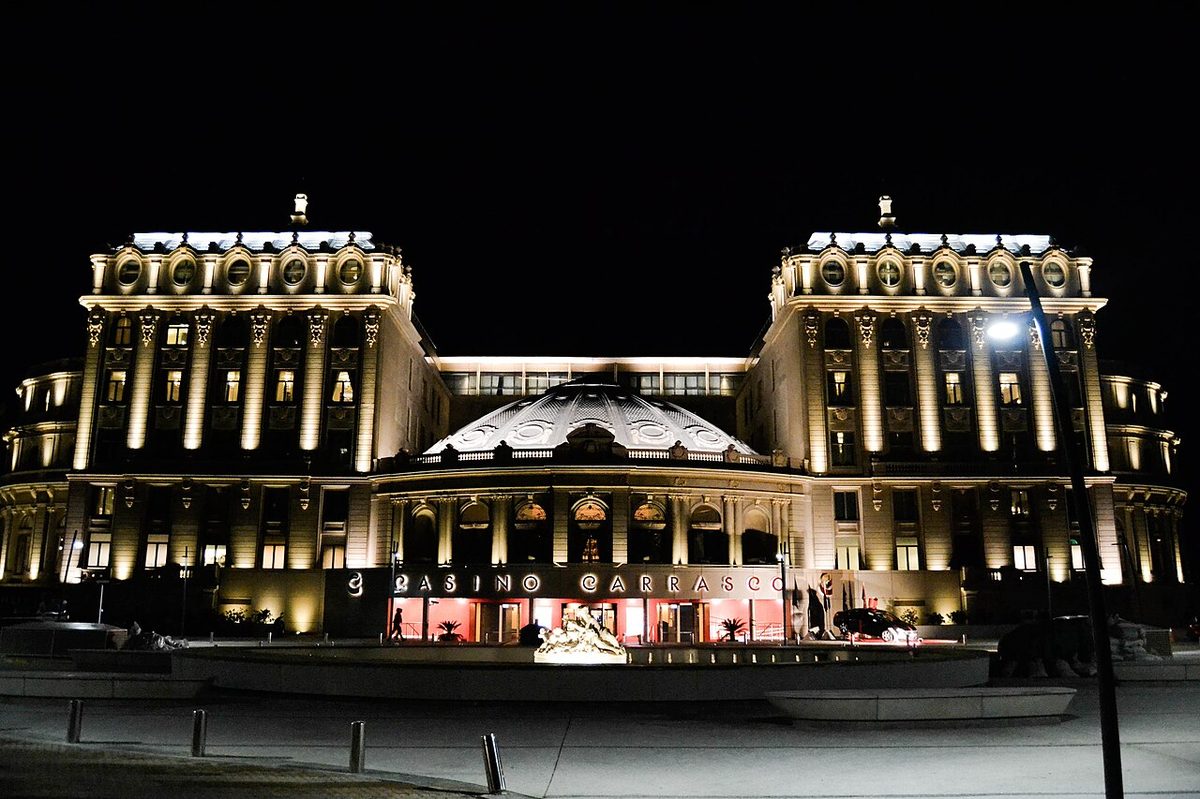
The Sofitel Montevideo Casino Carrasco & Spa sits on the seafront in Carrasco, the leafy old-money neighbourhood out near the airport. The building dates to the 1920s, a Belle Epoque pile (the ornate, turn-of-the-century European style) that was the city’s glamour address, fell into decline, and reopened under Accor’s Sofitel flag after a long restoration. It is now comfortably the most beautiful hotel in Montevideo.
What you’re paying for is the architecture, the spa, the casino downstairs, and a sense of occasion the rest of the city can’t match. Rooms run, last I checked, somewhere around US$200 to US$380 depending on season and view. The spa is genuinely good. The breakfast is lavish. The staff treat the place like the monument it is.
The honest drawback: location. Carrasco is lovely and calm, but it’s a 20-to-30-minute drive from the Ciudad Vieja (the old town) and the central rambla where you probably want to spend your evenings. If you came to walk Montevideo, you’ll be taxiing a lot. I think the trade is worth it for a night or two; for a week, you might prefer something central and plainer. My Montevideo guide digs into the neighbourhoods.
One more Montevideo note. If your taste runs to design-forward boutiques over grand restorations, the city has a small but growing set of those, which I cover in my unique hotels in Uruguay round-up. The Sofitel is the splurge; the boutiques are the character.
Punta del Este and Punta Ballena: the showcase coast
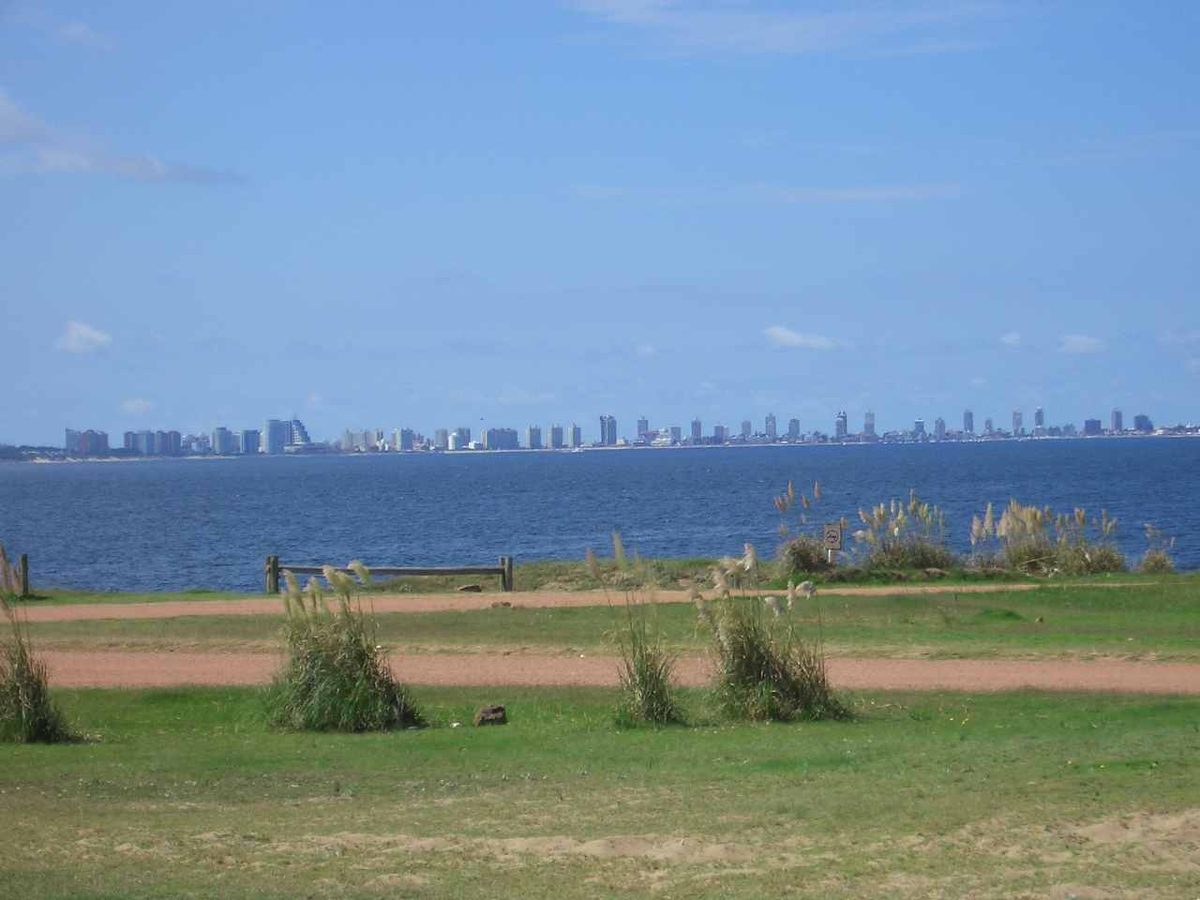
Punta del Este is where Uruguay does luxury loudest. People call it the Monaco of South America or the Hamptons of the south, and in January, with the high-rises lit up and the marina full, the comparison earns itself. The rest of the year it can feel like a stage set after the play has closed.
That seasonality matters more here than anywhere. Book the right week and it’s electric. Book the wrong one and you’re paying peak rates for a half-shuttered town.
Fasano Las Piedras
My favourite serious stay in the area isn’t on the peninsula at all. Fasano Las Piedras spreads across roughly 490 hectares of rolling country up in La Barra, inland from the beach scene, designed in part by the architect Isay Weinfeld with a famous Marcio Kogan hand on the interiors. It’s all stone, glass and restraint, with standalone bungalows, newer villas, an Arnold Palmer golf course and a spa that hides in the landscape.
This is the address for people who want Punta within reach but not on top of them. It runs year-round, which is rare here. Rates are high, plausibly US$450 to well over US$1,000 in season, and worth it for the architecture and the quiet alone.
The drawback: you need a car, or you’ll feel marooned. It’s around a two-hour drive from Carrasco airport in Montevideo, and roughly 15 to 20 minutes from Punta del Este’s restaurants and beaches. Beautiful isolation is still isolation.
Enjoy Punta del Este, the former Conrad (and what comes next)
Here is where most luxury guides to Uruguay are quietly out of date, so pay attention. The big beachfront resort-and-casino on the peninsula opened as the Conrad, became Enjoy Punta del Este when the Chilean Enjoy group took over operations more than a decade ago, and in April 2026 changed hands again: the Brazilian group JHSF bought it and announced plans to relaunch it under their Fasano Península brand, with a reported half-billion-dollar overhaul.
As I write, in mid-2026, it is still trading as Enjoy through the transition, with the casino and resort running while the new owners plan the rebuild. The Fasano-branded reinvention and the bigger luxury complex around it are slated to roll out over the coming year or two, so the name on the door may well have changed by the time you read this. Verify the current operator before booking; this one is genuinely in motion.
For now it remains the peninsula’s landmark stay: a proper casino floor, sea-facing rooms, pools, several restaurants, and the kind of scale Punta visitors expect. Bands sit around US$220 to US$600, swinging hard with the season and any event on. It’s the most “resort” of Uruguay’s luxury options, and the most family-friendly.
The honest drawback, pre-renovation, was that parts felt dated against the rates, especially outside the refreshed rooms. The incoming overhaul is precisely the fix, but during a transition you can land somewhere between the two. Ask exactly what’s been renovated when you book.
Punta Ballena and Casapueblo
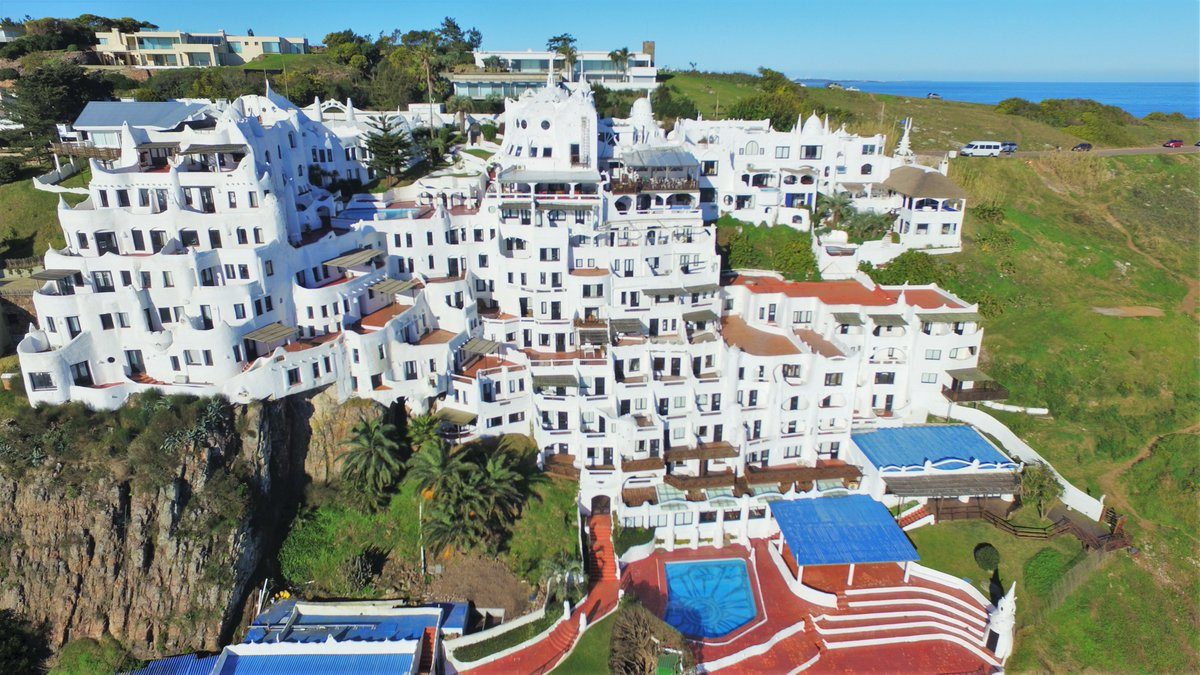
Just west of Punta del Este, the headland of Punta Ballena holds the country’s most photographed building: Casapueblo, the white, hand-sculpted cliffside fantasy the late artist Carlos Páez Vilaró built and lived in. Part museum, part hotel, part restaurant, it is not a polished five-star, and you should not expect it to be. What it offers is a genuinely singular place to sleep and the best sunset on this coast.
I’d treat Casapueblo as an experience-led night rather than a luxury-service night, and read my dedicated Casapueblo guide before deciding. For the full lay of the land on where to stay locally, my where to stay in Punta del Este piece breaks it down by barrio, and the broader Punta del Este guide covers the resort itself.
José Ignacio and Vik: barefoot luxury, briefly
An hour east of Punta, the fishing village of José Ignacio is where Uruguay’s luxury went to get understated. No high-rises, sand streets, a little lighthouse, and some of the most quietly expensive houses and hotels in South America. This is barefoot-billionaire territory, and the flagship is the Vik family of properties: Estancia Vik inland, Bahía Vik on the bay and Playa Vik on the beach, all stuffed with contemporary art and serious design.
I’m keeping this short on purpose, because José Ignacio earns its own full treatment. If this is your scene, and for honeymooners and design lovers it often is, go straight to my dedicated José Ignacio hotels guide and the wider José Ignacio area guide. The one-line version: it’s the most design-driven, most seasonal, and arguably most magical corner of luxury Uruguay, and it all but hibernates outside summer.
Carmelo and the wine country: riverside calm
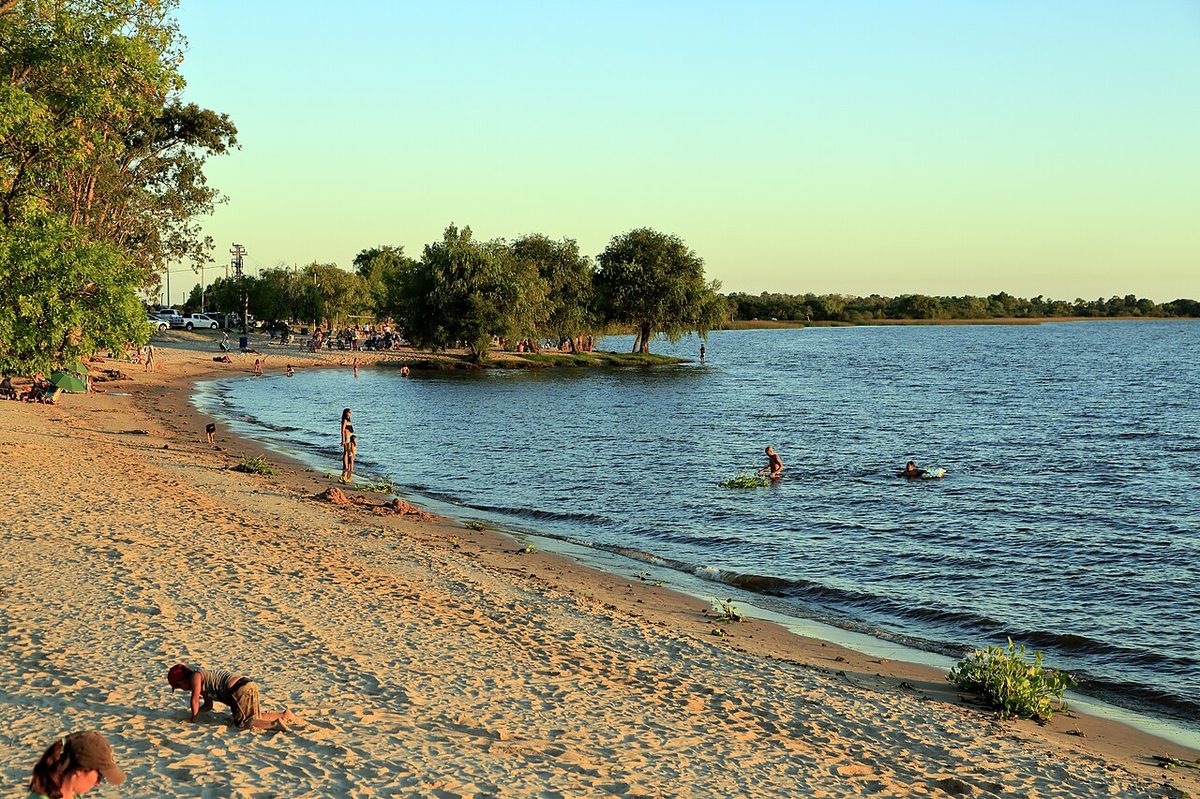
Carmelo, up the coast toward the Argentine border and a manageable drive from Colonia del Sacramento, is where I send people who want luxury without the Punta posturing. It’s wine country crossed with river country, slow and green, and it holds two very different high-end stays.
Carmelo Resort & Spa, a Hyatt hotel
The Carmelo Resort & Spa opened life as a Four Seasons, later joined Hyatt, and sits among pine and eucalyptus on the banks of the Río de la Plata. It’s a low-rise bungalow resort: thatched-roof villas scattered through the trees, a good spa, a nine-hole golf course, tennis, a pool, and a private stretch of riverfront. The mood is quiet, grown-up and a little hushed.
Rates land, last I checked, somewhere around US$300 to US$650, lower in the cooler months. For a couple wanting spa-and-wine days with very little to prove, it’s close to ideal. Children are welcome but it skews calm.
The drawback: it’s remote, and the resort knows it, so on-site dining and extras add up because alternatives are a drive away. Budget for the captive pricing, or rent a car and explore Carmelo’s own restaurants and bodegas.
Narbona Wine Lodge
Smaller and, to my taste, more romantic, Narbona Wine Lodge is a five-suite inn set in a historic estate that began as one of Uruguay’s first vineyards over a century ago. There’s a renowned restaurant, an antique cellar for tastings, a granite pool, stables, even a polo field. It feels like staying at the country house of a very stylish, very wine-obsessed friend.
Five suites means it books out fast and feels exclusive; expect roughly US$275 to US$560 with breakfast. The food and the wine are the headline, and they deliver. My Carmelo guide and the broader Uruguay wine pillar go deeper on the region and its cellars.
The drawback: with only five rooms and a destination restaurant, you’re somewhat locked into Narbona’s rhythm, which is the whole point but worth knowing. If you want options and anonymity, the bigger resort suits you better.
Estancia and countryside luxury
Some of the most distinctly Uruguayan luxury isn’t a hotel at all; it’s a night on an estancia, a working cattle ranch, several of which now host guests at a genuinely high level. Think open fires, horses at dawn, asado lunches that last three hours, and silence so complete it takes a day to adjust.
Estancia Vik near José Ignacio is the design-magazine version. Further inland, scattered through Maldonado, Lavalleja and beyond, are quieter ranches where the luxury is space, food, horsemanship and a family welcome rather than thread counts. Some are polished; some are rustic-luxe and proud of it. The common thread is that you’re a guest on a real farm, not a guest in a themed resort.
My estancia stays guide is the place to choose between them, because the gap between “boutique ranch” and “we put a nice rug in the bunkhouse” is wide. The honest drawback across the category: remoteness and variability. You will drive a long way on gravel, and standards differ sharply between properties, so vet each one specifically.
Luxury experiences: beyond the room
Here’s the gap most luxury lists ignore: in Uruguay, the best of the high end is often what you do, not where you sleep. A few that are worth the spend.
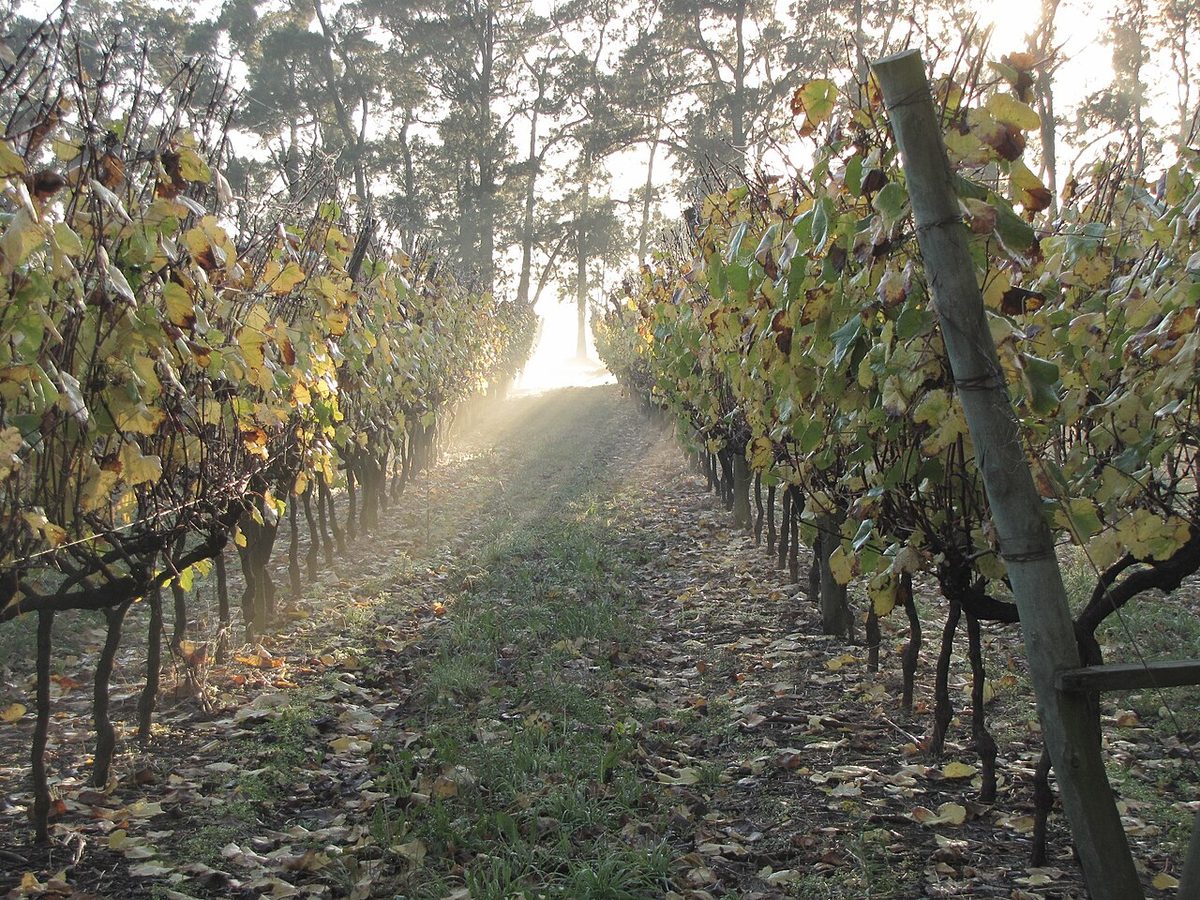
Private wine tours. The country’s wineries, the famous Tannat reds especially, lend themselves to a hired car, a driver and a day of tastings and long lunches around Canelones, Maldonado or Carmelo. Bodega Bouza just outside Montevideo and Bodega Garzón near José Ignacio are the showpieces; Garzón in particular runs a polished, expensive, genuinely world-class operation. See my Bodega Garzón guide and the Uruguay wine pillar.
Spa and wellness. The Sofitel Carrasco, Carmelo Resort and Fasano Las Piedras all run serious spas, and a half-day there is an easy luxury to book even if you’re not a guest. Quality is high and prices, by big-city standards, fair.
Polo and horseback. Uruguay is quietly horse-mad. Several estancias and lodges, Narbona among them, offer polo or riding, from a gentle countryside hack to lessons on a proper field. It’s one of the more authentic luxuries on offer.
Private transfers and helicopters. In peak season, well-heeled visitors skip the two-hour Montevideo-to-Punta drive entirely and fly. Helicopter and private-car transfers are readily arranged through hotels and operators, and in January, when the road is busy, the time saved is real.
A private chef or asado master. If you rent a villa or estancia, hiring a parrillero (a grill master who runs the asado, the wood-fire barbecue) for an evening is the single most Uruguayan luxury I know, and far better value than any hotel restaurant.
By traveller type and the practical stuff
Honeymooners
For a honeymoon, I’d point you at José Ignacio for design and beach, Narbona for wine-country romance, or Fasano Las Piedras for architectural calm. All three do “just the two of you” beautifully. My Uruguay honeymoon guide pairs stays with the trip around them.
Special occasions and groups
Marking a big birthday or travelling as a family, the Sofitel Carrasco (city) and Carmelo Resort (countryside) give you space, facilities and easy logistics. The Enjoy/Fasano Península resort suits those who want a casino, a beach and a lot of room under one roof.
When to go
This is the decision that makes or breaks a luxury trip here. December to February is peak: everything is open, everything is alive, and everything costs the most, often 20 percent or more above the rest of the year, with January the priciest. The shoulder months, roughly October to November and March to April, are my sweet spot, with mild weather, open kitchens and softer rates. November is frequently the cheapest. In winter, June to August, much of the coast hibernates, though Montevideo, Carmelo and the wineries tick along. My best time to visit Uruguay guide lays out the trade-offs month by month.
Getting there and around
Almost everyone flies into Carrasco airport in Montevideo. From there it’s roughly two hours by road to Punta del Este, a little more to José Ignacio, and a couple of hours the other way to Carmelo via Colonia. A rental car transforms a luxury trip here; distances are short but transit is patchy, and the best places are deliberately out of the way. If you’d rather not drive, build private transfers into the budget from the start. To stitch it into a route, see my Uruguay itinerary guide and the Colonia del Sacramento guide for the western leg.
Is luxury Uruguay actually worth it?
Honestly: in the right season, yes, with caveats. You are not getting Maldives-grade infrastructure or a deep bench of five-star options; Uruguay is expensive for South America and the choice is narrow. What you get instead is space, discretion, superb food and wine, real horses and real coast, and almost none of the crowds you’d fight elsewhere. Come in January expecting bargains and you’ll feel fleeced. Come in November for the food, the wine and the quiet, and it’s one of the best-value luxury escapes in the hemisphere.
Luxury hotels Uruguay: your questions answered
What is the best luxury hotel in Uruguay?
There’s no single answer, because they win in different categories. For city grandeur, the Sofitel Montevideo Casino Carrasco. For design and privacy, Fasano Las Piedras near Punta del Este. For art-driven beach luxury, the Vik properties in José Ignacio. For wine-country calm, Carmelo Resort & Spa or Narbona. Pick by the trip you want, not by a ranking.
Does Uruguay have any five-star hotels?
Yes, though fewer than you might expect. The Sofitel Carrasco, Fasano Las Piedras, Carmelo Resort & Spa and the José Ignacio Vik properties all operate at a five-star level, and the big peninsula resort (lately Enjoy, becoming Fasano Península) anchors the resort end. Beyond these, “five-star” labels get looser, so check recent reviews rather than the star count alone.
How much does a luxury hotel in Uruguay cost?
Expect roughly US$200 to US$400 a night for the grander city and resort rooms, and US$450 to well over US$1,000 for the top design and beach properties in peak season. Rates swing hard with the calendar: deepest in January, softest around November. Always check the specific dates, because the same room can change price dramatically across a single month.
Is Punta del Este worth visiting for a luxury trip?
In summer, very much so; it’s where Uruguay’s high end concentrates, with the best dining, beaches and energy. Outside peak weeks it quietens sharply and the value case weakens. If you want the buzz, go in January and book early. If you want calm with the same standards, José Ignacio, Punta Ballena or Carmelo serve you better off-season.
When is the cheapest time for luxury hotels in Uruguay?
The shoulder seasons, roughly October-November and March-April, give the best balance of open kitchens, mild weather and lower rates, with November often the cheapest month on the coast. Winter (June-August) is cheaper still but much of the beach scene closes; Montevideo and the wine country stay open and are a genuine cold-weather bargain.
Final thoughts
Luxury here is narrow but real, and it rewards travellers who think in seasons rather than stars. Get the timing right, accept that the choice is small, lean into the wine, the horses and the coast, and Uruguay gives you a kind of unhurried, low-ego high-end travel that’s getting harder to find anywhere. Get it wrong, arrive in peak January expecting value, and you’ll wonder what the fuss was about. Book the shoulder, rent the car, hire the parrillero, and you’ll understand.
Credits & sources
Sources & further reading
- Sofitel Montevideo Casino Carrasco & Spa (Accor official)
- Fasano Punta del Este (Fasano official)
- MICHELIN Guide hotels, Uruguay
- Punta del Este travel costs (Budget Your Trip)
Photo credits
All images via Wikimedia Commons: Hotel Casino Carrasco Montevideo by Mverocai (CC BY-SA 3.0); Punta Del Este Skyline by a Wikimedia Commons contributor (CC BY-SA 3.0); Casapueblo Punta Ballena by Re Uruguayo (CC BY-SA 4.0); Carmelo Uruguay Waterfront by Falk2 (CC BY-SA 4.0); Bodega Vineyard Uruguay by Viñavarelazarranz (CC BY-SA 3.0).