Health, Vaccines & Travel Insurance for Uruguay (2026)
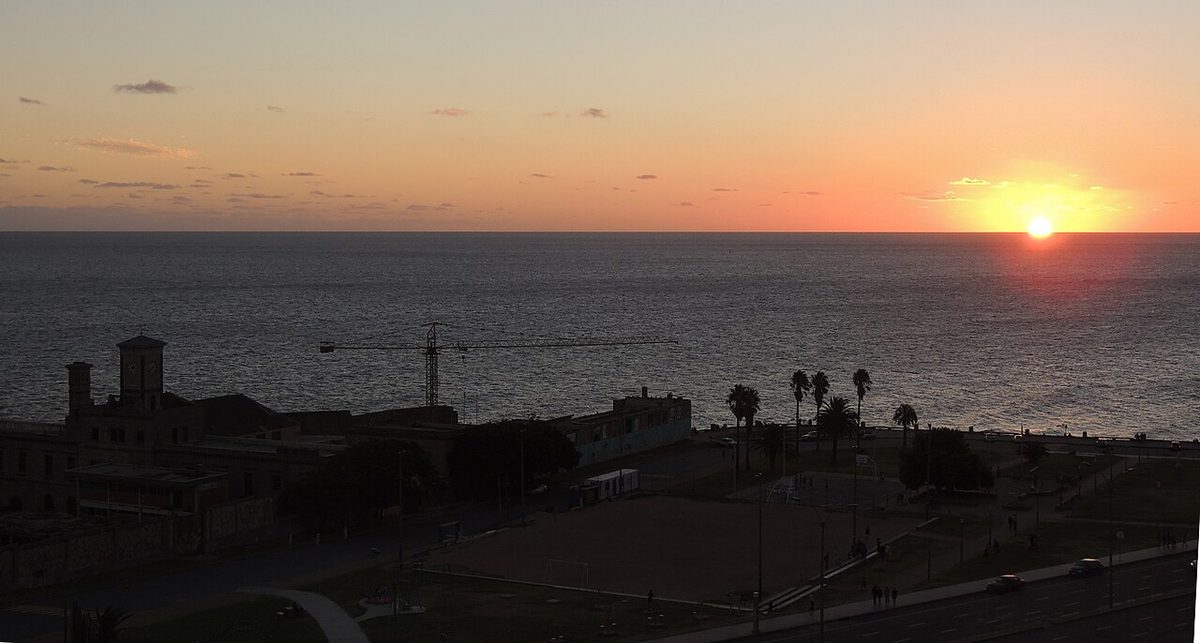
The closest I have come to a hospital in Uruguay was a sunburn so spectacular my own mother would not have recognized me. Four hours on a beach in Rocha, convinced the Atlantic wind meant I was not burning. I was, in fact, burning beautifully.
That is roughly the medical drama most visitors meet here, which is the best kind. Still, “low drama” is not “nothing goes wrong,” and that gap is where this guide lives.
The short version
Here is the direct answer. Buy uruguay travel insurance even though the country is safe: a private ER visit runs roughly USD 150 to 300, a hospital night can top USD 1,000, and a medical evacuation home can cost more than USD 50,000. You do not legally need vaccines for Uruguay, the tap water is safe to drink, and the healthcare is genuinely good. Insurance is just your backstop, not box-ticking.
That is the headline. The detail below is where the money and the peace of mind actually live, because “good healthcare” means something specific in Uruguay, and it is not free for tourists.
Who this is for, and what it covers
This page is written for the ordinary traveler: someone flying into Montevideo or Punta del Este for a week or three, maybe road-tripping the coast, eating too much asado, swimming where they probably should not. If that is you, your health risks here are low and boring, which is the best kind.
I will cover travel insurance and why it earns its keep even in a safe country, the vaccine picture (spoiler: nothing is required, several things are sensible), whether the tap water is safe, how the healthcare system actually works for a foreigner, pharmacies, and the two things most likely to bite you: the sun and, very occasionally, mosquitoes.
One caveat up front, and I mean it. I am a travel writer, not a doctor. Everything here is general information gathered from official sources and a lot of time on the ground. For anything specific to your body, your medications, or your medical history, talk to a travel clinic four to six weeks before you fly. Use this guide to know which questions to ask.
Uruguay health and travel: the at-a-glance table
| Health item | Status for travelers |
|---|---|
| Required vaccines | None for most travelers. Yellow fever only if arriving from an infected country (Uruguay is not one). |
| Recommended vaccines | Routine shots up to date (MMR, Tdap, etc.); hepatitis A and typhoid often advised. Confirm with a clinic. |
| Tap water | Safe to drink nationwide. Treated by OSE, the state water utility. |
| Travel insurance | Not strictly mandatory in 2026, but strongly recommended. Aim for solid medical and evacuation cover. |
| Emergency number | 911 for police, fire and ambulance, nationwide. |
| Malaria | None. Uruguay is malaria-free. |
| Dengue / mosquitoes | Aedes mosquito present; local cases rare but not zero. Use repellent in summer. |
| Pharmacies (farmacias) | Common, well-stocked; pharmacists give informal advice. Some open 24 hours in cities. |
Print that, screenshot it, ignore it once you have read the rest. Now the parts that need actual sentences.
Uruguay travel insurance: why it still matters in a safe country
Uruguay is one of the safest, steadiest countries in South America. I have argued exactly that in our guide to whether Uruguay is safe, and I stand by it. So why bother insuring a trip to somewhere this calm?
Because “safe” is about crime and stability. It says nothing about a slipped disc, a kidney stone at 2am, or a rental car meeting a guardrail on a coastal curve. Those things happen to careful people in lovely places, and in Uruguay they happen inside a healthcare system that is good but not free for you.
Here is the math that changes minds. As a foreigner without local coverage, you pay out of pocket at a private clinic. A medical consultation typically runs USD 150 to 300. A night in hospital can exceed USD 1,000. And the big one: if you need a medical evacuation back home, the bill can pass USD 50,000. That last figure is the whole reason insurance exists.
What good cover looks like
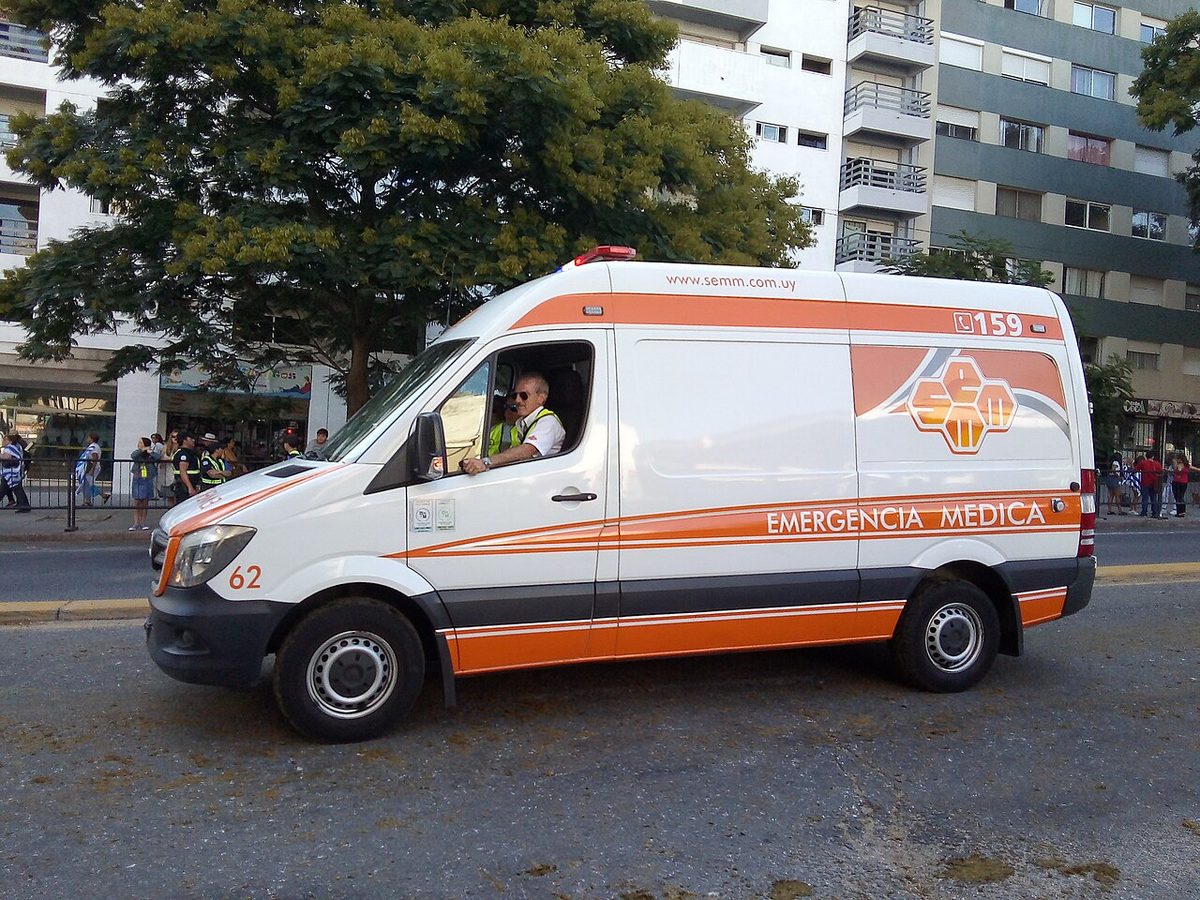
Do not just buy the cheapest policy with “Uruguay” in the dropdown. Read for the parts that matter. I look for emergency medical cover in the low hundreds of thousands of dollars, explicit medical evacuation and repatriation, and 24-hour assistance with a phone number a human answers.
Beyond medical, trip cancellation and interruption cover is what saves your deposits when a family emergency cancels everything. Baggage delay matters more than you think when the airline sends your bag to Asuncion. If you plan to drive, check that the policy plays nicely alongside the cover you arrange when renting a car in Uruguay — travel insurance rarely covers the car itself.
The honest drawback: travel insurance is genuinely annoying to compare, the fine print is dense, and you will probably never claim. I still buy it every trip, because the one time you need it, “I saved forty dollars” is not a sentence you want to be saying from a gurney.
Is travel insurance mandatory for Uruguay?
Short answer: not in 2026, as far as I can tell. During the pandemic Uruguay required visitors to hold insurance covering COVID-19, and you will still find older pages online insisting that rule remains. The broader entry requirements were lifted, and current sources treat insurance as recommended rather than required.
Requirements can change, though, and a travel page is not a border post. Before you fly, confirm the live rules with an official source and cross-check our Uruguay visa and entry requirements guide, which we keep current by nationality. If insurance ever does become mandatory again, you will want proof in your inbox, not a guess.
Uruguay vaccinations: what you actually need
Let me clear up the question that sends people into a panic spiral of travel-clinic blogs. No vaccine is required to enter Uruguay for the vast majority of travelers. There is no jab you must show at Carrasco airport, no certificate the border wants to see.
The one exception is yellow fever, and even that is narrow. Uruguay only asks for proof of a yellow fever vaccination if you are arriving from a country where the disease is present. Uruguay itself is not a yellow-fever country, so if you are flying in from North America, Europe, or most of the region, this simply does not apply. If your trip routes through a yellow-fever zone first, check the rule for your itinerary.
The recommended (not required) list
Required and recommended are different words for a reason. Health authorities suggest a sensible baseline for Uruguay, and it is mostly about being a responsible traveler anywhere.
- Routine vaccines: the ones you ideally already have. Measles-mumps-rubella (MMR), diphtheria-tetanus-pertussis (Tdap), polio, chickenpox, and your annual flu shot.
- Hepatitis A: commonly recommended for travelers, since it spreads through food and water. Worth it if you are not already covered.
- Typhoid: sometimes advised, especially for longer stays or rural travel.
- Hepatitis B and rabies: situational. Rabies mainly matters if you will be around animals in remote areas; most beach-and-city visitors skip it.
I am deliberately not telling you which of these to get. That is a conversation for a professional who knows your history, and recommendations shift. Treat the list above as the agenda for a clinic visit, not a prescription. The official sources at the bottom of this page are the ones I would trust over any blog, including this one.
The drawback of the “nothing required” reality: it lulls people into doing nothing at all, then realizing on the plane that their tetanus shot is fifteen years old. A quick check four to six weeks out costs you one appointment and removes the nagging doubt.
Is tap water safe in Uruguay? Yes, and that is a real perk
This is my favorite fact about traveling here, and I will say it plainly: the tap water in Uruguay is safe to drink. Fill your bottle from the bathroom sink, brush your teeth without a second thought, take ice in your drink. After enough trips to places where I treated every glass like a chemistry experiment, Uruguay is a relief.
The water is managed by OSE (Obras Sanitarias del Estado, the state sanitation utility), which treats and tests the public supply to proper standards. In Montevideo, Punta del Este, Colonia, and the towns most visitors see, the tap is fine. This quietly saves you money, plastic, and the hassle of hauling bottles around.

The honest caveats
Two things keep me honest here. First, in 2023 a severe drought pushed Montevideo’s water authority to mix in more brackish water, and the supply turned noticeably salty for a stretch. Officials maintained it was potable, but advised people with high blood pressure to limit it, and a lot of locals switched to bottled water for a while. The drought passed and normal supply returned, but it is a reminder that “safe” can have an asterisk in an unusual year.
Second, deep rural Uruguay is a different picture. Out on remote estancias or tiny interior settlements, water may come from a private well rather than the OSE network, and agricultural runoff is a real thing. If you are headed somewhere genuinely off-grid — the kind of trip our guide to estancias and gaucho country describes — ask your host where the water comes from. In a city, do not give it a thought.
Food safety
Food here is low-risk and high-reward. Uruguay is a meat country, the produce is good, and standards in restaurants are solid. I eat freely, including the street choripan that is practically a national handshake. If you have a sensitive stomach, ease into the heavier grill food rather than going straight for a full parrillada on night one. Beyond that, the usual common sense covers it, and there is a lot to enjoy in our run-down of Uruguayan food worth trying.
Healthcare and hospitals in Montevideo and beyond
If something does go wrong, you have landed in a good place for it. Uruguay’s healthcare ranks among the best in the region, and Montevideo in particular has private hospitals that would not feel out of place in Europe. The system is unusual, though, so it helps to understand how the pieces fit before you need them.
Three layers run in parallel. There is the public system, ASSE (the State Health Services Administration), which covers residents and runs public hospitals. There are the mutualistas — private, member-based health cooperatives that most Uruguayans belong to, paying a monthly fee for care at the mutualista’s own clinics and hospitals. And there are fully private hospitals and clinics you can pay directly. As a tourist, you will most likely use a private hospital or clinic and pay (then claim on insurance).
Hospitals worth knowing in Montevideo
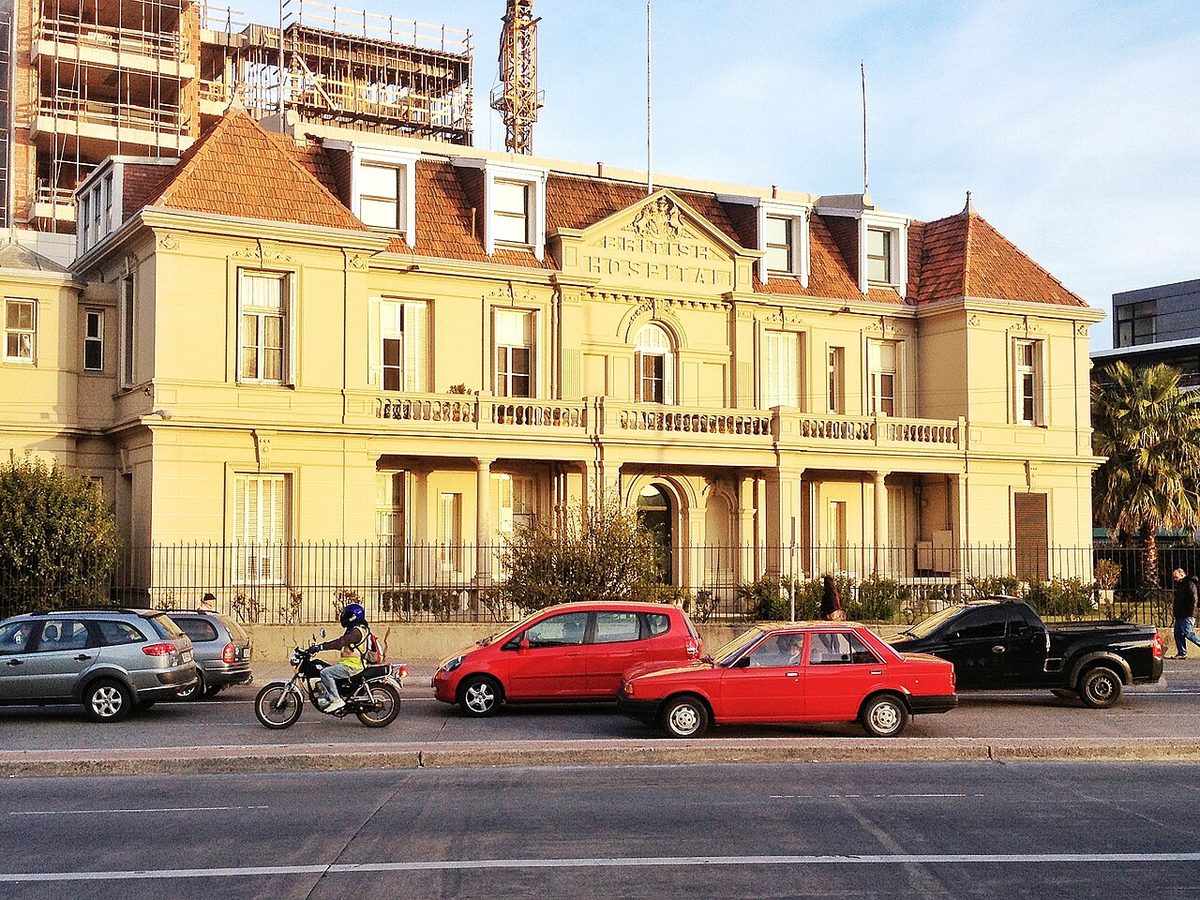
The name foreign visitors hear most is the Hospital Británico (British Hospital), at Avenida Italia 2420 in the Parque Batlle neighborhood. It was founded by the British community back in 1857, runs a 24-hour emergency department, and is used to dealing with international patients and the paperwork insurers want. It is my default suggestion if an English-speaking traveler asks where to go in the capital.
That is not the only option. Montevideo has several strong private hospitals and clinics, and the major mutualistas operate well-equipped facilities of their own. Punta del Este and the larger coastal towns have private clinics and hospitals too, scaled up in the summer season when the population balloons. Wherever you are, the standard of care in a private facility is reassuringly high.
Emergencia movil: the ambulance you can call
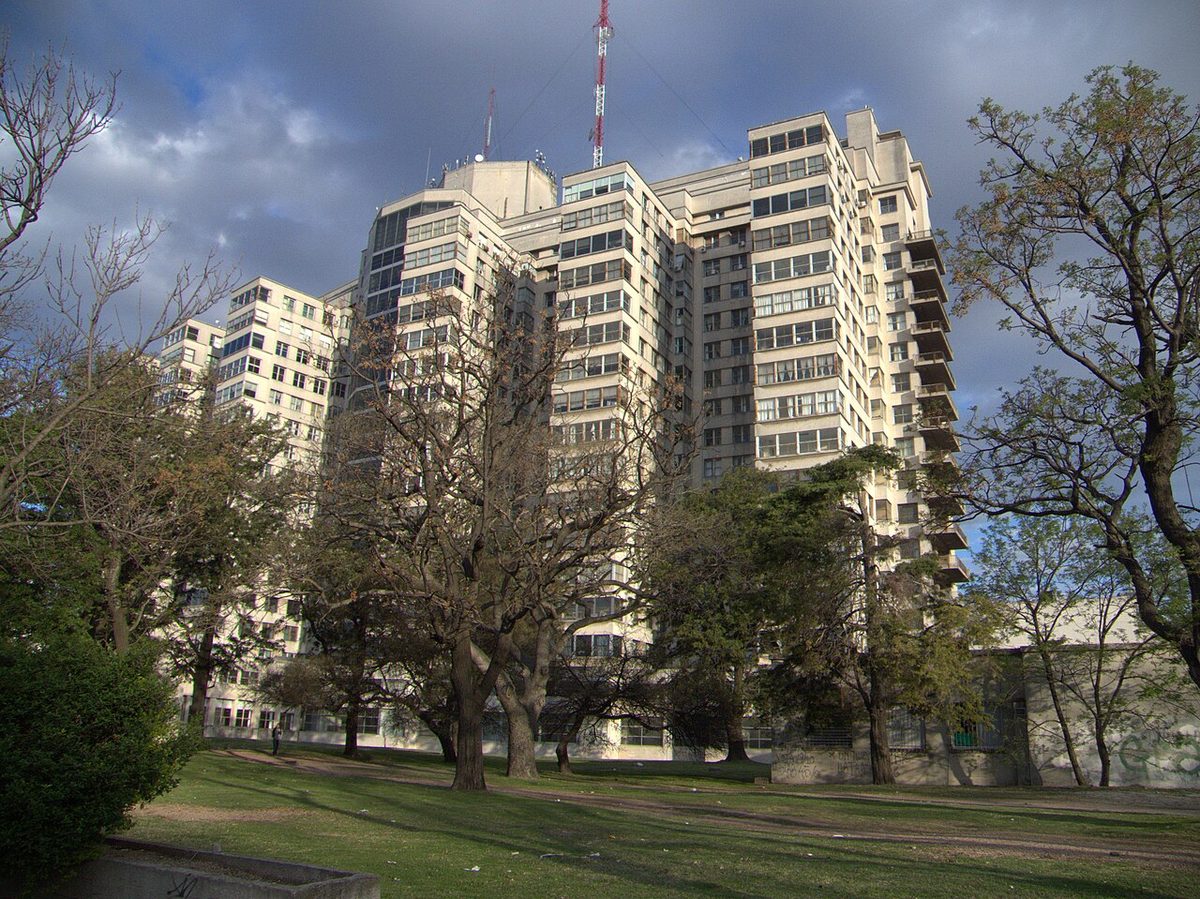
One feature of Uruguayan healthcare genuinely surprised me: emergencia movil, or mobile-emergency services. These are private companies (names like UCM and SEMM) that dispatch a doctor or ambulance to wherever you are, fast, for a fee. Locals subscribe; as a visitor you can still call one and pay per call out. For anything urgent that is not a full-blown crisis, it is often quicker than getting yourself to a hospital.
For an outright emergency, dial 911. It works nationwide and covers police, fire, and ambulance. Keep your insurer’s 24-hour assistance number saved right next to it, because they can often direct you to the right facility and confirm they will pay.
Pharmacies, the sun, and the occasional mosquito
Farmacias
The farmacia (pharmacy) is your first stop for anything minor, and they are everywhere. Pharmacists in Uruguay are knowledgeable and used to giving informal advice for the small stuff — an upset stomach, a cold, a sunburn that has gone too far. In Montevideo and the bigger towns you will find pharmacies open late, and some operate 24 hours on a rotating basis (look for the farmacia de turno, the one on overnight duty).

Two practical notes. Bring enough of any prescription medication to cover your whole trip, in its original packaging, because a specific brand may not be stocked here. And the trade-off with pharmacist advice is that it is convenient but not a substitute for a doctor — great for a headache, not for chest pain.
Sun and heat
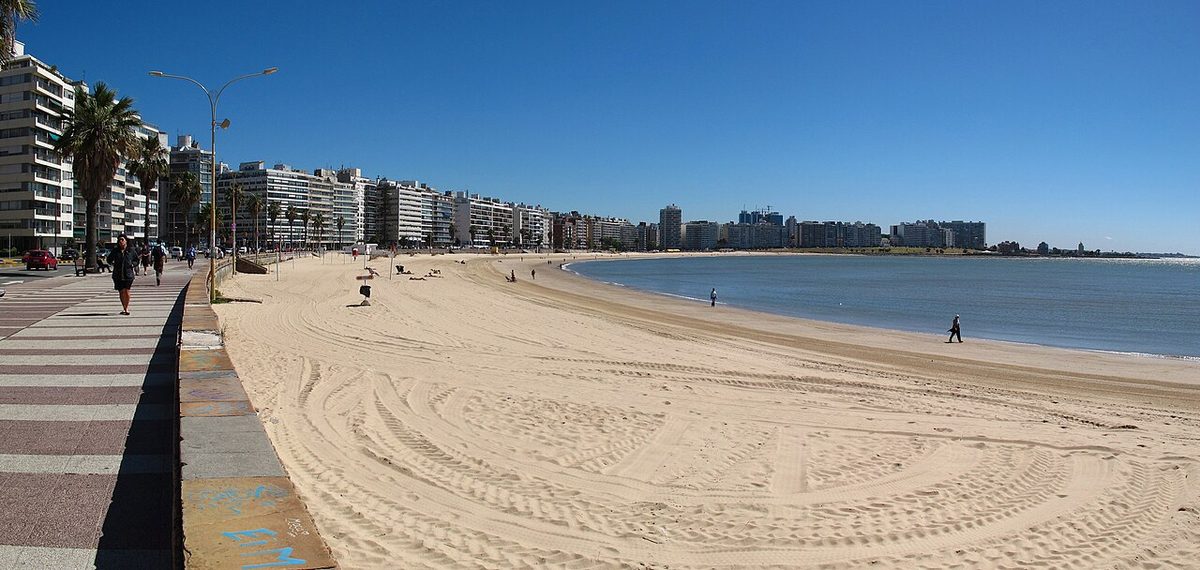
This is the risk most likely to actually affect you, and the one people take least seriously. Uruguayan summer sun, reflected off the Atlantic, is fierce. The latitude and the sea breeze conspire to hide how hard you are burning until it is far too late — see my earlier confession.
Pack and wear real sunscreen, reapply it, and respect the midday hours. Heat and dehydration sneak up on beach days, so drink more water than feels necessary (you can, happily, fill up from any tap). Our Uruguay packing list covers the sun kit season by season, and if you are coming in the hottest months, our guide to Uruguay in summer is worth a read for what the heat is really like.
Mosquitoes and dengue
Mosquitoes are a minor nuisance, not a major threat. Uruguay is malaria-free, full stop. The mosquito that can carry dengue, Aedes aegypti, does exist in the country, and the wider region has seen dengue rise in recent years. Locally acquired cases in Uruguay remain few, but “few” is not “none,” and the Hospital Britanico itself flags it as worth awareness.
The sensible response is mild. In summer, use repellent, especially around dawn and dusk and near standing water. If you come down with a high fever, severe headache, pain behind the eyes, or aching joints after mosquito exposure, see a doctor rather than waiting it out. For most visitors this never becomes more than a few bites.
Before you go: a practical health checklist
What to do in a medical emergency
Keep this simple, because a panicking brain does not process flowcharts. For a serious emergency, call 911. For something urgent but not life-threatening, call an emergencia movil service or head to a private hospital’s emergency department — the Hospital Británico in Montevideo is a safe default.
Then call your insurer’s 24-hour assistance line. Do this early, not after the fact. They can confirm a facility, arrange direct billing where possible, and start the paperwork for anything bigger. Keep every receipt and report; insurance claims live or die on documentation. A photo of each document on your phone is the cheapest insurance habit there is.
What to pack medically
You can buy almost anything here, so pack light but deliberate.
- Any prescription meds for the full trip, in original packaging, plus a copy of the prescription.
- A small kit: pain relievers, antihistamines, motion-sickness tablets, plasters, rehydration sachets.
- Strong sunscreen and after-sun. The single most-used item in my bag here.
- Insect repellent if you are traveling in summer.
- Your insurance policy number and assistance phone number, saved offline and on paper.
For the wider “what to bring” picture, our season-by-season packing guide handles clothes and gear; this is just the medical corner of the suitcase. Traveling alone and weighing the safety side of all this? Our solo travel in Uruguay guide goes deeper there.
One more practical point that is not strictly medical: knowing a little Spanish makes a clinic visit far less stressful. You can absolutely get by in English at a private hospital, but a few phrases help at a pharmacy counter. Our honest take on language in Uruguay and whether you need Spanish is worth five minutes before you fly. And for the broader trip, all of this sits inside our wider Uruguay travel tips, the things to know before you go.
Uruguay travel insurance and health: your questions answered
Do I need travel insurance for Uruguay?
Not by law, as far as current rules show in 2026, but I would not travel without it. A private ER consultation costs USD 150 to 300, a hospital night can top USD 1,000, and a medical evacuation home can exceed USD 50,000. Insurance turns a potentially trip-ending bill into a phone call. Confirm any entry rules with an official source before you fly.
What vaccines do I need for Uruguay?
None are required for most travelers. Yellow fever is only asked for if you arrive from a country where it is present, and Uruguay is not one. Authorities recommend keeping routine vaccines current and often suggest hepatitis A and typhoid. This is general information, not medical advice — see a travel clinic four to six weeks before departure to decide what fits you.
Can you drink the tap water in Uruguay?
Yes. Tap water across Uruguay’s cities and towns is safe to drink, treated by the state utility OSE. Fill your bottle, use ice, brush your teeth normally. In remote rural areas water may come from private wells, so ask locally there. Montevideo had a salty spell during a 2023 drought, but normal supply has long since returned.
Is there malaria or dengue in Uruguay?
There is no malaria in Uruguay at all. Dengue is a small risk: the Aedes mosquito that can carry it lives in the country, and the wider region has seen cases climb, but locally acquired dengue in Uruguay stays rare. Use repellent in summer and see a doctor if you get a high fever with body aches after bites.
Where is the best hospital in Montevideo for tourists?
The Hospital Británico (British Hospital) on Avenida Italia is the usual recommendation for foreign visitors. It runs a 24-hour emergency department and is experienced with international patients and insurance paperwork. Montevideo has other strong private hospitals and mutualista facilities too. For an emergency anywhere in the country, dial 911 for an ambulance.
What is the emergency number in Uruguay?
Dial 911 for police, fire, and ambulance, nationwide. For urgent but non-critical situations, many people call an emergencia movil service, a private company that sends a doctor or ambulance to your location for a fee. Save your travel insurer’s 24-hour assistance number alongside 911 so you can confirm coverage quickly.
Final thoughts
Uruguay is, medically speaking, one of the easiest places I travel. The water is clean, the pharmacies are friendly, the hospitals are good, and nobody is jabbing a needle in your arm at the airport. That ease is part of what makes the country such a quietly great trip.
Buy the insurance anyway. Check your routine shots. Wear the sunscreen you will swear you do not need. Do those three small things and you have handled ninety-nine percent of the health side of a Uruguay trip — leaving you free to worry about genuinely important questions, like how much chivito one person can responsibly eat.
Credits & sources
Sources & further reading
- CDC Traveler’s Health: Uruguay — official US guidance on vaccines and health risks.
- Hospital Británico, Montevideo — the British Hospital’s English-language site.
- US State Department: Your Health Abroad — on overseas medical insurance and evacuation.
Photo credits
All images via Wikimedia Commons: Montevideo Rambla Summer Sun by Ezarate (CC BY-SA 4.0); Ambulancia Emergencia Montevideo by Ganímedes (CC BY-SA 4.0); Vaso Agua Grifo Uruguay by Shixart1985 (CC BY 2.0); Hospital Britanico Montevideo Entrance by Modesty Zuniga Paz (CC BY-SA 3.0); Clinica Privada Montevideo Uruguay by Lanegra666 (CC BY-SA 3.0); Farmacia Montevideo Uruguay Street by Fadesga (CC BY-SA 3.0).

1 comment