Vegetarian & Vegan Travel in the Land of Beef (2026)
The first time I told a Uruguayan waiter I didn’t eat meat, he paused, looked at me with something close to sympathy, and said, “But why?” He wasn’t being rude. He genuinely could not work it out. This is a country where the smell of grilling beef drifts down residential streets on a Sunday, where a family barbecue is a near-sacred ritual, and where “I’m vegetarian” lands roughly the way “I don’t drink water” would.
So let me be honest with you straight away. Finding vegetarian food in Uruguay takes a little planning, because this is a place utterly devoted to its parrilla (the wood-fired grill at the heart of the national diet). That is the one real drawback of a country this committed to beef.
But planning is all it takes. I’ve spent weeks eating happily without beef in Montevideo, on the coast, and in small inland towns, and I’ve never gone hungry. You just need to know what to order, where to look, and a couple of phrases.
Vegetarian food in Uruguay is genuinely available but underdeveloped compared with the meat scene: in cities like Montevideo you’ll find dedicated vegan and vegetarian restaurants plus reliable everyday staples (pizza, pasta, empanadas de verdura, tartas, salads), while rural areas lean heavily on self-catering and a handful of menu standbys. It is harder here than in, say, Buenos Aires or a big European city. It is also more doable than the country’s beef reputation suggests.
Who this guide is for
I’ve written this for travelers who eat vegetarian or vegan and want a candid, practical picture rather than a cheerful “you’ll be fine!” hand-wave. Some of you are strict; some flex a little while traveling. I’ll flag what works for each.
You’ll get the honest cultural reality, the everyday dishes that are reliably meat-free, how to survive an actual asado as the only non-meat-eater in the room, where to eat in Montevideo and on the coast, supermarket and self-catering tips, and the Spanish you’ll want. For the meaty side of the story, our guide to Uruguayan food and the dishes you have to try covers the full picture, and there’s a companion on Uruguayan drinks if you want to know what to put in your glass.
Vegetarian food in Uruguay at a glance
Here’s the cheat sheet I wish I’d had on day one. “Reliable” means you can usually order it almost anywhere; “check” means it’s often meat-free but worth confirming.
| Dish | Veg or vegan? | Where to find it |
|---|---|---|
| Pizza & fainá (chickpea flatbread) | Vegetarian; fainá often vegan | Pizzerías everywhere |
| Pasta (ravioles, ñoquis, fideos) | Vegetarian (check the sauce & filling) | Most restaurants, trattorias |
| Empanadas de verdura (vegetable) | Usually vegetarian (cheese/egg) | Bakeries, kiosks, cafés |
| Tarta / torta de verdura (savory tart) | Vegetarian (egg & cheese) | Panaderías, rotiserías |
| Milanesa de soja (soy cutlet) | Vegetarian; sometimes vegan | Menús del día, cafés |
| Ensalada mixta / rusa | Mixta vegan; rusa has mayo | Parrillas, any restaurant |
| Provoleta / grilled cheese, grilled veg | Vegetarian | At the parrilla |
| Dulce de leche, alfajores, fruit | Vegetarian; fruit vegan | Everywhere |
The honest reality: this is beef country
Numbers tell the story better than I can. Uruguayans eat more beef per capita than almost anyone on earth, somewhere around 100 kilos a year, and the cattle industry is woven into the economy, the landscape and the national self-image. When locals say food, a lot of them mean meat.
Because of that, vegetarianism still reads as slightly eccentric to an older generation. A long-running joke holds that a Uruguayan who skips meat is like a fish that won’t swim. You may get the puzzled-waiter moment I described. Take it in good humor; nobody means harm by it.
Practically, the trap to avoid is what I call the pizza-fainá-and-fries rut. If you don’t make an effort, you can end up eating the same three beige things every day, because they’re the obvious meat-free defaults. The good news is that the actual range is much wider, and a vegetarian census run by Uruguay’s vegetarian union recorded thousands of members, so you’re far from alone. Cities are changing fast. You just have to order with a bit of intent.
One structural quirk worth knowing: many Uruguayans eat their main meal at lunch, and the menú del día (set lunch) is where you’ll often find the cheapest meat-free plate, sometimes a milanesa de soja or a tarta. Read the menu for these. If stretching your budget in Uruguay matters to you, lunch is your friend.
Dishes that reliably work
This is the heart of eating well here. Once you know the staples, the country opens up.
Pizza and fainá
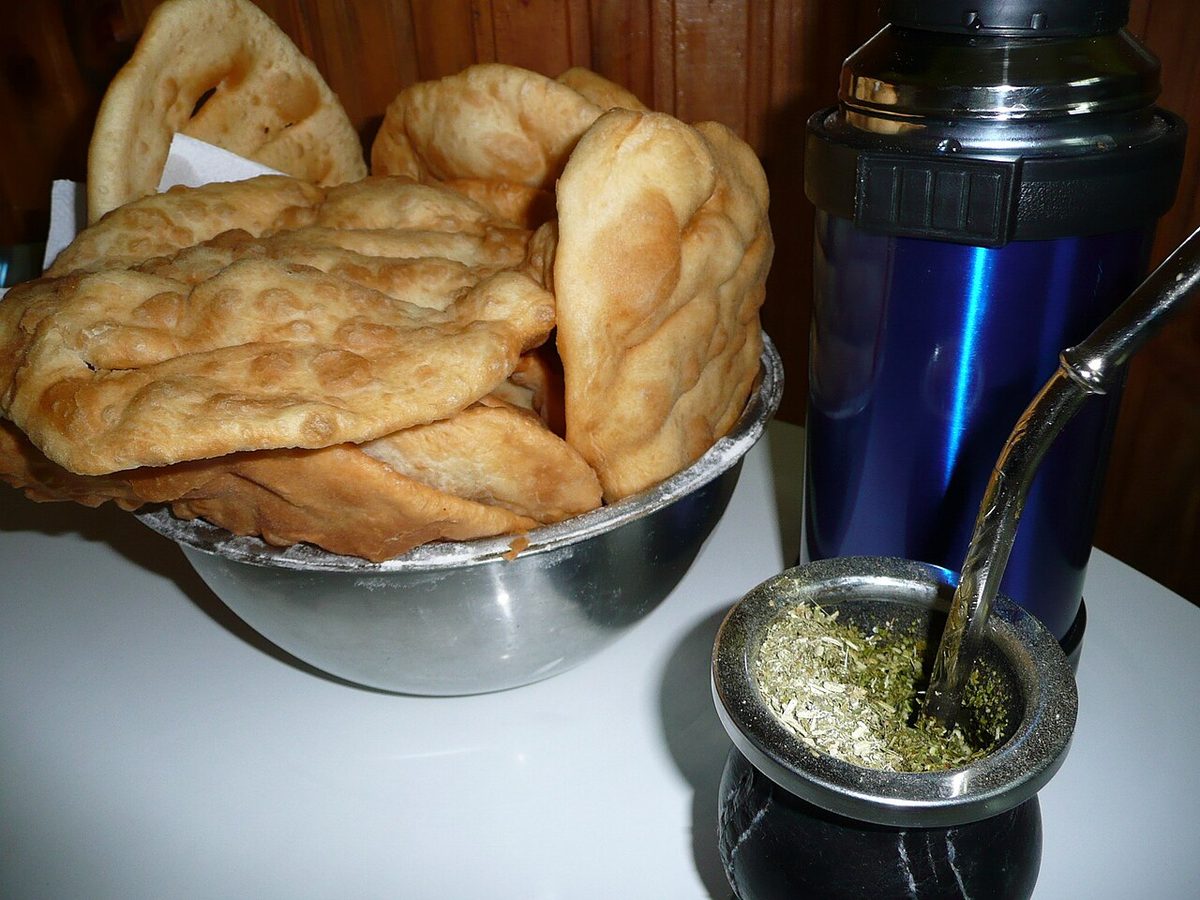
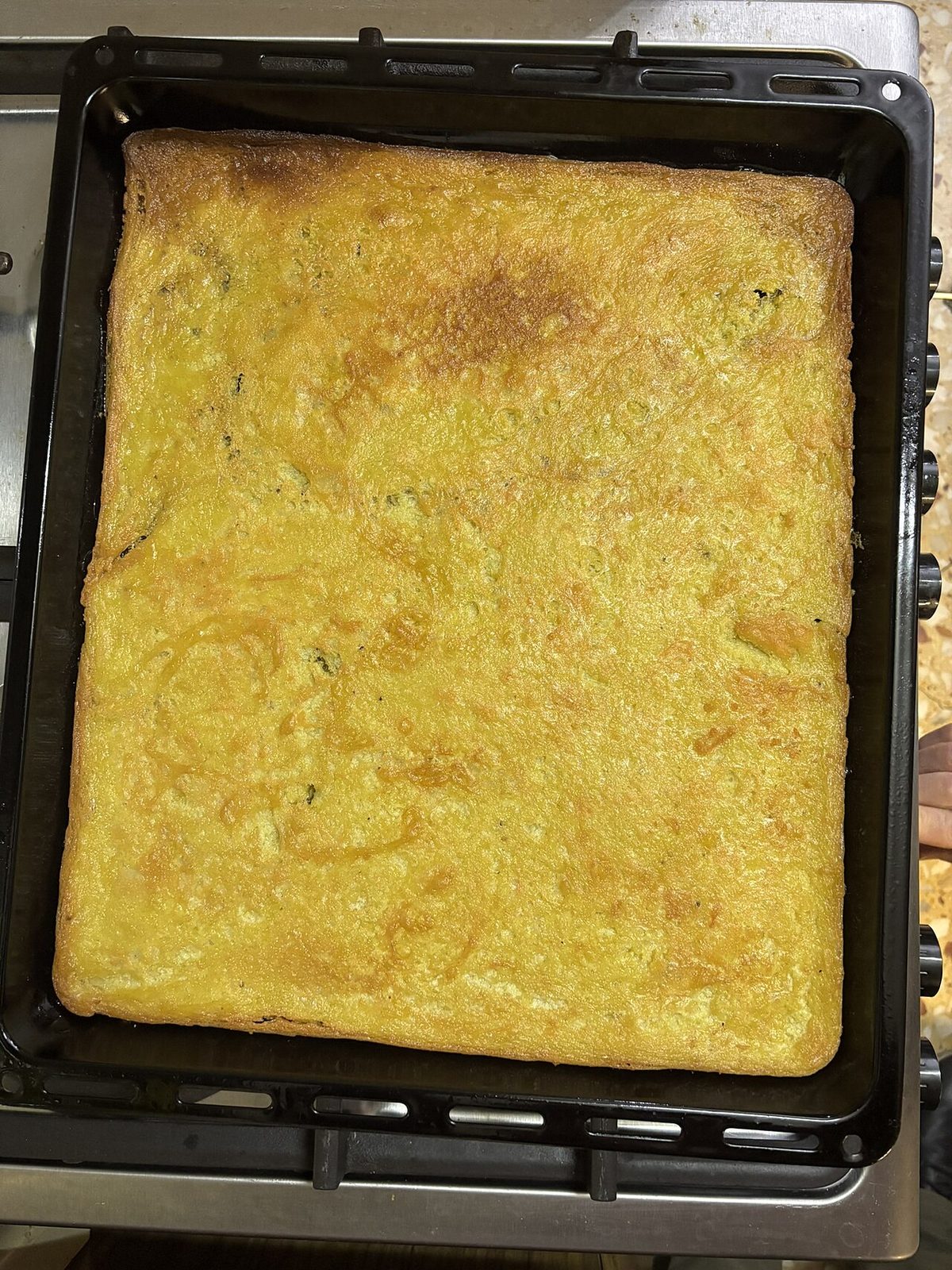
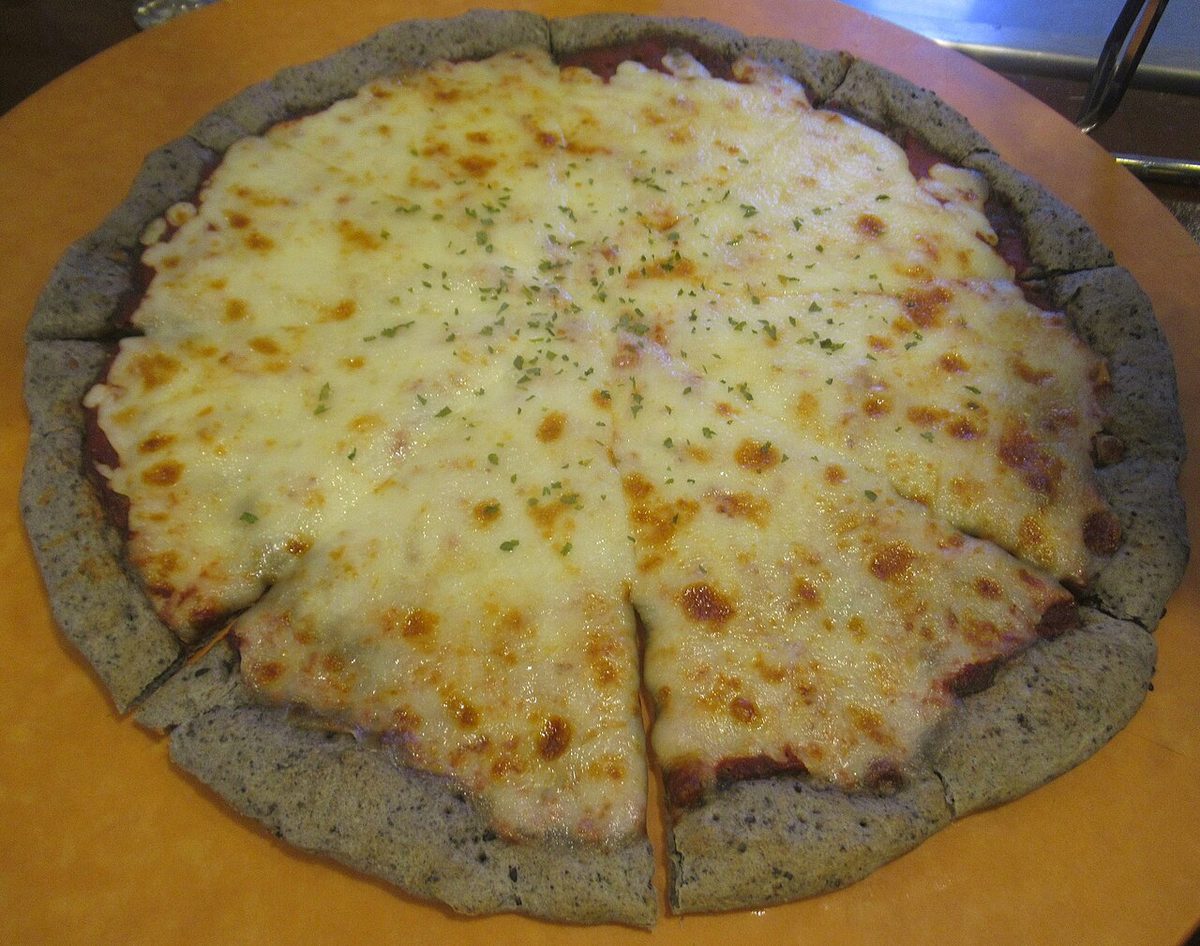
Uruguayan pizza is its own thing, heavy on muzzarella (the local spelling of mozzarella) and often eaten with a wedge of fainá, a thin baked flatbread made from chickpea flour and olive oil. Order them stacked together, “a caballo,” and you’ve got a cheap, filling, meat-free meal. Fainá is usually vegan. A plain muzzarella pizza is vegetarian. One caveat: ask them to hold the jamón (ham) and anchovies, which sneak onto “house” pizzas.
Pasta
Italian immigration runs deep, and pasta is everywhere. Ravioles and ñoquis (gnocchi) with a tomato (salsa) or pesto sauce are dependable. The catch: the default ravioli filling is often ricotta y verdura (fine for vegetarians) but can be meat, and a “salsa” may be a meat ragù. Ask “¿el relleno es de verdura?” (is the filling vegetable?).
Empanadas and tartas
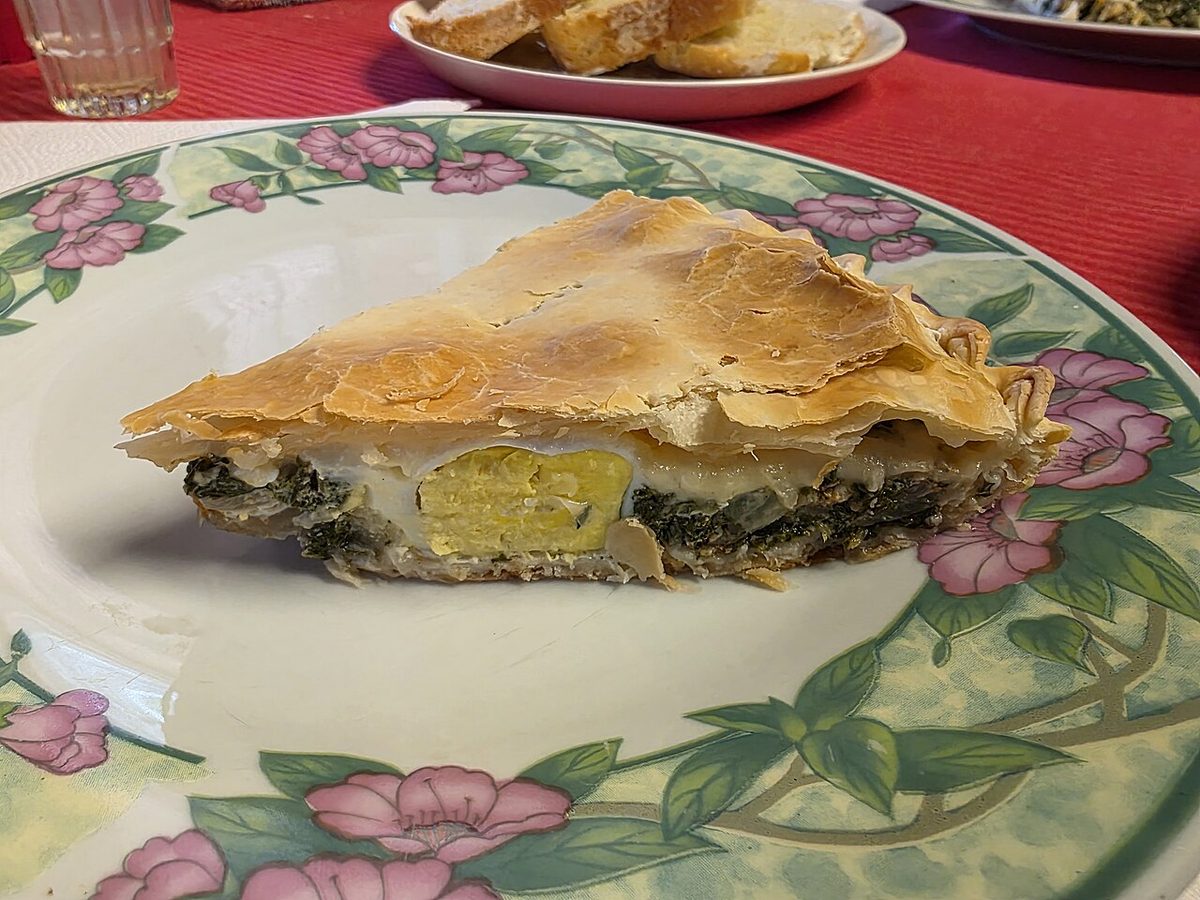
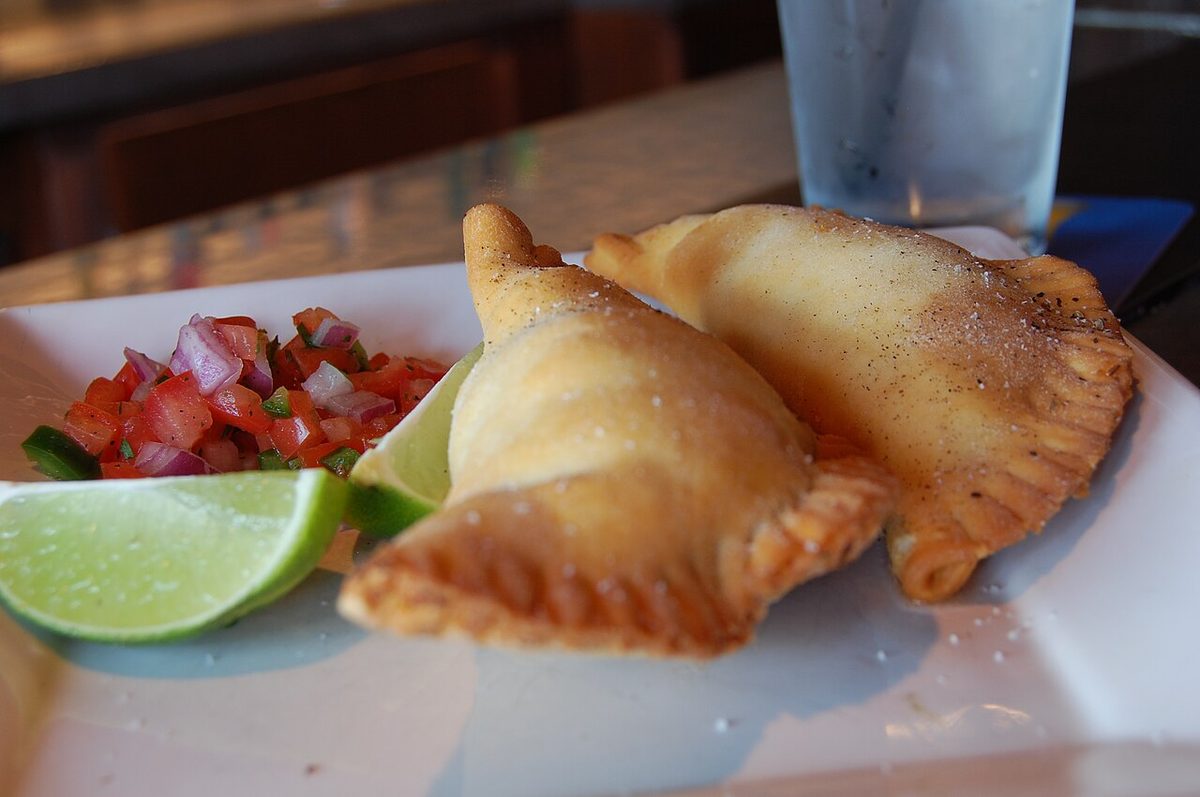
An empanada de verdura is a baked or fried pastry filled with spinach or chard and usually cheese, and it’s one of the most widely available meat-free snacks in the country. Its bigger cousin is the tarta (a savory open tart, often spinach-and-egg or onion-and-cheese), sold by the slice in bakeries and rotiserías. Both are vegetarian rather than vegan because of the egg and cheese. They travel well, too, which makes them perfect for a bus journey.
Milanesa de soja
The milanesa is a breaded cutlet, normally beef or chicken, and it’s a Uruguayan obsession. The vegetarian version, milanesa de soja, is a soy-based breaded cutlet that turns up on a surprising number of menus, often in a sandwich or with mashed potato. It’s not haute cuisine, but it’s hot, filling and genuinely everywhere. Confirm it’s not fried in the same oil if that matters to you.
Cheese, salads and eggs
Vegetarians who eat dairy and eggs do well. Provoleta (a thick disc of grilled provolone) is a parrilla classic. Ensalada mixta (lettuce, tomato, onion) is vegan and on every menu; ensalada rusa (potato salad) is vegetarian but bound with mayonnaise. Tortillas (thick potato omelets) and buñuelos de acelga (chard fritters) show up in cafés. None of it is fancy, but it adds up to real meals.
Desserts and fruit
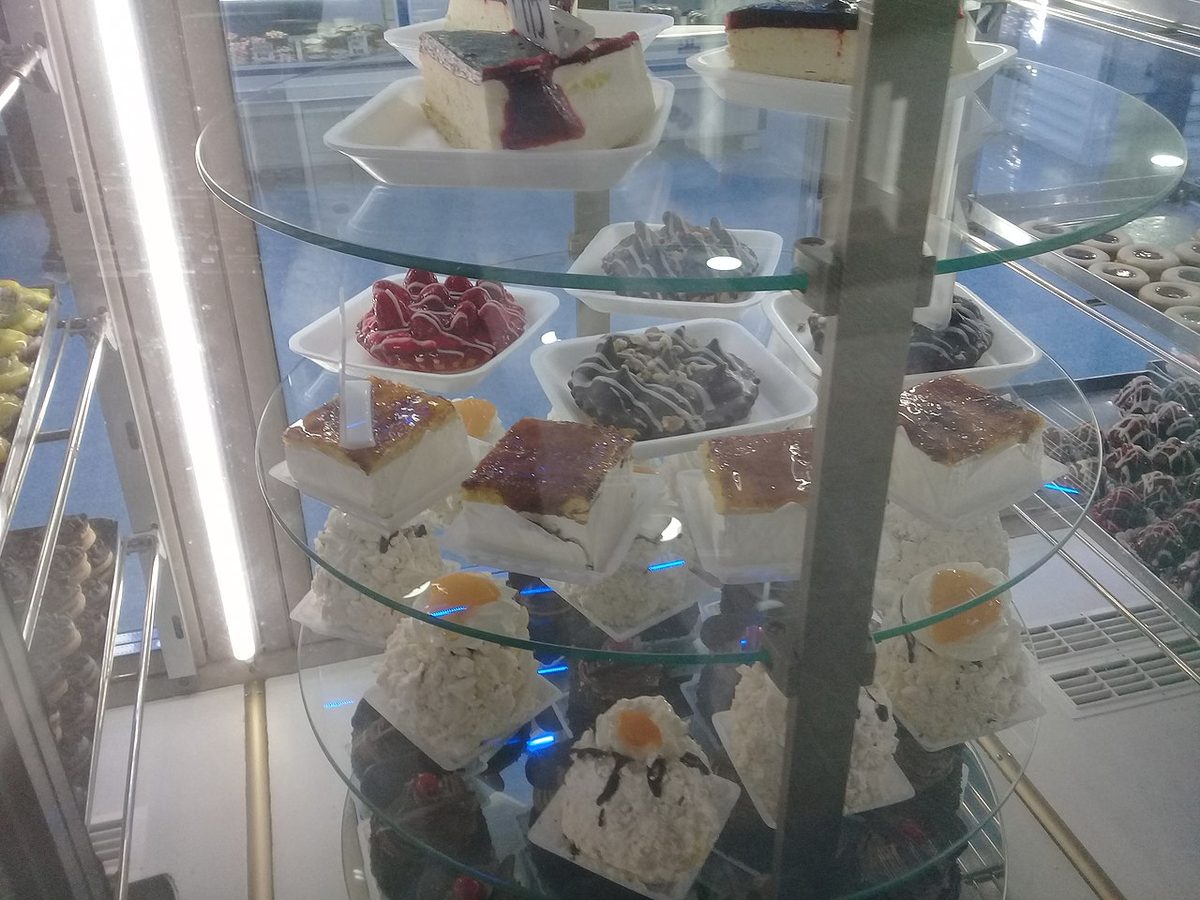
Here the beef country quietly excels. Dulce de leche (a thick caramelized-milk spread) goes into everything, alfajores (dulce-filled cookie sandwiches) are vegetarian, and fresh fruit is excellent and cheap in season. Our guide to Uruguayan desserts goes deeper, but know that most are vegetarian; strict vegans will need to watch for milk and egg.
How to survive a parrilla as a vegetarian
Sooner or later you’ll end up at a parrilla (a grill restaurant) or be invited to an asado (a home barbecue). Don’t panic, and don’t refuse the invitation. Asado is how Uruguayans show affection, and turning it down reads as cold. You can absolutely go and eat well.
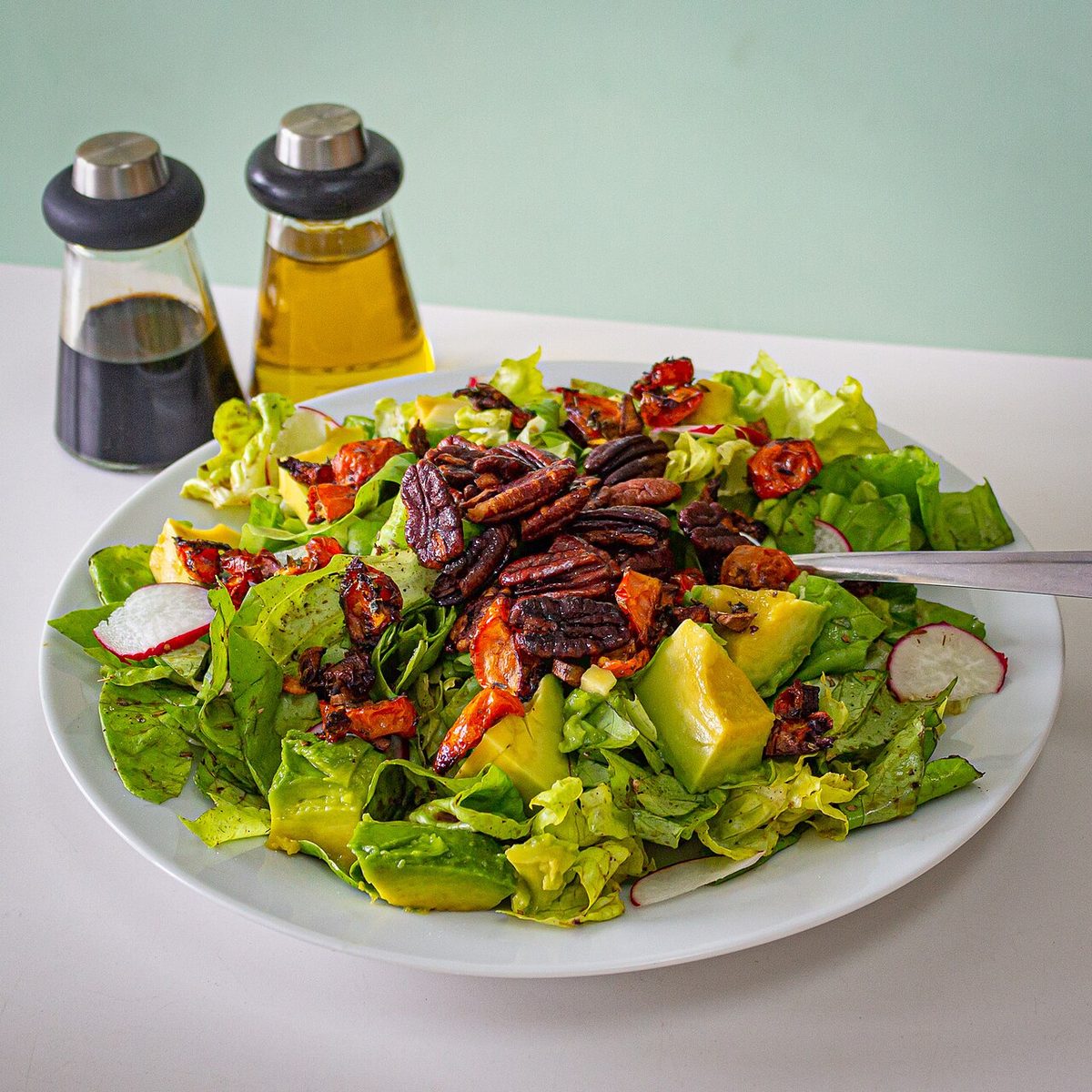
At a restaurant parrilla, build a meal from the sides and starters, which are often the best part anyway. Provoleta, grilled vegetables (verduras a la parrilla), grilled morrón relleno (a roasted red pepper stuffed with cheese, just ask them to leave out the ham), papas (potatoes), a mixed salad, and bread will leave you full. Many parrillas also run a pasta or risotto on the menu for exactly this reason.
For a home asado, the social move is to flag it early and gently. Tell the host a day ahead if you can, not at the moment the meat hits the plate. Uruguayans are hospitable and will often grill you provoleta, vegetables or a tortilla, but they need warning, because the fire and the cuts are planned in advance. Offering to bring a dish yourself, a tarta or a big salad, is appreciated and quietly solves the problem.
One honest drawback: even grilled vegetables sometimes share the grill with meat, and a vegan asado is genuinely hard to pull off in a traditional setting. If you’re strict vegan, eat beforehand and treat the asado as a social event rather than a meal. For the full ritual and why it matters, see our piece on asado in Uruguay.
Vegetarian and vegan restaurants in Montevideo
Montevideo is where meat-free eating actually gets fun. The capital has a real, if compact, scene of dedicated vegan and vegetarian spots, plus countless cafés and bakeries with strong options. I won’t pretend it rivals a big northern-hemisphere city, but it has grown a lot, and HappyCow lists dozens of entries.
A few orientation notes rather than a rigid list, because places open and close and I’d rather you arrive informed than disappointed by an outdated address. Always sanity-check current hours and location before you go.
Where to look
The densest cluster sits in and around Cordón and Centro, the student-ish, walkable middle of the city, with more in Pocitos and Ciudad Vieja. You’ll find long-running vegetarian buffets (pay-by-weight tenedor libre spots where you load a plate from a hot table), dedicated vegan cafés doing burgers, bowls and cakes, and a vegan taquería or two. Categories you’ll see repeatedly: vegetarian buffet/rotisería, vegan burger joint, plant-based bakery, and the all-day health café.
The Mercado Agrícola
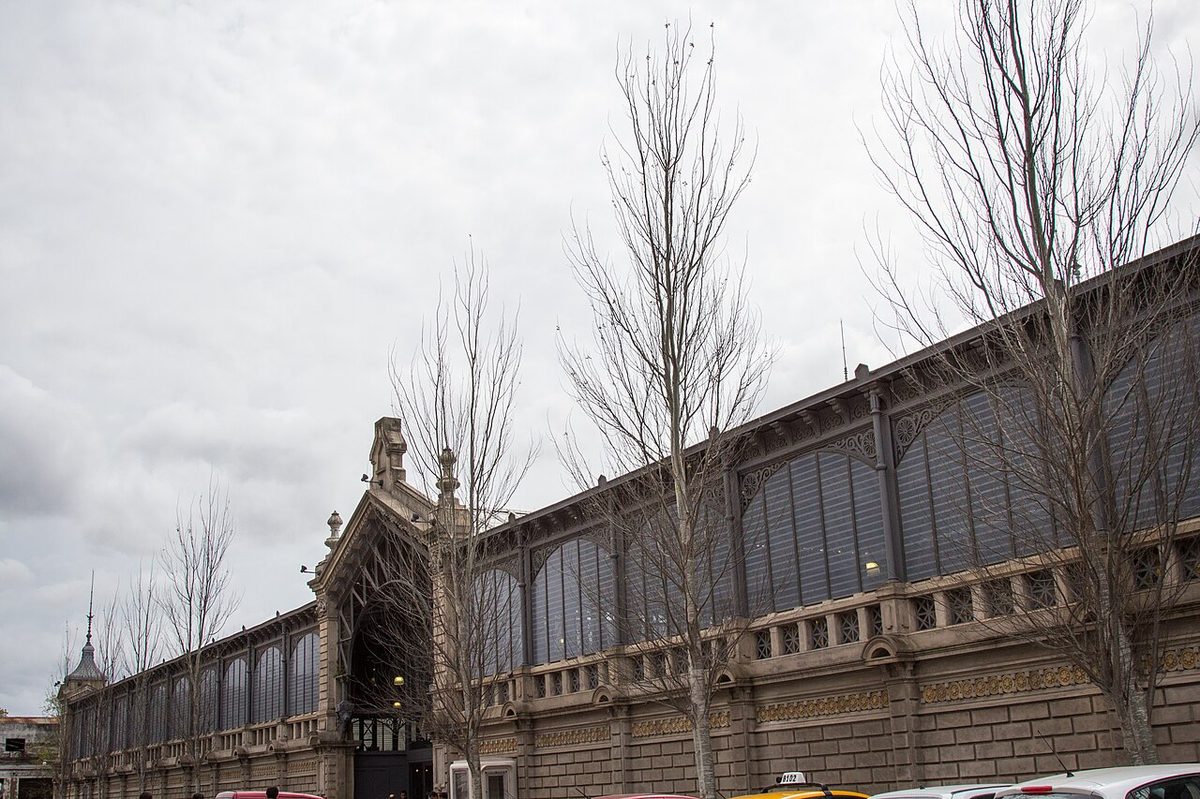
My single favorite tip for Montevideo is the Mercado Agrícola de Montevideo (the MAM), a restored market hall full of produce stalls, bakeries and food counters. Even if a specific restaurant has closed, a covered market like this always yields a meat-free plate, fresh fruit, cheese, bread and juice. It’s also just a good place to be. For more on eating in the capital generally, our roundup of the best restaurants in Montevideo and the broader things to do in Montevideo guide are worth a look. The famous Mercado del Puerto is a temple of beef, but even there you’ll find salads, provoleta and grilled vegetables if you’re dining with carnivorous friends.
A realistic expectation
The drawback in Montevideo isn’t quality, it’s hours. Many of the best vegetarian buffets are lunch-focused and close early evening, and Uruguayan dinner runs late (9pm onward). Plan your big meat-free meal for midday, the way locals do, and keep a backup for night.
The coast, Punta del Este and small towns
Outside the capital, the picture is patchier but far from bleak. Punta del Este, the glossy summer resort, has the most options after Montevideo, with health-leaning cafés, juice bars, poke and bowl spots, and upscale restaurants that take dietary requests seriously, especially in season. In high summer the smart kitchens of Punta and José Ignacio cater to a moneyed, health-conscious crowd, which works in your favor. Our guide to restaurants in Punta del Este has the lay of the land.
Smaller beach towns and inland villages are where you lean on the staples. A pizzería, a bakery and a supermarket exist almost everywhere, so pizza-and-fainá, empanadas de verdura, tartas and salads remain reachable. The honest drawback is variety: you may eat the same handful of things for a few days. That’s where self-catering earns its keep.
One reassurance for the nervous: Uruguay is small, distances are short, and you’re rarely more than a couple of hours from a town with proper options. A little trip planning smooths the gaps.
Supermarkets and self-catering
If your accommodation has a kitchen, even a kettle and a fridge, you’ve solved most of the problem. Uruguayan supermarkets (Tienda Inglesa, Disco, Devoto, Ta-Ta and the like) are well stocked for a vegetarian.
What I reliably buy: fresh vegetables and fruit, eggs, a strong range of cheeses, dried pasta and rice, lentils and chickpeas (legumes are common), bread, olive oil, and snacks. Plant-based milks, tofu and meat substitutes have arrived but are pricier and more limited than at home, so vegans should stock up in Montevideo before heading rural. The neighborhood feria (an open-air street market, held on set days) is the best and cheapest place for produce, and half the fun of a morning in any Uruguayan town.
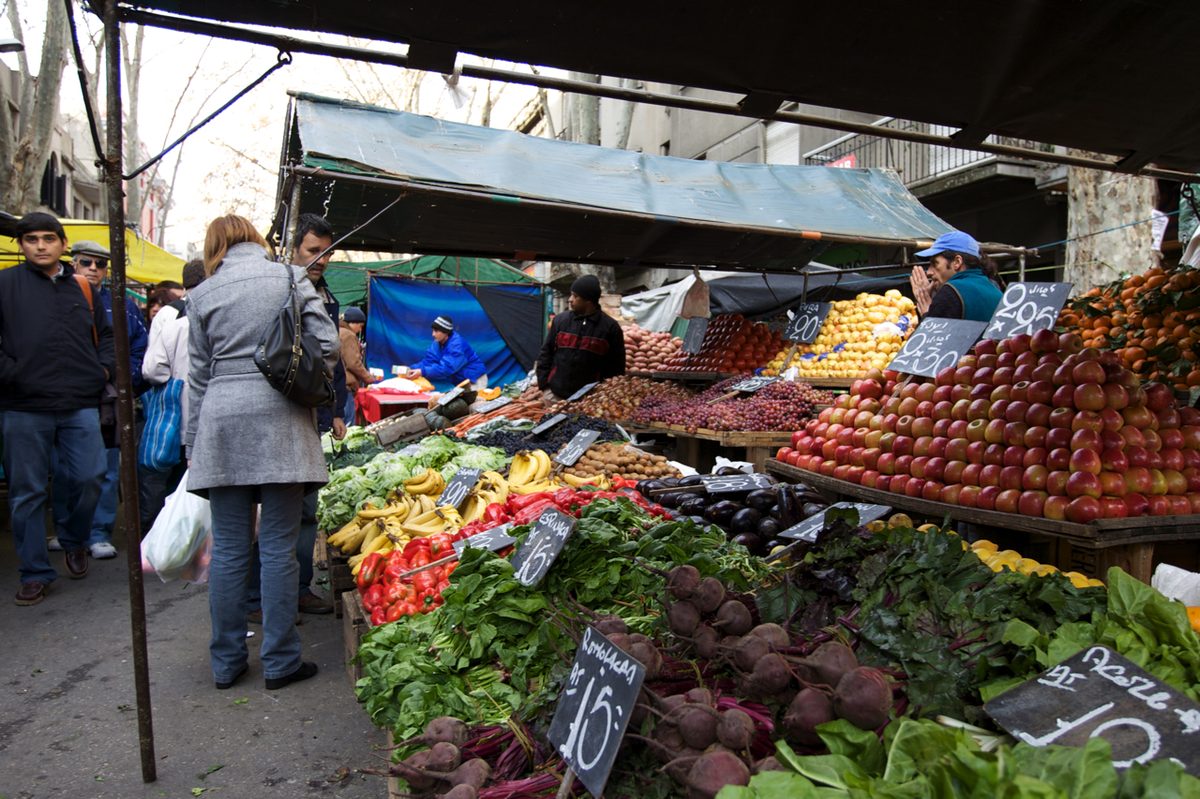
For self-caterers, the combination of a feria haul, good cheese, eggs and pasta means you eat better than most restaurants would serve you, for a fraction of the price.
A few no-cook meals I fall back on constantly: bread with sliced tomato, good olive oil and cheese; a tub of olives with a couple of empanadas de verdura from the corner bakery; fruit and yogurt for breakfast; or a picnic of provolone, bread and a chunk of membrillo (quince paste) that keeps for days without a fridge. If you do have a stove, lentil stew, pasta with tomato, or fried egg over rice each take ten minutes and cost almost nothing. The point is that even with the most basic kitchen, you’re never stuck, and you sidestep the restaurant lottery entirely on the days you’d rather not gamble.
The Spanish you’ll actually use
You don’t need fluent Spanish, but a few exact phrases remove almost all the friction. Memorize these.
| Spanish | Meaning |
|---|---|
| Soy vegetariano / vegetariana | I’m vegetarian (m / f) |
| Soy vegano / vegana | I’m vegan (m / f) |
| Sin carne, por favor | Without meat, please |
| ¿Tiene algo sin carne? | Do you have anything without meat? |
| ¿Esto lleva carne / pollo / jamón? | Does this have beef / chicken / ham? |
| Sin queso / sin huevo | Without cheese / without egg (key for vegans) |
| ¿El relleno es de verdura? | Is the filling vegetable? |
One crucial gotcha: in Uruguay, carne usually means red meat specifically, so “sin carne” may still get you chicken or ham. Spell it out, “sin carne, sin pollo, sin jamón.” And caldo (broth) in soups and rice is often meat-based; ask. If you want to go deeper, our notes on what Uruguay is known for include the food culture you’re navigating.
Vegan vs vegetarian: who has it harder, plus gluten-free
Lacto-ovo vegetarians (dairy and eggs are fine) have a genuinely easy time. Cheese, eggs, pasta, pizza, tartas and empanadas carry you through, and most menus have something workable.
Vegans face the real challenge, because Uruguayan cooking leans hard on cheese, egg, butter and dulce de leche. You’ll be fine in Montevideo and Punta del Este, but rural dining gets thin. Lean on fainá (vegan), mixed salads, fruit, legumes and self-catering, carry snacks, and learn “sin queso, sin huevo, sin manteca” (manteca is butter).
Gluten-free travelers should note that fainá (chickpea), rice, potato, polenta, eggs and most salads are naturally gluten-free, while pizza, pasta, empanadas, milanesas and bread are not. “Sin gluten” / “soy celíaco/a” is understood, and larger supermarkets stock sin TACC (gluten-free) products.
Vegetarian food in Uruguay: your questions answered
Is it hard to be vegetarian in Uruguay?
Harder than in many countries, but far from impossible. The culture is built around beef, so meat-free eating takes intent. In Montevideo and Punta del Este you’ll find dedicated restaurants and easy options; in small towns you lean on pizza, fainá, empanadas de verdura, tartas, salads and self-catering. Plan ahead and you’ll eat well.
What can vegans eat in Uruguay?
Vegans should build meals around fainá (chickpea flatbread, usually vegan), mixed salads, fruit, legumes, rice and dishes from Montevideo’s vegan cafés. The challenge is dairy and egg, which appear everywhere. Carry snacks for rural travel, learn “sin queso, sin huevo, sin manteca,” and stock up on plant-based products in the capital before heading inland.
What’s a typical vegetarian dish in Uruguay?
The milanesa de soja, a breaded soy cutlet, is the closest thing to a vegetarian staple, alongside empanadas de verdura (spinach-and-cheese pastries) and tarta de verdura (a savory vegetable tart). Pizza with fainá is the everyday default. None are gourmet, but all are widely available and genuinely filling.
Are there vegan restaurants in Montevideo?
Yes. Montevideo has a small but real cluster of vegan and vegetarian restaurants, concentrated around Cordón, Centro and Pocitos, including pay-by-weight vegetarian buffets, vegan burger and taco spots, and plant-based bakeries. HappyCow lists current options. Many are lunch-focused and close early, so plan your main meat-free meal for midday.
How do I say I’m vegetarian in Uruguay?
Say “soy vegetariano” (or “vegetariana” if you’re a woman), or “soy vegano/a” for vegan. Useful follow-ups: “sin carne, por favor” and “¿tiene algo sin carne?” Crucially, carne often means red meat only, so add “sin pollo, sin jamón” (no chicken, no ham) to be safe.
Can I eat at an asado as a vegetarian?
You can, with notice. At a restaurant parrilla, order provoleta, grilled vegetables, stuffed peppers, salad and pasta. At a home asado, tell the host in advance, not at the table, and offer to bring a tarta or salad. A fully vegan asado is hard in a traditional setting, so eat beforehand if you’re strict.
Final thoughts
Would I tell a committed vegan that Uruguay is an effortless food destination? No, and I’d distrust any guide that did. The country’s heart beats over a wood fire, and that’s part of what makes it special.
What I will say, after plenty of meals here, is that eating vegetarian food in Uruguay is a solved problem once you know the moves. Learn the staples, lean on Montevideo and the markets, carry a few phrases, and embrace the ferias and the cheese and the dulce de leche. You’ll eat simply, often cheaply, and sometimes surprisingly well, in one of the warmest-hearted countries I know.
Credits & sources
Sources & further reading
- HappyCow: vegan & vegetarian restaurants in Montevideo (current listings and reviews)
- The Veganary: vegan travel guide to Uruguay (local food, vocabulary and product availability)
- Vegetarians in Uruguay (background on the local vegetarian scene and culture)
Photo credits
All images via Wikimedia Commons: Faina Uruguay by Fadesga (CC BY-SA 4.0); Tarta De Verdura by Horacio Cambeiro (CC BY 3.0); Ensalada Mixta by FranHogan (CC BY-SA 4.0); Mercado Agricola Montevideo by Romerito Pontes from São Carlos (CC BY 2.0); Pizza Muzzarella Uruguay by CNEcija12345 (CC BY-SA 4.0); Feria Vegetables Montevideo by Jimmy Baikovicius from Montevideo, Uruguay (CC BY-SA 2.0); Empanadas De Verdura by stu_spivack (CC BY-SA 2.0).