La Paloma: Surf, Whales & the Lighthouse (2026)
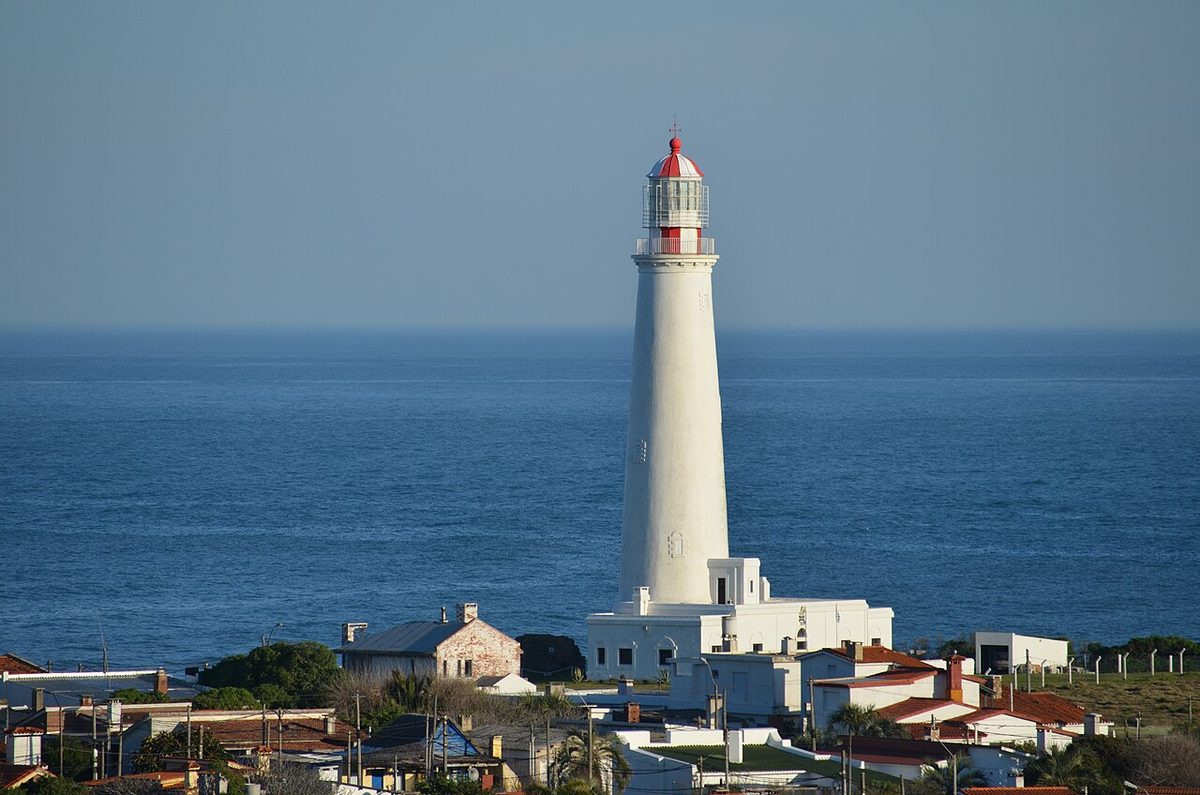
The first time I climbed the lighthouse at La Paloma, I made the mistake of doing it at 4pm on a windy October afternoon. By the time I reached the open platform at the top, the gusts were strong enough that I gripped the railing with both hands and laughed at myself. Below me the whole peninsula spread out: the little port to the east, the rocky shelf of La Balconada to the west, and past the breakers a dark shape that a fisherman beside me confirmed was a southern right whale. I have been back to La Paloma Uruguay five times since. It is that kind of town.
La Paloma Uruguay is a surf-and-family beach town on a small peninsula in the department of Rocha, about 230 kilometres east of Montevideo. It is best known for the Cabo Santa Maria lighthouse, a clutch of beaches that each have a distinct character, dependable year-round surf, and the chance to watch southern right whales from the shore between roughly July and October. It is more developed and family-friendly than its wilder neighbours.
I want to be useful rather than breathless about it, so here is the honest version of the place, built from several visits and cross-checked against local sources.
What this covers
This is a guide to one specific town. I will walk through the Cabo Santa Maria lighthouse and whether it is worth climbing, a beach-by-beach rundown with frank notes on which are good for swimming and which are not, the surf scene and where to take a lesson, how and when to watch whales from the coast, and where I would actually eat and sleep. I will also tell you who La Paloma suits and who would be happier an hour up the coast.
La Paloma sits inside the wider region of Rocha, Uruguay, which is worth reading about if you want the bigger picture of this wild eastern coast. I will link to its siblings as we go rather than re-explaining them here.
| At a glance | Details |
|---|---|
| Where | Rocha department, eastern Uruguay; a small peninsula on the Atlantic |
| From Montevideo | Around 230 km by road; roughly 3h40 by direct bus (Rutas del Sol from Tres Cruces), about USD 16 to 25 |
| Best for | Families, learner-to-intermediate surfers, off-season quiet, coastal whale watching |
| Signature sight | Cabo Santa Maria lighthouse (inaugurated 1874, around 34 m, climbable) |
| Whale season | Roughly July to October; first sightings sometimes from April, into November |
| Surf | Year-round beach breaks; biggest swells autumn to spring; schools at most beaches |
| Peak season | December to February (Uruguayan summer); quiet and partly shuttered the rest of the year |
| One honest drawback | More built-up and less “wild” than La Pedrera or Punta del Diablo; several beaches are rocky for swimming |
The Cabo Santa Maria lighthouse: the town’s anchor
Every photo you have seen of La Paloma probably has the lighthouse in it, and there is a reason for that. The Faro Cabo Santa Maria is the symbol of the town, a whitewashed cylindrical tower with a red-and-white striped cupola standing on the headland where the peninsula meets the Atlantic. It is one of the tallest lighthouses in Uruguay, rising about 34 metres above its base and roughly 42 metres above the sea.
What I did not know on my first visit is that it has a grim origin story. The government granted the concession to build it in 1870, and in April 1872, when the tower had already reached its full height and the inauguration was being planned, it collapsed in on itself and killed the workers inside. It was rebuilt and finally inaugurated on 1 September 1874. In 2024 it quietly turned 150. You stand at the bottom looking up and that history does change how the thing feels.
Climbing it: the practical bits
You can climb the lighthouse, and you should. It is a spiral staircase of 143 steps to the top, where you step out onto a narrow open-air balcony. From up there you look east to Bahia Grande and the port, and west along La Balconada and the town’s central beaches. On a clear day it is the single best orientation you can get to how La Paloma is laid out.
A few things worth knowing before you go. The lighthouse keeps short hours and is typically open Thursday to Sunday, roughly 10am to 1pm and 2pm to 5pm, so it is easy to turn up on a Monday and find the door shut. Entry is cheap, around 35 Uruguayan pesos, but it is cash only and in pesos, so bring coins. Children under 8 are not allowed up, and there is a 20-minute cap on the balcony when it is busy. There is free parking right beside it, and it is only about a ten-minute walk from the town centre.
The honest drawback: the staircase is tight and steep, the balcony is small, and on a windy day, which is most days here, the top is genuinely buffeting. If you are nervous about heights or narrow spiral stairs, this may be a “photograph from the base” situation rather than a climb. There is no lift.
La Paloma beaches: a beach-by-beach guide
One thing to understand about La Paloma beaches is that the peninsula points out into the ocean, so you get coastline facing several different directions within a short walk or drive. That means on any given day one beach can be flat and glassy while another, two minutes away, is getting pounded by surf. It is the town’s best feature, and it rewards anyone willing to walk a bit to find the conditions they want.
La Balconada: the sunset beach
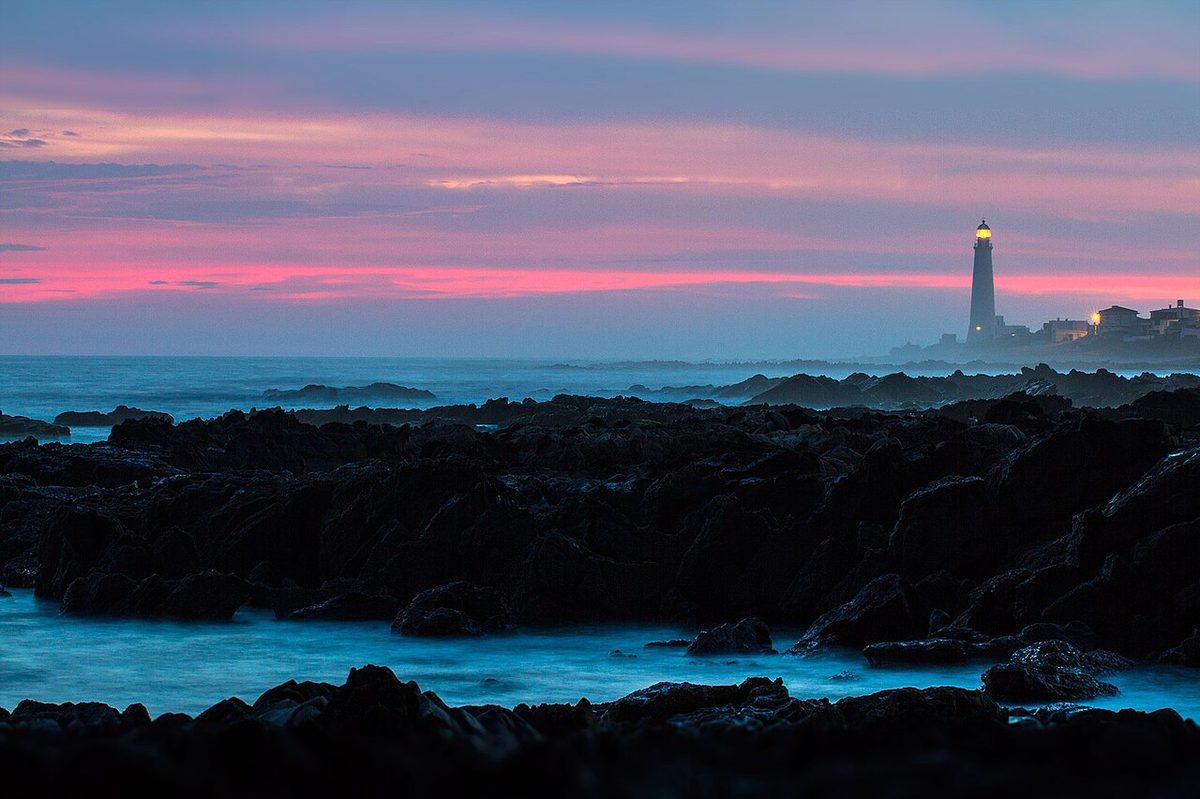
La Balconada sits just to the west, to the right of the lighthouse as you face the sea, and it is the postcard beach. It is named for the low rocky shelf, the “balcony”, that frames it. In the evening people gather here to watch the sun drop into the water, and there is a local tradition of applauding the sunset, which sounds twee until you are standing in a crowd of Uruguayan families doing it and find yourself clapping too.
The honest note: La Balconada is gorgeous and the rocks make for great tide-pooling and photos, but those same rocks mean it is not the best choice for a straightforward swim. Come here for the light, not for lounging in the shallows with small kids.
Los Botes: the calm family bay
Los Botes, on the more sheltered side of the peninsula by the old fishing port, is the one I send families to. It is a small, calm bay with gentle water, which is exactly what you want with young children or if you just want to float rather than fight the surf. There is a much-loved statue here, the Cristo de Lucho, standing out among the boats, and the whole scene has a quiet, working-harbour feel.
It is calm precisely because it is tucked away, so do not expect big Atlantic drama here. That is the trade-off, and for a lot of people it is the right one.
Bahia Chica and Bahia Grande
Bahia Chica, near the town centre, is another sheltered option, and from here in summer you can rent a kayak and paddle out to the tiny offshore islet, Isla de la Tuna, which is a genuinely fun half-hour. Next along, Bahia Grande is the town’s accessible beach, with infrastructure to get wheelchairs and prams onto the sand, which is not something every Uruguayan beach town has thought about.
El Cabito: the kids’ natural pools
El Cabito is the beach local parents point their youngest children at. At low tide the rocks trap shallow, warm natural pools that work like a safe paddling area, and there is a well-known whale-watching viewpoint, the “Cola de Ballena” (whale’s tail), right here. If you are travelling with toddlers, this and Los Botes are your two anchors.
La Aguada, Anaconda and Solari: where the surf is
Head the other way and the beaches open up to the swell. La Aguada is the one most surfers name first, working in summer and through the off-season alike. Anaconda and Los Botes’ outer banks pick up consistent waves, and the “pico de los Botes” break gets compared, optimistically but not absurdly, to the beach breaks of Hossegor in France. Solari is the long, open stretch toward the edge of town, good for a walk and for catching the wind.
These ocean-facing beaches are where La Paloma earns its surf reputation, and they are also where the water gets serious. Lovely to watch, but read the conditions before you wade in with children.
If you want to compare these against the rest of the country, our roundup of the best beaches in Uruguay puts them in context, and the wider Uruguay beach towns guide is useful if you are still deciding where to base yourself.
La Paloma surf: lessons, breaks and seasons
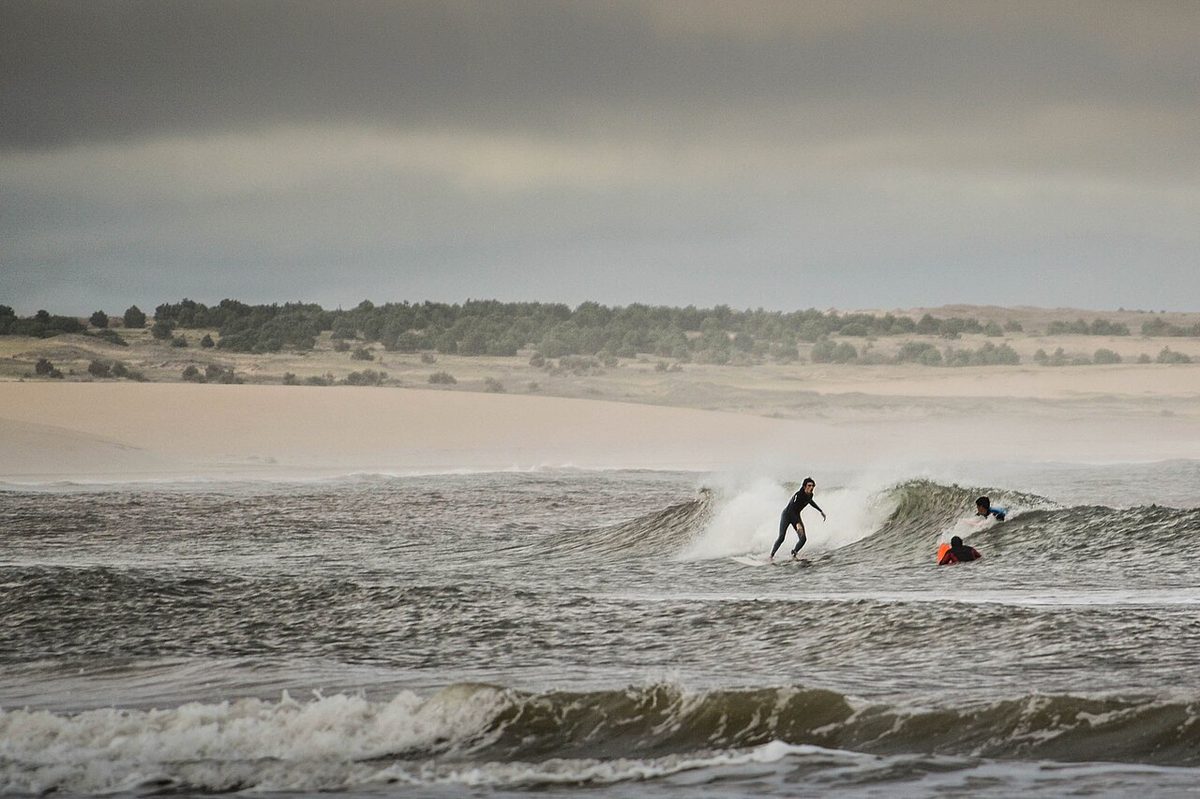
La Paloma surf is the reason a lot of younger travellers come, and it is one of the more approachable places in the country to start. Because the peninsula offers beach breaks of different exposures within walking distance, you can find a mellow sandbank to learn on and a hollower, heavier wave for when you progress, without changing towns. Locals will tell you the sandbanks shift, so the “best” break changes with the season and the swell.
The water works year-round, but the pattern is roughly this: the biggest, cleanest groundswells arrive from autumn through spring, when southwest swells meet offshore winds and the ocean-facing beaches fire. Summer is smaller and friendlier, which is partly why the surf camps run then. If you have surfed elsewhere and want size, come in the cooler months and bring a decent wetsuit, because the Atlantic here is not warm.
Surf schools operate on most of the beaches, lessons typically run about an hour with all equipment included, and prices hover around 2,000 Uruguayan pesos for a session, though that moves with the season and the operator. There is a long-running surf shop in town, Peteco, if you need to rent or buy. I would book a lesson the day before in peak summer and just turn up off-season.
One honest caveat: in the dead of the off-season, some surf schools scale right back or close, so if a winter surf trip is the whole point of your visit, message an operator ahead rather than assuming someone will be on the beach. For the national picture, our guide to surfing in Uruguay covers the other breaks worth chasing along this coast.
Whale watching from the coast
This is the thing that surprises first-time visitors. You do not need a boat to see whales here. Southern right whales, the ballena franca austral, migrate along this coast and come close to shore to mate and calve in the calm winter water, and you can watch them from clifftops and beaches with nothing more than patience and ideally a pair of binoculars.
I want to be precise about timing because a lot of pages are vague. The reliable window in Rocha is roughly July to October, through winter and into spring. The very first sightings sometimes happen as early as April, and stragglers can linger into November, but if you are planning a trip specifically to see them, aim for the August-to-October core. The southern right whale is a genuinely enormous animal, up to around 16 metres long, and when one breaches close in, the whole beach goes quiet and then noisy.
The best vantage points in La Paloma are the elevated ones. The Cerro de la Virgen, the high point between La Aguada and Costa Azul, gives you a wide sweep of ocean, and the “Cola de Ballena” viewpoint at El Cabito is the classic, named-for-the-purpose spot. Bring a windbreaker; the days you most want to be up there are often the coldest and breeziest. Dolphins show up along the same coast too, more reliably and year-round, so a whale-less day is rarely a sea-life-less one.
One honest drawback with coastal whale watching is that it is genuinely a patience game and there are no guarantees on any given hour. This is not a SeaWorld show; it is wild animals at distance. Manage expectations, give it time across a few days if you can, and treat a sighting as a gift rather than a ticket entitlement.
The port, the rambla and the rest of the town
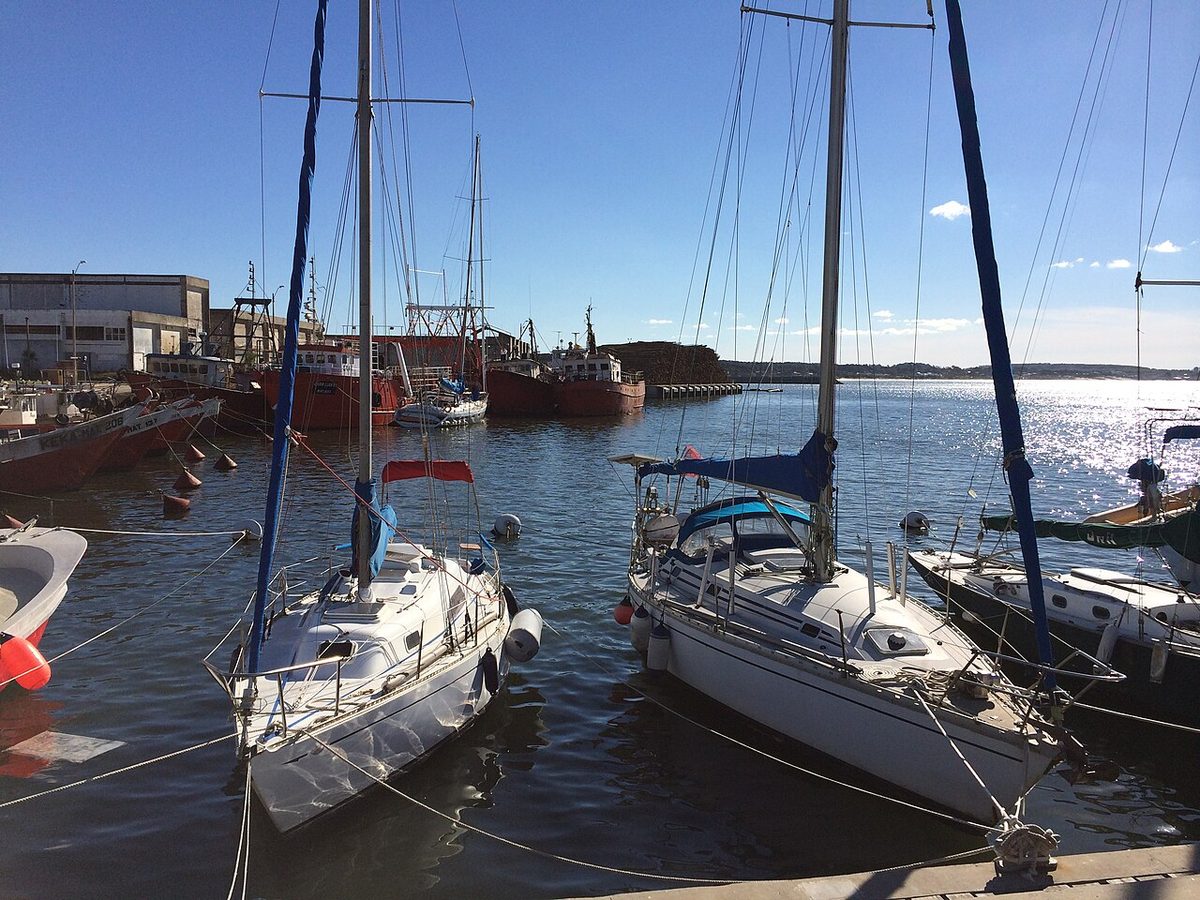
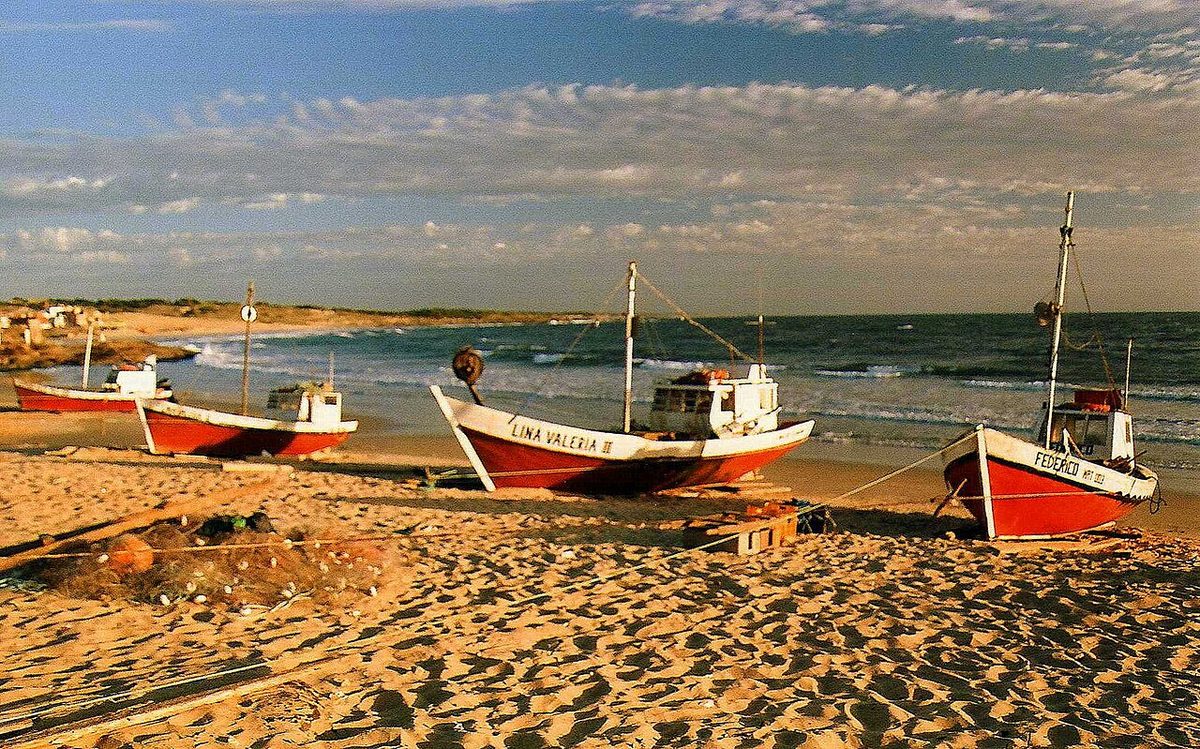
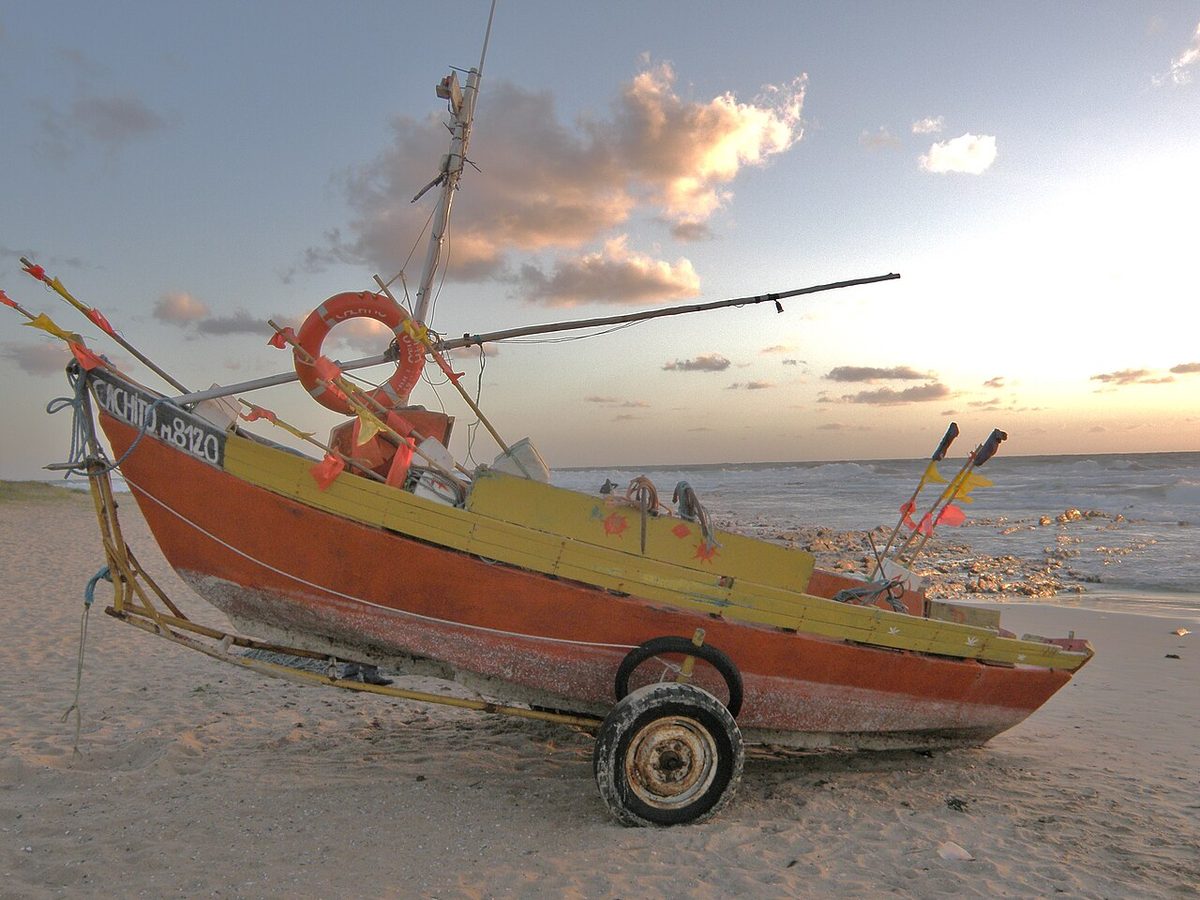
La Paloma grew up around its port, and the working harbour still gives the place its texture. There is both an ocean port and a fishing port, and at sunset you can watch the artisanal fishermen come in with their nets full of croaker, flounder and small sharks. The breakwater, the escollera, is a popular walk out over the water and a good spot to fish or just take in the sea.
The town itself is laid out along its rambla, the seafront road and promenade that most Uruguayan coastal towns are organised around, and the centre has the full kit of a proper balneario, a beach resort town: supermarkets, pharmacies, a bank and ATMs, ice cream shops, a cultural centre and tourist information. This is the practical advantage La Paloma holds over smaller villages nearby. You can actually buy what you forgot.
Where to eat and sleep in La Paloma
Eating here is straightforward and good in the way Uruguayan coastal food usually is: fresh fish, the inevitable and excellent asado, and chivito sandwiches that will defeat most appetites. Because so much comes off the local boats, seafood is the move. I have eaten well at Orishas and Cocina de la Barra, both in the town and both open year-round, and Arrecife and Naranja Lima are dependable for fish and a sit-down dinner. La Onda is the easy resto-pub when you want something casual. For ice cream, which is a serious matter in Uruguay, Calvelini and La Paleta are the two names locals trade.
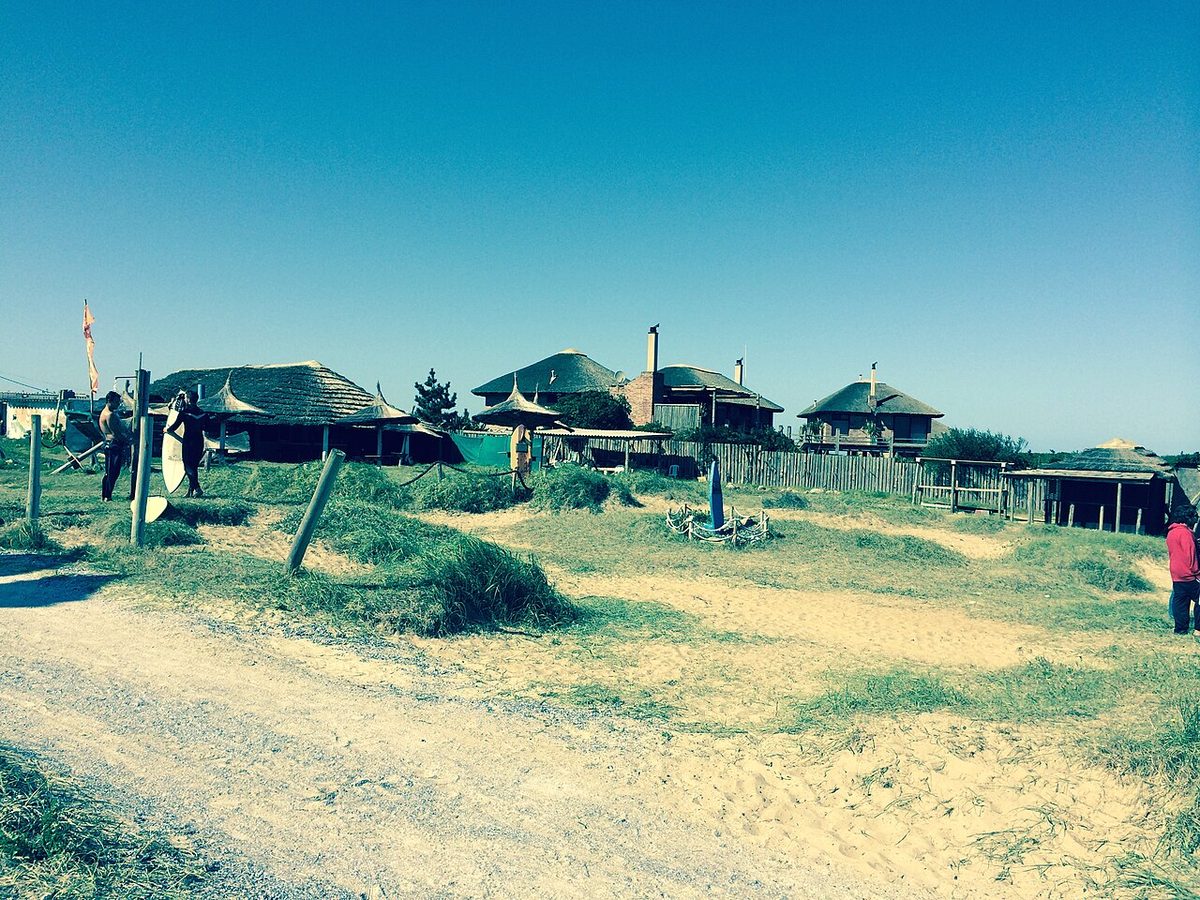
For sleeping, La Paloma’s accommodation leans toward small family-run hotels, apart-hotels and cabanas, the cosy beach cabins you will see tucked among the pines, rather than big resorts. Roughly speaking: stay near the town centre if you want to walk to restaurants and two beaches without a car; stay out toward La Aguada or Anaconda if you want quiet and an ocean-facing beach on your doorstep. There is a hostel or two for backpackers and a handful of higher-end apart-hotels with sea views for those who want them.
The honest drawback is seasonality, and it is a big one. In January, the town is full, lively and everything is open. In June or September, a real share of restaurants and rentals are simply closed, and the place can feel quiet to the point of shuttered, charming if that is what you came for, deflating if you expected a buzzy beach town. Book ahead in summer for choice; off-season, confirm directly that your hotel and a couple of restaurants are actually open. Our guide on where to stay in Uruguay has more on choosing a base across the country.
How La Paloma compares to its neighbours
This matters more than any single beach, so let me be direct. La Paloma is the most developed and most family-friendly of the Rocha beach towns. It is closer to a small town, even a small city in summer, than to a village, with the services to match.
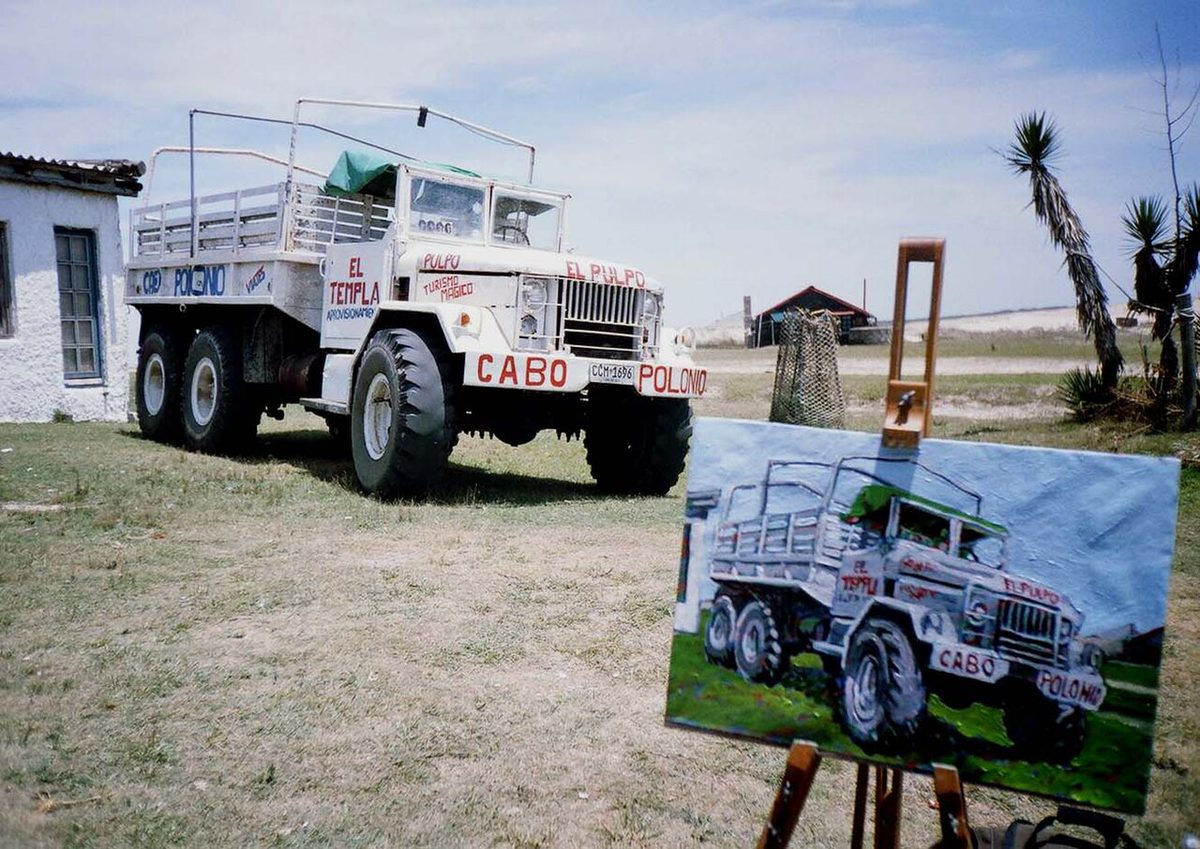
That is the opposite of what its near neighbours offer. Cabo Polonio is off-grid, reached over the dunes, with no mains electricity and a deliberately raw feel; getting there is its own adventure, which our guide on how to get to Cabo Polonio covers. Punta del Diablo is smaller, more bohemian and busier with twenty- and thirty-somethings in summer. La Pedrera, just up the coast, is quieter and more low-key than La Paloma, with limited dining and lodging but a lot of solitude off-season.
So the trade is clear. La Paloma gives you convenience, a range of beaches, surf lessons, family infrastructure and an actual supermarket, at the cost of feeling more built-up and less wild than the others. If your priority is amenities and an easy family week, La Paloma wins. If you are chasing rawness and don’t mind roughing it, one of the smaller towns will suit you better. If you are torn between this coast and the glossier resort scene further west, our Punta del Este vs Rocha comparison lays out that choice.
La Paloma by traveller type, and practical planning
A few quick reads depending on who you are.
Families. This is La Paloma’s strong suit. Base near the centre, use Los Botes, El Cabito and Bahia Grande for the children, take the older ones up the lighthouse (remember, over-8s only) and out by kayak to Isla de la Tuna, and you have an easy week. Our Uruguay with kids guide expands on this.
Surfers. Come for the variety of breaks in one place. Summer for learning and camps, autumn-to-spring for size. Bring or rent a wetsuit and check that schools are running if you come off-season.
Whale watchers and nature people. Plan for August to October, factor in the nearby Rocha Lagoon and the birdlife of the protected wetlands just outside town, and treat the whales as a patient bonus. The protected wetlands and lagoons along this coast are a real draw in their own right.
Getting here and when. Direct buses run from Montevideo’s Tres Cruces terminal, roughly 3h40 for around USD 16 to 25, and the town is a natural stop on a coastal drive. It is also a natural stop on a longer coastal drive, so match your dates to whatever you are chasing: surf size in the cooler months, whales from August, or warmth and full streets in high summer.
La Paloma Uruguay: your questions answered
Is La Paloma worth visiting?
Yes, especially for families, learner surfers and anyone who wants coastal whale watching without the off-grid effort of Cabo Polonio. You get a climbable lighthouse, a spread of beaches with different conditions, real town services and a relaxed pace. The caveat is timing: in peak summer it is lively, but off-season it can feel quiet and partly closed.
What is the best time to visit La Paloma?
December to February is warmest and fullest, with everything open and a busy beach-town feel. For whales, aim for July to October. For surf size, autumn through spring delivers the best swells. Shoulder months like March and November give you decent weather with fewer crowds, though some businesses begin to wind down.
Can you climb the lighthouse in La Paloma?
You can. The Cabo Santa Maria lighthouse has a 143-step spiral staircase up to an open balcony with views over the whole peninsula. It is usually open Thursday to Sunday, mornings and afternoons, with a small cash-only entry fee in pesos. Children under 8 are not allowed up, and the balcony is capped at 20 minutes when busy.
When can you see whales in La Paloma?
Southern right whales pass along the Rocha coast roughly from July to October, during winter and spring, with occasional early sightings from April and a few lingering into November. You watch them from shore, especially from elevated viewpoints like Cerro de la Virgen and the Cola de Ballena lookout at El Cabito. Bring binoculars and patience; there are no guarantees on any given day.
Is La Paloma good for swimming?
It depends entirely on which beach. The sheltered bays like Los Botes and Bahia Chica, and the natural pools at El Cabito, are calm and good for families. The ocean-facing beaches and the rocky La Balconada are better for surf, sunsets and tide-pools than for an easy dip. The peninsula’s strength is that you can pick conditions within a short walk.
La Paloma or Punta del Diablo?
La Paloma is larger, more developed and more family-friendly, with more restaurants, services and a range of beaches. Punta del Diablo is smaller, more bohemian and busier with a younger summer crowd. Choose La Paloma for convenience and an easy family base; choose Punta del Diablo for a rawer, more village feel. Many travellers on a coastal trip happily visit both.
Final thoughts
This town is the sensible, lovable middle of the Rocha coast. It will not give you the off-grid romance of Cabo Polonio or the backpacker buzz of Punta del Diablo, and one or two of its beaches are too rocky for a proper swim. What it gives you instead is range: a real town with a working port, a lighthouse with a dark and stubborn history, beaches calm enough for a toddler and heavy enough for a surfer, and the genuinely moving sight of whales rolling past the shore in the cold months. Come in summer for the life of it, or off-season for the quiet, and either way, climb the lighthouse and clap at a sunset at least once.
Credits & sources
Sources & further reading
- Turismo Rocha: official La Paloma destination page
- Cabo Santa Maria Lighthouse, Wikipedia
- IALA: 150th anniversary of the Cabo Santa Maria lighthouse
Photo credits
All images via Wikimedia Commons: Faro Cabo Santa Maria La Paloma by Edutemar (CC BY-SA 3.0); Playa La Balconada La Paloma Sunset by Marcelo Campi from Uruguay. (CC BY-SA 2.0); Surfers La Paloma Uruguay by TitiNicola (CC BY-SA 4.0); La Paloma Coast Rocha Uruguay by alvaro errandonea (CC BY 3.0); Puerto La Paloma Breakwater Uruguay by Casaseneleste (CC BY-SA 4.0); Los Botes Bay La Paloma by Casaseneleste (CC BY-SA 4.0).