Where to Eat in Colonia del Sacramento (2026)
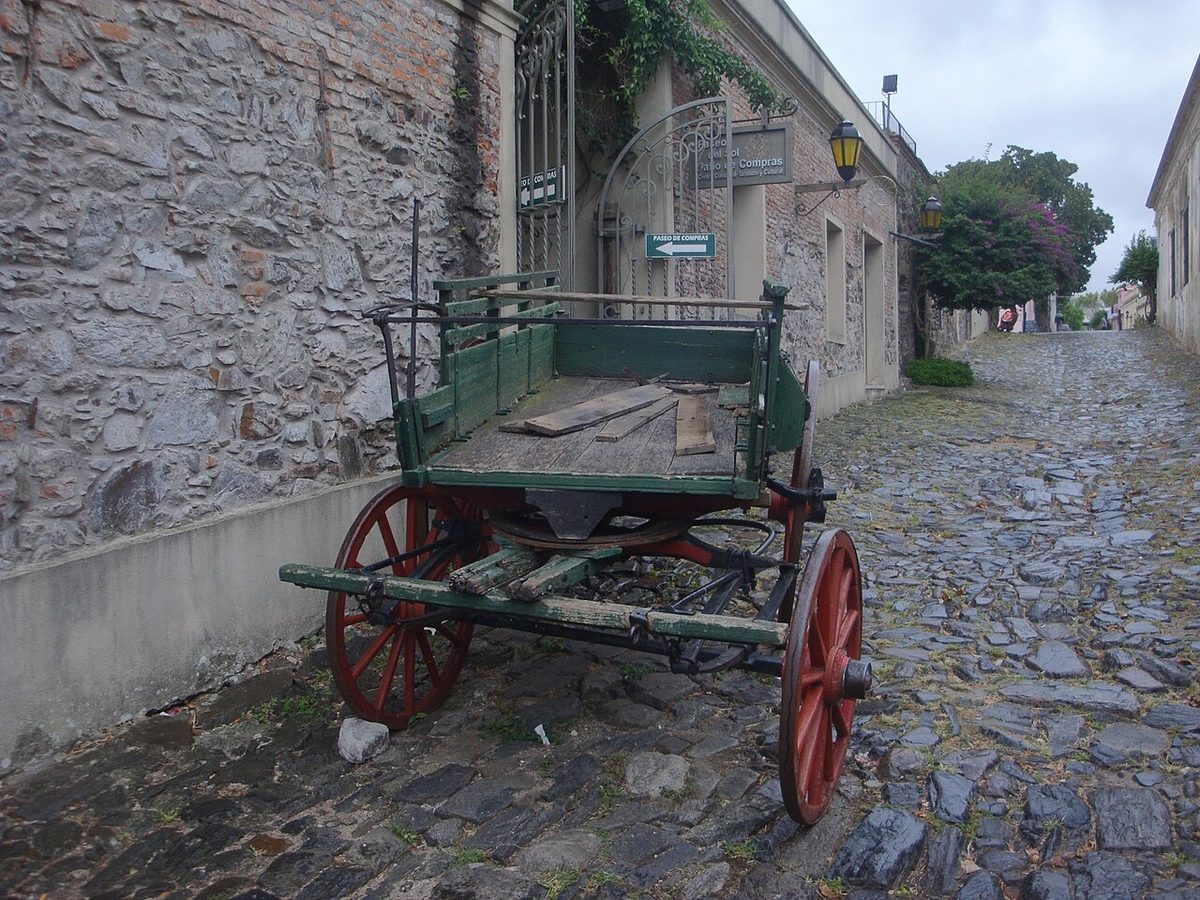
The meal that anchored the whole trip was lunch at El Buen Suspiro on the Calle de los Suspiros. My table was wedged inside a room that had been someone’s parlour in the 1720s — stone walls, low beams, a curtain of wine corks dividing the dining room from the kitchen. I ordered ravioli with béchamel and a glass of Uruguayan Merlot, and for about forty minutes I did not think about ferries or itineraries at all.
That is what colonia del sacramento restaurants do best: they slow you down. Whether you have three hours off a ferry from Buenos Aires or three days to wander the cobblestones of the Barrio Histórico (Colonia del Sacramento’s walled Old Quarter, a UNESCO World Heritage site since 1995), there is a table here with your name on it — for a proper parrilla (Uruguay’s wood-fired barbecue tradition), a chivito sandwich loaded to improbable heights, or simply a glass of Tannat wine as the Río de la Plata turns pink.
The best colonia del sacramento restaurants at a glance
This guide covers the full eating landscape: historic-quarter gems, riverside parrillas, budget chivito spots, and the upscale bistro you should book before you arrive. Restaurants are listed in themed sections, not ranked — every place here earns its spot.
| Category | Pick | Why |
|---|---|---|
| Best for asado / parrilla | Parrillada El Portón | Operating since 1984; proper wood-fired grill, no theatrics |
| Best riverside view | Charco Bistro | Hotel bistro open to non-guests; terrace over the Río de la Plata |
| Best budget option | Los Farolitos food stand | Chivito for a few dollars, beloved by locals |
| Best for lunch on a day trip | La Bodeguita | Wide menu, open kitchen hours, right in the Old Town |
| Most romantic | El Buen Suspiro | 17th-century interior, candlelight, wine-cork curtains |
| Price range (typical mains) | UYU 450–1,800 (~USD 11–45) | Tourists get an IVA tax refund when paying by card |
Eating in the Barrio Histórico
The Barrio Histórico is where most visitors eat, and for good reason. The streets inside the old Portuguese walls — Calle de los Suspiros, Misiones de los Tapes, Vasconcellos — are lined with restaurants that have figured out how to be charming without being cynical. Stone and brick, bougainvillea spilling over gates, tables spilling onto cobblestones. If you simply walk until a place calls to you, you will eat well.
That said, some restaurants near the windmill on the coast of the historic quarter trade on location more than food. The views from those tables at sunset are extraordinary — genuinely worth a drink — but for dinner, move a block or two inland and you will get more for your money.

El Buen Suspiro
Address: Calle de los Suspiros 90–92. This is the wine bar that a dozen different guides call their favourite, and the praise is deserved. The building dates to around 1720, and the dining rooms are tiny — three or four tables each, strung together like carriages on a very intimate train. They produce their own wines and liqueurs, make their own cheese and charcuterie, and the menu of picadas (shared tapas-style plates) and pasta is built around those house-made ingredients.
The honest drawback: hours are limited and vary by season. During low season (April–September) they may close mid-week or push dinner to late starts. Check their Instagram before you go rather than turning up hungry.
Viejo Barrio
Address: Vasconcellos 169. Small, colourful, and right by the Plaza Mayor, Viejo Barrio has been feeding day-trippers and overnight guests for years on a formula of house-made pasta, milanesa (breaded steak, served with or without tomato sauce and cheese — an Uruguayan staple borrowed lovingly from Argentina), and salads. Sidewalk seating when the weather cooperates.
One drawback: the tables are small and close together. On a busy Saturday at peak lunch hour it can feel crowded. Come early or late.
Pulpería de los Faroles
Address: Misiones de los Tapes 101. Housed in a pink colonial building near the Plaza Mayor, this is one of the more upscale options in the historic quarter. The menu leans international — sangria, seafood, pasta — and the setting is theatrical in a good way. Prices reflect the location.
El Drugstore
Find it at the corner of Portugal and Vasconcellos. The antique cars parked out front and the mismatched chairs inside tell you immediately what kind of place this is: joyfully eccentric, with an open kitchen, a big menu of tapas and mains, and live music on weekend evenings. A good fallback when the more intimate spots are fully booked.
Parrillas and Uruguayan classics: what to order and where

A parrilla is not just a grill — it is a set of values. In Uruguay, the asado (the broad term for the barbecue tradition) is slow, wood-fired, and taken seriously. A proper Uruguayan parrilla spread includes beef cuts like vacío (flank), tira de asado (short ribs), and entraña (skirt steak), alongside chorizo, morcilla (blood sausage), and offal for those who want the full picture. You can order cuts individually if you prefer to skip the organs. Read more about Uruguayan food culture before you go — it adds context to every meal.
Parrillada El Portón
Address: General Flores 333. The oldest continuously running parrilla in Colonia del Sacramento, open since 1984. The ambiance is straightforward — tiled floor, wooden tables, smoke in the air — and the food is honest. Order the tira de asado, sit back, and let the meal take its time. It is family-friendly in the original sense: multiple generations eating together, not the euphemism for child-friendly décor.
The drawback: it is popular and does not take reservations. At peak lunch hours (1–3pm on weekends) you may wait for a table.
Parrillada Amor Amor
Address: Santa Rita 40, a short walk from the Río de la Plata. A newer entry compared to El Portón but gaining a strong local following. The riverside location means better views; the menu covers parrilla, pasta, and salads. Live music on some evenings. Service can slow down when the place fills up — budget time accordingly.
The chivito: Uruguay’s other essential dish
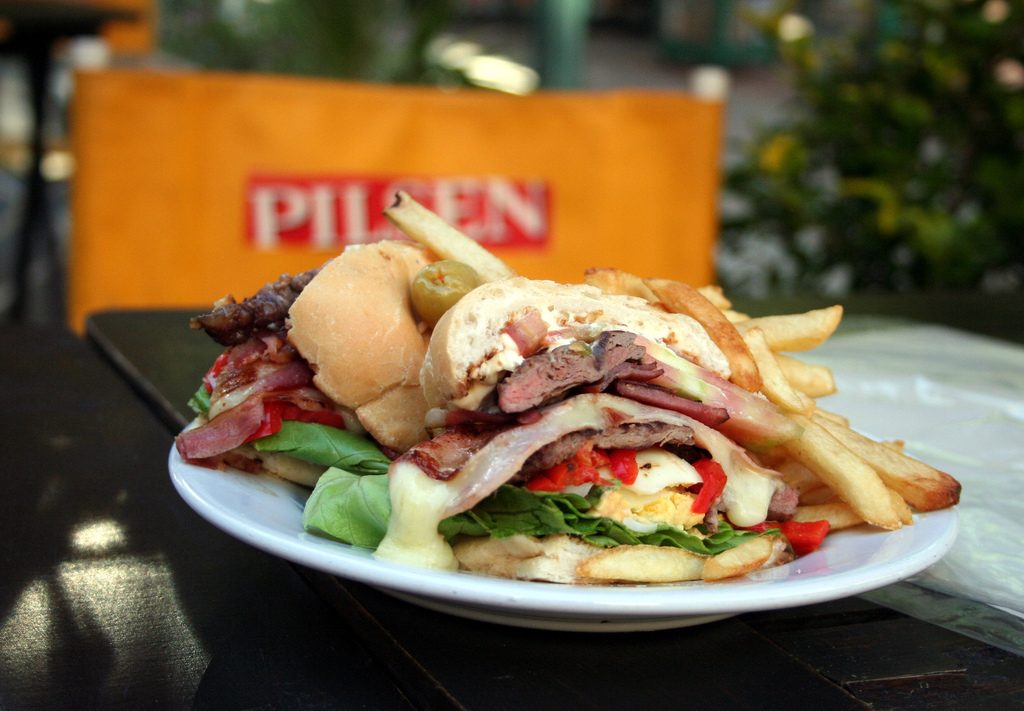
A chivito is not a goat dish despite the name. It is Uruguay’s national sandwich: a thin beef steak with bacon, fried egg, ham, cheese, salad, olives, roasted peppers, and criolla sauce, all between a soft roll, all served with French fries. It is enormous. It is magnificent. Every proper restaurant in Colonia serves one; the question is how refined the version is.
For a classic, no-frills chivito at a price that will not sting, head to Los Farolitos (Avenida General Flores 272, near the bus terminal). Plastic chairs, a modest stand, and the kind of queue that only forms around food worth eating. This is where Colonia residents eat lunch, not tourists chasing Instagram angles. It sits close to the terminal where the coaches in from Montevideo pull in, which makes it an easy first meal after the ride.
La Bodeguita (Del Comercio Street, Old Town) also does a reliable chivito in more comfortable surroundings — good if you want to sit down properly and pair it with a clericó (white wine with fruit, Uruguay’s lighter answer to sangria).
Tannat and where to drink it
Uruguay’s signature red grape is Tannat — a variety originally from the Basque region of France that found its true home in Uruguayan soil. It is full-bodied, with dark fruit and firm tannins that work perfectly against beef fat. Almost every restaurant in Colonia keeps a bottle or two from the major Uruguayan producers (Juanicó, Pisano, Garzón). El Buen Suspiro goes further, producing its own wines and liqueurs on-site. For a deeper dive into the grape, the Uruguay wine guide covers the country’s wine regions in detail.

Café culture and breakfast in Colonia
Colonia’s café scene is modest but genuinely good. Breakfast is a lighter affair than dinner — medialunas (crescent pastries, Uruguay’s answer to the croissant), toast with dulce de leche or cheese, and strong espresso. Mate (the bitter, hot infused drink made from yerba leaves, sipped through a silver straw from a gourd) is everywhere but it is a domestic ritual as much as a café one. You will see locals on the street or at the beach with a thermos tucked under one arm and a gourd in hand.
Colonia Sandwich Coffee Shop
Address: General Flores 272 (opposite the Basílica). Two locations in town; the one facing the Basílica del Santísimo Sacramento is the calmer of the two. Pain au chocolat, generous cappuccinos, fresh salads, and simple sandwiches. The outdoor seating faces the plaza and the birds that treat your table as a shared dining experience. Good for a slow morning before the day-trip crowds arrive.
Bike and Coffee
Right at the entrance to the Barrio Histórico. Small, informal, and an excellent place to try mate properly for the first time — staff are used to explaining the ritual to curious visitors. Also arranges bike rentals, making it a logical first stop if you plan to cycle the cobblestones.
NAPO Pizza Napoletana
Address: 18 de Julio 267. Strictly a dinner spot (opens at 8pm, with weekend lunch exceptions), NAPO does Neapolitan-style pizza in a small Old Town space with an open kitchen and a loyal local following. The dough is thin and properly charred. Worth the wait if you arrive before they open and queue.
The drawback: it fills up fast and the space is tight. Arrive early or accept that you are eating at 9:30pm.
Where day-trippers eat vs overnight guests

Colonia del Sacramento receives a large volume of day-trippers — most coming on the one-hour ferry from Buenos Aires (see the full breakdown in the Colonia day trip guide). This shapes the restaurant landscape in ways you should understand before choosing where to eat.
Day-trippers tend to cluster around the ferry terminal area and the main plaza. The restaurants there are fine but calibrated for fast turnover. If you have only three hours in Colonia, La Bodeguita and Mesón de la Plaza (Vasconcellos 153, facing the basilica) are both solid choices with broad menus and quick service. Mesón de la Plaza often has daily specials at reasonable prices and occasional live music at lunchtime.
Overnight guests have the significant advantage of dinner. Most of the best restaurants in Colonia del Sacramento open for dinner as well as lunch — but some only open for dinner, including Casa Viera (General Flores 65, open evenings only) and NAPO. The evening atmosphere in the Barrio Histórico is quieter and warmer once the day-trip boats have gone. That is when Charco Bistro, El Buen Suspiro, and DOS 22 really come into their own.
For accommodation context that pairs with this guide, the where to stay in Colonia del Sacramento guide covers hotels at every price point. The Barrio Histórico guide explains the layout of the old quarter so you can orient yourself before you start walking.
Budget vs splurge options
Colonia is not cheap by Uruguayan standards — the tourism economy pushed prices up — but a card-paying tourist gets a meaningful advantage: restaurants are required to refund the IVA (Uruguay’s value-added tax) for non-resident visitors paying by card. That rebate can effectively reduce your bill by a significant percentage, so always pay by card if you can. Always check whether a restaurant accepts cards before ordering.
Budget (under UYU 600 per person, roughly USD 15)
Los Farolitos food stand is the clearest value play in town. A full chivito with fries for under USD 10. Mesón de la Plaza does daily lunch specials in a similar bracket. For coffee and pastry, Colonia Sandwich Coffee Shop keeps prices sensible.
Mid-range (UYU 600–1,200, roughly USD 15–30)
This is where most of Colonia’s restaurants sit. La Bodeguita, Viejo Barrio, Parrillada El Portón, DOS 22, NAPO, and El Buen Suspiro all fall here for a meal without wine. Add a bottle of Tannat and you push toward the upper end.
Splurge (UYU 1,200+, roughly USD 30+ per person with wine)
Charco Bistro is the most polished dining room in Colonia — white walls, river terrace, bistro-style dishes (steak, pasta, creative takes on Uruguayan classics). Non-guests are welcome but reservations are essential. Casa Viera offers a similar level of contemporary cooking in a more intimate setting. If you have a car, the 8-minute drive to Bodega Bernardi — a 19th-century family winery — is worth it for lunch with house-made grappa among the vines.
By trip type: who should eat where
Day-trippers from Buenos Aires or Montevideo
You have limited time. Book lunch at La Bodeguita or walk to Parrillada El Portón for an asado. Stop at El Buen Suspiro for a glass of wine and a cheese board in the afternoon before the ferry. Skip the restaurants immediately adjacent to the port — they are convenient but the value is poor. For a full framework on structuring a day trip, the Colonia day trip from Buenos Aires guide is the place to start. If you’re coming from the capital instead, the day trips from Montevideo page covers the logistics.
Couples on an overnight or weekend
Dinner at El Buen Suspiro or Charco Bistro (book ahead for both). Breakfast at Colonia Sandwich Coffee Shop opposite the basilica. A long lunch at Parrillada El Portón on the day you explore the old quarter. Evening drinks at the Charco Hotel bar terrace, watching the river change colour. For a full Argentina–Uruguay itinerary that combines Colonia with Buenos Aires and Montevideo, see the Argentina and Uruguay itinerary guide.
Families
Parrillada El Portón and La Bodeguita both handle families comfortably — broad menus, relaxed atmosphere, no dress code. NAPO is ideal for children if you are staying overnight (pizza is a reliable peace treaty). Mesón de la Plaza has outdoor seating and is well-placed for a lunch break mid-sightseeing.
A note on a less obvious option
DOS 22 Restaurante (Ituzaingó 222) earns a specific mention for pasta. The sorrentini stuffed with lamb and topped with bolognese drew consistent praise from everyone who tried it during research for this guide. The room is modest, the service is attentive, and the bread service — seeded breadstick-style snacks with a buttery aioli — sets a strong early tone. Mid-range pricing, good house wine, open for both lunch and dinner.
Also worth knowing: La Casa de Jorge Páez Vilaró (Misiones de los Tapes 65) is a family restaurant with only five interior tables and one garden table, set inside a genuine 18th-century colonial building that doubles as a gallery for the late Uruguayan artist’s paintings. The intimacy is real, not manufactured. Book well ahead.
For a wider perspective on what Uruguay’s food scene looks like beyond Colonia, the Uruguayan food guide covers the national dishes in full. And if this visit sparks an appetite for more of the country, the best restaurants in Montevideo guide is a natural next step — the capital’s food scene is broader, more experimental, and just as rooted in the parrilla tradition.
Colonia del Sacramento restaurants: your questions answered
Are restaurants in Colonia del Sacramento expensive?
Colonia runs pricier than most Uruguayan cities because of its tourism economy and its popularity with Argentine day-trippers who arrive with dollars. That said, budget options exist — food stands and lunch specials keep costs manageable. Foreign visitors paying by credit card receive an IVA tax refund at most restaurants, which can meaningfully reduce the bill. Budget roughly USD 15–20 per person for a solid lunch with a drink; USD 25–45 for dinner with wine at a sit-down restaurant.
Do Colonia restaurants accept credit cards and foreign currency?
Most restaurants in the Barrio Histórico accept credit and debit cards, and many will accept Argentine pesos or US dollars in cash (confirm before ordering). Menus may show prices in Uruguayan pesos (marked $) or USD — check which currency applies. Always confirm payment options before sitting down, especially at smaller or more informal places.
What is the best restaurant in Colonia del Sacramento for a parrilla?
Parrillada El Portón (General Flores 333) is the most established option — open since 1984, with a proper wood-fired grill and a straightforward approach to Uruguayan asado. Parrillada Amor Amor (Santa Rita 40) is a strong alternative with a riverside setting and a similar menu of grilled meats, pasta, and salads. Both are busy at peak lunch hours; El Portón does not take reservations, so arrive early.
What Uruguayan dishes should I try in Colonia del Sacramento?
Start with a chivito — Uruguay’s towering national sandwich of beef, bacon, egg, ham, and cheese — and an asado from any of the parrillas. Try milanesa (breaded steak, often served with sauce and cheese) at Viejo Barrio. Drink Tannat red wine with your beef. For something lighter, a picada at El Buen Suspiro — local charcuterie, cheese, and bread — is an excellent introduction to Uruguayan snacking culture. Clericó (white wine with fruit) is the house drink of a warm afternoon.
Is Colonia del Sacramento good for vegetarians?
Colonia’s food culture is meat-heavy, but options exist. Viejo Barrio has vegetarian pasta dishes. Comarca Las Liebres (Zapicán 645, outside the Old Town) specifically calls out vegan options and uses produce from its own garden. El Buen Suspiro does vegetarian pasta. Bohemia Bistro (San Pedro 142) emphasises Italian-style dishes and clay-oven empanadas. It is not a vegetarian-friendly city in the way that some capitals are, but you will eat well.
When should I make a reservation in Colonia del Sacramento?
Reservations are essential for Charco Bistro and Casa Viera, and strongly recommended for El Buen Suspiro and Bohemia Bistro, especially on weekends and during high season (December–February, Easter week, and Argentine holiday long weekends). Parrillada El Portón, La Bodeguita, and Mesón de la Plaza operate on a walk-in basis. In low season (May–August) mid-week, you can usually find a table without booking at most places.
Can I eat well in Colonia on a day trip, or do I need to stay overnight?
You can eat very well on a day trip. The ferrys from Buenos Aires allow enough time for a proper lunch in the Barrio Histórico. The restaurants that require reservations or open for dinner only (Charco Bistro, NAPO, Casa Viera) are the main things you miss as a day-tripper — but La Bodeguita, Parrillada El Portón, El Buen Suspiro, and Viejo Barrio are all accessible at lunchtime. If you are on a day trip from Buenos Aires, the full day trip guide covers how to time your visit.
Final thoughts
The restaurants of Colonia del Sacramento are, in miniature, what the city is: a place that has been doing things a certain way for a long time and sees no reason to change. The parrilla culture is genuine and unglamourised. The Italian influence — the pasta-makers, the wine ethos — is deeply embedded. The cafés are unhurried. The wine is local and serious.
This is not a city with a flashy restaurant scene chasing trends. What it has is more durable: a food culture tied to place, to season, and to the slow rhythms of a town that has outlasted two colonial empires and still sends people to the table in no particular hurry.
Go hungry. Allow more time than you think you need. And if you find a table tucked into a 300-year-old stone wall with a glass of Tannat and something good coming out of the kitchen, resist the urge to photograph it before you eat it. Some things should be experienced first.
For the full picture on the city, start with the Colonia del Sacramento complete guide.

Credits & sources
Sources & further reading
- UNESCO World Heritage — Historic Quarter of Colonia del Sacramento
- TripAdvisor — Restaurants in Colonia del Sacramento
- Finding Gina Marie — Where to Eat in Colonia del Sacramento
- Daytours4u — Where to Eat in Colonia del Sacramento
Photo credits
All images via Wikimedia Commons: Colonia Del Sacramento Barrio Historico Restaurant Terrace by Norigep19 (CC0); Colonia Del Sacramento Cobblestone Calle De Los Suspiros by Banfield (CC BY-SA 3.0); Uruguayan Asado Parrilla Spread Colonia by Fadesga (CC BY-SA 4.0); Tannat Wine Glass Rio De La Plata Colonia by Bonvol (CC BY-SA 3.0); Colonia Del Sacramento Riverside Cafe Terrace by Mx. Granger (CC0); Chivito Sandwich Uruguay Colonia by https://www.flickr.com/photos/mattrubens/ (CC BY-SA 2.0); Colonia Del Sacramento Plaza Mayor Lunch by Ypsilon from Finland (CC0).


