Gaucho Culture: Understanding Uruguay’s Cowboy Tradition (2026)
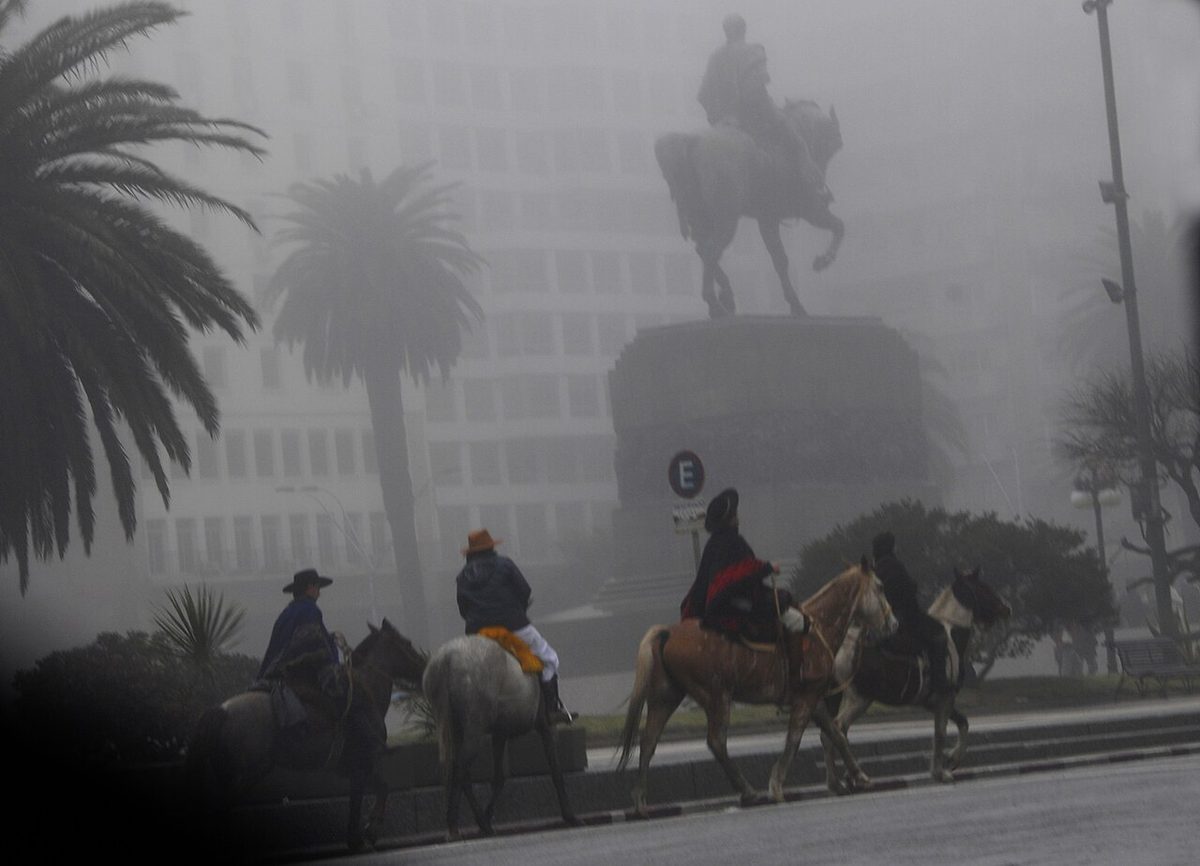
The first gaucho I shared mate with did not say a word for about ten minutes. We were leaning on a fence post at an estancia (a working cattle ranch) outside Tacuarembó, watching a colt decide whether it trusted him, and he just kept passing me the gourd. Refill, sip, pass back. When he finally spoke, it was to tell me the horse was lazy, not frightened, and that the difference mattered. I have thought about that sentence for years. It is, in miniature, what gaucho culture is really about: patience, animals, and an economy of words.
I want to be honest from the start. Much of what tourists are sold as “gaucho culture” is a costume worn for a buffet dinner. The real thing is quieter, older, and more interesting, and it is still out there if you know where to look.
Gaucho culture is the horseback ranching tradition of Uruguay’s and Argentina’s grasslands, built around cattle work, the criollo horse, mate, asado, and a fierce code of independence. The gaucho was the skilled, semi-nomadic cowhand of the Pampas, and his dress, food, music and values still shape how Uruguayans see themselves today.
That answer is the short version. The long version runs from Jesuit missions to independence wars to a meatpacking plant that quietly ended the gaucho’s freedom, and then into the festivals and ranches where you can still meet his descendants. This piece is the history-and-identity essay. If you want the practical side, where to sleep and how to actually ride, I link out to my guide to estancias in Uruguay throughout, because that is the parent subject this all hangs from.
What is a gaucho? Origins and a contested word
Start with the word itself, because nobody can fully agree on it. “Gaucho” first shows up in writing around the era of independence in the 1810s. The etymologies proposed are a small linguistic argument: some trace it to the Quechua huachu, meaning orphan or vagabond; others to an Arabic-derived term for a herding whip. There is no settled answer, which is oddly fitting for a figure defined by not belonging to anyone.
Here is the Uruguay-specific origin that most overviews skip. The gauchos of this region trace back to the Jesuit reducciones (mission settlements) built to convert and organise the native Guaraní. On those missions, people planted yerba mate, herded cattle and learned leatherworking. When the missions were broken up, their mestizo descendants drifted into the open campo (countryside) and turned those exact skills, animals, leather, mate, into a way of life. The gaucho was usually a mestizo, of mixed European and Indigenous ancestry, though plenty were Black, white, or of mixed Black and white descent. This was never a single race. It was a job and an attitude.
So what is a gaucho, in one line? A horseman of the Pampas who could survive in the grass with a knife, a horse and almost nothing else, and round up half-wild cattle for a living. The English shorthand is “South American cowboy,” and it is close enough, as long as you remember the cowboy myth and the gaucho myth grew up separately.
| Term | What it is |
|---|---|
| Gaucho | The skilled horseman-cowhand of the Uruguayan and Argentine grasslands |
| Estancia | A cattle ranch or large rural estate, the gaucho’s workplace |
| Bombachas | Baggy riding trousers, wide at the thigh, gathered at the ankle |
| Facón | The large all-purpose knife worn at the back of the belt |
| Rastra | A wide leather belt studded with silver coins |
| Boina | The soft wool beret worn flat on the head |
| Poncho | A woven wool rectangle with a head-hole, for wind and cold |
| Mate | The shared caffeine drink, sipped through a metal straw from a gourd |
| Asado | Wood-fire barbecue, cooked slowly on a parrilla (grill) |
| Criollo | The hardy local horse breed, and broadly “of this land” |
| Facón and bolas | Knife and three weighted leather cords thrown to tangle an animal’s legs |
| Payada | An improvised sung duel between two guitar-playing poets |
| Jineteada | Rodeo bronc-riding on an unbroken horse |
| Frigorífico | The industrial meatpacking plant that reshaped the cattle economy |
A short history of the gauchos of Uruguay
Wild cattle and contraband hides
Cattle and horses brought by the Spanish escaped onto the Pampas, found no predators, and bred into enormous wild herds. By the mid-1700s those herds were money. British, Dutch, French and Portuguese traders ran a thriving contraband business in hides and tallow out of the frontier around the Río de la Plata, and someone had to catch the animals. That someone was the gaucho. He hunted feral cattle on horseback, often more for the hide than the meat, and lived in a small mud hut roofed with grass, sleeping on stacked skins.
Charles Darwin rode through this world in 1832 and wrote it down. He described the lazo (plaited-leather lasso) and the bolas, the weighted cords flung to entangle a rhea or a steer. He tried the bolas himself, caught one ball on a bush and the other around his own horse’s leg, and gave the watching gauchos a good laugh. He also liked them. “The gaucho,” he wrote, “is invariably most obliging, polite, and hospitable.” Then he added the catch: the constant wearing of the knife meant too many quarrels ended in blood. Both halves of that portrait are true, and Uruguayans will tell you so.
Artigas and the gaucho militias
You cannot separate the gaucho from Uruguayan independence, and you cannot separate independence from José Gervasio Artigas. I am writing this, as it happens, on 19 June, his birthday and a national holiday. Artigas was born into a landowning family in 1764 but spent his youth as a gaucho in the interior, and that shaped everything. When the revolutions came, his fighting men were gauchos: hard riders who could live off the land and appear where no regular army expected them.
After his 1811 victory at Las Piedras he laid siege to Spanish-held Montevideo. He is remembered, accurately, as the father of Uruguayan nationhood and the architect of a regional pride that eventually became a country. The gaucho was the muscle and the symbol of that fight. Across the wider Río de la Plata, irregular horsemen called the montonera rode for the provincial caudillos through decades of civil war after the Spanish left. The free gaucho and the young nation grew up on horseback together.
Wire, fences and the frigorífico
Then it ended, and it ended fast. Two inventions did most of the work. The first was barbed wire. Once landowners could fence the open range, the gaucho’s whole reason for existing, chasing animals across unbounded grass, disappeared. By the late 1800s the Pampas had been carved into vast private estancias. Purebred imported cattle replaced the scrub herds; alfalfa was planted to fatten them. The free-roaming gaucho became a peón, a wage hand on someone else’s land.
The second was the frigorífico (meatpacking plant). Industrial freezing turned Uruguayan beef into a global export and the countryside into a supply chain. Romantic independence gave way to a time clock. The gaucho did not vanish, but the free version of him did, and Uruguayans have been a little in mourning for that ever since. That mourning, oddly, is where the culture’s afterlife begins, because a thing that is gone gets remembered far more carefully than a thing that is merely present. You can trace the same backward-glancing pride in Uruguayan culture more broadly.
Reading a gaucho head to toe: the gear
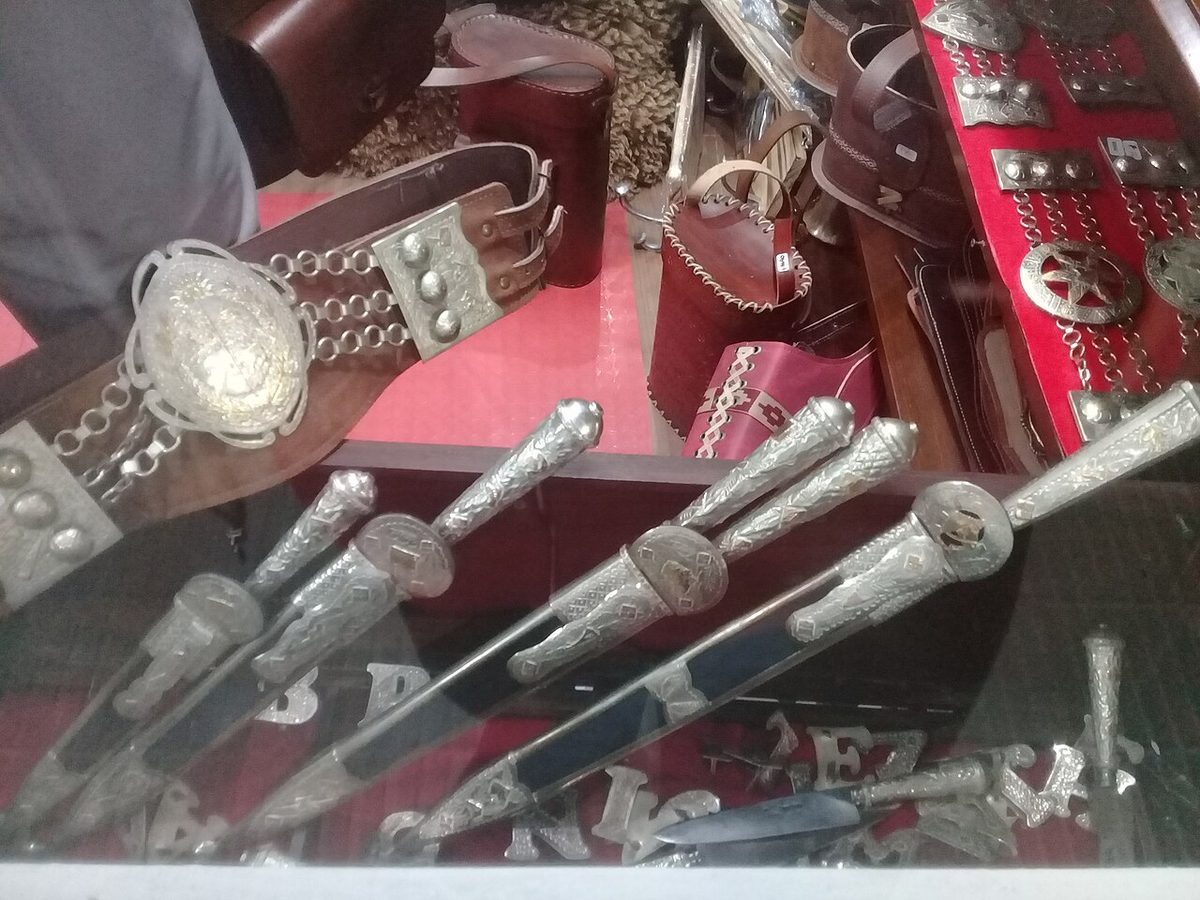
Every piece of gaucho dress earns its place through work, not fashion, which is exactly why it still looks good. Here is how I read a properly turned-out rider, from the ground up.
The bombachas are baggy trousers, wide and pleated through the thigh and buttoned tight at the ankle. There is a reason for the cut: room to grip a horse all day, and a clean line into the boot so nothing snags. Above them sits the rastra, a broad leather belt faced with old silver coins, part workwear and part bank account, since a man’s wealth could literally be worn around his waist.
At the small of the back, tucked into that belt, rides the facón, a long single-edged knife. It is the single most important object a gaucho owns. He skins with it, eats asado off the point of it, repairs tack with it, and historically settled arguments with it. Over the shoulders goes the poncho, a thick woven-wool rectangle with a slot for the head that doubles as a coat, a blanket and, draped over the forearm, a shield in a knife fight.
On the head sits the boina, the flat wool beret, or sometimes a wide-brimmed felt hat with a chin cord. A neckerchief knots at the throat. Around the legs you will see the chiripá on older or more formal riders, a cloth wrapped and tucked like a diaper-skirt that predates the bombachas. And then the genuinely essential kit: a mate gourd and its kettle, never far from reach.
The last and most important “item” is alive. The criollo horse is the breed that carried all of this. Descended from Iberian stock gone wild on the Pampas, the criollo is small, plain-looking, almost ugly to an eye trained on thoroughbreds, and astonishingly tough. It works on poor grass, walks all day, and recovers from things that would finish a fancier animal. A gaucho judged himself, and other men, on horsemanship above almost everything.
Skills and daily life on the campo
Strip away the romance and the gaucho’s job was hard, repetitive and often lonely. The core skill was working cattle from the saddle: rounding them up, moving them, separating them, branding, castrating, and dragging the dead weight of a downed animal with a rope dallied around the saddle. Roping was an art. So was throwing the bolas. So, less gloriously, was mending fence once the fences arrived.
He could plait rawhide into rope, reins, hobbles and whips, a craft called soguería that is still prized. He could read weather, water and the temperament of an animal at a glance, like my colt-watching friend. He carried almost nothing because he needed almost nothing, and that minimalism hardened into a value. Self-sufficiency was not a lifestyle slogan out there. It was the difference between getting home and not.
The diet was famously narrow: beef, beef, mate and more beef, with some bread or the odd empanada. Darwin marvelled that men could ride for weeks on meat alone. That monotony, though, produced the two rituals that outlived the whole way of life, and they are worth their own section.
Mate and asado: gaucho heritage you can still taste
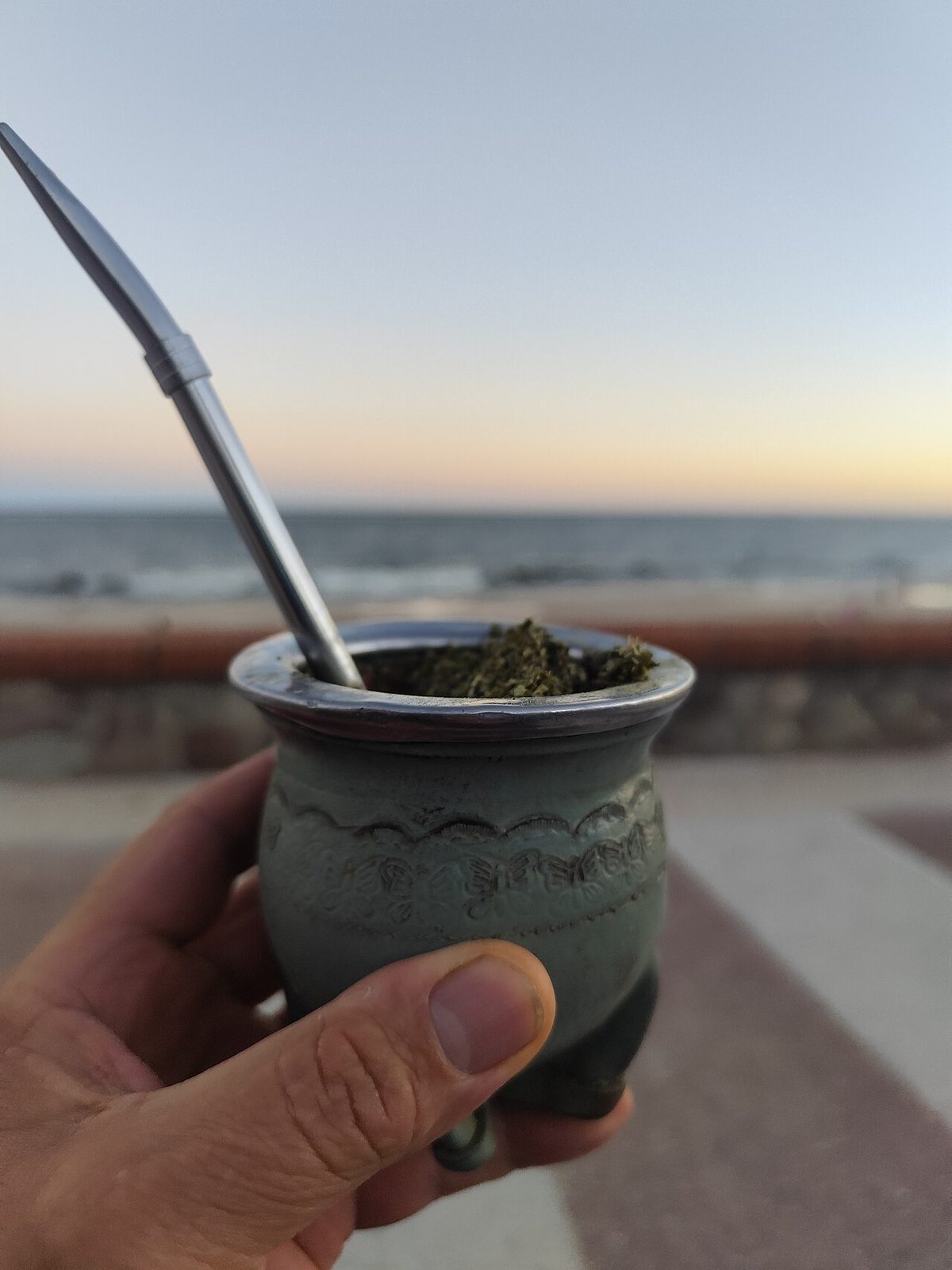
If you want to understand the gaucho without owning a horse, drink mate and eat asado. Both are direct inheritances from the campo, and both are still daily life for ordinary Uruguayans, not folklore.
Mate is the bitter green infusion of dried yerba leaves, packed into a gourd, drunk through a metal straw called a bombilla, and refilled from a thermos of hot water. On the lonely ranches it was caffeine, breakfast and company. Crucially, it is shared: one gourd, one straw, passed around a circle, each person drinking it dry before it goes back to the cebador who pours. That sharing is the whole point. Hand someone mate and you are saying you trust them. Uruguayans carry the thermos under one arm everywhere, to the beach, the bus, the office, and it traces straight back to the gaucho’s saddlebag. I go deeper on the etiquette in my guide to mate in Uruguay, and it is worth learning before you travel, because refusing the gourd clumsily can land badly.
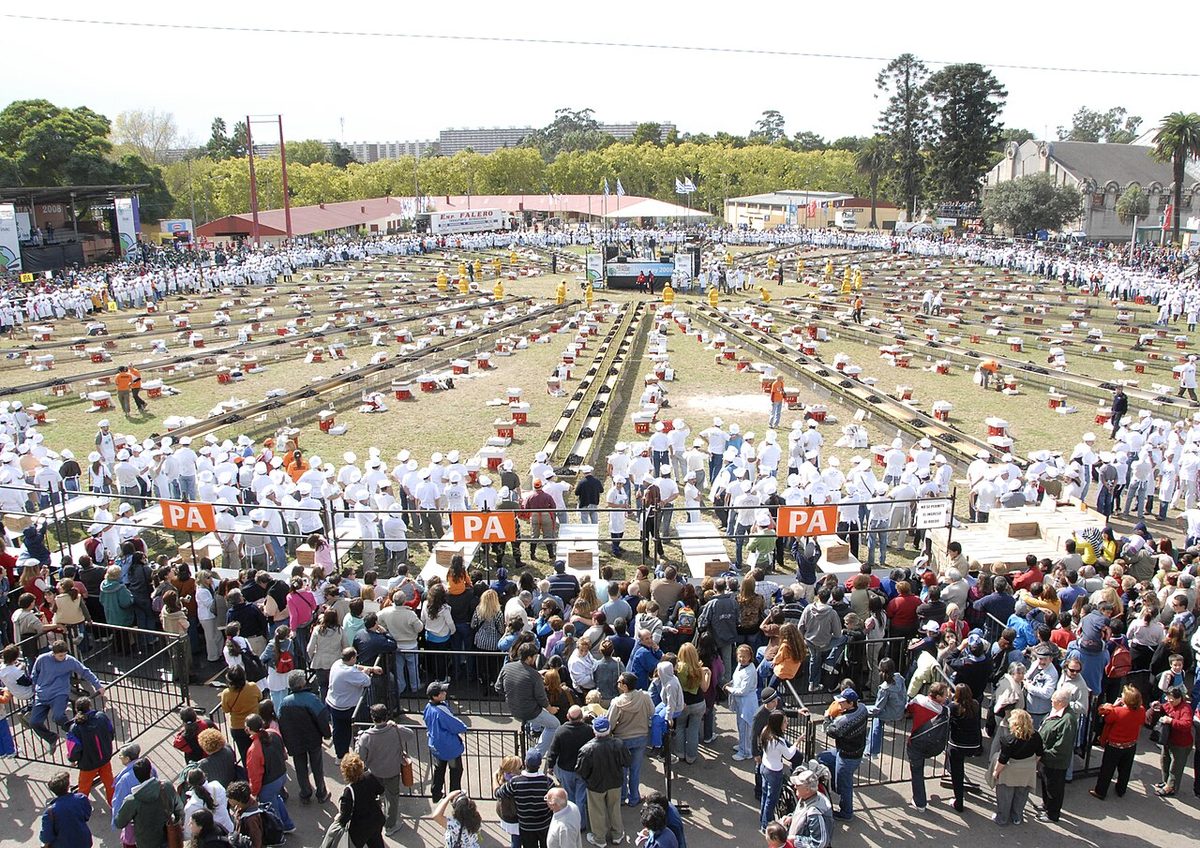
Asado is the other half. It is not “a barbecue” in the burger sense. It is slow wood or charcoal fire, a long iron parrilla (grill), and an unhurried afternoon turning cuts of beef, sausage and offal over coals while everyone stands around with a glass and an opinion. The gaucho cooked this way out of necessity, a slaughtered animal and an open fire, and the showpiece version, asado con cuero (beef cooked with the hide still on), still appears at rural festivals. The modern Uruguayan asador is the direct cultural descendant of that campfire cook. For the full method and the cuts, see my breakdown of the Uruguayan asado; for where it sits in the wider menu, Uruguayan food covers the rest.
The gaucho in national identity, literature and music
Here is the paradox at the centre of all this. The gaucho was often despised in his own lifetime, a rootless, knife-carrying, gambling vagabond in the eyes of respectable town society. Then, almost the moment barbed wire finished him off, he was promoted to national hero. The free horseman became the symbol of everything a modernising, immigrant-filled country felt it was losing.
Literature did the heavy lifting. A whole genre, literatura gauchesca, grew out of the gaucho’s own ballads and legends. The towering text is José Hernández’s epic poem El Gaucho Martín Fierro (1872), which turned a hounded outlaw cowhand into a folk archetype across the River Plate; Ricardo Güiraldes’s novel Don Segundo Sombra (1926) gave the figure an elegiac, vanishing-world glow. These are Argentine landmarks, but the gaucho is shared property, and Uruguay claims him just as hard.
Music carried it too. The payada is the gaucho art form that still raises the hairs on my arm: two payadores with guitars improvising sung verse at each other, a duel of wit and rhyme, each forced to answer the other on the spot. It is rap battling with a 19th-century accent, and it predates rap by a century and a half. You will also hear it in milonga rhythms and folk songs across the countryside.
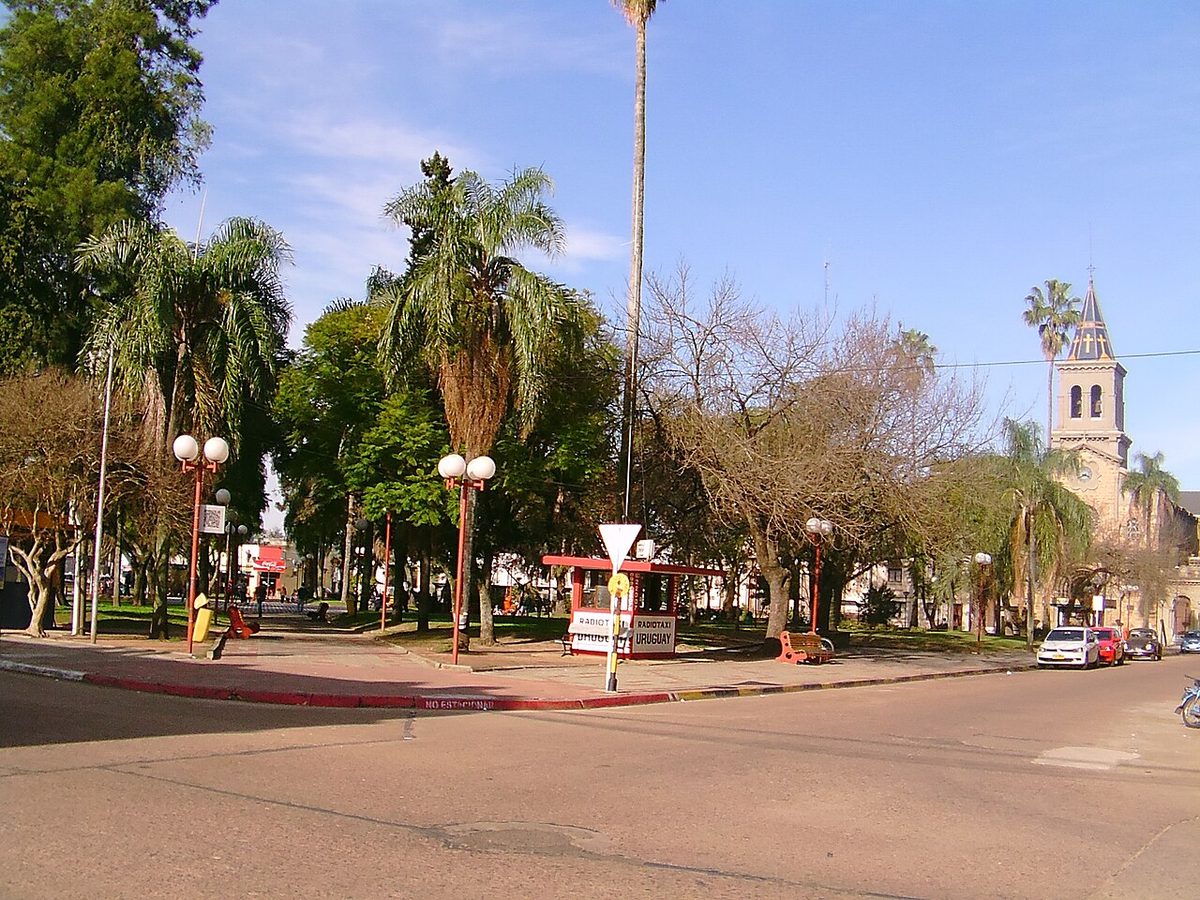
Uruguay’s specific contribution is to anchor the whole myth geographically. The town of Tacuarembó, deep in the cattle north, frames itself as the heart of the Patria Gaucha, the “gaucho homeland,” and the festival there (more on that below) is essentially a national act of remembering. The gaucho sits alongside football and a few other things in the national self-image; if you want the broader inventory, I keep one in what Uruguay is known for, and the country’s reverence for its football shares some of the same stubborn, underdog DNA.
Gaucho culture today: where it actually lives
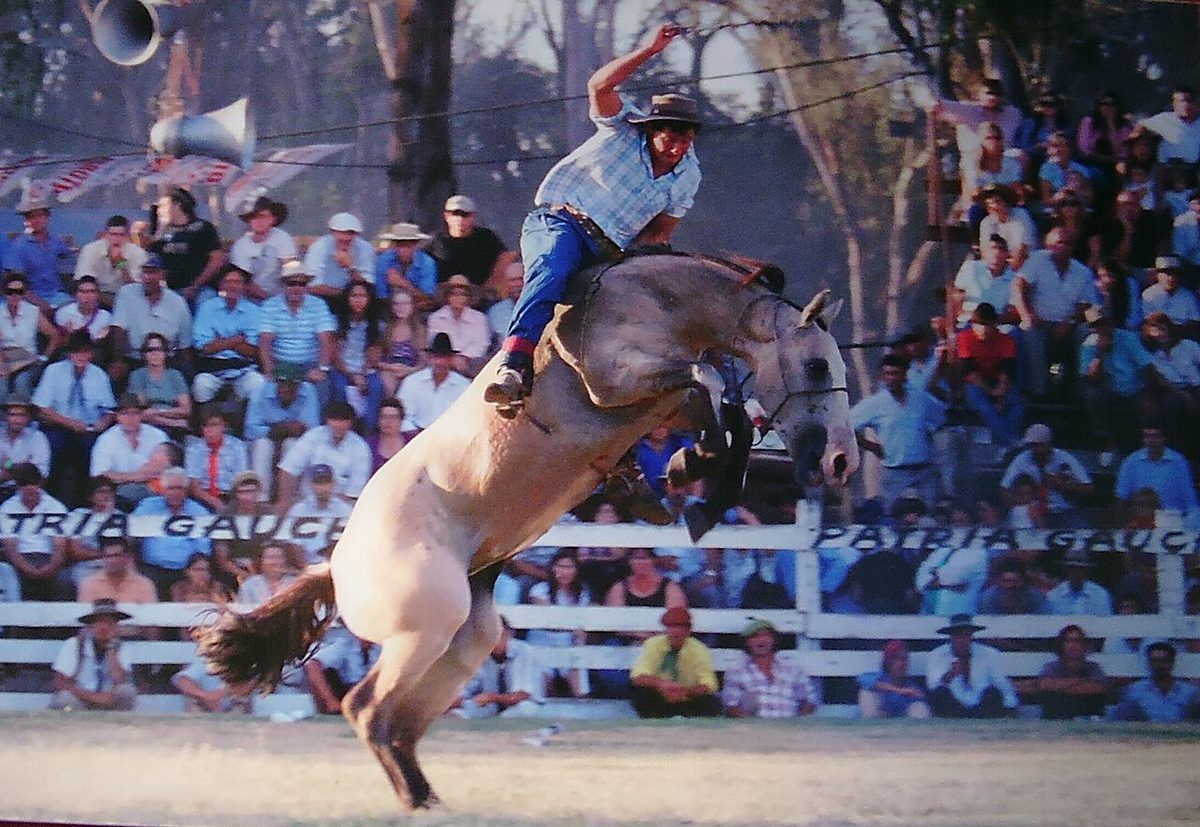
The honest truth is that the gaucho is now part working reality, part heritage performance, and the two overlap. There are still men and women who genuinely make a living on horseback on Uruguayan estancias, mostly in the cattle departments of the north and centre. There is also a thriving revival culture, the tradición, kept alive by sociedades criollas (criollo societies) whose members ride, dress and compete to keep the old skills from dying. Both are real. Neither is a theme park, though some tourist versions edge close.
What this means for you is that experiencing gaucho culture is genuinely possible, but you have to choose your door carefully. Below are the four I’d point a friend toward, each with its honest catch.
Stay on a working estancia
The single best way in is to sleep on a ranch. Many Uruguayan estancias take guests, and the good ones still run real cattle operations, so you ride with people who actually work, help move a herd, watch branding, eat asado the family cooked, and drink mate at the right pace. The catch: quality varies enormously. Some “estancia turística” places are essentially countryside hotels with a token horse, and a day rate that buys you a costume photo, not a craft. Ask whether it is a working ranch and who you’ll be riding with before you book. My guide to estancia stays and the broader estancia overview sort the genuine from the staged, and a ranch night is one of the best things to do in Uruguay full stop.
Semana Criolla in Montevideo
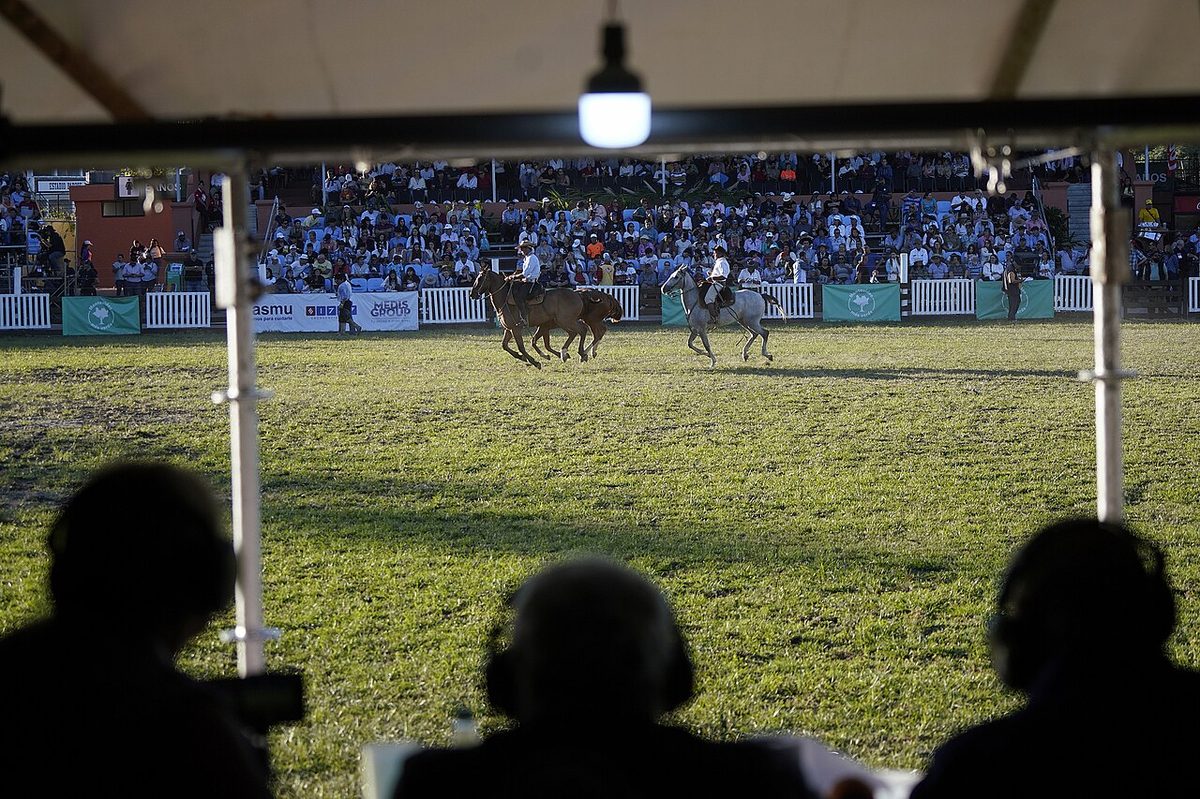
During Holy Week (Semana Santa), Montevideo’s Prado park hosts the Semana Criolla, a week of rodeo, jineteada (bronc-riding on unbroken horses), folk music, crafts and a great deal of asado. It is the most accessible gaucho event in the country, right in the capital, no long drive required. The catch: it is firmly a city festival, polished and crowded, so the jineteada is the real draw while the edges feel like a fairground. Go for the riding. I cover dates and logistics in my Semana Criolla guide.
Fiesta de la Patria Gaucha, Tacuarembó
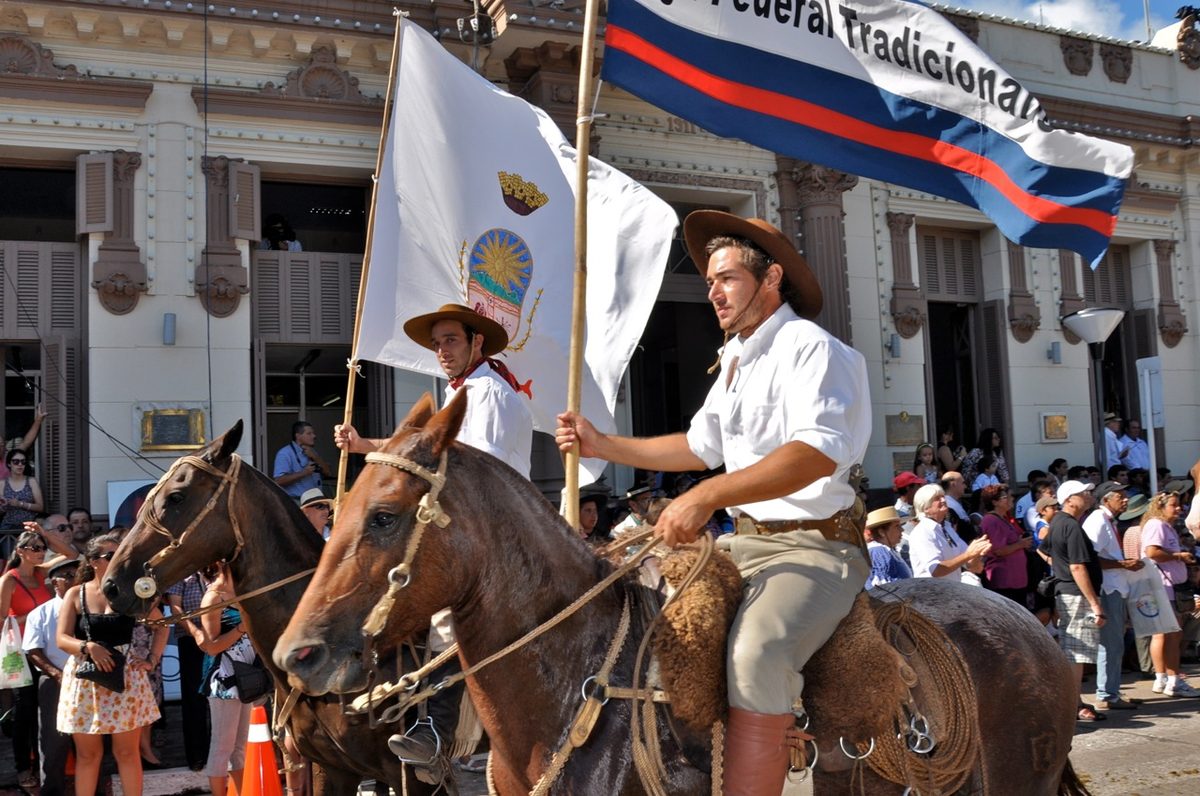
If you only do one, make it this. Held over roughly nine days each March in Tacuarembó (running 7–15 March in 2026) and founded back in 1986, the Fiesta de la Patria Gaucha is the deep end. Around four thousand riders parade through town in full kit. Criollo societies build full-scale fogones, painstaking life-size reconstructions of period ranch homesteads, and live in them for the festival. There is hardcore jineteada on criollo horses using the traditional Basto Oriental saddle, roping competitions, payada, folk concerts, even a misa criolla (a countryside Catholic mass). The catch: Tacuarembó is a four-to-five-hour haul north of Montevideo, beds book out months ahead, and it is hot, dusty and packed. It is also the most authentic gaucho gathering you can attend. Plan early; it’s a fixture on my Uruguay festivals calendar.
Sunday criolla rodeos and small-town rides
The least touristy option is the most ordinary one. Across the interior, villages hold jineteadas and informal horse events on Sundays, especially in winter, with no entrance gauntlet and no English narration. You stand at the rail with families, the asado smoke drifts over, and nobody is performing for you. The catch is precisely that nobody is performing for you: there’s no schedule online, no tour bus, and you’ll need a car, some Spanish and a willingness to ask around. For me that effort is the whole reward, and it’s the kind of detour I file under Uruguay’s quieter corners.
How to experience gaucho culture without the cringe
A few hard-won pointers. Time your trip to a real event if you can: March for Patria Gaucha, Holy Week for Semana Criolla, any winter Sunday for a village rodeo. Base yourself in the interior, not the coast, the cattle country of Tacuarembó, Salto, Durazno and Cerro Largo is where the culture is thickest, a long way from the beaches.
Learn the mate ritual before you go so you don’t fumble the gourd. Eat the asado slowly and never rush the cook. And drop the word gauchada into conversation when someone does you a kindness, because it still means exactly that, a good turn, a favour, the gaucho’s hospitality distilled into a single noun. If you’re routing a wider trip, the country’s national parks and grassland reserves give you the same big-sky landscape the gaucho actually rode through.
Gaucho culture: your questions answered
What is a gaucho, in simple terms?
A gaucho is the traditional horseman and cattle-herder of the Uruguayan and Argentine grasslands, roughly the South American equivalent of the North American cowboy. Historically he was a skilled, semi-nomadic rider who could survive on the open plains with little more than a horse, a large knife and a steady supply of mate, working half-wild cattle for hides and meat.
Are gauchos from Uruguay or Argentina?
Both, and Brazil’s far south too. The gaucho belongs to the whole Río de la Plata grassland region, which ignores modern borders. Uruguay’s particular claim is strong: gaucho militias fought for its independence under José Artigas, and the town of Tacuarembó styles itself the heart of the “gaucho homeland.” Argentina produced the famous gaucho literature. The tradition is genuinely shared, and locals on each side feel real ownership.
Do real gauchos still exist today?
Yes, though fewer and changed. Working ranch hands still herd cattle on horseback across rural Uruguay, particularly in the northern cattle departments, and they use the same skills and much of the same gear. Alongside them, criollo societies keep the older traditions alive through festivals and competitions. What largely vanished, after barbed wire and the meatpacking industry arrived, was the free, landless, roaming gaucho of the 1800s.
What do gauchos wear and carry?
The classic kit is bombachas (baggy riding trousers gathered at the ankle), a wool poncho, a boina (beret) or wide felt hat, leather boots and spurs, and a rastra, a wide belt studded with silver coins. At the back of the belt sits the facón, a long all-purpose knife. A mate gourd and kettle are near-constant companions, and the whole outfit was built for long days on a criollo horse.
What is the best place to experience gaucho culture in Uruguay?
For depth, the Fiesta de la Patria Gaucha in Tacuarembó each March, the country’s biggest gaucho gathering. For convenience, Montevideo’s Semana Criolla during Holy Week. For everyday authenticity, a stay on a working estancia, or a winter Sunday jineteada in any interior village. Each offers a different slice, from polished festival to unguarded local rodeo.
What does the word “gaucho” mean?
There’s no firm consensus. Leading theories trace it to the Quechua huachu, meaning orphan or vagabond, or to an Arabic-rooted word for a herding whip. The term first appears in writing around the 1810s, the independence era. The uncertainty suits the figure: an outsider who belonged to no master and no fixed place, named by a word nobody can pin down.
Final thoughts
Go for the real version. The gaucho is easy to reduce to a postcard, a man in a beret holding a steak knife, and the tourist economy will happily sell you that flattened image over dinner. But the actual tradition is richer and more honest: a hard horseback life that built a country’s sense of itself, then survived its own ending by becoming memory, music and ritual.
Drink the mate that’s offered. Stand at the rail at a small-town rodeo where nobody’s performing. Sleep one night on a working ranch and let someone tell you a horse is lazy, not frightened. That, more than any folklore show, is how you’ll understand why this small, stubborn country still measures itself against a man on a criollo horse.
Credits & sources
Sources & further reading
- Encyclopaedia Britannica: Gaucho — history, gear and the literatura gauchesca.
- Bradt Guides: The Uruguayan Gaucho — Uruguay-specific origins, Darwin’s 1832 account, and where to see the culture.
- Fiesta de la Patria Gaucha — the Tacuarembó festival, its history and events.
- Encyclopaedia Britannica: José Gervasio Artigas — the gaucho leader and father of Uruguayan independence.
Photo credits
All images via Wikimedia Commons: Gauchos Uruguay Horseback by Andrés Franchi Ugart… (CC BY-SA 3.0); Gaucho Clothing Facon Rastra by Diosverde (CC BY-SA 4.0); Mate Gourd Uruguay by Hebert Fuentes (CC BY-SA 4.0); Asado Parrilla Uruguay by Andrés Franchi Ugart… (CC BY-SA 3.0); Jineteada Rodeo Tacuarembo by Carohv91 (CC BY-SA 4.0); Semana Criolla Montevideo by Agustín Fernández (CC BY-SA 4.0).