Tacuarembo & Valle Eden: Gaucho Capital and the Gardel Mystery (2026)
The first time I explained why I was driving north of Montevideo, the man at the petrol station just nodded and said, “Ah, Gardel.” Not the gauchos, not the rivers. Gardel. That tells you a lot about this place before you even arrive.
Tacuarembo Uruguay in a nutshell
Tacuarembo Uruguay is a city and department in the country’s north, about 390 kilometres and five hours by road from Montevideo. It calls itself the nation’s gaucho capital, hosts the big Patria Gaucha festival, and anchors visits to nearby Valle Edén and the contested birthplace of tango legend Carlos Gardel. It is rural, quiet, and proudly traditional.
Here is the orientation that took me a day on the ground to work out. The department of Tacuarembó is one of Uruguay’s largest and emptiest, a vast sweep of grassland, low hills and rivers in the country’s interior, far from the coast that draws most visitors. The city of Tacuarembó is its capital, a tidy provincial place of around 55,000 people built around a central plaza. Almost everything a traveller comes for is either in town or within a 25-kilometre arc of it, with Valle Edén the standout day trip to the west. If you have been working your way through Uruguay’s coast and want to see the other half of the country, this is the kind of place to do it. It pairs naturally with a wider Uruguay road trip through the interior.
| At a glance | Tacuarembó |
|---|---|
| Where | Northern Uruguay, interior; capital of Tacuarembó department |
| From Montevideo | ~390 km; ~5 hours by bus or car |
| Known for | Gaucho heritage, Patria Gaucha festival, Carlos Gardel claim, Valle Edén |
| Day trip | Valle Edén, ~23 km west via Route 26 |
| Best season | Spring (Sep–Nov) and autumn (Mar–Apr); March for the festival |
| Honest drawback | A long way north; quiet and agricultural, not a resort town |
The city itself: gaucho capital with something to prove
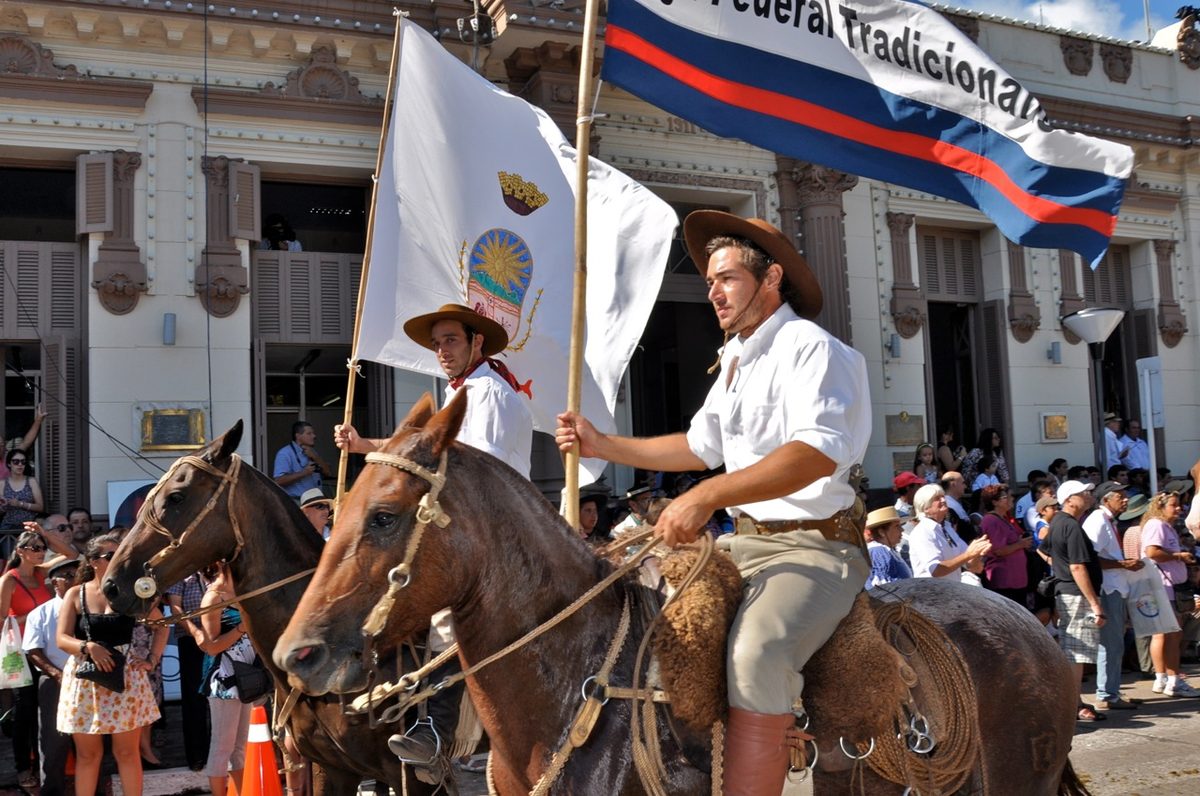
Tacuarembó wears its identity openly. A gaucho is the South American cowboy of the pampas and grasslands, the mounted herder who became a national folk hero across Uruguay and Argentina, and this city has made itself the capital of that culture in Uruguay. You feel it in small ways: the saddlery shops, the men in berets and bombacha trousers running errands, the way “criollo” (meaning native-born, of the land, traditionally Uruguayan rather than imported) gets used as the highest compliment a horse or a person can receive.
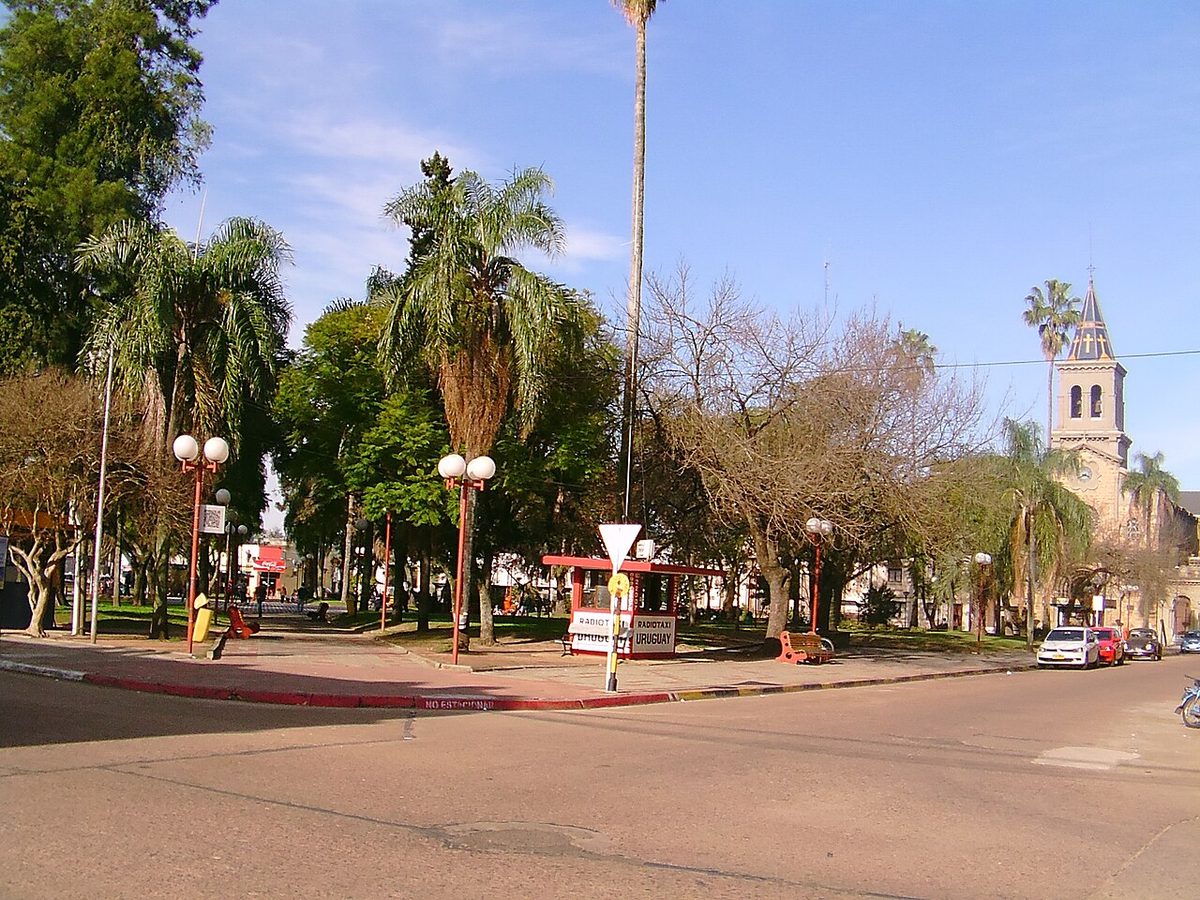
Most of city life orbits Plaza 19 de Abril, the main square, laid out back in 1832 and named for the date Uruguay’s independence struggle began. It is shaded, well kept, and ringed by the buildings that run the place: the cathedral of San Fructuoso, the old government house, and the former Teatro Escayola. The plaza sits on Avenida 18 de Julio, the main drag, which is where you will find most of the cafes, the ice cream, and the slow evening walk that every Uruguayan town does once the heat lifts.
It is an easy town to like and an easy one to exhaust. Honestly, you can see central Tacuarembó properly in an afternoon. The reason to come is what the city anchors rather than the city alone: the heritage, the festival in March, the rivers in summer, and above all the green valley to the west. If gaucho life is your reason for being in the country at all, read this alongside our wider guide to gaucho culture in Uruguay before you go.
Valle Edén and the famous footbridge
Valle Edén is the trip that justifies the drive north. It sits about 23 kilometres west of the city along Route 26, near kilometre 208, and the landscape changes as you approach. The open grassland gives way to a genuine valley, wooded and folded, with the Sierra de las Ánimas hills behind it and small streams cutting through. After hours of flat cattle country, it reads almost like a different province.
The hamlet itself is tiny: a little old railway station, a school, a chapel, a handful of houses, and the museum. The thing everyone photographs is the puente colgante, the pedestrian suspension footbridge that swings over the Arroyo Jabonería stream. The first one was put up in 1928 by a local businessman, Gregorio Simón Viera, so people could cross when the stream swelled in the rains. Floods carried off several versions over the decades; the current bridge dates from 1996, built by the Tacuarembó authorities. It bounces a little when you walk it, which is half the fun, and it frames the valley nicely on either side.
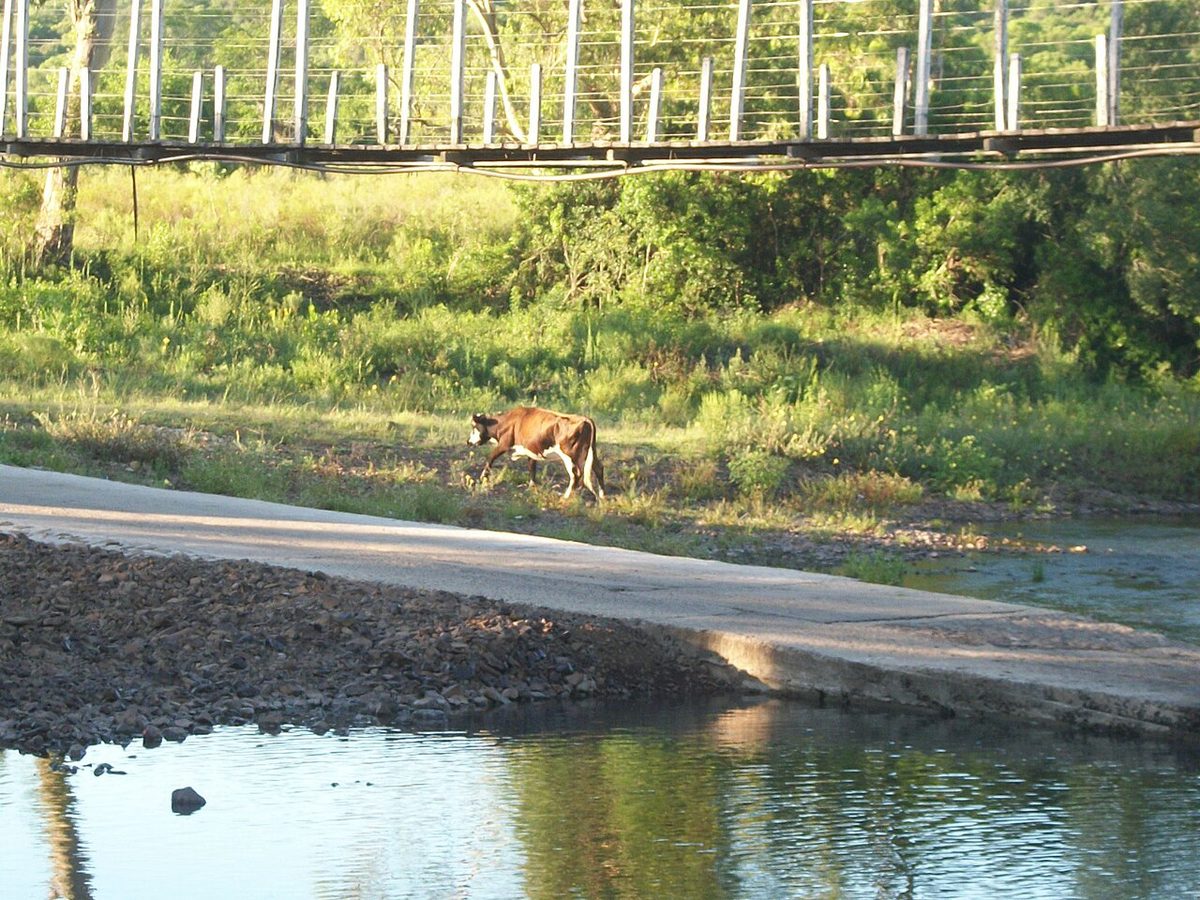
What surprised me most was how complete the little settlement feels for its size. The old Valle Edén railway station, now disused, is a reminder that this quiet hamlet once sat on a working line into the interior, and there is a faded romance to that. A small chapel, the school, a few weathered houses and the constant sound of the stream make the whole place feel suspended in an earlier decade. It is the kind of spot where you slow your walking pace without deciding to.
You can happily spend a few unhurried hours here: cross the bridge, walk the short trails, picnic by the water, visit the museum. There is a small rural hotel in the valley, the Posada Valle Edén, if you want to stay over and feel the quiet properly. One honest drawback: there is very little in the way of shops or services out here, so bring water, cash and snacks rather than expecting to buy them on site. This is one of those places that earns a spot on any list of Uruguay’s quieter corners.
The Carlos Gardel museum and the birthplace debate
Here is where Tacuarembó stakes its boldest claim. The Carlos Gardel museum (Museo Carlos Gardel) sits in Valle Edén, and it is built around the assertion that the king of tango was born nearby in 1887. The collection is modest but heartfelt: photographs, recordings, sheet music, period pieces, and the broader story of the singer who became the voice of Río de la Plata tango before dying in a plane crash in 1935. For anyone who loves the music, standing in a small museum to Gardel in the Uruguayan countryside is genuinely moving.
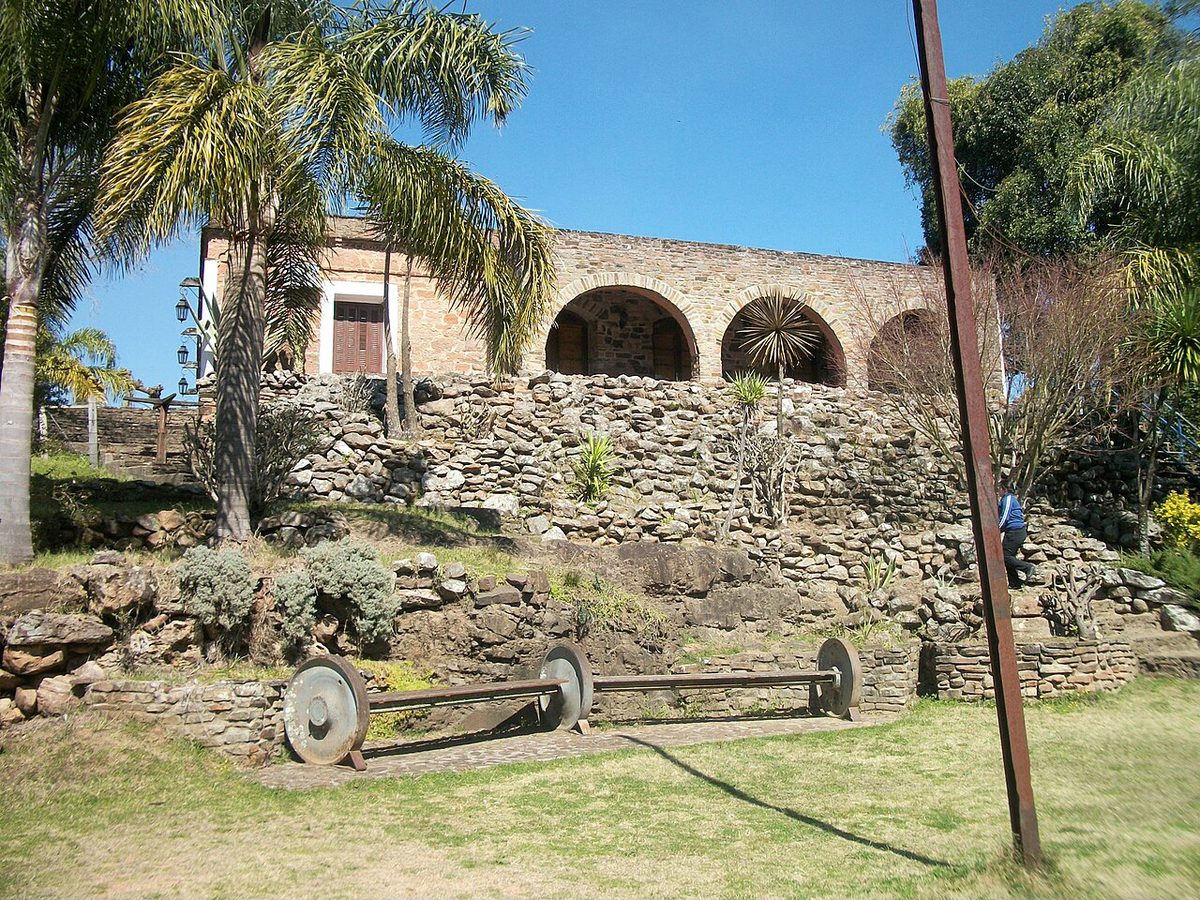
Now the honest part, because you deserve it straight. The birthplace of Carlos Gardel is one of the great disputes of South American popular culture, and three places claim a stake. Tacuarembó says he was born here in 1887, the son of a local woman, and later taken to Argentina. The version most historians accept is Toulouse, in France, in 1890, from which he emigrated as a child to Buenos Aires. And Argentina, where he built his entire career and is buried, claims him as its own in spirit if not by birth.
So what is actually going on? The Tacuarembó theory was put forward in 1967 by the Uruguayan writer Erasmo Silva Cabrera and expanded by others; the museum grew out of it. It is not pure invention, either, because Gardel himself muddied the water. When he applied for Uruguayan citizenship in Buenos Aires in 1920, the paperwork stated he had been born in Tacuarembó in 1887. Why he laid that false trail is debated, but most scholars think it was to obscure a French birth and the awkward fact of having left France at draft age during the First World War.
On the other side, the academic consensus is firm. Historians including Simon Collier and others have worked through French birth and baptismal records, and in 2012 his Toulouse birth certificate was located, which most researchers treat as settling the matter. His friends and family knew him as a French immigrant from Toulouse.
My honest take, for whatever a traveller’s opinion is worth: the documentary evidence points hard at France, and I would not tell you otherwise. But the Tacuarembó claim is part of the place now, sincerely held, and the museum is worth visiting precisely as a window into why a small Uruguayan town wanted so badly to be the cradle of a legend. Go for the music and the story, not for a verdict. The whole tangle is a good lesson in Uruguayan identity, which our overview of Uruguayan culture picks up in more detail.
Gaucho heritage: why this is the tradition capital
Beyond Gardel, Tacuarembó’s deeper identity is rural and gaucho to the bone. The surrounding department is estancia country, the big working cattle ranches that have shaped Uruguay’s interior for two centuries. An estancia is a large livestock ranch, and many in this region still run on horseback the way they always have. If you want to understand the land Tacuarembó sits in, you almost have to spend time on one. Our full guide to the Uruguay estancia experience is the place to start, and it leads on to options for an overnight estancia stay if you want to wake up to the grasslands.
Riding is the natural way in. Several spreads around Tacuarembó offer day rides across open country, and a few hours in the saddle here teaches you more about gaucho life than any museum. I am no horseman, and I still loved it; a steady criollo horse and a patient guide make it accessible. If that appeals, our guide to horseback riding in Uruguay covers what to expect and how to book.
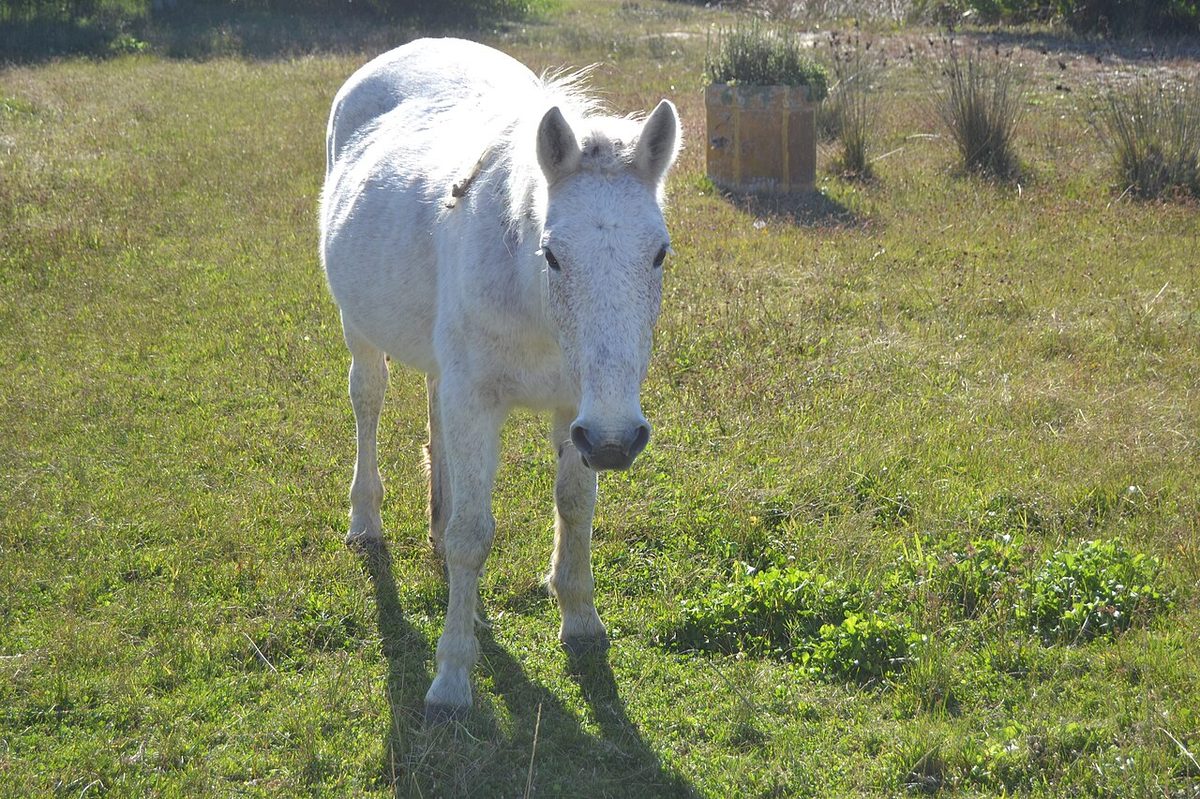
The criollo horse is at the centre of all this, and it is worth understanding why. Criollo, again, means native-born, of the land, and the criollo horse is a tough, compact local breed bred over generations for endurance across exactly this kind of grassland. To a gaucho the horse is not a hobby but a working partner, and the riding skills you see at festivals here, jineteada and the rest, grew out of real ranch work rather than show. Watching it, you start to see how a whole national self-image was built on the back of an animal.
Food and ritual come with the territory. Expect asado, the slow wood-fire barbecue that is less a meal than a social institution, and mate, the bitter green herbal tea sipped through a metal straw from a shared gourd that you will see in every hand, in every truck, at every roadside. Both are everywhere in Tacuarembó, and refusing neither is the friendliest thing you can do.
Crowning all of it is the Fiesta de la Patria Gaucha, a major gaucho heritage festival held in Tacuarembó each March. It draws riders, horse skills, traditional cooking, folk music and crowds from across the country and the wider region, and it is the single best time to see this culture at full volume. I am not going to oversell it here because it deserves its own treatment, but if your dates are flexible, March is the month. You will find it on any roundup of Uruguay’s festivals.
Rivers, balnearios and the slow outdoors
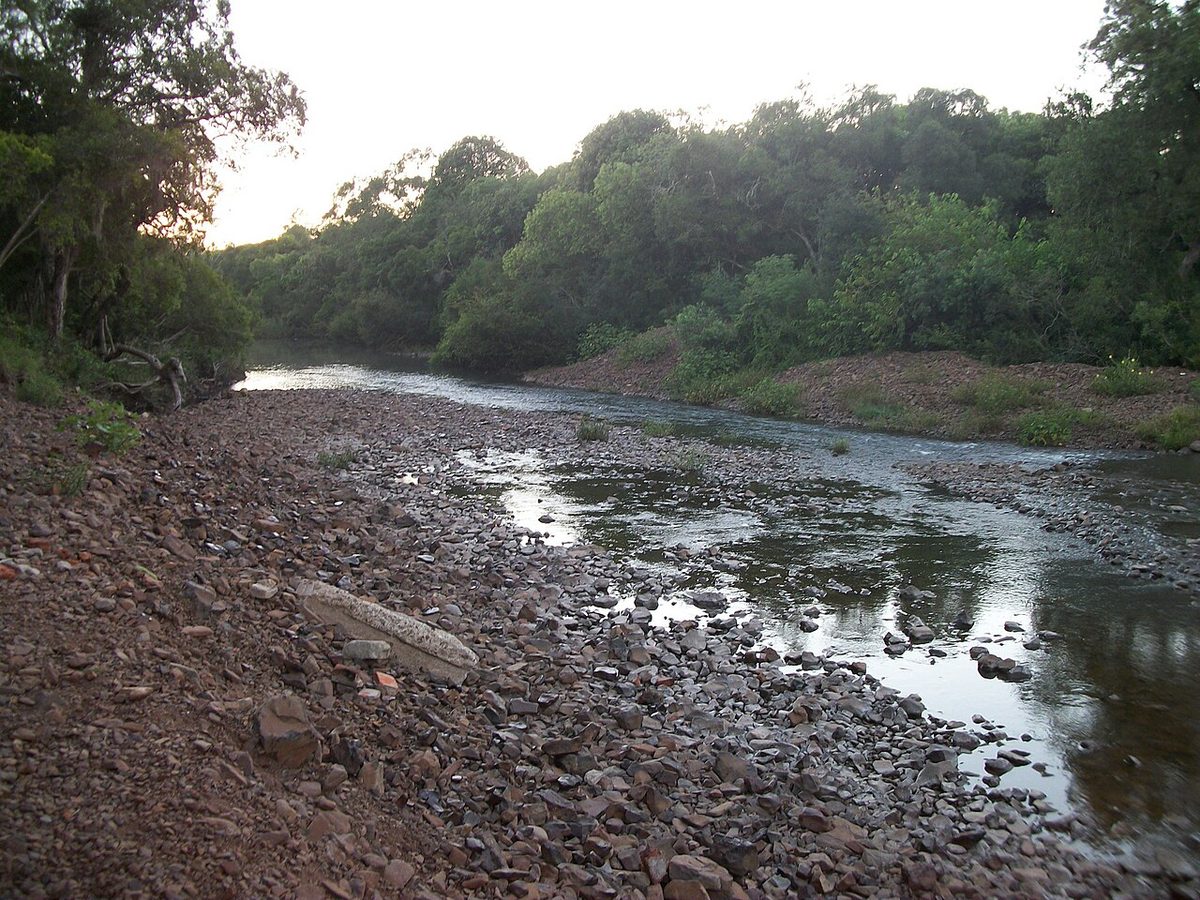
Water is the other thing Tacuarembó does well, especially in summer. The Río Tacuarembó and its tributaries thread through the department, and in the hot months locals head for the balnearios, the river and lake bathing spots with beaches, shade and somewhere to grill, that dot the area. They are unglamorous and lovely, the domestic Uruguay that coastal visitors rarely see.
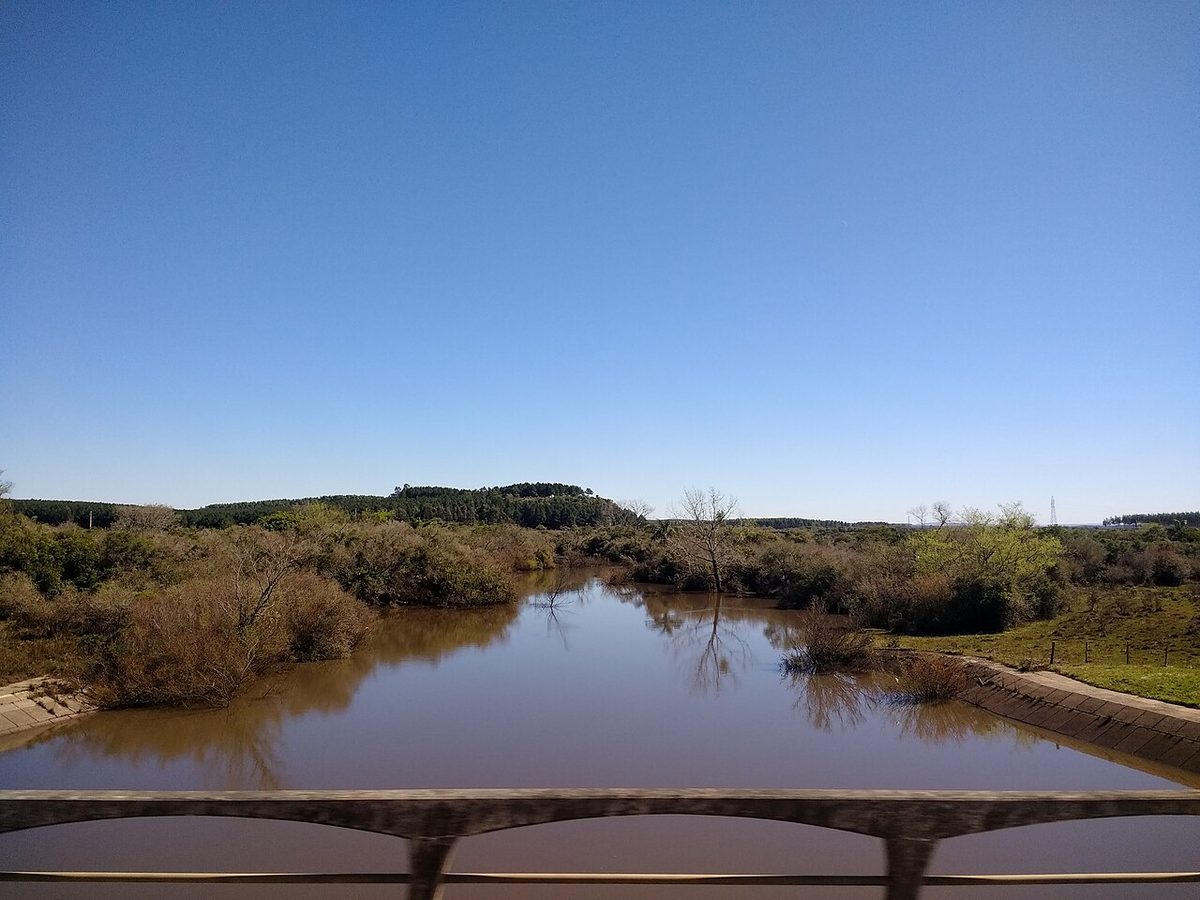
In town, the easy green escape is Laguna de las Lavanderas, the Launderers’ Lagoon, within Parque 25 de Agosto. It was inaugurated in 1910, born oddly from an old stone quarry, and named for the washerwomen who once scrubbed laundry on its banks. Today it is a calm, eucalyptus-shaded lagoon with a rest area, picnic tables, grills and a campsite, and it is where Tacuarembó families have come to cool off for generations. It is a five-minute drive from the centre and a pleasant, unremarkable hour or two.
If you have a car and time, the rolling country around the city rewards aimless driving, with low hills, the odd waterfall and wide skies. None of it is dramatic in the postcard sense, but it is restful, and it pairs well with a broader appreciation of Uruguay’s protected natural areas.
Nearby: San Gregorio de Polanco
One more destination sits within reach if you are basing yourself up here. San Gregorio de Polanco, roughly an hour and a half east of the city on the shore of the Rincón del Bonete reservoir, is a small lakeside town known for its sandy beaches and an open-air mural project that has painted much of the village. It makes a good extension to a Tacuarembó trip rather than a reason to come north on its own, and I will leave the detail there. For getting around the wider interior, our things to do in Uruguay guide sketches how these northern stops connect.
Planning your trip to Tacuarembo Uruguay
How to get there
Tacuarembó is a long haul from the capital, and there is no pretending otherwise. The city lies roughly 390 kilometres north of Montevideo, a drive or bus ride of about five hours, sometimes closer to six with stops. By bus, several companies including Turil run the route daily from Montevideo’s Tres Cruces terminal (the central CUT station), with fares usually around 30 to 45 US dollars return depending on operator and timing. It is a comfortable, straightforward ride on good road. For the full picture, see our guide to getting around Uruguay by bus.
Driving gives you far more, because Valle Edén, the balnearios and San Gregorio all want a car. The roads are paved and quiet, and the route north up Ruta 5 is simple. If you are flying into the country first, our overview of getting to Uruguay and our notes on renting a car in Uruguay will set you up. One honest drawback of driving here: distances between towns are large and services thin, so fuel up when you can and do not count on a petrol station appearing when you want one.
Where to base yourself
The city of Tacuarembó is the obvious base, with the department’s best concentration of hotels, hostels and restaurants, all walkable from the plaza. It is practical rather than charming, but it puts you within easy reach of everything. For a quieter, more atmospheric night, the small Posada Valle Edén out in the valley lets you wake up in the green; just accept that you will be away from town and its dinner options. Many travellers, though, will be passing through on a larger loop, in which case one or two nights in the city is plenty.
When to go
Timing matters more here than on the coast. March is the headline month because of the Patria Gaucha festival, when the city fills and accommodation gets tight, so book ahead. Spring, from September to November, and early autumn give you mild days for walking Valle Edén and the parks. High summer, December to February, is hot but is also when the rivers and balnearios come alive, so it suits a swimming-focused trip. Winter is cool, grey and very quiet, and I would skip it unless you specifically want solitude.
Tacuarembo Uruguay: your questions answered
Is Tacuarembó worth visiting?
Yes, with honest expectations. It is worth the trip if you want gaucho heritage, the green surprise of Valle Edén, the Gardel story and a taste of Uruguay’s rural interior. It is not worth a long detour if you only want beaches and nightlife. Treat it as the country’s other half, slower and more agricultural, and it delivers.
Was Carlos Gardel really born in Tacuarembó?
Probably not, though the town firmly believes so. Tacuarembó claims he was born there in 1887, and Gardel’s own 1920 citizenship papers said the same. But most historians, backed by French records and a Toulouse birth certificate found in 2012, conclude he was born in France in 1890. The museum is still very much worth visiting for the story.
How far is Valle Edén from Tacuarembó?
Valle Edén lies about 23 kilometres west of the city of Tacuarembó, along Route 26 near kilometre 208. By car it is a short trip of roughly 25 to 30 minutes. There is little public transport out there, so a car, a taxi or a tour is the practical way to reach it and the suspension footbridge.
How do I get from Montevideo to Tacuarembó?
By bus, companies including Turil run daily from Montevideo’s Tres Cruces terminal; the journey is about five hours and costs roughly 30 to 45 US dollars return. By car, head north on Ruta 5 for around 390 kilometres, a five to six hour drive. Both are easy on good roads; a car is far better if you want to explore beyond the city.
What is the Fiesta de la Patria Gaucha?
It is a major gaucho heritage festival held in Tacuarembó every March, with horse skills, traditional riding, folk music, criollo cooking and large crowds. It is the biggest celebration of gaucho culture in Uruguay and the single best time to experience the region’s traditions at full strength. If your dates allow, planning around it is well worth the effort.
Final thoughts
Tacuarembó is not the easiest place to reach or the flashiest place to be, and I would never pretend it competes with the beaches or with Colonia for casual charm. What it offers instead is something rarer in a small country: a genuine sense of the interior, a culture that takes itself seriously, a green valley that surprises you, and a beloved myth that the whole town has chosen to believe. Go for the gauchos, go for Gardel, go for the quiet. Just go knowing it is a long way north, and let that be part of the point.
Credits & sources
Sources & further reading
- Carlos Gardel — Wikipedia (birthplace debate and scholarly consensus)
- Valle Edén — Wikipedia
- Visiting Valle Edén — Uruguay’s Ministry of Tourism
- Tacuarembó department tourism — official destinations
Photo credits
All images via Wikimedia Commons: Tacuarembo Uruguay Plaza by Carohv91 (CC BY-SA 4.0); Valle Eden Tacuarembo Valley by Carohv91 (CC BY-SA 3.0); Puente Colgante Valle Eden by Carohv91 (CC BY-SA 3.0); Museo Carlos Gardel Valle Eden by Carohv91 (CC BY-SA 3.0); Tacuarembo Rio Balneario by Mx. Granger (CC0).