Mate in Uruguay: Etiquette & Culture of the National Obsession (2026)
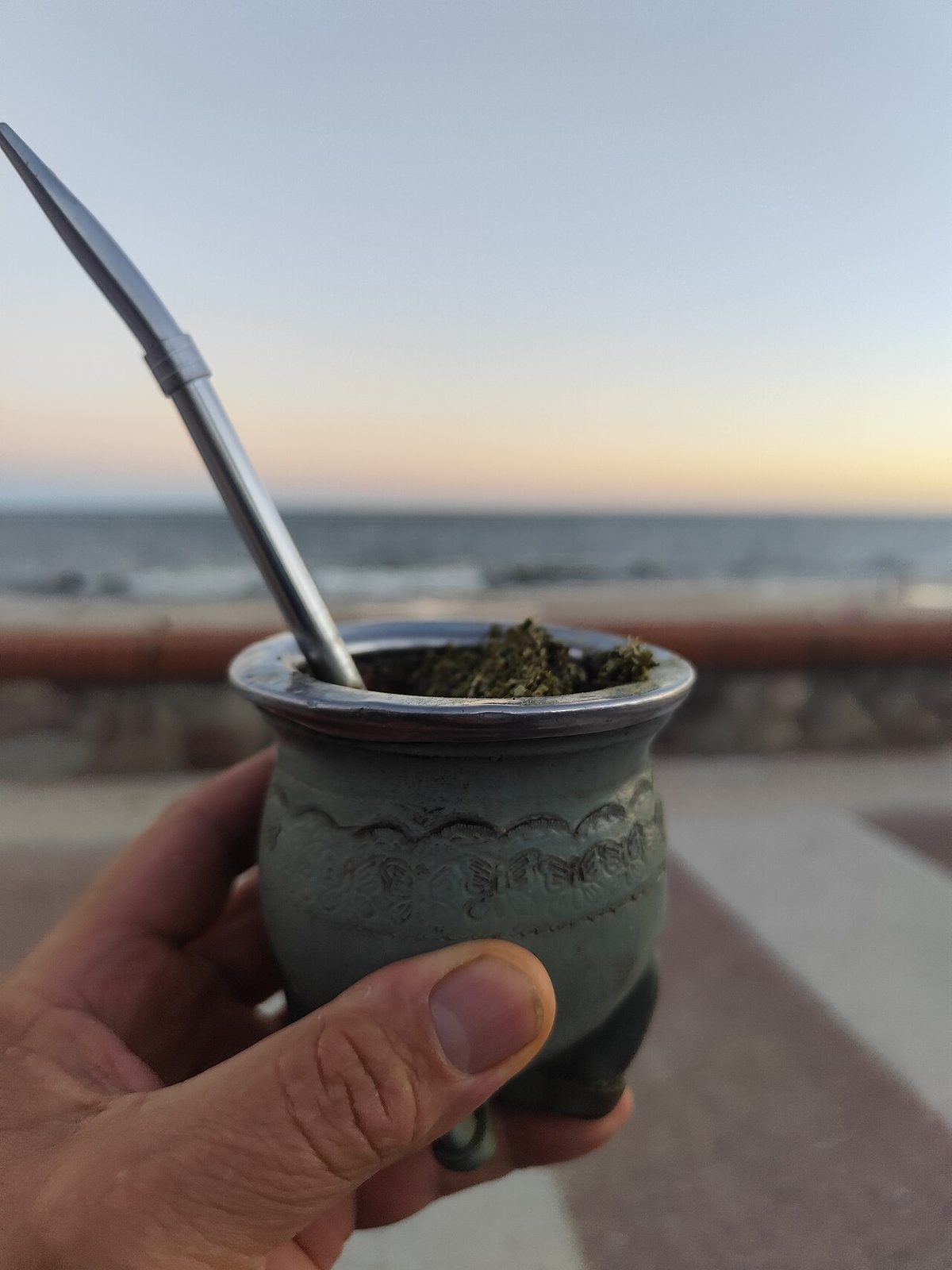
The first thing I noticed in Montevideo was not the architecture or the river the size of a sea. It was the arms. Everywhere, people walked with a thermos pinned in the crook of one elbow and a hollowed-out gourd cupped in the other hand, sipping through a metal straw while they texted, queued for the bus, or pushed a stroller. Nobody seemed to find this remarkable. I did.
By the end of my first week I understood that I had been watching people drink mate Uruguay-style — the single most Uruguayan thing there is. Forget the steak, the beaches, the football. If you want to know how this country actually lives, watch what it drinks, and how.
So let me save you the months it took me to stop committing small social crimes with someone else’s gourd.
Mate Uruguay obsessives will tell you their country drinks more yerba per person than anywhere on earth, and they are right: around 10 kilograms per person per year, ahead of Argentina and far ahead of everyone else. Mate (say “MAH-teh”) is a bitter, caffeine-rich infusion of dried yerba leaves, sipped through a filtered straw from a shared gourd. It is less a beverage than a daily social ritual, and it runs on rules nobody writes down.
This guide covers what mate actually is, the gear you will see, how to prepare and drink it step by step, the unwritten etiquette that trips up every visitor, how Uruguay’s version differs from its neighbours, which yerba to buy, and how you, as a traveller, can try it without embarrassing yourself. It sits inside our wider guide to Uruguayan food and drink, so think of this as one deep dive in a much larger meal.
Mate in Uruguay at a glance: the gear
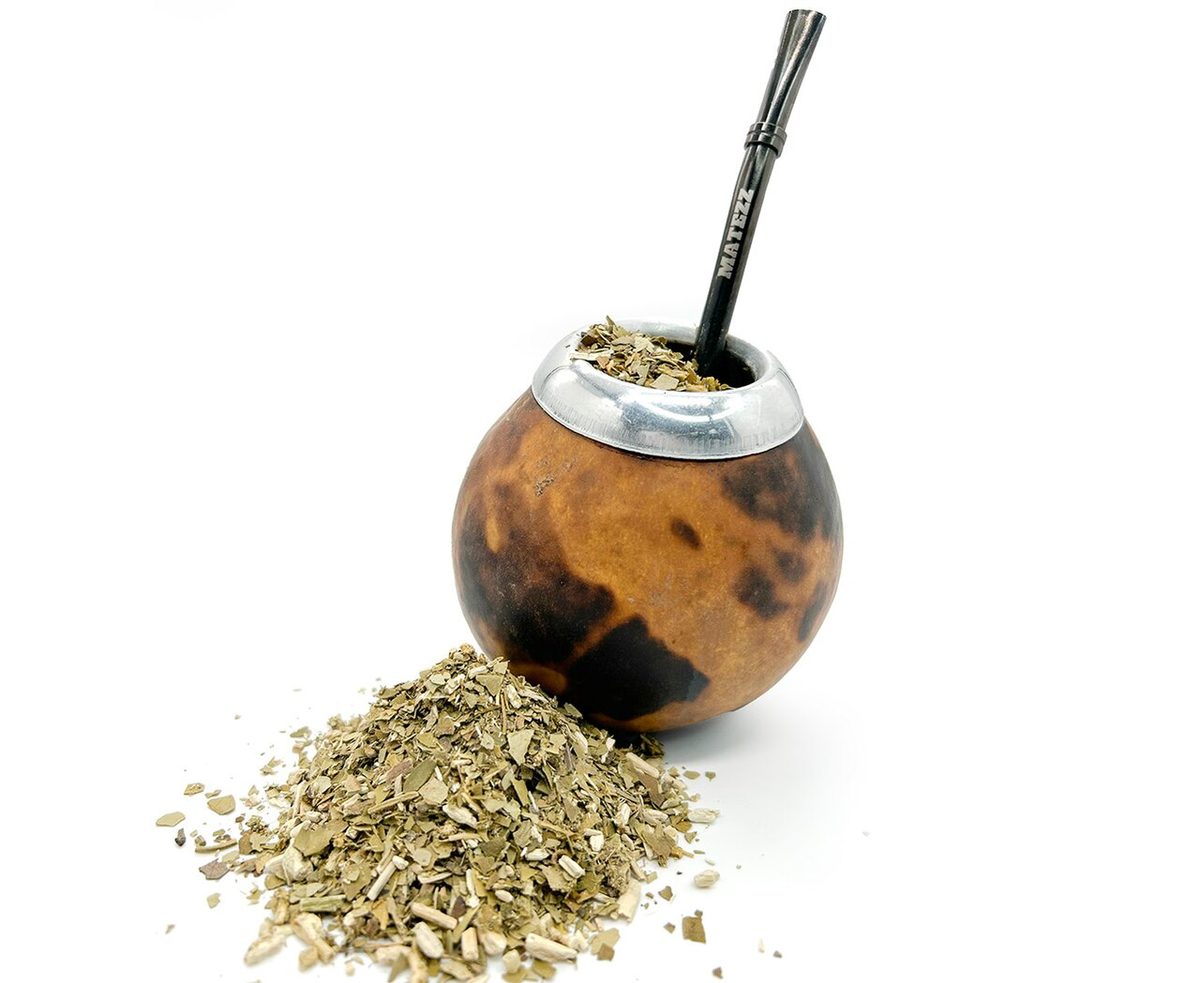
Before the etiquette, the kit. Four objects do all the work, and you will see every one of them within an hour of landing. Here is the quick version.
| Item | What it is | Traveller tip |
|---|---|---|
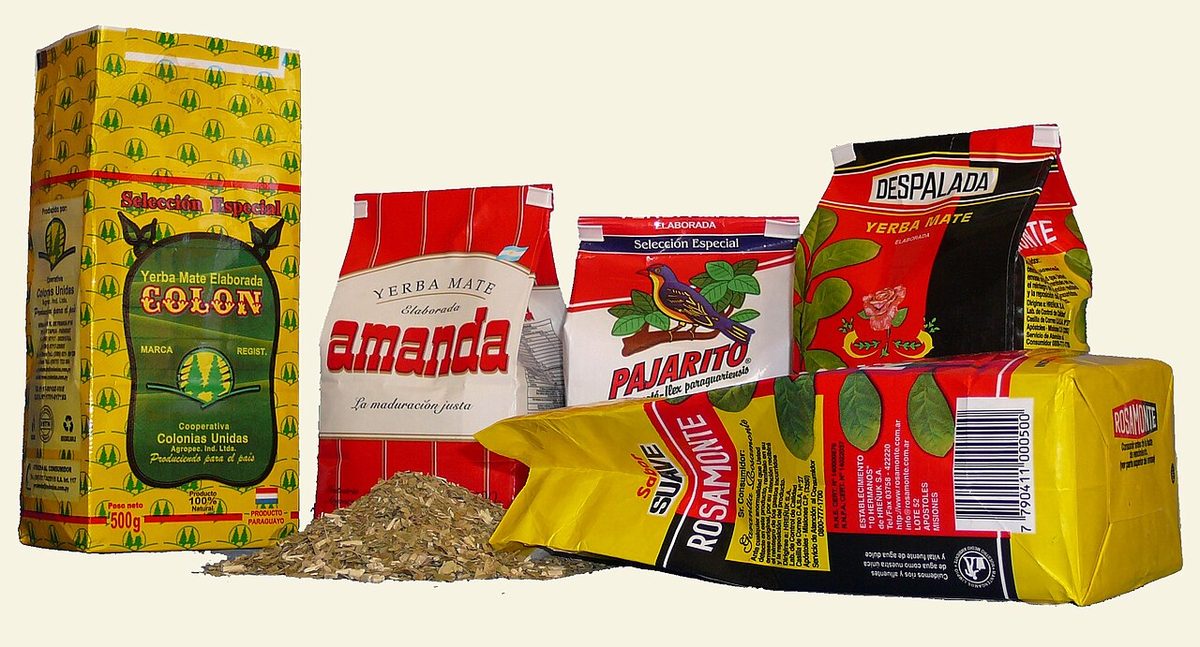
| Yerba | The dried, milled leaves of Ilex paraguariensis, a holly relative. Uruguayan yerba is finely ground, dusty, with few stems. | A 1 kg bag costs around US$4 to US$7 in any supermarket. Start with Canarias. |
| Mate (the gourd) | The cup you drink from, confusingly also called “mate.” Traditionally a hollowed calabash; also wood, ceramic or steel. | A new gourd must be “cured” before first use, or it tastes of raw squash. |
| Bombilla | A metal straw with a filtered, flattened end that strains the leaves as you sip. | Alpaca (nickel silver) ones are cheap and last for years. Around US$5 to US$15. |
| Termo (thermos) | The flask that keeps water hot all day. The Uruguayan accessory. | Locals swear by Uruguayan brands like Lumilagro; they hold heat far longer than gas-station flasks. |
Note the double meaning of “mate”: it is both the whole ritual and the specific cup. Context tells you which. When a Uruguayan says “vamos a tomar unos mates,” they mean let’s share some rounds, not let’s drink some gourds.
What mate actually is
Yerba mate (just “yerba” in conversation) comes from a holly tree native to the subtropical zone where Paraguay, southern Brazil, northeast Argentina and parts of Uruguay meet. The Guaraní people drank it long before the Spanish arrived. The leaves are harvested, dried, sometimes aged, then milled into the green-brown blend you spoon into the gourd.
Caffeine is the point, sort of. Mate delivers a steady, even lift, closer to green tea than to a slammed espresso, plus a grassy, vegetal bitterness that takes some getting used to. I will be honest with you here, because the rest of this guide assumes you trust me: the first few mates taste like lawn clippings steeped in warm water. Push through. Around the fourth or fifth round, something clicks and you start to crave it. That switch is real, and most visitors who give it a fair shot find it.
One word you need: amargo, meaning bitter, which in Uruguay also means “without sugar.” Uruguayans drink mate amargo almost universally. No sugar, no honey, no orange peel, no fuss. We will come back to why that matters when we compare neighbours.
The gourd, the bombilla and curing
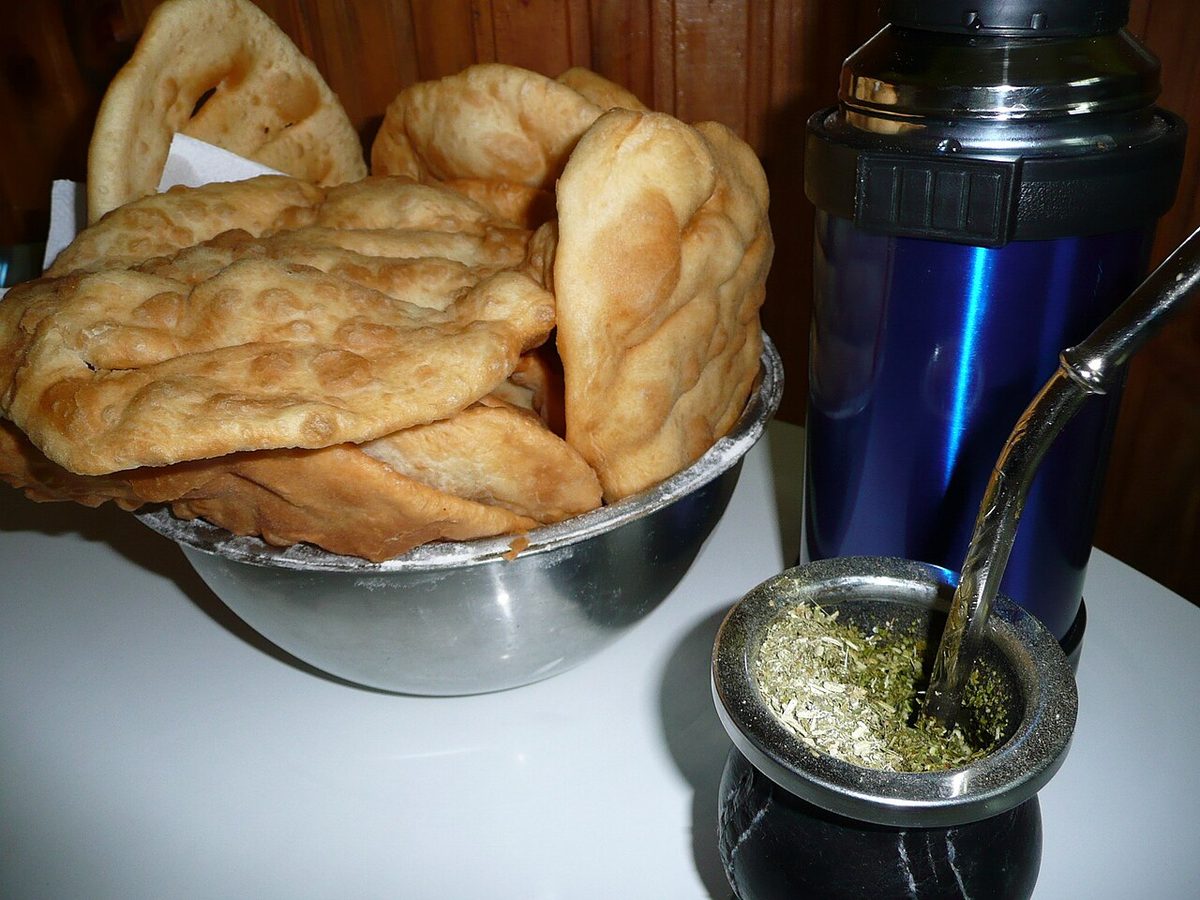
Calabash gourds are the classic vessel, often dressed in a leather or metal collar and sometimes beautifully tooled. Wood, ceramic and stainless steel versions all exist; steel is the low-maintenance choice and what I would buy as a daily traveller cup. Whatever the material, the shape funnels the yerba and water so the bombilla sits in a wet pocket at the bottom.
A new natural gourd needs curado (curing) before you drink from it. The short version: pack it with damp used yerba, fill with warm water, leave it overnight, scrape out the soft inner pulp with a spoon, and repeat a couple of times over a few days. Skip this and your first mates taste of raw vegetable. A steel or glass mate needs none of this, which is another reason it makes a sensible souvenir.
The bombilla is the clever bit: a straw, usually nickel silver (“alpaca”), with a perforated or spring-loaded filter at the bottom that keeps the fine yerba out of your mouth. It also gets hot, so you sip from the side, not the tip.
The termo and the thermos-under-the-arm
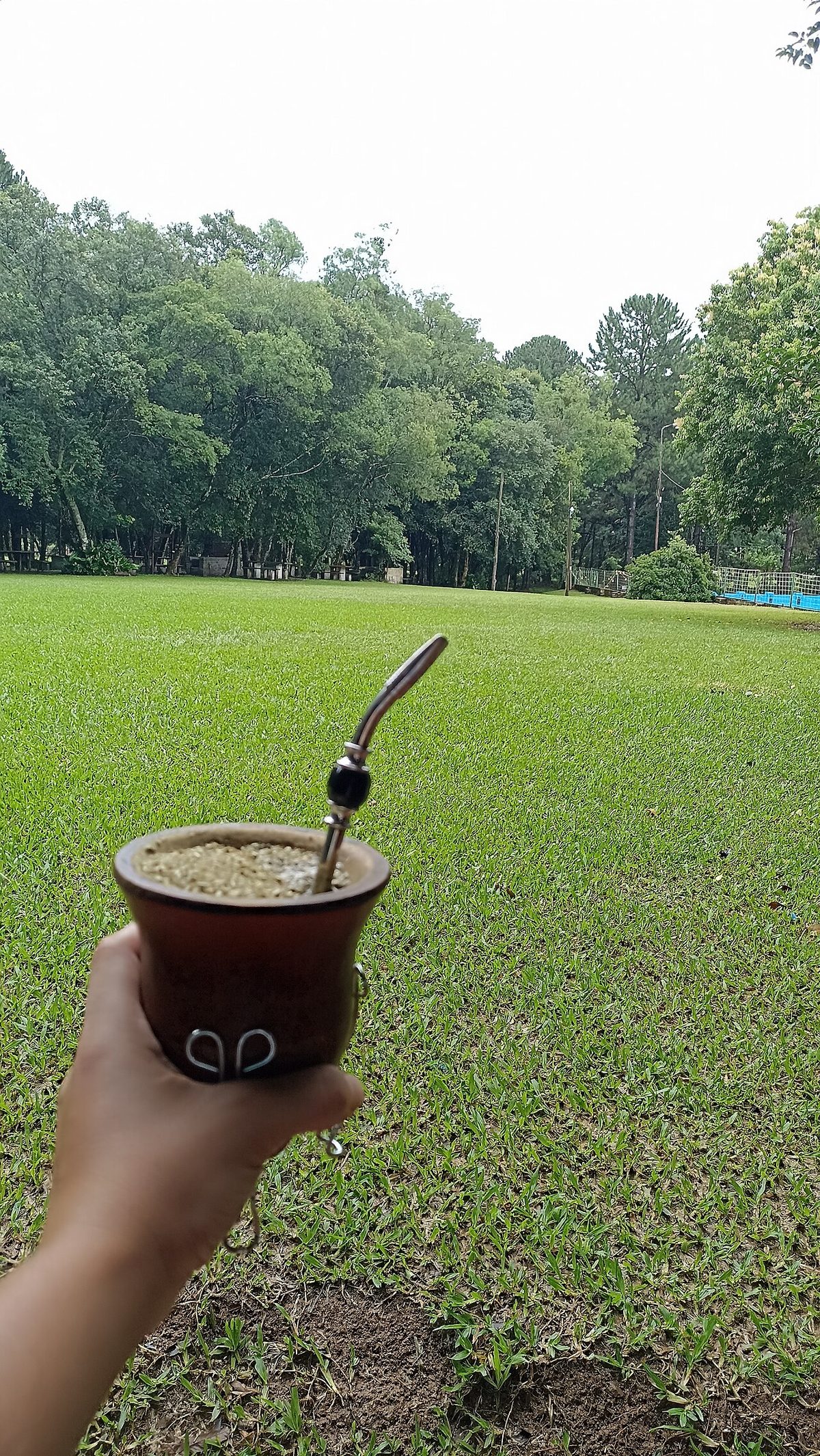
Here is the detail that makes Uruguay different from anywhere else, including Argentina. People do not just drink mate at home. They carry the entire operation with them, all day, in public. A good termo (thermos) holds water at the correct temperature for hours, and the whole rig travels tucked under one arm.
You will see it on the Rambla in Montevideo at dawn, on long-distance buses, at football matches, in offices, at the beach, on park benches. Around 85% of Uruguayan adults drink mate, and a striking share of them do it on the move. There is even a whole local genre of leather matera bags built to carry gourd, thermos and a kilo of yerba in one shoulder strap. No other mate-drinking nation has industrialised portability quite like this.
How to prepare and drink mate, step by step
Preparing mate well is a small craft, and Uruguayans judge a good cebador (the person who serves) the way other cultures judge someone’s coffee. Here is the method I was taught, stripped of mystique.
- Fill the gourd two-thirds with yerba. More than you think. The dry leaves should come up past halfway.
- Cover the top, tip it, shake gently. Hand over the mouth, invert, give it a light shake. This sends the finest dust to the top so it does not clog the bombilla, and leaves the coarser leaves at the bottom.
- Tilt it back upright at an angle. You want a dry slope of yerba on one side and a small hollow on the lower side.
- Wet the hollow with cool or warm water first. A splash into the low side, let it soak in. This protects the leaves from being scalded.
- Insert the bombilla into the wet hollow. Push it to the bottom and, crucially, do not move it again.
- Pour hot, not boiling, water down the same low side. Around 70 to 80 degrees Celsius. Boiling water cooks the yerba and turns it harsh and bitter fast.
- Drink it all, then refill the same side and pass it on. Each pour is one serving for one person. The dry slope slowly gets used up over many rounds.
The temperature rule is the one beginners break. Kettles in Uruguay often have a mate setting that stops short of the boil, and many thermoses are filled with water that was taken off the heat before it bubbled. If your mate tastes aggressively bitter and burnt, your water was too hot, not the yerba’s fault.
Mate etiquette: the unwritten rules that catch out every visitor
This is the section that matters most, because the gear is easy and the etiquette is where you give yourself away. Mate in company is a round. One person, the cebador, fills the gourd and serves everyone in turn, the same gourd and the same bombilla passing hand to hand. To an outsider it looks casual. It is actually governed by firm, silent conventions.
Get these wrong and nobody will scold you; Uruguayans are far too polite. They will simply note, quietly, that you are not from here. Get them right and you will watch faces light up.
| Do | Don’t |
|---|---|
| Drink the whole gourd before passing it back | Take a polite sip and hand it on half-full |
| Pass the empty mate back to the cebador, not the next person | Pass it sideways around the circle yourself |
| Let the bombilla sit exactly where it is | Stir, swirl or adjust the bombilla |
| Leave the bombilla in place; never wipe it | Wipe the straw “clean” before drinking |
| Say “gracias” only when you want no more | Say “gracias” each time you are handed the gourd |
| Sip steadily, even with a slurp at the end | Nurse it slowly while others wait |
Never say “gracias” until you mean it
This is the famous one, and it genuinely trips people up. In the mate circle, “gracias” is not a courtesy you offer when handed the gourd. It is a signal. Saying it means “thank you, I am done, count me out of future rounds.” So if you politely thank the cebador every time they pass you the mate, the way you would with a cup of tea, you will quietly remove yourself from the round after a single serving and then sit there confused as the gourd skips you forever.
Just drink, and hand it back in silence. When you have had enough, then you say “gracias,” and that is your graceful exit.
Don’t touch the bombilla, don’t stir, don’t wipe
The yerba is arranged as a slope on purpose, so fresh water hits unsoaked leaves with each pour and the flavour lasts across many rounds. Stir or jostle the bombilla and you collapse that structure, muddy the water and clog the filter. So the straw stays put, no matter how tempting it is to give it a little wiggle.
Wiping the bombilla deserves its own note, because Western instinct screams to do it. Sharing one straw around a circle of friends sounds unhygienic to outsiders, and it is, mildly. But wiping it is read as an insult, a visible “I do not want your germs.” If sharing genuinely bothers you, the move is to bow out warmly with a “gracias,” not to sanitise the straw in front of everyone.
The cebador runs the show
The cebador (server) controls the kettle, the pour and the order. They drink the first, often weak and dusty, gourd themselves, partly to test it and partly because the first round is the least pleasant. Then they serve clockwise or simply to whoever is next, refilling and passing each empty gourd back to themselves between turns. You do not appoint yourself cebador as a guest, and you do not reach for the thermos. Let them host.
Where mate fits in Uruguayan daily life
Coffee culture has a time and a place. Mate has neither limit. It is a breakfast drink, a mid-morning drink, an afternoon drink and an evening drink. It lubricates work meetings and beach afternoons and long drives through the interior. Friends arrive at each other’s homes and the gourd appears before the conversation does.
Crucially, it is rarely a thing you buy. You almost never order a mate in a café the way you would a coffee, because mate is something you make and share, not a product on a menu. This is partly why visitors find it hard to access: the whole ritual happens in homes, on benches and in private circles, not across a counter. You will see mate constantly and be handed it rarely.
It cuts across class and age completely. The same gourd ritual plays out among teenagers on the Rambla, retirees in plaza shade, and ranch hands on an estancia in gaucho country. If you want to understand Uruguayan culture in a single image, it is a person, a thermos, a gourd and an hour to spare.

Mate Uruguay vs the neighbours: Argentina, Brazil and Paraguay
Mate is shared across four countries, but Uruguay drinks it in its own distinct way, and locals are quietly proud of the differences. If you have tried mate in Buenos Aires, do not assume you have tried it the Uruguayan way.
Strength is the headline. Uruguayan yerba is milled fine, full of green dust (“polvo”) and almost free of stems, generally under 5%. Argentine yerba contains roughly 30% sticks and is often aged and lightly smoked, which makes it milder and smokier. Brazilian chimarrão is greener and even milder again. The Uruguayan blend, with more leaf surface and less filler, brews a notably stronger, more intense, more bitter mate. People here pack the gourd fuller too.
Then sugar, or its absence. Uruguay drinks amargo, bitter and unsweetened, as the near-universal default. Sweetened mate is common in parts of Argentina and Paraguay and is faintly frowned upon here. Paraguay, in the heat, often drinks it cold as tereré; you will rarely see that in cooler Uruguay.
And consumption. Uruguay drinks more yerba per head than any country on earth, around 10 kg per person per year, against roughly 7 kg in Argentina and about 1 kg in Brazil. The irony locals enjoy: Uruguay barely grows any yerba and imports almost all of it, mostly from Brazil, yet out-drinks the producers. For the wider rivalry, our Uruguay versus Argentina comparison goes well beyond the gourd.
Buying yerba and mate gear as a souvenir
Mate kit is one of the best souvenirs Uruguay offers: useful, genuinely local, and cheap. Here is how I would shop.
Yerba. Any supermarket has a wall of it. Canarias is the iconic, best-selling Uruguayan brand and a safe, characteristic starting point. Sara is a touch smoother and beginner-friendly; Armiño, El Moncayo, Cabral and Del Cebador all have their loyalists. A 1 kg bag runs around US$4 to US$7. Buy a brand without added sugar (most are) to drink it the local way. One honest caveat for flights home: a kilo of yerba is bulky, and it is a leafy agricultural product, so check your destination’s customs rules before you pack it.
The gourd and bombilla. Tourist shops in Montevideo and craft fairs sell everything from cheap printed gourds to hand-tooled leather-and-silver pieces that cost real money. For a daily-use gift, a stainless-steel mate plus a simple alpaca bombilla is hard to beat: no curing, no cracking, dishwasher-tolerant, around US$15 to US$30 for the pair. The Sunday Tristán Narvaja market in Montevideo is a good, unpretentious place to browse. For more shopping and market ideas, see our list of things to do in Uruguay.
How to try mate respectfully as a visitor
Mate is a private, shared ritual, which means the honest truth is this: as a tourist, you will rarely be handed the gourd by strangers. It is not standoffishness. It is that mate happens among people who already know each other. So here is how different travellers can actually get a taste.
If you are a curious first-timer
Buy a cheap steel mate, a bombilla and a bag of Canarias, and ask the staff at your guesthouse or a friendly local to show you the method. Most Uruguayans are delighted to teach it; offering to learn is itself a compliment. Brew it amargo, keep the water short of boiling, and give it five rounds before you judge the taste.
If you are travelling with kids or a group
The round format is made for groups, so a family or friends can share one gourd on a park bench and learn the etiquette together. Caffeine is real, though, so it is not for young children. A trip out to an estancia or a day in the countryside is the most natural setting to be offered mate by hosts.
If you want it served to you
A handful of tourist-facing cafés and cultural centres in Montevideo and Colonia will prepare mate for visitors, sometimes with a sweet on the side. It is not the everyday way Uruguayans drink, but it is a low-pressure introduction. Pair it with a wander down the Rambla at sunset, where you will be surrounded by the real thing. While you are eating your way around the city, our guide to the best restaurants in Montevideo covers where locals actually go.
Mate in Uruguay: your questions answered
What is mate and what does it taste like?
Mate is a hot infusion of dried yerba leaves, sipped through a filtered metal straw from a shared gourd. It tastes grassy, earthy and distinctly bitter, somewhere between strong green tea and steeped herbs, with a steady caffeine lift. Uruguayans drink it unsweetened. It is an acquired taste that most people grow to crave after a handful of rounds.
Why do Uruguayans carry a thermos everywhere?
Because mate is an all-day habit, not a single sitting, and the thermos keeps water at drinking temperature for hours. Carrying the gourd and a hot thermos under one arm lets people sip continuously on the move, at work, on the bus, at the beach. Uruguay has taken this portability further than any other mate-drinking country, even inventing leather carry-bags for it.
Is it rude to say “gracias” when drinking mate?
Not rude, but it has a specific meaning you should know. In a mate round, saying “gracias” signals that you have had enough and want no more. If you thank the server each time you are handed the gourd, you will accidentally remove yourself from the round. Drink and pass it back silently; save “gracias” for when you are genuinely finished.
Can I drink from the same straw as everyone else?
Yes, and you should. Sharing one bombilla around the circle is the entire point of the ritual, a gesture of trust and belonging. Wiping the straw before you drink is considered insulting. If sharing genuinely makes you uncomfortable, simply decline the round politely with a “gracias” rather than cleaning the bombilla in front of everyone.
How is Uruguayan mate different from Argentine mate?
Uruguayan yerba is milled finer, dustier and almost stem-free, while Argentine yerba has more sticks and is often lightly smoked and milder. The result is that Uruguayan mate is stronger and more bitter. Uruguayans also pack the gourd fuller, drink it strictly unsweetened, and consume far more per person than Argentines do.
Where can I buy mate gear in Uruguay?
Yerba is in every supermarket for around US$4 to US$7 a kilo, with Canarias the classic choice. Gourds and bombillas are sold in tourist shops, craft fairs and markets like Montevideo’s Sunday Tristán Narvaja. For a practical gift, a steel gourd and an alpaca bombilla cost roughly US$15 to US$30 and need no curing.
Final thoughts on mate in Uruguay
Of all the things I expected to fall for in Uruguay, a bitter green tea sipped through a shared straw was not on the list. But mate turned out to be the clearest window into the place. It is unhurried, communal, slightly stubborn about doing things its own way, and completely indifferent to whether outsiders approve. That is Uruguay in a gourd.
Will you love the taste on the first try? Probably not, and I would be lying if I promised otherwise. Give it the five rounds, learn the small etiquette, resist the urge to say “gracias” too soon, and you will leave understanding this country far better than the museums could teach you. Then read up on the Uruguayan asado, the other ritual that runs on fire and patience, and on what Uruguay is known for beyond the gourd. A few practical travel tips will round out the trip.
Credits & sources
Sources & further reading
- Mate (drink) — Wikipedia: history, preparation and regional variations across South America.
- Guru’Guay: What is mate, Uruguay’s favourite drink: a local-expert primer on the ritual.
- Guru’Guay: 5 cardinal rules when drinking mate in Uruguay: the etiquette, from the source.
- Atlas Obscura: the matera bags Uruguayans use to carry mate anywhere.
Photo credits
All images via Wikimedia Commons: Tomando Mate Uruguay Rambla by Hebert Fuentes (CC BY-SA 4.0); Mate Gourd Bombilla Yerba by Lexspion (CC BY-SA 4.0); Compartir Mate Circulo Amigos by MGeoMedina36 (CC0); Persona Tomando Mate Termo Uruguay by Fadesga (CC BY-SA 4.0); Canarias Yerba Mate Uruguay Supermarket by T.Pivecka (CC BY-SA 3.0).
1 comment