Uruguay vs Argentina Wine: Tannat, Malbec & Bragging Rights (2026)
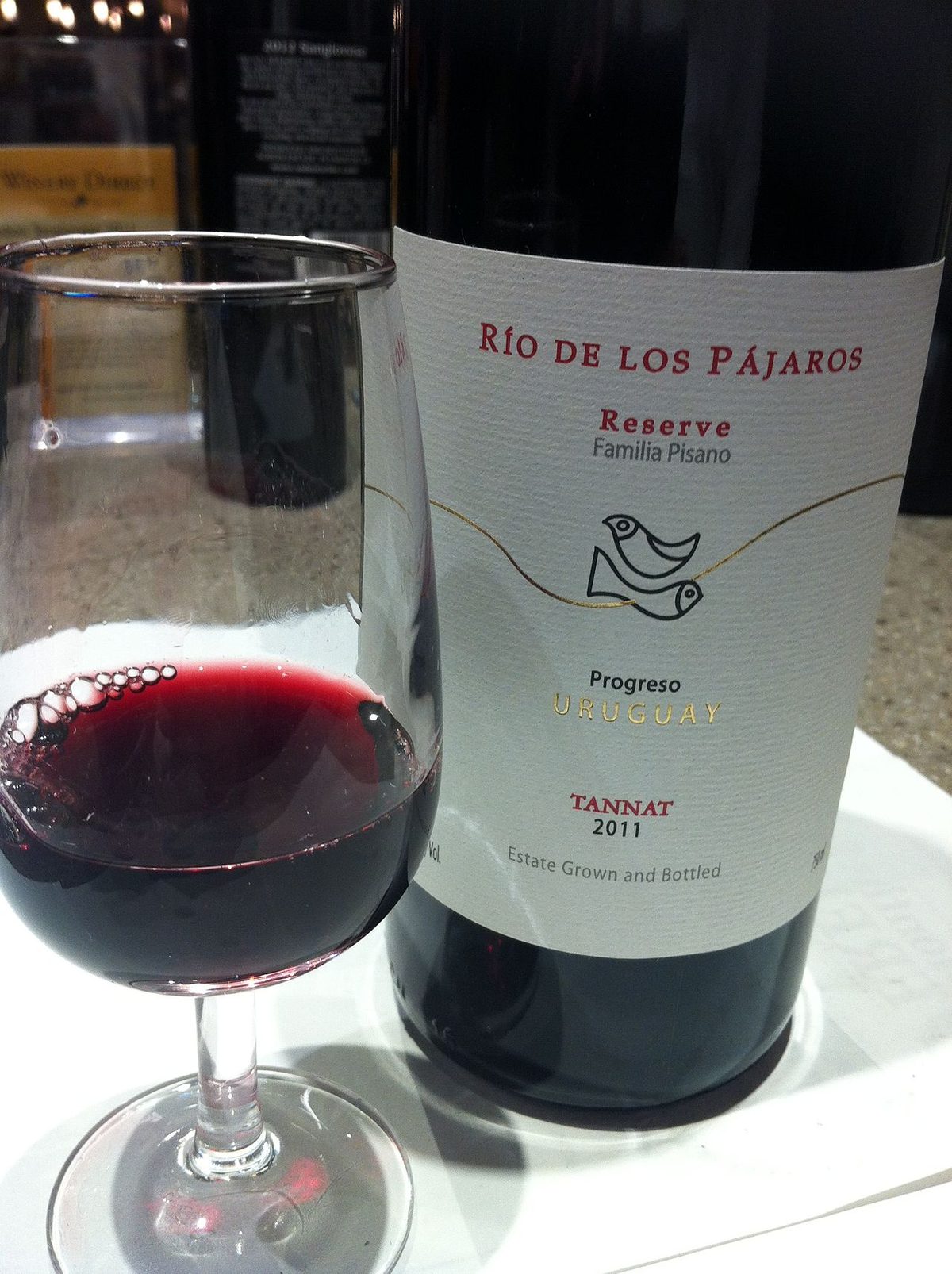
The first time I tasted a Uruguayan Tannat and an Argentine Malbec side by side, it was almost an accident. A friend in Montevideo opened a Bouza Tannat for the parrilla (the wood-fired grill), someone had ferried a Mendoza Malbec over from Buenos Aires, and we drank both. Nobody won the argument.
That dinner is the whole point of this piece: two countries, two grapes, one river between them, and a rivalry wine people love to stoke.
Uruguay wine vs Argentina: the honest verdict
Here’s the short version. In the matter of uruguay wine vs argentina, there is no knockout: Argentina is the global heavyweight with Mendoza’s Malbec and a wine-tourism machine to match, while Uruguay is the boutique underdog whose Tannat punches absurdly above its tiny size. Argentina wins on scale, scenery and polish. Uruguay wins on freshness, intimacy and the thrill of drinking something most people back home have never heard of.
I’ll compare the two head to head: the signature grapes, the regions, the climate, the prices, and what it’s actually like to visit each. This is a wine-and-travel comparison written for someone deciding what to drink, what to pour for friends, or which side of the Río de la Plata to spend their wine days on. It’s even-handed and a little partisan all at once, the way these arguments always are. If you only want the deep dive on Uruguay’s grape itself, I’ve written a separate guide to Tannat, the bold grape Uruguay made its own, and this is the brawl-with-Argentina version.
| Uruguay | Argentina | |
|---|---|---|
| Signature grape | Tannat | Malbec |
| Style in a word | Structured, fresh, savory | Plush, fruity, generous |
| Tannins | Very high (softening fast) | Medium to soft |
| Scale | Tiny — ~6,000 ha, 4th in South America | Giant — world’s 5th-biggest producer |
| Climate | Atlantic-cooled, humid, maritime | High desert, dry, irrigated by Andes melt |
| Heartland | Canelones, Maldonado, Colonia, Montevideo | Mendoza (plus Salta, Patagonia) |
| Typical bottle price | ~$15–$40 for the good stuff | ~$10–$30, more choice at every tier |
| Wine tourism | Intimate, family bodegas, low-key | Polished, world-class, deep infrastructure |
| Best for | Off-radar discovery, quiet luxury | Bucket-list scenery, variety, value |
Tannat vs Malbec: the heart of the fight
Strip away the scenery and the marketing and this whole rivalry comes down to two grapes that did the same trick in two different countries. Both Tannat and Malbec are French refugees from the southwest corner of France. Malbec came from Cahors, Tannat from Madiran, and both crossed the Atlantic in the 1800s to find a second life they never quite had at home.
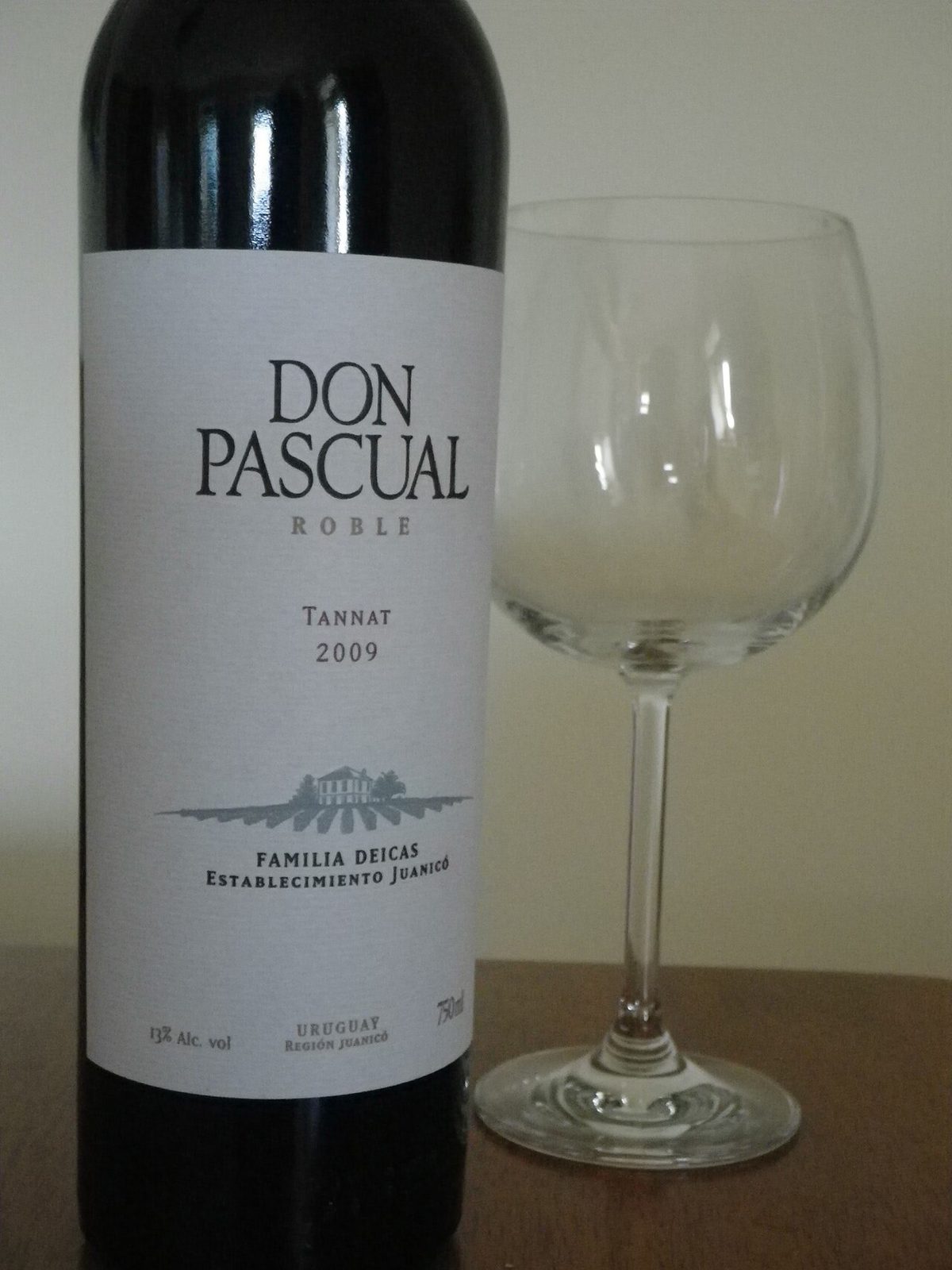
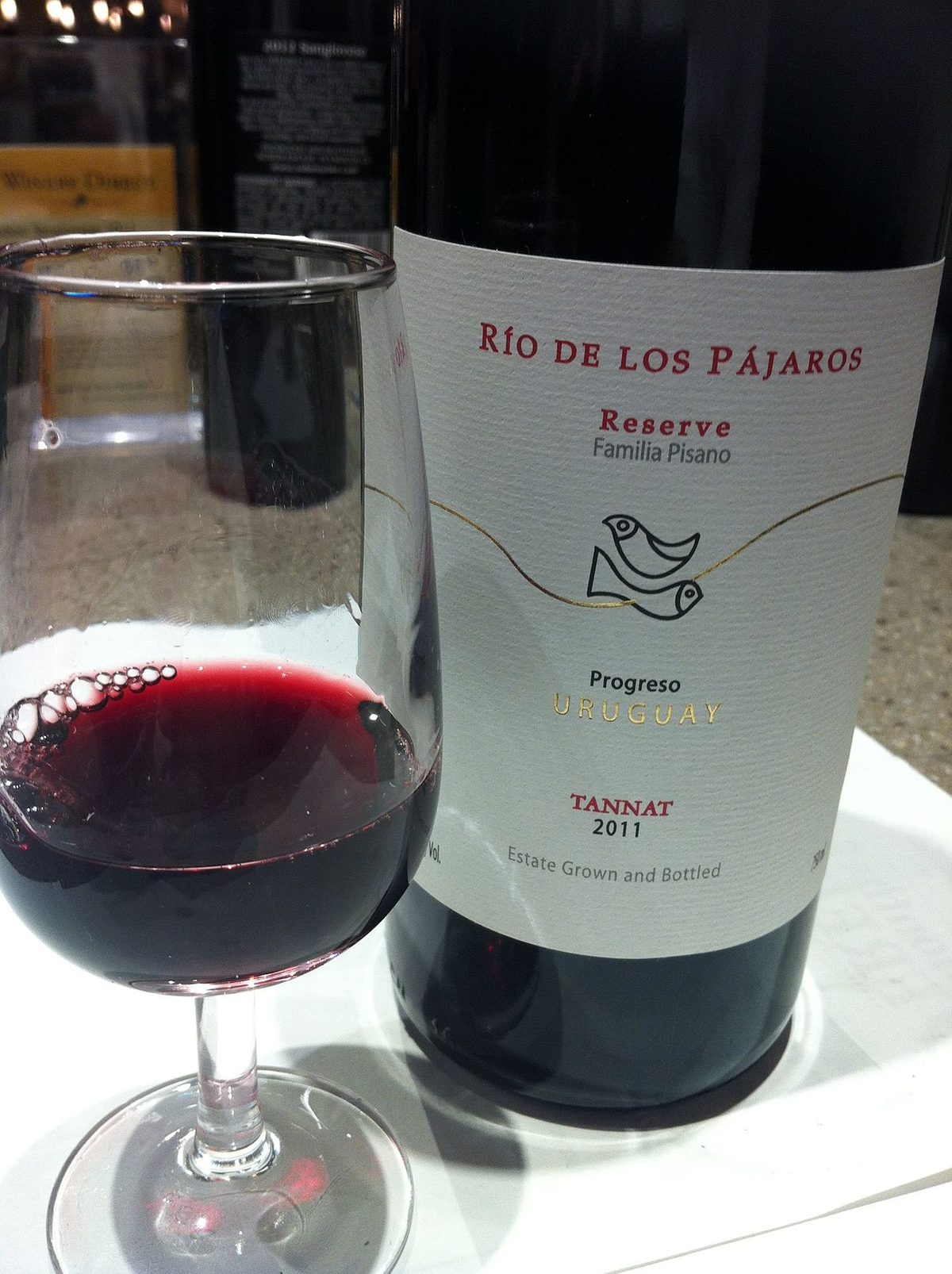
Argentina took Malbec and made it the friendliest red on the continent. Uruguay took Tannat (locals sometimes still call it Harriague, after the Basque immigrant who planted it) and made it a national identity. One in every three bottles of wine Uruguay produces is a Tannat. That’s not a trend; that’s a flag.
Origin and personality
Here’s the quick character sketch. Malbec is the easy one to love: deep violet in the glass, plush and round in the mouth, full of ripe blackberry, plum and blueberry, often with a little cocoa or vanilla from oak. The tannins are medium to soft, so it goes down smoothly even when it’s young. It’s a wine that says yes.
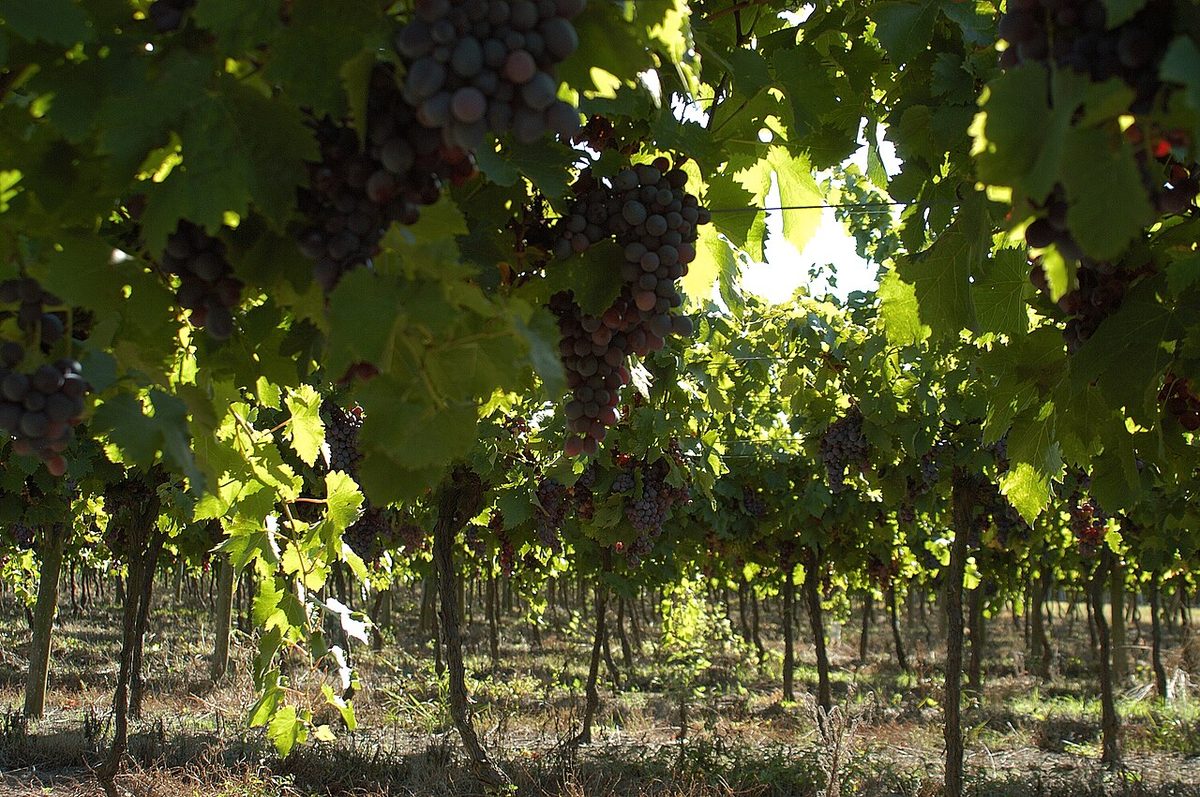
Tannat is the one that makes you sit up. The grape’s name literally comes from “tannin,” which tells you everything. Tiny berries, thick black skins, inky color, and a wall of tannin and structure behind flavors of blackberry, black plum, licorice, dark chocolate and a savory, smoky edge. Young Tannat can grip your gums like cold tea brewed too long. Give it air, food, or a few years, and that grip turns into something powerful and surprisingly elegant.
Tannin and structure: Tannat’s home turf
If tannin were a sport, Tannat would be the reigning champion of the wine world. It’s one of the most tannic red grapes on the planet, which is exactly why Uruguayan winemakers spend so much effort taming it: longer aging, gentler extraction, oak, and blending with Merlot or Cabernet to round the edges. The good news for drinkers is that Uruguay’s warm, humid climate ripens the grape fully, so its tannins come out riper and smoother than the brutal versions from Madiran in France.
Malbec, by contrast, is built for pleasure now. It has structure, but it wears it lightly. That’s a genuine advantage if you’re opening a bottle tonight with no decanting and no patience. The honest concession to Argentina here: Malbec is simply the more forgiving wine. You can hand a glass to someone who “doesn’t really like red” and they’ll often finish it. Tannat asks for a bit more commitment.
Fruit, food and the asado test
Both grapes were born to drink with fire-cooked beef, which is convenient, because both countries are obsessed with it. The Uruguayan asado (the whole ritual of slow-grilling meat over wood coals) and the Argentine asado are cousins, and Tannat and Malbec are their respective house wines for a reason.
Malbec’s plush fruit and softer grip make it the crowd-pleaser at the table: a peppery steak, barbecued ribs, roasted vegetables. Tannat’s savory power and firm tannins make it the better partner for fatty, intense food, because the fat in a well-marbled short rib literally softens the tannins on your palate. Pour Tannat with a lean salad and it’ll taste austere. Pour it with a dripping cut off the parrilla and it transforms. If you want to understand why Uruguayans drink so much of it, eat a proper Uruguayan asado with a glass in hand. The wine was built for that plate.
My verdict on the grape duel: Malbec is the better wine for a Tuesday and the better wine for converting skeptics. Tannat is the better wine for a feast, the more interesting wine to think about, and the one more likely to make you say “what is this?” Neither answer is wrong. They’re just different appetites. If you want to keep going down the Uruguayan side, my roundup of the best Uruguayan wines to try and bring home names specific bottles worth hunting for.
Scale: a giant against a boutique
This is where the comparison stops being close. Argentina is one of the largest wine producers on Earth, routinely in the global top five by volume, and it makes roughly 45 percent of all the wine in South America. Mendoza alone dwarfs Uruguay’s entire industry several times over.
Uruguay, meanwhile, is delightfully small. The whole country has only around 6,000 hectares of vineyard (it’s hovered in that range for years), and it ranks fourth in South America for wine, behind Argentina, Chile and Brazil. Most of those vines are clustered in the cool, damp south near the Río de la Plata. It’s a cottage industry by Argentine standards, dominated by family wineries that have been at it for four or five generations.
What does that mean for you, the drinker? Argentina gives you endless choice, deep back-catalogs, and a bottle at every price point in every shop. Uruguay gives you scarcity, which is part of the romance and part of the frustration. Outside Uruguay, good Tannat can be genuinely hard to find, while Malbec is on every supermarket shelf from Denver to Dublin. Score one more for Argentina on sheer availability.
Climate: Atlantic damp vs high desert
The grapes taste different largely because the two countries could hardly be more opposite in weather, and this is the most underrated part of the whole uruguay wine vs argentina debate.
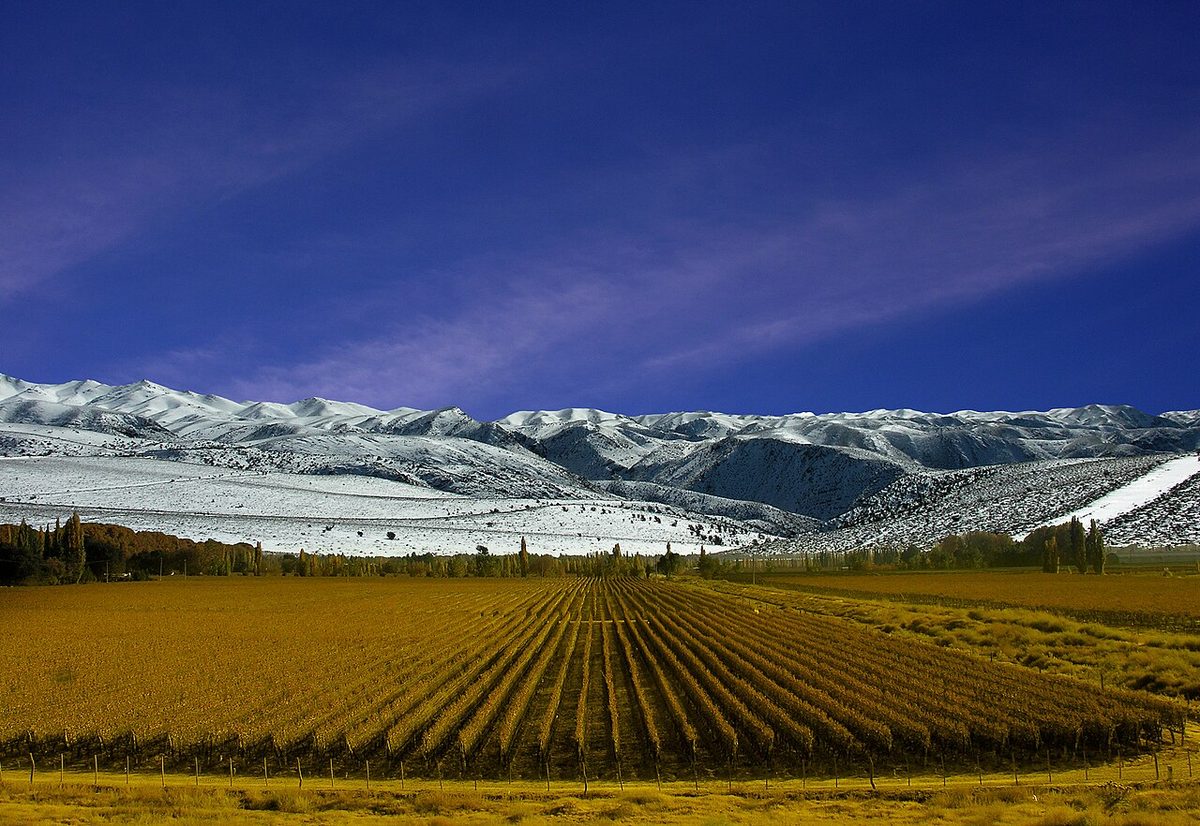
Mendoza is high-altitude desert. Vineyards sit at 800 to over 1,500 meters in the rain shadow of the Andes, fed by snowmelt through irrigation channels, baked by intense sun, and cooled at night by mountain air. That combination gives Argentine Malbec its ripeness, its color, its generous fruit and its high-but-friendly alcohol. It’s a sun-drenched style, and you can taste the desert in the glass.
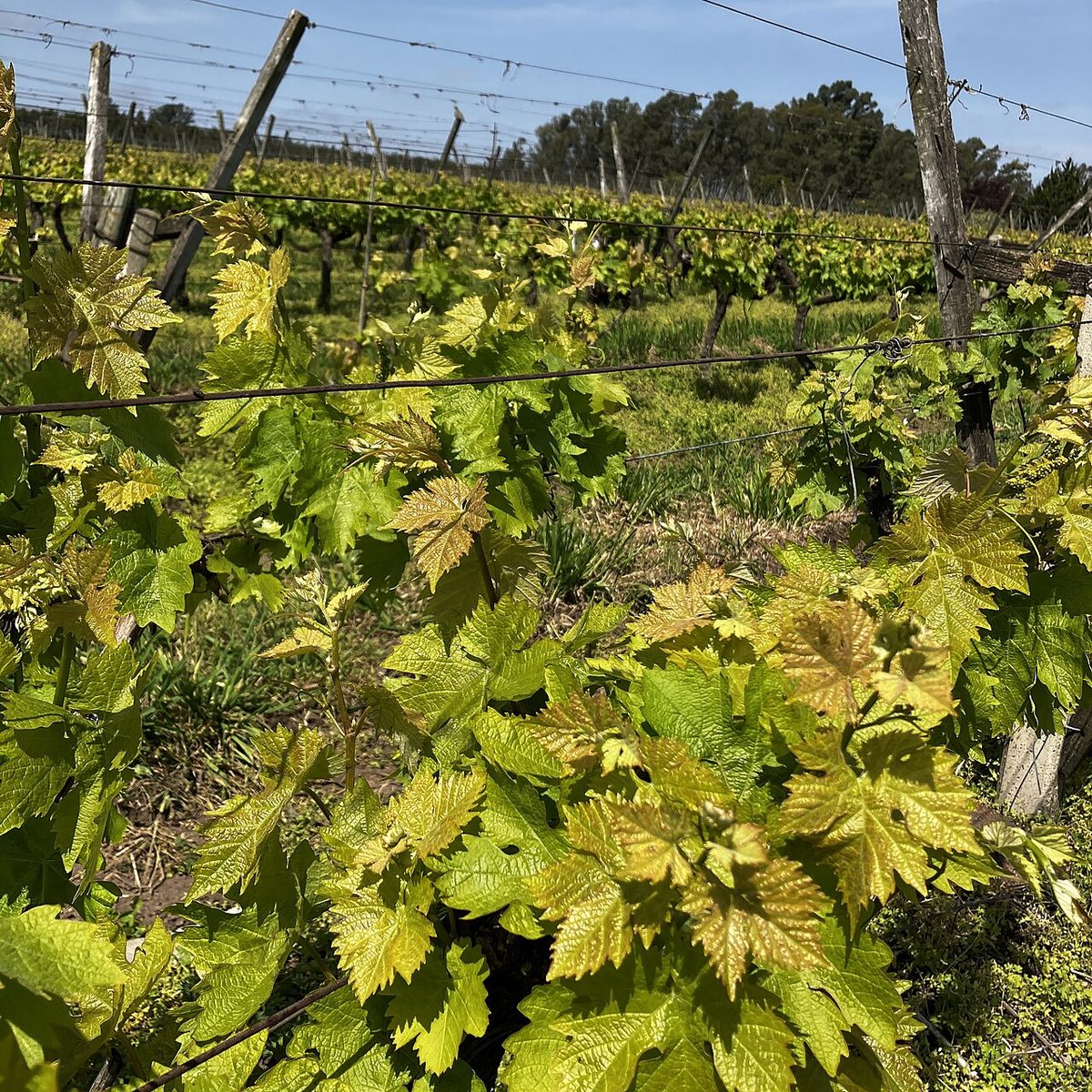
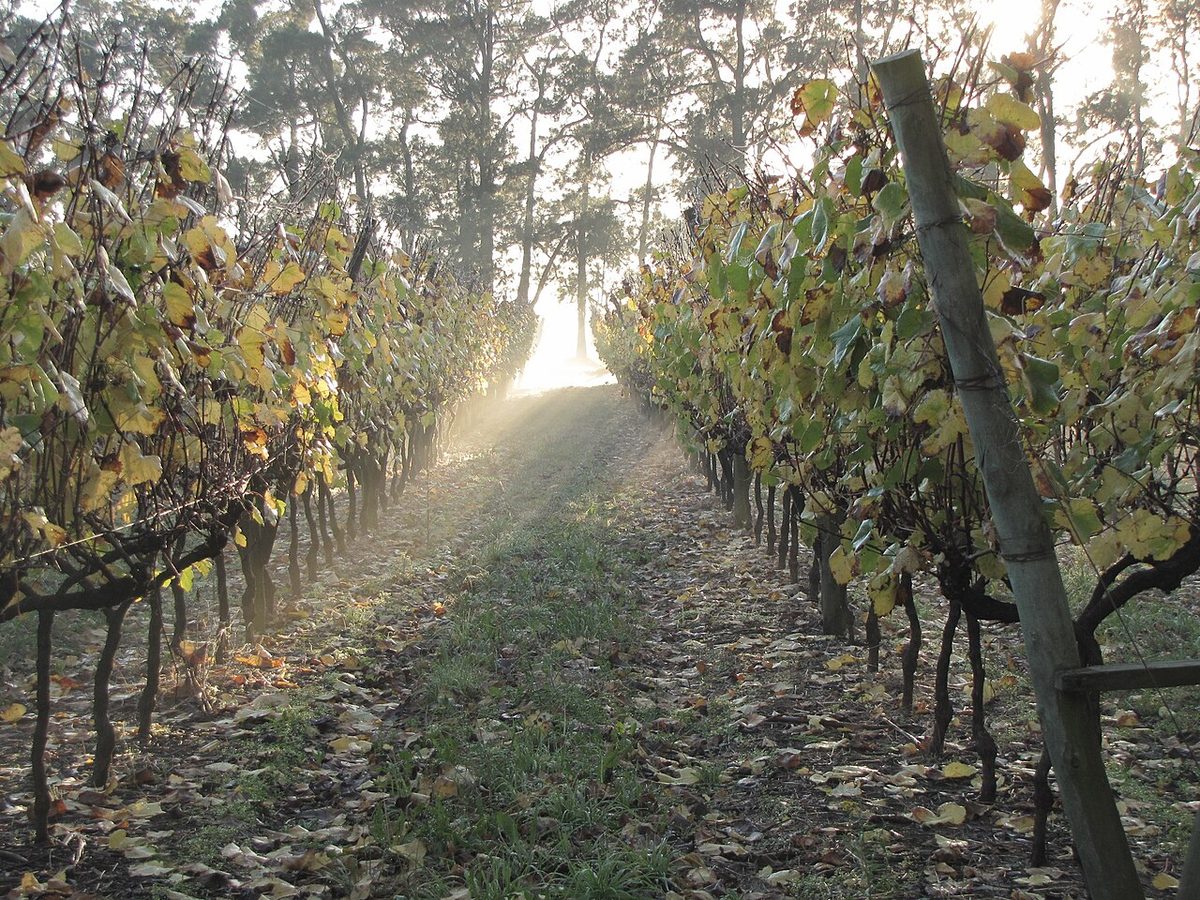
Uruguay is the opposite: low, flat, humid and maritime. The Atlantic and the Río de la Plata moderate everything, summers are cooler, and the country gets over 1,000 mm of rain a year, which is a constant headache for growers fighting fungus and rot. But that same coastal coolness is Uruguay’s secret weapon. It gives the wines what critics keep calling “freshness,” a vein of acidity and restraint that keeps even a big Tannat from feeling heavy. Where Mendoza’s wines are sun and power, Uruguay’s are sea breeze and structure.
The honest trade-off cuts both ways. Uruguay’s damp climate makes farming harder and vintages less predictable than Mendoza’s reliable desert sunshine. But it also produces a leaner, more European-leaning style that a lot of modern drinkers are quietly migrating toward, away from the biggest, jammiest reds.
The regions, head to head
If you’re choosing where to actually point your trip, the regions tell the story.
Uruguay: Canelones, Maldonado, Colonia, Montevideo
Uruguay’s wine map is small and walkable. Canelones, just north of Montevideo, is the historic heartland and holds well over half the country’s vineyards. This is old-immigrant country, full of family bodegas (the Spanish word for winery) you can reach in under an hour from the capital. My guide to the wineries near Montevideo maps the Canelones region in detail.
Maldonado, out by the glamorous beaches of Punta del Este and José Ignacio, is the new frontier: cooler, rockier, more Atlantic, and home to the showpiece Bodega Garzón, the one Uruguayan winery built to compete with the world’s best on polish and architecture. Colonia, on the river across from Buenos Aires, has its own slow-living wine scene around the town of Carmelo. And Montevideo itself has vineyards almost within the city limits, which is how you can taste excellent wine 15 minutes from your hotel.
Argentina: Mendoza, Salta, Patagonia
Argentina’s wine country is a continent of its own. Mendoza is the star, a sprawling region against the Andes with sub-zones like Luján de Cuyo (the spiritual home of old-vine Malbec) and the high, cool Uco Valley, where the most exciting modern wineries cluster with the mountains as a backdrop. Beyond Mendoza, Salta in the north grows vines at some of the highest altitudes on Earth, and Patagonia in the deep south makes cool-climate reds and whites. The geographic spread alone is something Uruguay simply can’t match.
For travelers weighing the bigger picture beyond wine, I’ve written a full Uruguay vs Argentina comparison on which country to visit overall, and a practical Argentina and Uruguay itinerary if your honest answer is “both.”
Price and value: who gives you more for your money?
On a pure dollar-per-bottle basis, Argentina usually wins, and it isn’t really close. Entry-level Malbec starts around $10 and climbs from there, and even premium Mendoza bottles often land cheaper than equivalent-quality French wine thanks to favorable exchange rates and lower production costs. There’s an ocean of perfectly good $12 to $20 Malbec out there, which is exactly how the grape conquered the world.
Tannat sits a notch higher. Decent bottles tend to run $15 to $20, with the serious ones $25 to $40 and up. Part of that is economics: Tannat is more labor-intensive and Uruguay makes far less of it, so there’s less supply to drive prices down. You’re paying a small premium for scarcity and craft.
But “value” isn’t only price. Here’s where I’ll plant a flag for Uruguay. Because the industry is small and quality-obsessed, the median bottle of Uruguayan Tannat you’ll actually be handed at a winery is often better-made and more distinctive than the median cheap Malbec. And there’s a genuine, citable upset on record: back in 2013, Financial Times critic Jancis Robinson’s team scored top Uruguayan reds and whites above the best Argentine bottles they reviewed that year, praising “Uruguay’s hallmark freshness.” A Bouza red and a Familia Deicas Tannat tied for the top score, outranking Mendoza’s finest. The little country can absolutely beat the giant on its day.
So: Argentina wins on everyday value and choice. Uruguay wins on the surprise-per-dollar of discovering something special. If your goal is a reliable, affordable steak wine, buy Malbec. If your goal is to taste something most of your friends never will, spend the extra few dollars on Tannat.
The tourism experience: polish vs intimacy
This is the part travelers actually care about, and it’s the clearest split of all.
Mendoza is one of the great wine-tourism destinations on the planet, full stop. Hundreds of wineries, slick tasting rooms, world-class restaurants, bike tours through Maipú, helicopter rides over the Uco Valley, the Andes filling the horizon, and an entire ecosystem built to receive visitors. Many wineries take walk-ins. You could spend a week and not run out of bucket-list bodegas. If you want wine tourism with capital-letter production values and jaw-dropping scenery, Argentina is hard to beat and I won’t pretend otherwise.
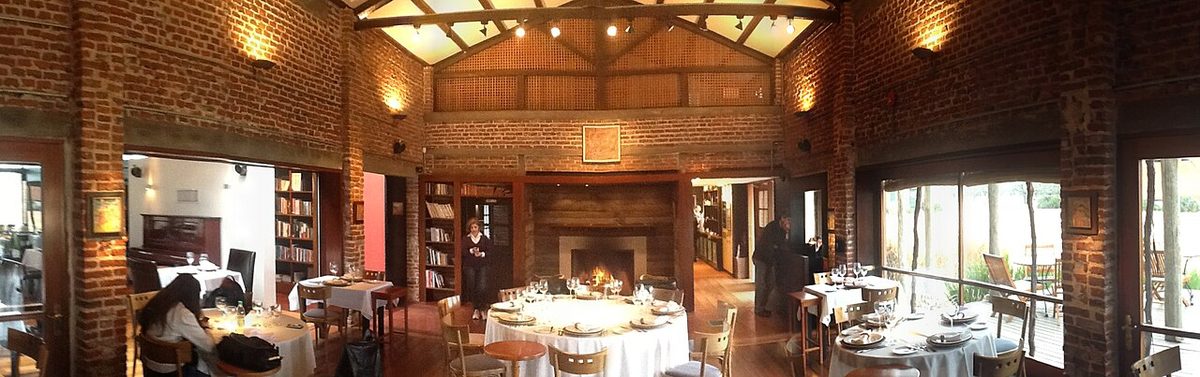
Uruguay offers something quieter and, to me, more personal. The wineries are smaller and often family-run, which means the person pouring your glass might be the winemaker, or their kid. Tastings feel like being invited into someone’s home rather than processed through a turnstile. There’s far less infrastructure, fewer crowds, and a slower rhythm that matches the country. The polished exception is Bodega Garzón, which competes with anything in Mendoza, but the soul of Uruguayan wine country is the modest bodega in Canelones where you linger over lunch and lose the afternoon.
Practical reality check, and it cuts against Uruguay: you usually need to book ahead, a car helps enormously, and there’s simply less to string together than in Mendoza. If you want a packed week of wine, Argentina delivers more easily. If you want two or three unhurried, soulful days, Uruguay is glorious. My guide to Uruguay wine tours from Montevideo, Punta del Este and Colonia covers how to actually organize it without a car.
Which should you drink (or visit)? By traveler type
Forget picking a universal winner. The right answer depends entirely on who you are.
Malbec-loyal crowd-pleaser? If you want a wine everyone at the table will enjoy with zero fuss, and a wine country with maximum choice and scenery, go Argentina. Mendoza Malbec is the safe, generous, brilliant pick.
Curious collector? If you already know Malbec and you’re hunting for the next thing, Uruguay is the discovery. Tannat is distinctive, age-worthy, hard to find at home, and full of bragging rights. You’ll be the person who “found” it.
Food-and-fire traveler? Both win, honestly, because both cultures revolve around the grill. But Tannat with a fatty Uruguayan asado is one of the great pairings in the wine world, and the broader Uruguayan food scene is built around exactly this combination.
Quiet-luxury seeker? If crowds and turnstiles aren’t your thing, Uruguay’s intimate bodegas and chic beach-town wine scene around José Ignacio are the move. It’s wine country without the tour buses.
First-timer with one week? If this is your only South American wine trip and you want the full bucket-list experience, Mendoza gives you more per day. Uruguay is the better second trip, or the better add-on if you’re already passing through Buenos Aires (the ferry to Colonia or Montevideo is easy).
Can’t choose? Buenos Aires sits right between them. Fly into Mendoza for the big wine week, then ferry across the river for a few days of Tannat and quiet. That combination is the dream, and it’s genuinely doable in two weeks. Start with the Uruguay wine country overview to plan the Uruguayan leg.
Uruguay vs Argentina wine: your questions answered
Is Tannat better than Malbec?
Neither is objectively better; they suit different tastes. Tannat is bolder, more tannic, more savory and more age-worthy, the wine for a feast and for people who like structure. Malbec is plusher, fruitier, softer and easier to drink young, the wine that pleases a whole table. If you love smooth, fruit-forward reds, Malbec wins. If you crave power and want something distinctive, Tannat does.
What is the main difference between Tannat and Malbec?
Tannin and texture. Tannat is one of the most tannic red grapes in the world, with firm structure, dark fruit, licorice and a smoky, savory edge. Malbec carries medium-to-soft tannins, a plush mouthfeel and riper blue and black fruit with cocoa notes. Tannat grips and demands food; Malbec glides. Both descend from southwest France and both adore grilled beef.
Is Uruguayan wine as good as Argentine wine?
At the top end, yes, and occasionally better. Uruguay makes a fraction of Argentina’s volume, but its small, quality-driven industry produces wines critics praise for freshness and elegance. In one famous Financial Times tasting, top Uruguayan reds and whites outscored the best Argentine bottles reviewed. Argentina wins on consistency, value and sheer choice; Uruguay competes hard on character.
Which is more expensive, Tannat or Malbec?
Tannat usually costs a little more. Entry Malbec starts around $10 and there’s huge choice under $20, while good Tannat tends to begin near $15 and climbs to $40-plus for serious bottles. The gap comes down to scale and labor: Uruguay makes far less Tannat, and the grape is fussier to grow and vinify, so there’s simply less cheap supply.
Should I visit Mendoza or Uruguay for wine?
Mendoza for a bucket-list, infrastructure-heavy week with dramatic Andes scenery, hundreds of wineries and easy walk-in tastings. Uruguay for an intimate, slower two or three days among family bodegas, often paired with beaches and Montevideo. First-timers with limited time usually get more from Mendoza; travelers wanting something off-radar and personal prefer Uruguay. Many people, sensibly, do both via Buenos Aires.
Does Uruguay only make Tannat?
No, though Tannat is the flag. Roughly a third of Uruguay’s wine is Tannat, but the country also makes excellent Albariño (its rising white star, helped by the Atlantic), plus Merlot, Cabernet Franc, Tempranillo and Marselan. Some of the highest-scoring Uruguayan wines are actually whites and blends, not just Tannat. Variety is part of why the wine scene is worth exploring.
Final thoughts
After years of pouring these two side by side, I’ve made peace with the fact that there’s no winner, only a better question: what are you in the mood for? Argentina is the established champion with Malbec, Mendoza and a wine-tourism scene that delivers a flawless week. Uruguay is the scrappy underdog whose Tannat, freshness and family bodegas reward anyone willing to go a little off the obvious path.
My actual advice is selfish and simple: drink both, and if you can, visit both. Pour a Mendoza Malbec and a Bouza or Garzón Tannat on the same night, fire up a grill, and let the river-crossing rivalry play out on your own table. That’s the most fun anyone has ever had losing an argument. When you’re ready to plan the Uruguayan side, start with the full Uruguay wine country guide.
Credits & sources
Sources & further reading
- Guru’Guay on the Jancis Robinson / Financial Times rankings — the tasting where Uruguay outscored Argentina.
- Wine Enthusiast: In Uruguay, a Tiny Wine Region Makes a Big Impression — context on scale and style.
- Wine Folly: Uruguay wine regions — grapes, hectares and the lay of the land.
Photo credits
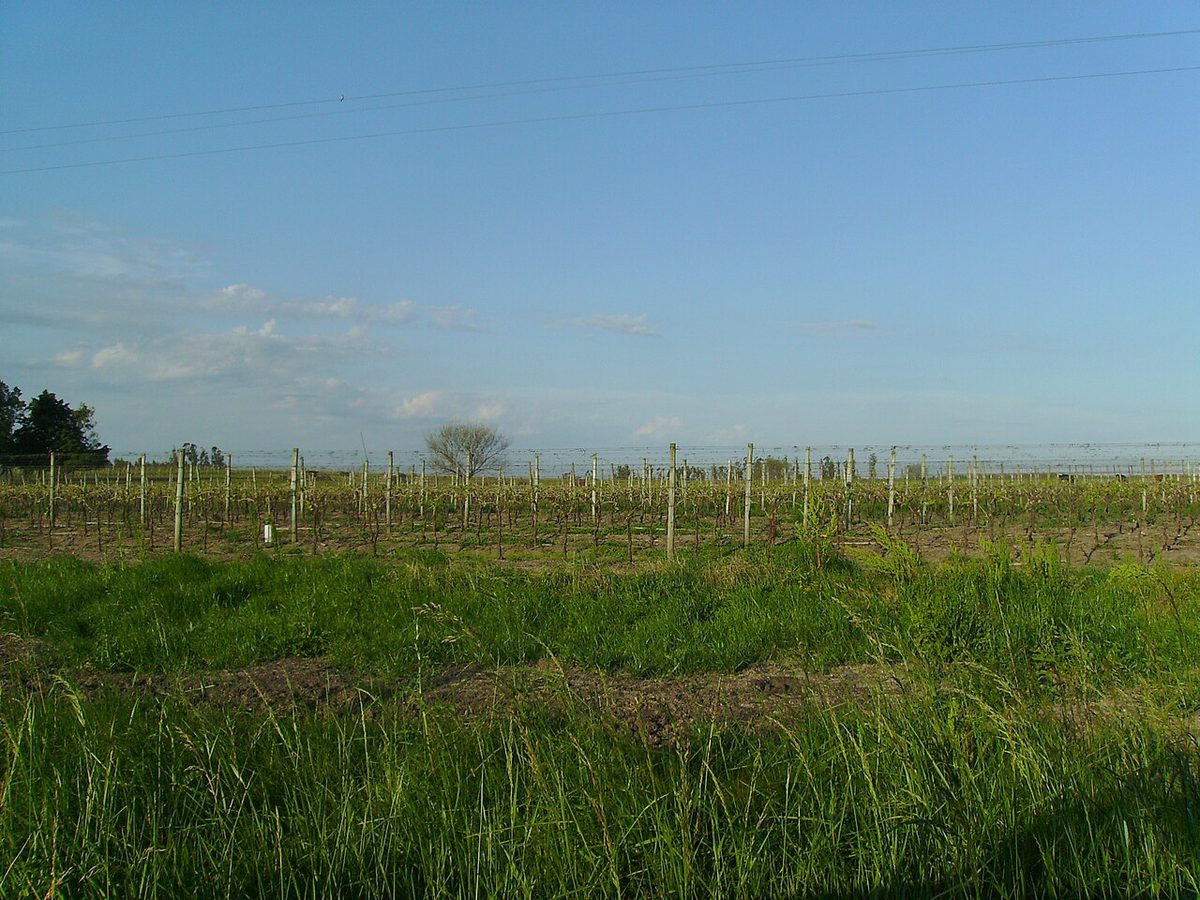
All images via Wikimedia Commons: Uruguayan Tannat Glass by Agne27 (CC BY-SA 3.0); Tannat Grapes Canelones Vineyard by Viñavarelazarranz (CC BY-SA 3.0); Uruguay Maldonado Vineyard by Viñavarelazarranz (CC BY-SA 3.0); Mendoza Malbec Vineyard Andes by xxxx (CC BY-SA 2.0); Uruguay Bodega Tasting Room by Paulo JC Nogueira (CC BY-SA 3.0); Vineyard Rows Uruguay Wine Country by María del Carmen Fourment (CC BY-SA 3.0).