Futbol in Uruguay: La Celeste, Penarol vs Nacional & Match Days (2026)
The first time a Montevideo taxi driver quizzed me about Uruguay football, I gave the wrong answer. I said I didn’t follow a club. He looked at me in the mirror like I’d confessed to a crime. In this city you are born either carbonero (Peñarol) or bolso (Nacional), and the question is not small talk — it is identity, family, neighbourhood, the whole map of a person. By the end of the ride he had explained the 1950 final, the four stars on the national shirt, and exactly which bar I should watch the next match in. That ride taught me more about the country than any museum plaque.
Uruguay football is the obsession that explains a nation: a country of roughly 3.4 million people that has won the World Cup twice and the Olympic title twice, produces forwards the biggest European clubs fight over, and treats a Sunday derby like a state occasion. This guide covers the history that makes the obsession make sense, the great clubs and stadiums, and — the part most articles skip — how you, a visitor, actually get into a match and what it feels like once you’re inside.
I’ve written this for the traveller who wants more than a stats list. If you’re curious why La Celeste — “the sky-blue ones,” the national team’s nickname after their pale blue shirts — punches so far above its weight, where to stand in the Estadio Centenario, whether the clásico (the Peñarol–Nacional derby) is safe to attend, and where to find a screen and a beer when there’s no game, this is the page. For the broader story of the country, the Uruguayan culture pillar is the place to start, and several specifics here link out rather than repeat themselves.
| The four stars: Uruguay’s senior titles | Year | Where |
|---|---|---|
| Olympic gold (counted as world title) | 1924 | Paris |
| Olympic gold (counted as world title) | 1928 | Amsterdam |
| FIFA World Cup | 1930 | Montevideo (host & winner) |
| FIFA World Cup | 1950 | Rio de Janeiro (“Maracanazo”) |
| Copa América (most recent of a record 15) | 2011 | Buenos Aires |
Why a country this small is a football giant
Numbers first, because they’re genuinely strange. Uruguay has about the population of a mid-size European city. It has won the men’s World Cup as many times as England, France or Argentina did before recent decades, and it did so first — twice — before most footballing nations had organised a league. No country has overachieved at football for as long, relative to its size, as this one.
The explanation locals reach for is garra charrúa — literally “Charrúa claw,” after the Indigenous people who resisted colonisation, and used to mean a refusal to be beaten no matter the odds. It’s part myth, part genuine national style: a tradition of organised, ferocious, never-say-die football where a small squad outworks and out-wills bigger names. You’ll hear the phrase on radio call-ins and see it painted on stadium walls.
Beneath the romance is infrastructure. Football arrived with British railway and port workers in the late nineteenth century and spread fast through clubs and neighbourhoods. By the 1920s Uruguay had a deep, competitive domestic game and a generation good enough to win Olympic gold in Paris in 1924 and again in Amsterdam in 1928. Those two titles matter to the story below — they are why the shirt carries four stars, not two.
The four stars: 1924, 1928, 1930 and 1950
Look closely at a Uruguay football shirt and you’ll count four stars above the crest. Visitors often assume that means four World Cups, and it’s a fair guess, but the truth is more interesting. Two of the stars are World Cups — 1930 and 1950. The other two are the Olympic football titles of 1924 and 1928, won at a time when the Olympic tournament was effectively the world championship of football and there was no World Cup yet. Uruguay, and the Uruguayan federation, count all four as world titles. After years of quiet argument, FIFA formally accepted the four-star shirt in 2021.
Accept the maths or not, the framing tells you how this country sees itself: as football royalty, and unbowed about it.
1930: hosting and winning the very first World Cup
FIFA awarded the first-ever World Cup to Uruguay, partly to mark the centenary of the country’s first constitution and partly because the Uruguayans were the reigning Olympic champions. They built a stadium for it more or less from scratch — the Estadio Centenario — and, helped by heavy rain that delayed construction, played some early matches at other grounds while it was finished. The Centenario opened on 18 July 1930 with Uruguay beating Peru 1-0, and on 30 July the hosts won the final 4-2 against neighbours and arch-rivals Argentina. The first World Cup, hosted and won at home: it is hard to script a better origin story. I go deeper on the ground itself in the Estadio Centenario guide.
1950: the Maracanazo
The second star is the one Uruguayans tell with the most relish, because it was won in someone else’s house. The 1950 World Cup ended with a decisive match in Rio de Janeiro’s vast new Maracanã, with Brazil needing only a draw to be crowned champions in front of around 200,000 of their own people. Uruguay won 2-1. The silence that fell over the stadium became legendary; in Brazil the day is still spoken of as a national trauma, and in Uruguay the win has a one-word name — the Maracanazo, roughly “the Maracanã blow.” Captain Obdulio Varela, who reportedly told his teammates to ignore the crowd and play, is a folk hero to this day.
Those two World Cups, plus the two Olympic golds, are the bedrock. Everything since — the near-misses, the golden generation of the 2010s — is measured against them. For the wider picture of what the country is celebrated for beyond football, the what is Uruguay known for overview sets it in context.
Peñarol vs Nacional: the great clásico
Step down from the national team and you reach the rivalry that organises daily life in Montevideo. The clásico — the derby between Club Atlético Peñarol and Club Nacional de Football — is one of the oldest and fiercest in world football, and between them the two clubs have won the overwhelming majority of Uruguayan league titles ever contested.
The history goes back further than almost any rivalry outside Britain. Nacional was founded in 1899 by local students, and presents itself as the first truly criollo (home-grown) club, born of Uruguayans rather than expatriates. Peñarol traces its line to a cricket and athletic club set up by British workers of the Central Uruguay Railway in 1891, which evolved into the football club that took the name of the Peñarol district. The two first met in 1900, and they have played each other several hundred times since. The phrase you’ll hear for the supporters of each side is the hinchada — the hardcore, organised fan base that sings, drums and travels.
League honours are split with maddening closeness: Peñarol sits just ahead on total league championships, Nacional just behind, and the order shifts whenever one of them has a good decade. That near-parity is exactly why neither side will ever concede the argument. It is not a big club versus a small one. It is two giants who measure their entire history against each other.
On the pitch it can be brutal and brilliant in equal measure. The derby has produced famous mass brawls and mass send-offs over the decades, which is part of its dark folklore and also part of why match-day security is taken so seriously today. More on that — and how to enjoy it safely — further down.
The stadiums: where the history lives
Three grounds carry most of the story, and you can visit all three on a single trip to Montevideo without much trouble. Each has a distinct character.
Estadio Centenario — the cathedral
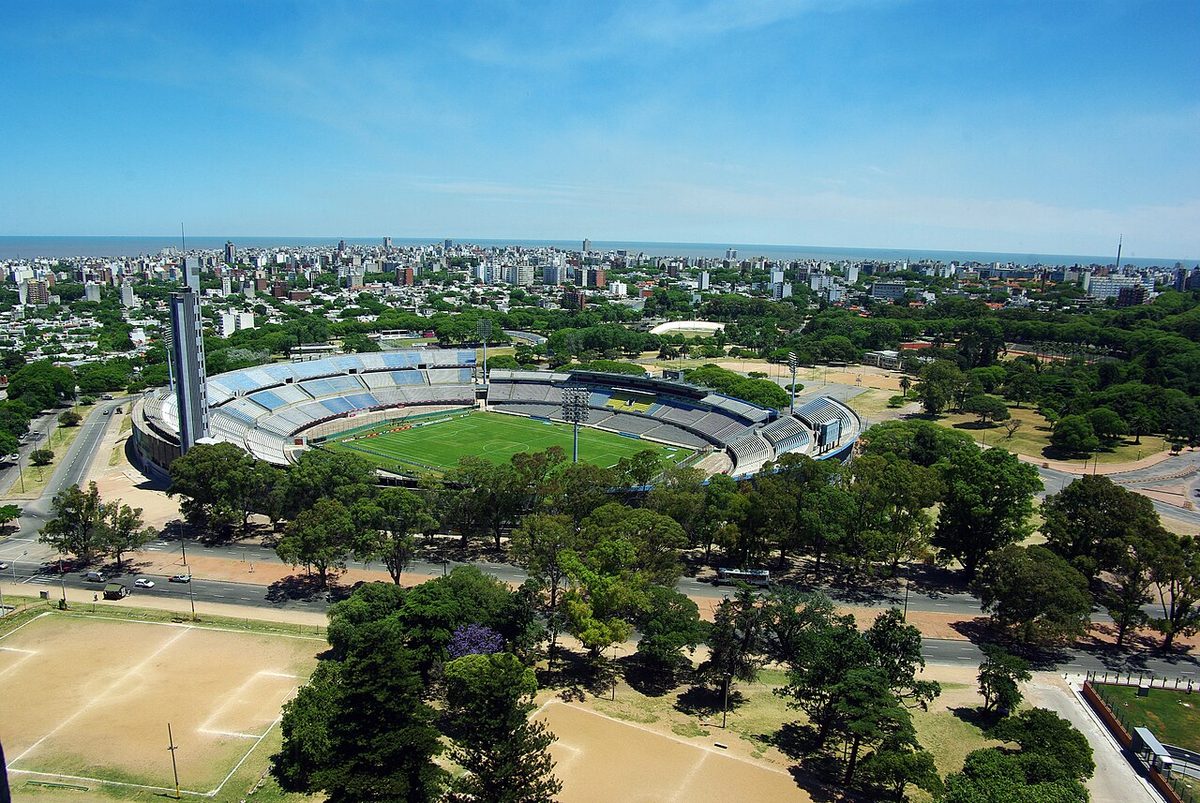
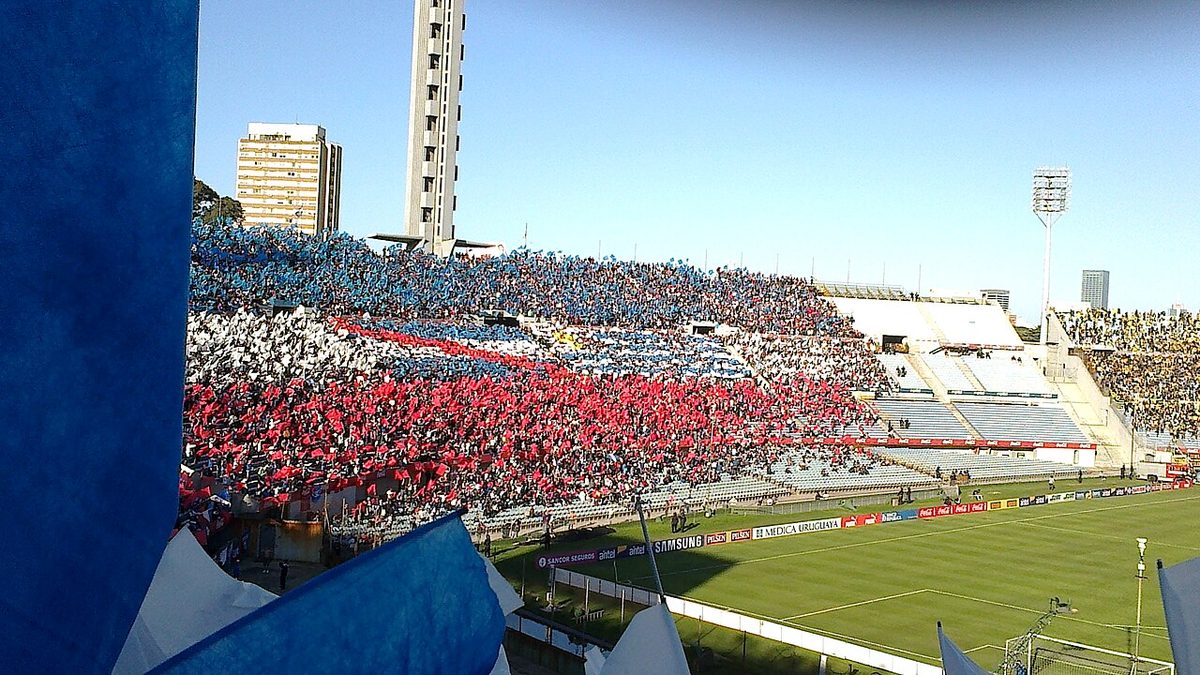
The Centenario is the spiritual home of Uruguayan football and the standard venue for La Celeste. It opened for the 1930 World Cup, once held close to 100,000 people, and seats around 60,000 today after standing areas were converted to seats. FIFA named it a historical monument of world football — the only building to hold that status. Even empty it’s worth the trip: the soaring Torre de los Homenajes tower, the steep stands, the sense of having walked into the place where the modern game’s biggest prize was first lifted.
Under the Olympic Grandstand is the Museo del Fútbol (Football Museum), a small, slightly old-fashioned, completely charming collection of shirts, trophies, photographs and 1930 and 1950 relics. It’s open on weekdays for a token entry fee, and you can usually combine it with a look around the bowl itself. Big domestic matches — and any heavyweight Copa Libertadores tie — still move here precisely because of the capacity and the aura.
Gran Parque Central — Nacional’s home and a 1930 landmark
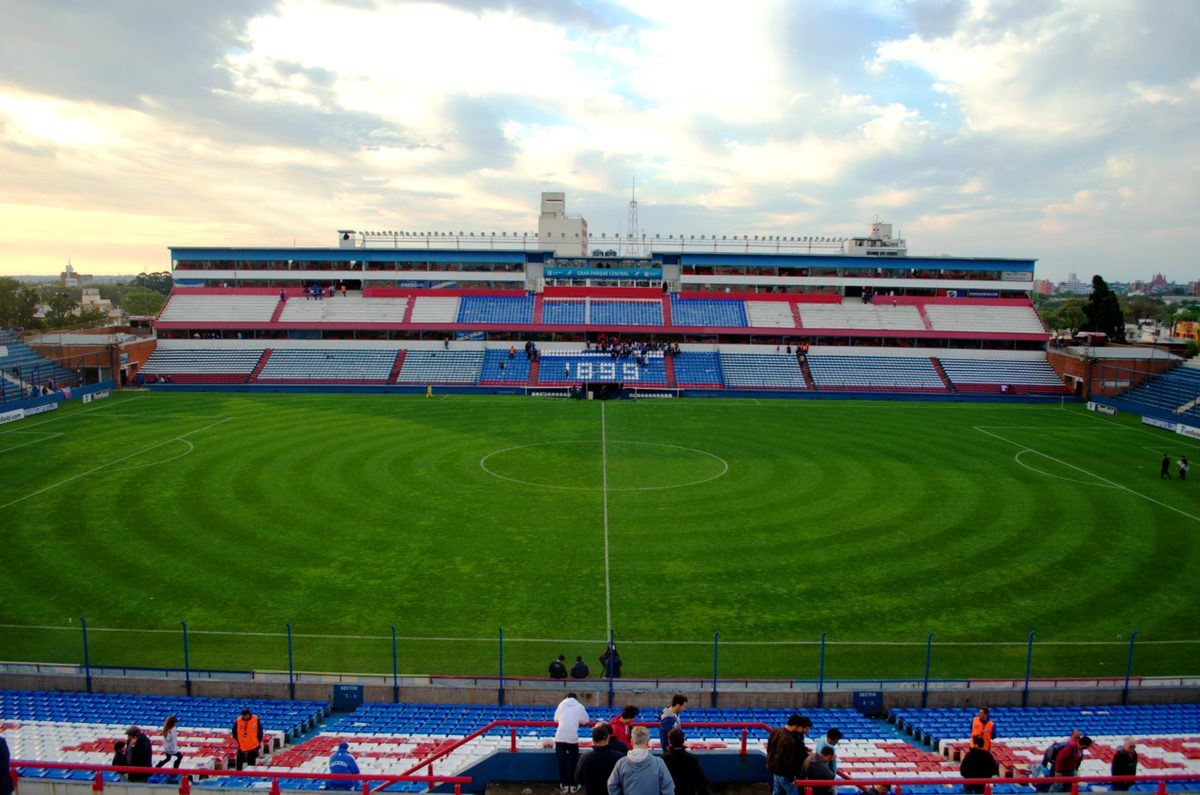
Nacional play at the Gran Parque Central, one of the oldest football grounds in the world still in use, in the central Parque Batlle area. Its place in history is secure for one reason: it hosted matches on the opening day of the 1930 World Cup, including one of the very first games in World Cup history, while the Centenario was still being finished. The modern stadium is mid-sized and tightly built, which makes for a loud, close atmosphere on derby day. If you want to see Nacional in their own house rather than at a neutral big-match venue, this is where to do it.
Estadio Campeón del Siglo — Peñarol’s modern fortress
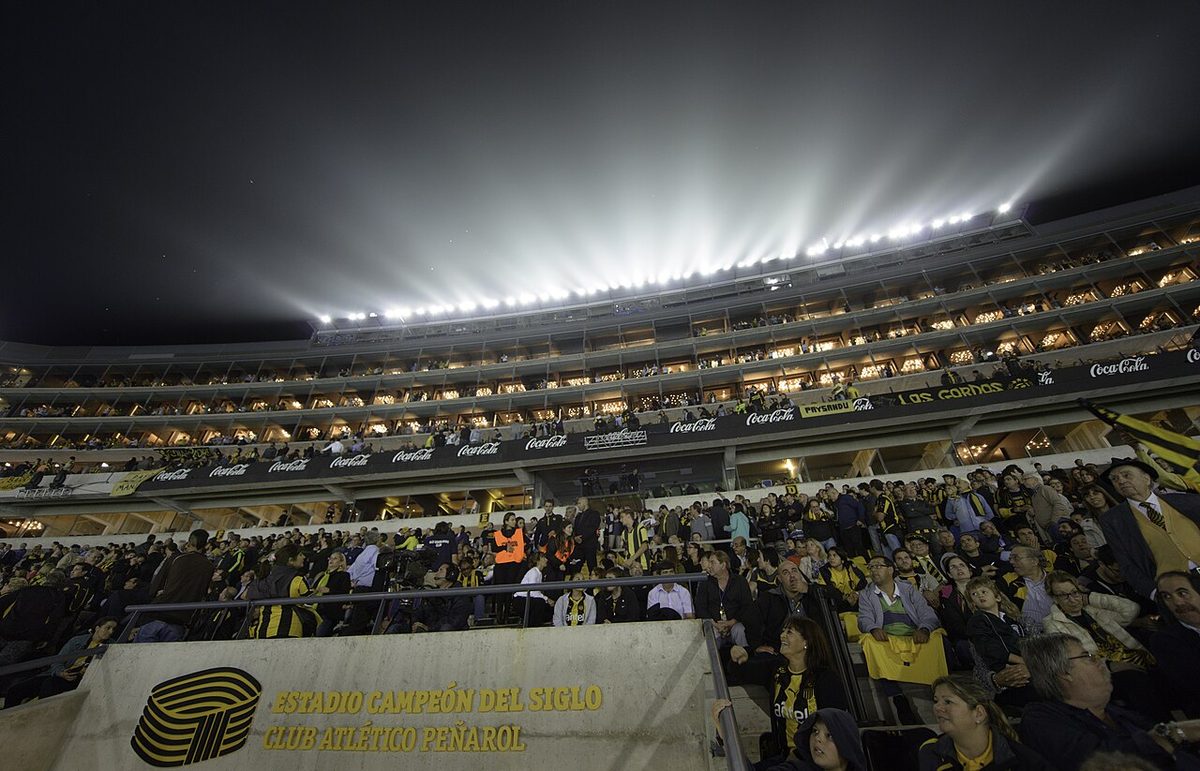
For most of their history Peñarol had no stadium of their own and played home games at the Centenario. That changed in 2016 when they opened the Estadio Campeón del Siglo — “Champion of the Century,” a reference to Peñarol being named the best South American club of the twentieth century — on the north-eastern edge of the city. It holds around 40,000, it’s modern and steep, and it’s emphatically Peñarol’s: yellow and black everywhere, and a wall of noise from the home end. The catch for visitors is distance. It sits well outside the centre, so plan transport in advance (more below).
| Stadium | Home of | Opened | Approx. capacity | Why go |
|---|---|---|---|---|
| Estadio Centenario | National team (La Celeste); big matches | 1930 | ~60,000 | 1930 World Cup site; football museum |
| Gran Parque Central | Nacional | 1900 (rebuilt) | ~34,000 | Hosted opening 1930 World Cup matches |
| Estadio Campeón del Siglo | Peñarol | 2016 | ~40,000 | Modern club fortress; pure Peñarol atmosphere |
The famous players
Uruguay’s talent-to-population ratio is, frankly, absurd, and naming names is the quickest way to feel it.
The modern golden generation is the one most visitors recognise. At the 2010 World Cup in South Africa, Uruguay finished fourth — their best in 40 years — built on a front line of Diego Forlán, Luis Suárez and Edinson Cavani. Forlán won the Golden Ball as the tournament’s best player. A year later the same core won the 2011 Copa América, Uruguay’s record-extending 15th continental title. Suárez and Cavani then spent a decade terrorising defences at Liverpool, Barcelona and Paris Saint-Germain while remaining the heartbeat of the national side; for many fans theirs is the most beloved era since 1950.
Before them came Enzo Francescoli, the elegant playmaker of the 1980s and 90s so admired that a young Zinedine Zidane named a son after him. Go back further and you reach Obdulio Varela, the 1950 captain, and the Olympic-era pioneers. The thread connecting all of them is that garra — even the silkiest Uruguayan players defend, scrap and refuse to lose. It’s the national style, passed down like a surname.
How to actually attend a match in Montevideo
This is the part the history listicles leave out, and it’s the part that makes the trip. Going to a game here is genuinely doable for a visitor — you just need to know the system.
When matches happen
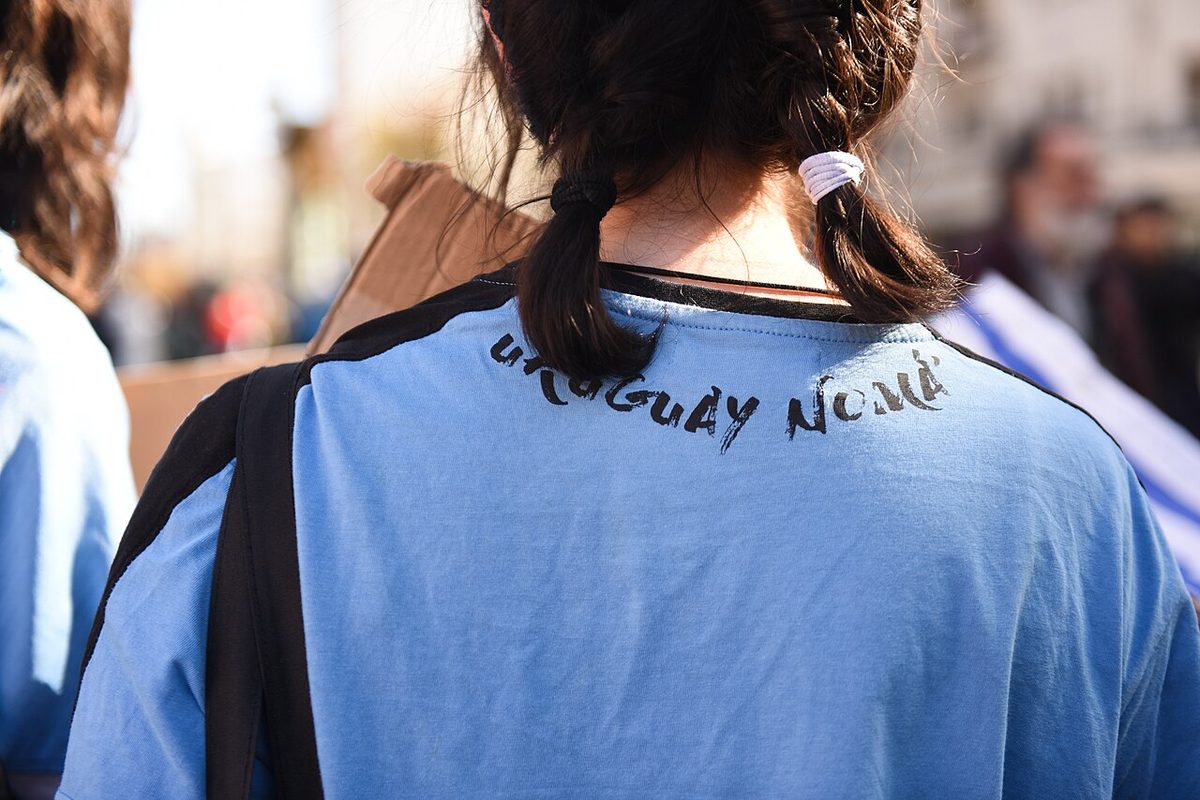
The Uruguayan Primera División season runs roughly from February to December, split into two halves (Apertura and Clausura), so there’s club football most weekends outside the mid-year break. Most games are Saturday or Sunday, with some on Friday or Monday nights; kick-off times are confirmed only a week or so ahead. National-team home fixtures, including World Cup qualifiers, are sporadic and sell hard. Check club and federation channels once you know your dates. If you’re still choosing when to come, the best time to visit Uruguay guide lines the season up against the weather.
Where to buy tickets
Buy through official channels only. Peñarol sell through the Tickantel platform online and through Redpagos payment-network shops around the city up to the day before. Nacional and the national team sell through similar local payment networks (Abitab is the common one for La Celeste at the Centenario), online or over the counter — there’s a counter at the Centenario itself, and dozens of branches across the centre. For an ordinary league game you can often buy a day or two ahead; for a clásico or a qualifier, treat it like a concert and buy the moment tickets drop. Prices are low by European or North American standards — a spot behind the goal can cost the price of a couple of coffees, with the main stand a good deal more.
One practical wrinkle: the local ticketing sites and payment shops can be fiddly with a foreign card or no Uruguayan ID number. If you hit a wall, ask your hotel or hostel — staff are used to helping with this — or have a local friend buy for you. Some reputable operators sell a “matchday experience” package (ticket plus a guide who handles the logistics and walks you in); for a first clásico that hand-holding can be worth the premium, just confirm the seller is legitimate.
Getting there
The Centenario and Gran Parque Central sit close together in central Montevideo, near the Tres Cruces bus terminal, an easy bus ride or short taxi from the old town. The Campeón del Siglo is the outlier — about 19 km out, an hour by public bus or a straightforward taxi/ride-hail. On derby and big-match days, take a taxi or rideshare and leave plenty of time; traffic and crowd control around the grounds are heavy. The guide to Uber and ride-hailing in Uruguay covers the apps that work locally.
The honest drawback: segregation, tension and pickpockets
Here’s the candid bit. The clásico is fantastic and it is also tense. Home and away fans are strictly segregated, with separate entrances, separate sectors, fences and a serious police operation; for some high-risk fixtures, away fans have at times been barred altogether. You cannot wander between ends, and you should wear the wrong colours nowhere near the opposing hinchada. As in any big football crowd anywhere, pickpocketing happens in the crush at gates and on packed buses — carry only what you need, keep your phone zipped away, and don’t flash valuables. Trouble is rare for visitors who stick to their sector and stay sober-ish, but the atmosphere is loud, smoky and intense, not a gentle family outing.
My honest advice for families or first-timers: skip the derby and go to an ordinary league match instead. You still get the drums, the flares, the singing and cheap tickets, with a fraction of the edge — a far easier introduction. Save the clásico for when you know the ropes. For the bigger safety picture, the is Uruguay safe guide is realistic and useful, and general Uruguay travel tips cover the day-to-day basics.
Where to watch if there’s no game
No fixture during your stay? You’ll still find the football. When La Celeste or one of the big clubs plays, screens go up in bares (bars) and parrillas (grill restaurants) across the city, and the streets empty into them. The Ciudad Vieja and the Mercado del Puerto area are reliable for a screen and a beer with a crowd; combine it with a meal and you’ve had a proper local evening. The Mercado del Puerto guide and the rundown of the best restaurants in Montevideo point you to the right blocks, and a wander through Ciudad Vieja is the natural way to find a bar on the night.
Football also slots neatly into a wider Montevideo day. Many visitors pair a match or museum with a walk along the Rambla, the long coastal promenade, or with the city’s other living traditions — the candombe drumming of the old neighbourhoods and the tango of Montevideo. They’re cut from the same cloth: communal, rhythmic, fiercely local.
Uruguay Football: your questions answered
Why does Uruguay have four stars on their shirt?
The four stars stand for four world titles: the World Cups of 1930 and 1950, plus the Olympic football gold medals of 1924 and 1928. At the time, the Olympic tournament was effectively the world championship, so Uruguay counts those golds as world titles. FIFA formally accepted the four-star shirt in 2021 after years of debate.
Is it safe to go to a Peñarol vs Nacional match?
It’s safe for visitors who plan ahead and stay in their own sector. Home and away fans are strictly segregated with separate entrances and heavy policing, so never wear the wrong colours near the opposing end. Pickpocketing happens in crowds, so carry little. For families or first-timers, an ordinary league game is a calmer introduction than the derby.
How do I buy tickets for a football match in Montevideo?
Buy through official channels. Peñarol sell via the Tickantel website and Redpagos shops; Nacional and the national team use local payment networks such as Abitab, online or over the counter, including a counter at the Estadio Centenario. Ordinary league tickets are often available a day or two ahead; clásicos and qualifiers sell fast, so buy immediately.
What is the Maracanazo?
The Maracanazo is Uruguay’s 2-1 win over Brazil in the deciding match of the 1950 World Cup, played at Rio’s Maracanã in front of roughly 200,000 home fans who only needed a draw. Uruguay’s victory silenced the stadium and is still treated as a national trauma in Brazil and a defining triumph in Uruguay.
Can I visit the Estadio Centenario without a match?
Yes. The Estadio Centenario is open to visitors, and underneath the Olympic Grandstand sits the Museo del Fútbol, a museum dedicated to Uruguayan football history with relics from 1930 and 1950. It opens on weekdays for a small entry fee, and you can usually see the stands too. It’s an easy add-on to a central Montevideo day.
Where can I watch a football match on TV in Montevideo?
When La Celeste or a big club plays, bars and grill restaurants across the city put screens up and fill with fans. The Ciudad Vieja and Mercado del Puerto area are reliable for a screen, a beer and a crowd. Ask your hotel which nearby bar is showing the game; locals will happily point you to the loudest one.
Final thoughts
You can read every statistic about Uruguayan football and still not understand it until you’re in a stand watching a tiny country play like it owns the sport. That’s the thing the listicles can’t give you. Go to a match if your dates allow — a calm league game first, the clásico only once you’ve found your feet — and if there’s no fixture, find a bar, order a beer, and watch the city hold its breath. Visit the Centenario and its museum either way. Of everything this small, stubborn country does, football is the clearest window into how it sees itself: outnumbered, unbothered, and absolutely certain it can win.
Credits & sources
Sources & further reading
- FIFA — Uruguay World Cup history and team profile
- The Stadium Guide — Estadio Centenario (facts, museum, tickets)
- The Stadium Guide — Estadio Campeón del Siglo (Peñarol tickets & transport)
- Estadio Gran Parque Central — Nacional’s ground and its 1930 World Cup role
Photo credits
All images via Wikimedia Commons: Estadio Centenario Montevideo Exterior by Ismael Cordero (CC BY-SA 3.0); Penarol Nacional Clasico Montevideo by Spong8 (CC BY-SA 3.0); Gran Parque Central Nacional by Charrúa Fever (CC BY-SA 3.0); Estadio Campeon Del Siglo Penarol by Jimmy Baikovicius from Montevideo, Uruguay (CC BY-SA 2.0); Seleccion Uruguaya Celeste Hinchada by a Wikimedia Commons contributor (CC BY-SA 4.0).