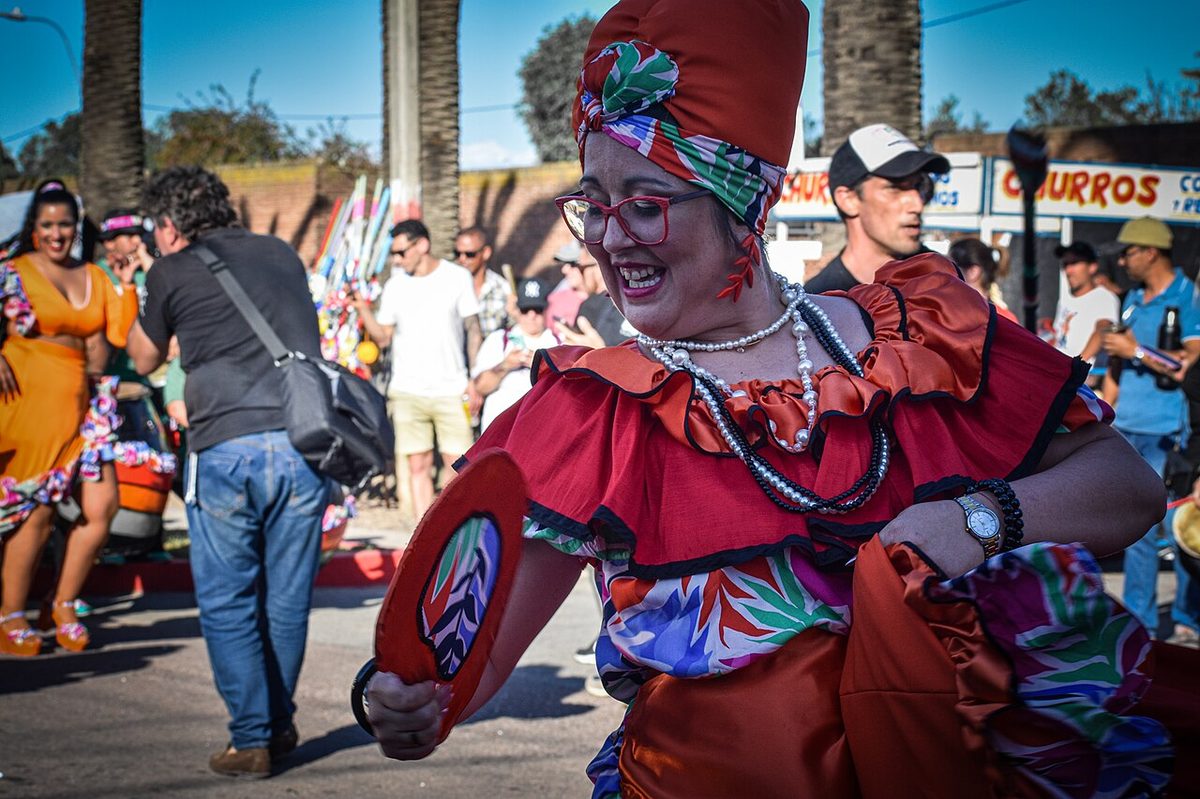
Candombe: The Afro-Uruguayan Heartbeat (2026)
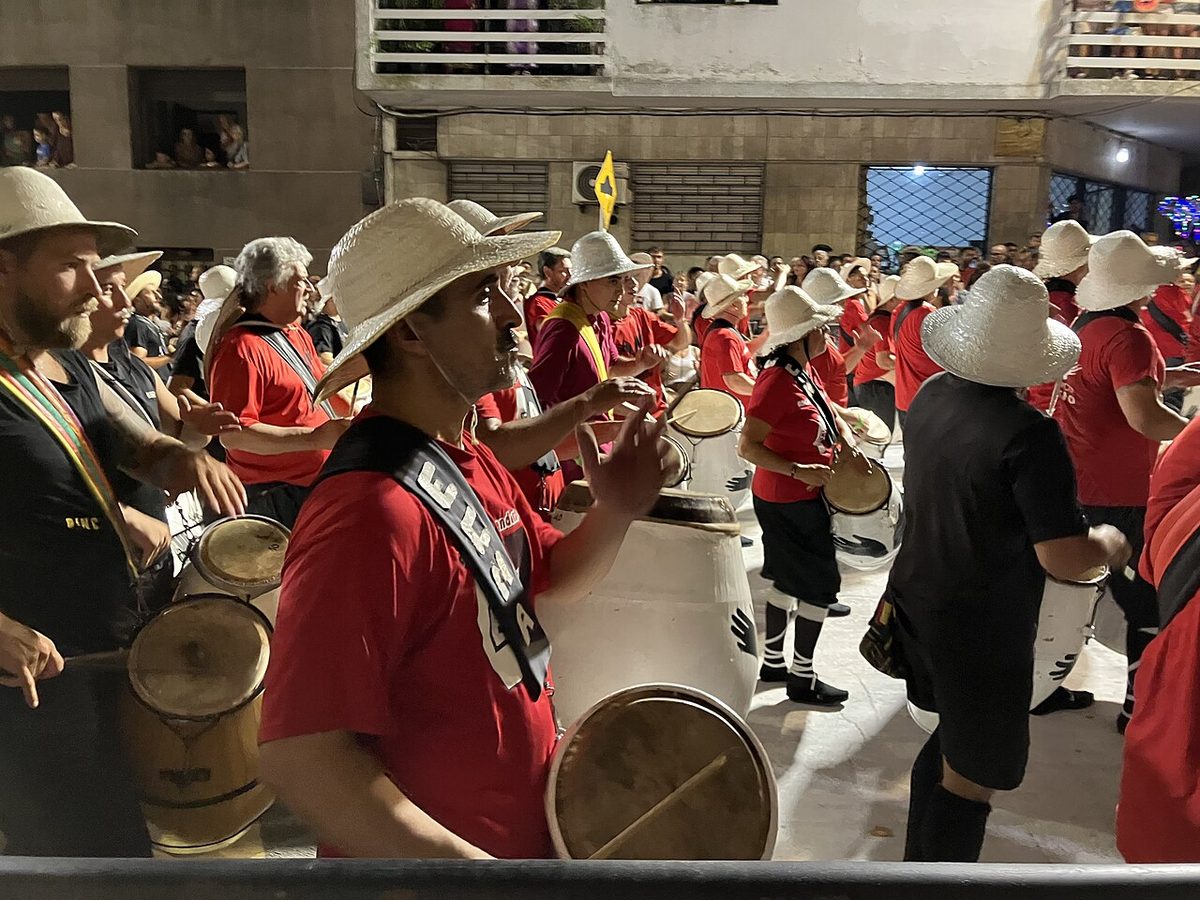
The first time it happened to me I was walking back from dinner in Montevideo when the air started to change. Not the temperature. The pulse. A low, syncopated thump rolling up the street like weather, and under it a high crackling pattern, and over the top something darting and answering. I followed it three blocks and found forty people with barrel-shaped drums slung at their hips, a small fire on the curb, and half the neighborhood out on the pavement. Nobody had advertised it. It was just Sunday.
Candombe is the Afro-Uruguayan drumming tradition born among the descendants of enslaved Africans in Montevideo, built on three drums played by a marching line called a cuerda. UNESCO inscribed it in 2009, but its real home is the street: informal drum-calls roll through the southern barrios most Sunday evenings, year-round, not only at Carnival. It is the heartbeat of the city.
Here is what this guide covers, and what it does not. I want you to be able to recognize the three drums by ear, understand why this music carries so much history, and above all know where and how you can hear a real candombe as a visitor without turning a neighborhood ritual into a tourist photo-op. I will give you one honest drawback up front and more detail later: the best of it is unscheduled. You cannot book it.
I am not going to walk you through the big Carnival parade here, the Desfile de Llamadas, or the wider logistics of Carnival in Montevideo. Those deserve their own treatment, and you will find them elsewhere on this site. What follows is the everyday tradition, the one that runs all year and that I think tells you more about Uruguay than almost anything else.
| Drum | Size & pitch | What it does | How to spot it by ear |
|---|---|---|---|
| Chico | Smallest, highest | Keeps strict time; the heartbeat the whole cuerda locks to | Fast, steady, unchanging high crackle that never stops |
| Repique | Middle | Improvises, talks back, adds the conversation and surprise | The drum that keeps changing and “answering,” never quite repeating |
| Piano | Largest, lowest | Lays the bass line; its pattern marks each barrio’s identity | The deep wave you feel in your chest from a block away |
Where candombe comes from
To understand the drums you have to start with the people who carried them. Between the late 1700s and the mid-1800s, thousands of enslaved Africans were brought to the Río de la Plata, many through the port of Montevideo. They came largely from the Bantu-speaking regions of west-central Africa, around present-day Angola and the old Kingdom of Kongo. The word “candombe” itself traces to Kikongo and originally meant something close to “pertaining to Black people.”
Slavery here was abolished in stages in the mid-19th century, earlier than in much of the Americas. What did not disappear was the community, or its music. Freed and free-born Afro-Uruguayans gathered to drum on Sundays and feast days, around a fire, exactly as their descendants still do. That continuity is the astonishing part. This is not a revival of something lost. It is a living thread that has never been cut, passed down inside specific families for roughly two centuries.
Much of that life was concentrated in the conventillos of three southern neighborhoods: Barrio Sur, Palermo and Cordón. A conventillo (a tenement, dozens of rooms wrapped around a shared courtyard) packed working-class and largely Black families into close quarters, and the courtyards became the schools where rhythms were learned and refined. The most famous of them, the Mediomundo in Barrio Sur, had 54 rooms on two floors around a central patio, and it was effectively a cradle of the modern tradition.
A history with a wound in it
You should know this part, because Montevideo’s south does not hide it. In December 1978, under the civil-military dictatorship, the Mediomundo conventillo was evicted and demolished within days, officially for risk of collapse. Over 1978 and 1979 the same thing happened to the Ansina and Reus al Sur tenements in Palermo. More than 300 families were forced out, scattered to the city’s periphery on a promise of return that, for most, never came.
Drumming carried on anyway, in exile and then back in the old streets. In 2006 the Uruguayan parliament unanimously made December 3, the date of the Mediomundo’s demolition, the National Day of Candombe. So when people tell you this music is “an expression of resistance,” that is not a marketing line. It is the literal history of the blocks you will be standing on.
The cuerda: three drums and one conversation
A cuerda (the marching line of drummers) is the engine of candombe, and it runs on three drums, called tamboriles. They are barrel-shaped, single-headed, made of wood, worn at the waist on a shoulder strap (the talí) and played with one stick in one hand and the bare palm of the other. The trick to enjoying candombe is learning to pull the three voices apart. Once you can, you will never hear it as noise again.
Chico: the timekeeper
Smallest, highest, fastest. The chico plays a tight, unchanging pattern and never deviates. It is the metronome the whole line depends on, what one classic description calls the rhythmic pendulum. If you focus on the relentless high crackle that does not change, that is the chico, and it is holding everything together.
Repique: the improviser
Middle-sized, middle-pitched, and the one with personality. The repique embellishes and improvises, throwing in phrases, accents and call-and-response figures that talk to the rest of the cuerda. When you hear a drum that seems to be answering a question nobody asked, darting around the beat, that is the repique. Good repique players are the show-offs and the stars.
Piano: the bass
Largest and lowest. The piano lays down the deep, rolling bass line, the part you feel before you hear. Here is the detail I love most: the piano’s pattern is not identical everywhere. Each of the historic neighborhoods has its own toque, its own signature beat, named for the streets where it grew. Cuareim is the toque of Barrio Sur, Ansina belongs to Palermo, and Cordón has its own. Locals can tell which neighborhood a cuerda comes from just by the piano. UNESCO singled this out: the deepest drum both unites the districts and signals their separate identities.
There used to be a fourth, even larger and deeper drum called the bombo or bajo, accenting the fourth beat. You will rarely meet one now; it has mostly faded out. A minimum cuerda needs just three drummers, one per part, but a full one runs 50 to 100, lined up in rows of five or seven that mix the three drums so each voice is woven through the whole block of sound.
The fire, the skin, and “templar”
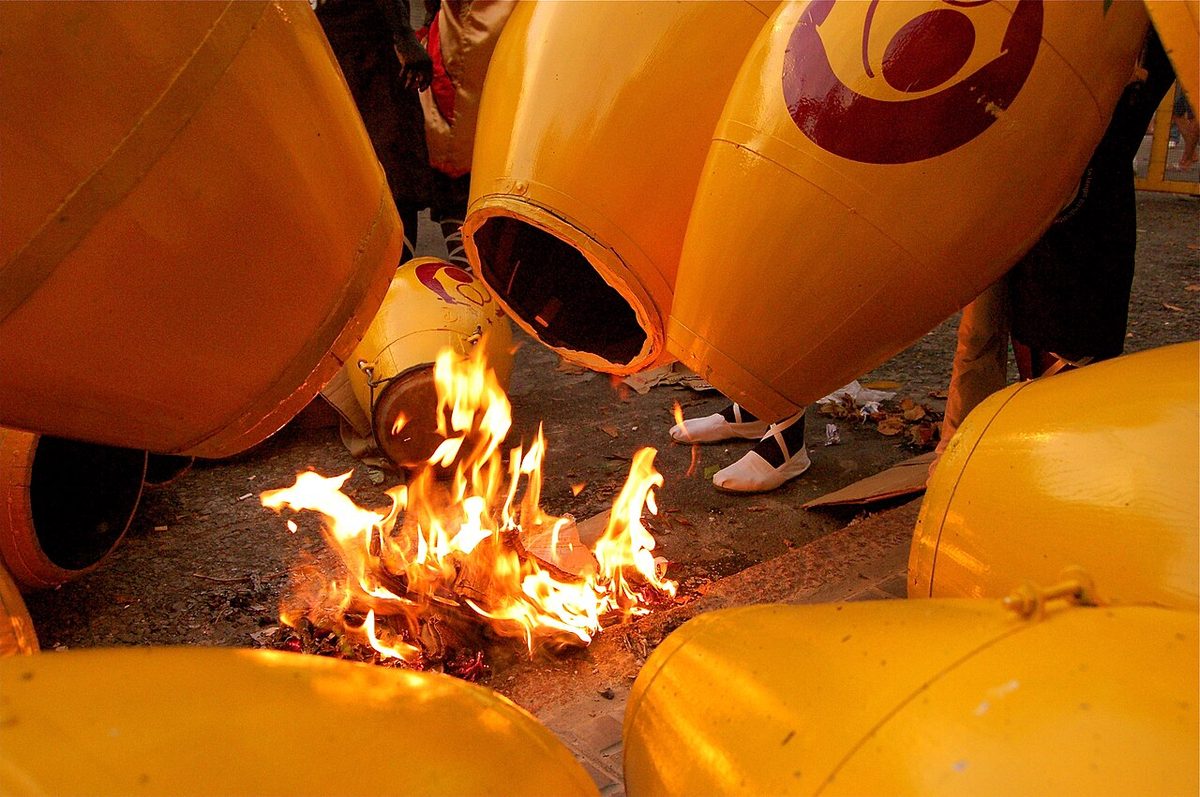
If you arrive early, before the drumming starts, you will see something that looks almost like a ritual and is in fact pure engineering. Someone lights a small fire on the street, and one by one the drummers hold their instruments up to it, turning them, pressing the skin, listening. They are tuning.
Each drum has a single lonja (the drumhead, traditionally an animal skin) stretched over the open end. Skin slackens in cool, damp air and tightens with heat, and pitch follows tension, so to get the bright, ringing tone candombe needs, the players warm the lonja over the flames until it sings. This is “templar,” tempering or tuning the skin by fire, and it is done minutes before playing and again at every break. On a winter night in Palermo I watched a man spend a genuinely patient ten minutes coaxing his lonja up to pitch, tapping, reheating, tapping again. Some drums are rope-tuned instead, but the fire is the classic image, and it is the reason a candombe always seems to begin with people standing around quietly, drinks in hand, apparently doing nothing. They are not doing nothing.
One more piece of vocabulary you will hear: “hacer madera,” literally “making wood.” That is when players tap the wooden shell of the drum rather than the skin, laying down the clave, the underlying rhythmic key that everything else hangs on. Listen for the dry click of stick on wood under the boom.
The llamada and the characters
The word llamada means “call,” and it is exactly that. The drums call the neighborhood out, and the cuerda processes slowly down the street, often eight or so blocks, while people fall in alongside and behind. Cars stop. Balconies fill. It is a parade, but an unhurried, conversational one, and at Carnival it scales up into the famous competitive version. The everyday llamada is the seed of all of it.
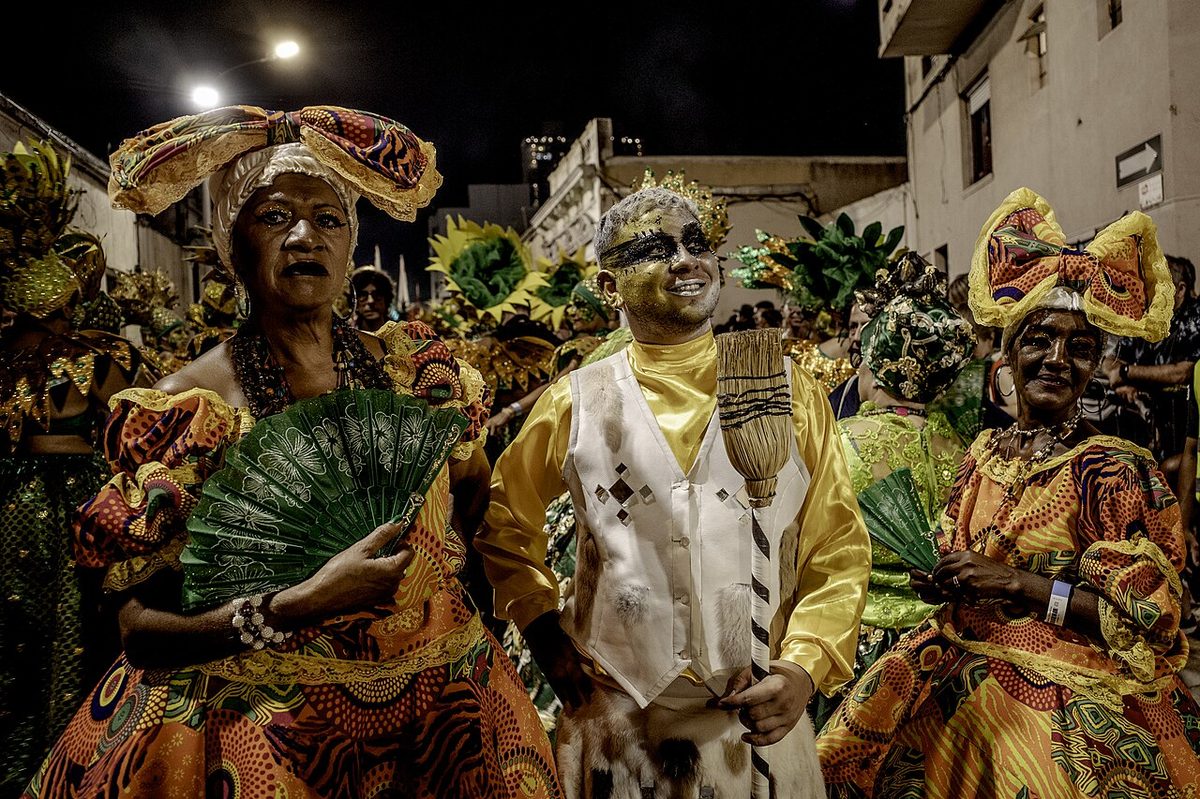
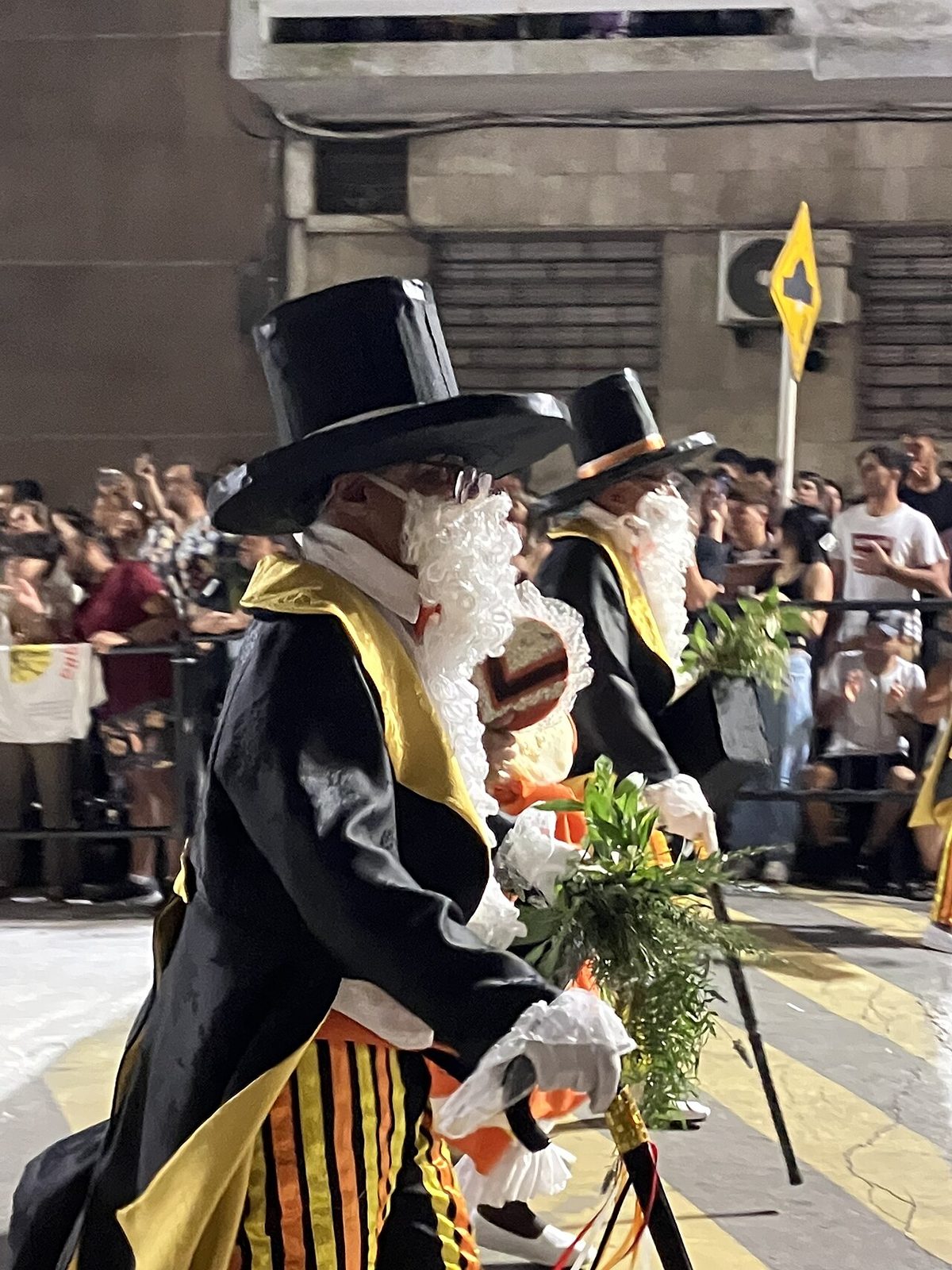
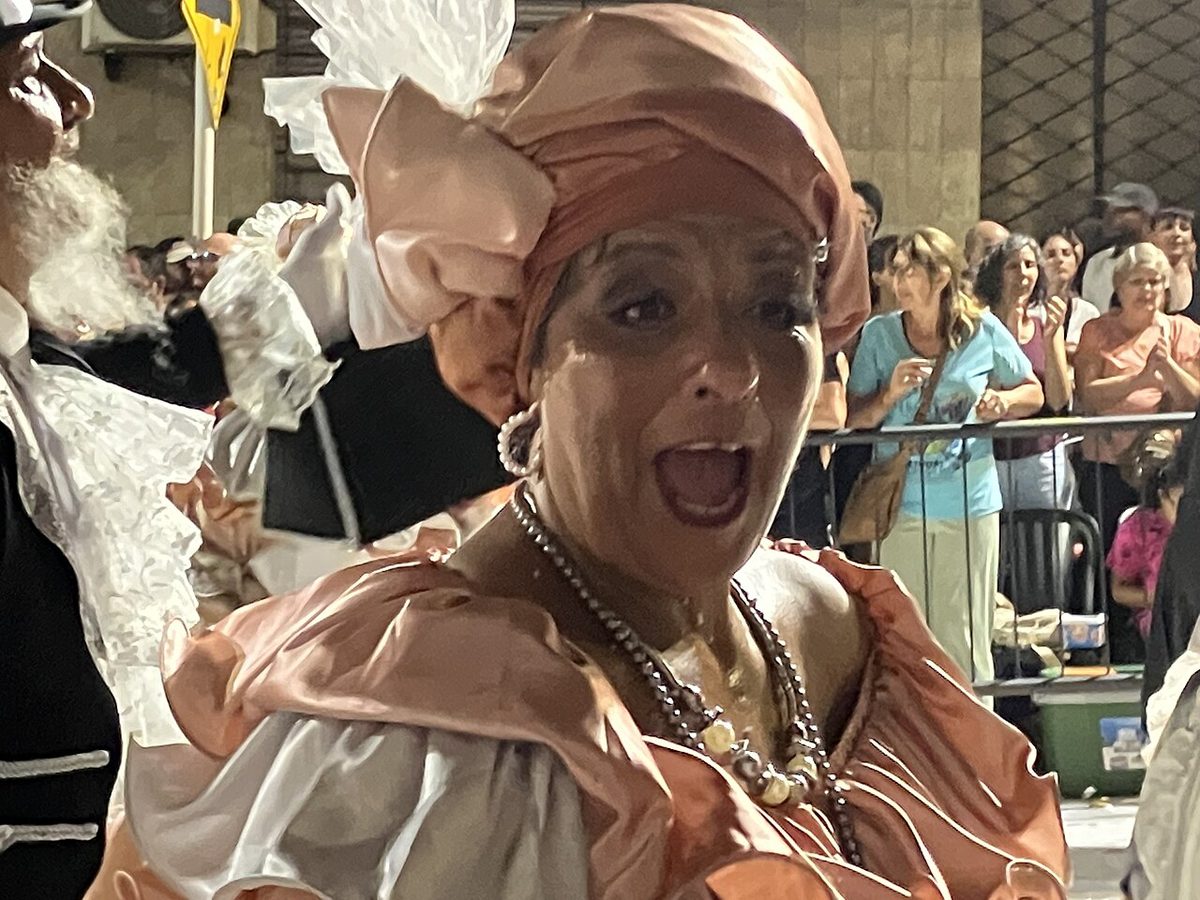
Travelling with the drums you will often see a small cast of traditional characters, figures handed down from the era of slavery, danced rather than acted:
- El gramillero — the old herb-doctor, in top hat, spectacles and a frock coat, carrying a little bag of medicinal herbs (gramilla), shuffling and shaking with exaggerated age. He is a memory of the elder healers of the community, and a sly parody of the old white gentleman.
- La mama vieja — the “old mother,” his partner, in a long full skirt and shawl, twirling a parasol. She is matriarch, grandmother and keeper of the household, danced with enormous dignity.
- El escobero — the broom-man, who has to be a genuinely gifted dancer. He spins, tosses and balances a decorated broom in a display of skill and agility, clearing the symbolic path ahead of the cuerda. Watching a good escobero is one of the small thrills of a llamada.
Together with the dancers, a fuller troupe like this is called a comparsa. You will hear both words: cuerda for the line of drums specifically, comparsa for the whole performing group.
UNESCO recognition and the Museo del Candombe
In 2009, UNESCO inscribed the tradition on its Representative List of the Intangible Cultural Heritage of Humanity, under the slightly bureaucratic but precise title “Candombe and its socio-cultural space: a community practice.” The phrasing matters. UNESCO did not just list a rhythm; it recognized the whole social world around it, the Sunday gatherings, the family transmission, the neighborhoods themselves. The drum-calls of Barrio Sur, Palermo and Cordón are named explicitly in the inscription, and the UNESCO candombe listing remains a point of national pride. It sits alongside Uruguay’s other cultural and natural honors, and if you are interested in that side of the country, the broader picture of Uruguay’s UNESCO sites is worth a look.
For context and a roof over your head on a rainy afternoon, the Museo del Candombe sits in Barrio Sur, in the heart of the old candombe district. It is a modest community museum rather than a slick institution, which is exactly its charm: drums, photographs, costumes and the stories of the families and the demolished conventillos, told from the inside. Go before you chase a street llamada and the music will mean far more. Candombe is, deservedly, one of the things this country is most proud of, and it belongs near the top of any honest list of what Uruguay is known for.
How to experience a real candombe as a visitor
This is the part most articles skate over, so let me be specific. You do not need Carnival to hear candombe. The thing to look for is the everyday street llamada, often a comparsa rehearsing for the next Carnival, and it happens most reliably on Sunday evenings in the southern barrios.
Where and when
- The barrios: Barrio Sur and Palermo, just south and southeast of the city center, with Cordón nearby. These are working-class, historically Black neighborhoods, walkable from downtown.
- The streets: The classic axis is around Isla de Flores and Cuareim (now officially Zelmar Michelini), the same streets the big Carnival parade later uses. But a llamada can form on any number of blocks.
- The day: Sunday is the traditional evening, with extra activity on public holidays and, naturally, a steady build through January and February as Carnival approaches. On a summer Sunday you have very good odds.
- The time: Evening. Things get going after dark and run late. Do not expect punctuality; the fire and the tuning come first.
The honest method, the one every local will give you, is almost comically simple: follow the sound. Once the drums start, that low piano carries for blocks, and you walk toward it. If you want to improve your odds, ask the people at your guesthouse or a bar in a southern Montevideo neighborhood where to stay near the action; locals usually know which cuerdas are out that week.
The one honest drawback
Here it is, and it is a real one: the best, most authentic llamadas are informal and unscheduled. There is no central listing, no ticket, no start time you can rely on. The comment sections of travel sites are full of visitors asking for “the schedule” and getting, politely, the same answer every time: there isn’t one. Each comparsa keeps its own rhythm. That unpredictability is precisely what keeps it real rather than staged, but it does mean you might walk for an hour and hear nothing, or stumble onto something extraordinary five minutes from your door. Build in flexibility, give it more than one evening, and treat a no-show as part of the deal.
How to behave, because this is a neighborhood, not a show
This is the bit I care about most. A street candombe is not a performance staged for tourists. It is a community gathering that happens to be in public, and the families drumming have every reason to be wary of outsiders treating their heritage as content. So:
- Blend in and dress down. Leave the obvious tourist kit at the hotel.
- Watch from the side or the tail. Once the procession moves, walk along the pavement beside or behind the cuerda, never in front of it or among the drummers.
- Put the phone away, mostly. A discreet photo is one thing; spending the whole llamada filming is another. Be present. It is better.
- Buy a beer from the corner kiosko like everyone else, and keep your voice down. Loudly speaking English marks you instantly.
- Mind your safety and your belongings. Barrio Sur and Palermo are wonderful but working-class, and petty theft does happen at crowded llamadas after dark. Carry little, stay aware, and the general advice in our guide to whether Uruguay is safe applies neatly here.
Do all that and you will not be tolerated so much as quietly welcomed. Everyone there loves a good cuerda, and they can tell when a visitor gets it.
Fitting candombe into a Montevideo trip
If you search “candombe Uruguay” before your trip you will mostly find Carnival photos, but practically speaking the everyday tradition slots neatly into a city visit. The barrios where it lives are a short walk or cheap taxi from the historic core, so you can spend an afternoon in Ciudad Vieja, eat early, and drift south as the light goes. A long walk along the Montevideo rambla, the waterfront promenade, will sometimes deliver drumming too, especially on warm Sunday evenings near the southern neighborhoods.
Timing your whole trip around it is easy enough: the music runs all year, but it is at its densest from January through Carnival, which folds into the wider question of the best time to visit Uruguay. If you are building a route, our Montevideo itinerary can help you carve out a Sunday evening for it, and a candombe night fits comfortably onto almost any list of things to do in Uruguay. More than any museum, it is the experience that connects you to the deeper story of Uruguayan culture, the Afro-Uruguayan heritage that shaped the country’s music, its identity and even its tango.
Candombe: your questions answered
What is candombe, in simple terms?
Candombe is an Afro-Uruguayan drumming, music and dance tradition created by the descendants of enslaved Africans in Montevideo. A line of drummers called a cuerda plays three barrel drums, the chico, repique and piano, while characters and dancers process through the street. UNESCO recognized it as Intangible Cultural Heritage in 2009.
What are the three candombe drums called?
The three tamboriles are the chico (smallest and highest, which keeps strict time), the repique (middle-sized, which improvises and answers), and the piano (largest and lowest, which lays the bass line). Together they form the call-and-response sound of a cuerda. Each southern neighborhood has its own signature piano pattern, or toque.
When was candombe recognized by UNESCO?
UNESCO inscribed it in 2009 on the Representative List of the Intangible Cultural Heritage of Humanity, under the title “Candombe and its socio-cultural space: a community practice.” The listing recognizes not only the music but the whole social world around it, including the Sunday drum-calls of the Barrio Sur, Palermo and Cordón neighborhoods of Montevideo.
Where can I hear candombe in Montevideo without going to Carnival?
Head to Barrio Sur and Palermo, the historic Afro-Uruguayan barrios just south of downtown, on a Sunday evening. Informal street llamadas (drum-calls) happen year-round, often around Isla de Flores and Cuareim. There is no fixed schedule, so the local advice holds: follow the sound of the drums after dark.
Is it disrespectful for tourists to watch a candombe?
Not at all, if you do it right. A street candombe is a neighborhood gathering, not a show, so blend in, watch from the side or the tail of the procession, keep the filming to a minimum, and treat it as the community ritual it is. Visitors who are quiet and respectful are genuinely welcome.
What is the difference between a cuerda and a comparsa?
A cuerda is specifically the line of drummers and their tamboriles. A comparsa is the fuller performing group, which adds dancers and the traditional characters, the gramillero, the mama vieja and the escobero. At an everyday street llamada you may see mostly a cuerda; at Carnival you see the whole comparsa.
Final thoughts
Of everything I have done in Uruguay, the thing I push hardest on friends is this: get yourself to Barrio Sur on a Sunday night and wait for the drums. Wineries are lovely and the beaches are long and empty and perfect, but candombe is the sound of the country thinking out loud, two centuries of memory played on three drums over a street fire. It costs nothing, it asks only that you show up with some humility, and it will rearrange how you hear music for a while afterward.
Just remember what it actually is. Not a spectacle laid on for you, but a living tradition that survived slavery, dictatorship and the bulldozing of its own birthplace and kept right on playing. Stand at the edge, buy a beer, feel the piano in your chest, and let the neighborhood carry you along. That is candombe, and there is nothing else like it.
Credits & sources
Sources & further reading
- UNESCO Intangible Cultural Heritage — Candombe and its socio-cultural space: a community practice
- Uruguay Natural (Ministry of Tourism) — Candombe
- Guru’Guay — How to experience candombe drummers in the street
- Wikipedia — Candombe (drums, characters and history)
Photo credits
All images via Wikimedia Commons: Cuerda De Tambores Candombe Montevideo by Manzanita2203 (CC BY-SA 4.0); Llamadas Candombe Barrio Sur by Jimmy Baikovicius from Montevideo, Uruguay (CC BY-SA 2.0); Tamboriles Candombe Templar Fuego by Latangocandombe (CC BY-SA 3.0); Gramillero Candombe Character by Manzanita2203 (CC BY-SA 4.0); Mama Vieja Candombe Closeup by Manzanita2203 (CC BY-SA 4.0).