Digital Nomad Guide to Uruguay: Visa, Wifi & Coworking (2026)
The first thing I noticed, working from a café in Pocitos with my laptop open and a coffee going cold beside me, was the quiet. Not silence exactly. Just the absence of the low-grade chaos I’d gotten used to in other remote-work bases. The wifi held. Nobody hassled me to leave. The waiter refilled my water twice without being asked.
I’d come half-expecting the usual South American trade-off: charm in exchange for friction. That isn’t what I found.
The short answer: life as a digital nomad uruguay-side means fast Antel fibre, a capital ranked the safest in Latin America, a genuinely easy remote-worker residency permit, and a UTC-3 time zone that overlaps cleanly with the US and Europe’s morning. It’s one of the Americas’ most underrated bases. The catch is cost.
This guide covers what actually matters when you’re deciding whether to base here: the visa and residency options, internet speed and reliability, coworking spaces in Montevideo and Punta del Este, the best neighborhoods to live in, a real monthly budget, the time zone, and the drawbacks nobody mentions in the glossy listicles. I’ve leaned on official Uruguayan sources for the visa detail and my own time on the ground for everything else. Where rules can change, I say so and point you somewhere official.
| Nomad scorecard | Rating | The honest version |
|---|---|---|
| Internet | Excellent | Antel fibre is the fastest in Latin America; 300–1000 Mbps is normal in cities |
| Cost of living | Moderate–high | The continent’s priciest country; budget US$1,600–2,400/mo solo |
| Safety | Excellent | Montevideo ranked safest city in Latin America (2024 Global Peace Index) |
| Visa / residency | Very easy | Digital Nomad Permit: 180 days, extendable to 12 months, no fixed income floor |
| Coworking | Good | Solid options in Montevideo; thinner in Punta outside summer |
| Community | Small but real | Growing, English-friendly in pockets; smaller than Medellin or Lisbon |
| Time zone | Great for US/EU | UTC-3: full US overlap, catches Europe’s morning |
The Uruguay digital nomad visa: what it actually is
Let me clear up the terminology first, because the marketing blogs muddle it. There is no glossy “digital nomad visa” with a sticker in your passport. What Uruguay introduced in 2023 is a provisional residency permit for remote workers, officially the “Residencia Provisoria – Nómadas Digitales.” Everyone calls it the digital nomad visa. The government calls it a permit. Same thing.
It was set up by the National Directorate of Migration (Dirección Nacional de Migración) working with Uruguay XXI, the country’s investment-promotion agency, plus the labour ministry and the digital-government office. The pitch from the government was blunt: come, work, spend money here, maybe stay. Uruguay wants the talent and the foreign currency.
How long it lasts and who can apply
The permit runs 180 days, and you can extend it once for another 180, giving you up to a year. After that, if you’ve fallen for the place, you pivot to a temporary or permanent residency application, which is a separate and more involved process.
Eligibility is refreshingly broad. You qualify if you work remotely — employee, freelancer, or business owner — for clients or a company based outside Uruguay. You cannot use it to take a local Uruguayan job. That’s the one hard line.
The income requirement (or lack of one)
Here’s where Uruguay diverges from almost every other nomad visa on earth. There is no official minimum income. Spain wants roughly €2,800 a month; Uruguay wants a signed sworn declaration that you can support yourself. That’s it for the initial application.
In practice, plan to show you’re not going to become a public burden. Most nomads I’ve spoken to budget US$1,500–2,000 a month and have bank statements or client contracts ready in case anyone asks. The looseness is real, but don’t treat “no minimum” as “no scrutiny.”
What the application actually involves
You apply from inside Uruguay, not from home. Most nationalities enter visa-free as tourists, then start the process once you’ve landed. You complete an online form on the government portal, select the digital-nomad residency option, and upload a passport copy plus your sworn declaration.
Cost is almost a rounding error: there’s no standard visa fee, though a small administrative charge of around US$10–15 may apply at a later stage, paid locally. Compare that to the four-figure lawyer bills some countries’ programs rack up.
For the six-month extension, the bar rises. You’ll need official criminal-record certificates from your home country and anywhere you’ve lived more than six months in the past five years, plus health coverage and, in some cases, a vaccination certificate issued in Uruguay. Sort these out early; chasing apostilled police checks from abroad while the clock ticks is nobody’s idea of fun.
One thing worth understanding: the cédula
Once approved, you can get a provisional Uruguayan ID card, the cédula. This is more useful than it sounds. A cédula makes renting a flat, signing a phone contract, and dealing with banks dramatically smoother. Without it you’re stuck in the cash-and-passport limbo that makes longer stays annoying.
A candid caveat on all of this: immigration rules shift, processing times wobble, and what a migration officer asks for can vary. Treat this section as orientation, not gospel. Before you book flights, check the official Uruguay XXI and Migración pages I’ve linked at the bottom, and read our broader Uruguay visa and entry requirements guide for the tourist-entry rules that apply before you switch to the permit.
Tax, briefly — and why nomads care
Uruguay runs a territorial tax system, which means foreign-sourced income is generally not taxed. Earn from clients abroad, and in most temporary-stay cases you owe Uruguay nothing on it. There’s a catch worth flagging: spend more than 183 days in a calendar year, or shift your economic centre of gravity here, and you may tip into tax residency. I’m a travel writer, not your accountant — if you’re staying long or earning a lot, pay a Uruguayan tax adviser for an hour of their time. It’s money well spent.
Internet and connectivity: the part Uruguay quietly nails
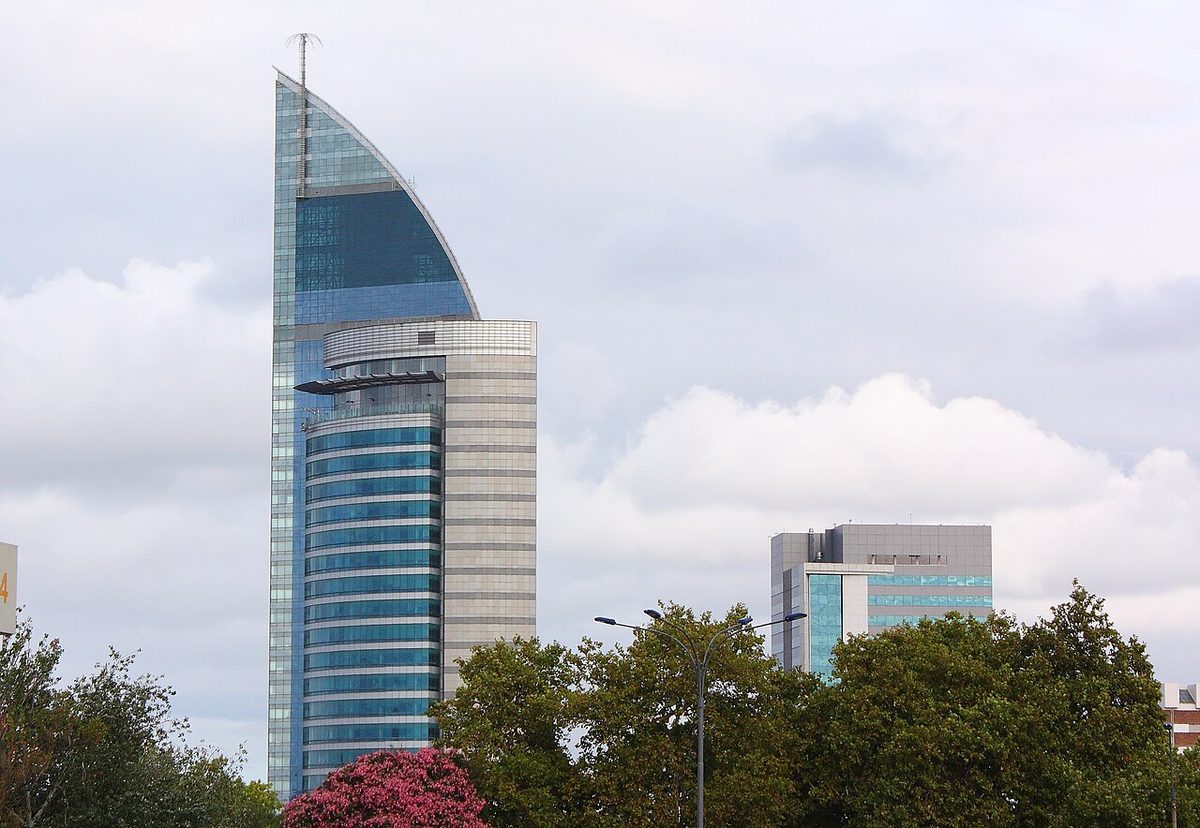
This is the headline most guides bury, so I’ll lead with it. Uruguay has the fastest fixed-internet download speeds in Latin America, and it isn’t close. The reason is Antel, the state telecom, which spent years laying fibre-to-the-home across the country while neighbours were still arguing about it.
In Montevideo and Punta del Este, a residential fibre plan delivering 300 Mbps to 1 Gbps is normal and cheap by Western standards — expect to pay around US$30 a month for a fast, unlimited line. I ran video calls from three different apartments without a single dropped connection. For a remote worker, that reliability is the whole ballgame.
Mobile is solid too. 4G blankets the cities and most of the populated coast, and 5G is rolling out in Montevideo. For a local SIM or eSIM — which I’d grab on arrival as a hotspot backup — the practical details are in our Uruguay SIM card and eSIM guide. The one honest caveat: get a SIM with a cédula or passport, and Antel’s prepaid data isn’t quite as generous as the big regional carriers. As a backup it’s fine. As your sole connection, top up generously.
Power is stable. Uruguay generates almost all its electricity from renewables, mostly wind and hydro, and blackouts are rare enough that I never bothered with a battery backup. After bases where the lights flickered daily, that alone was worth the higher rent.
Coworking in Montevideo and Punta del Este
You can absolutely work from cafés here, and I’ll get to those. But for calls, deadlines, and the simple sanity of a real chair, a coworking membership earns its keep. The Montevideo scene is good without being enormous — a handful of strong operators rather than the dozens you’d find in Mexico City.
Montevideo coworking spaces worth knowing
Sinergia Cowork is the local heavyweight, with multiple locations across the city and the most reliable shot at meeting other remote workers and founders. Fast internet, meeting rooms, events. The drawback is popularity: the best desks at the central locations go early, so turn up before ten or reserve.
Cowork18 sits right on Avenida 18 de Julio, the city’s main artery, with 24/7 access and a genuinely central location. It’s a practical, no-frills choice. The trade-off is exactly that — it’s functional rather than beautiful, so if ambience matters to you, look elsewhere.
Espacio Serratosa in Ciudad Vieja is the one I kept coming back to. It occupies a restored historic building, leans creative, and throws in a restaurant, a balcony happy hour, and the occasional yoga class. The catch: the character-filled old-building setup means it’s less of a heads-down corporate environment, which suits some people and grates on others.
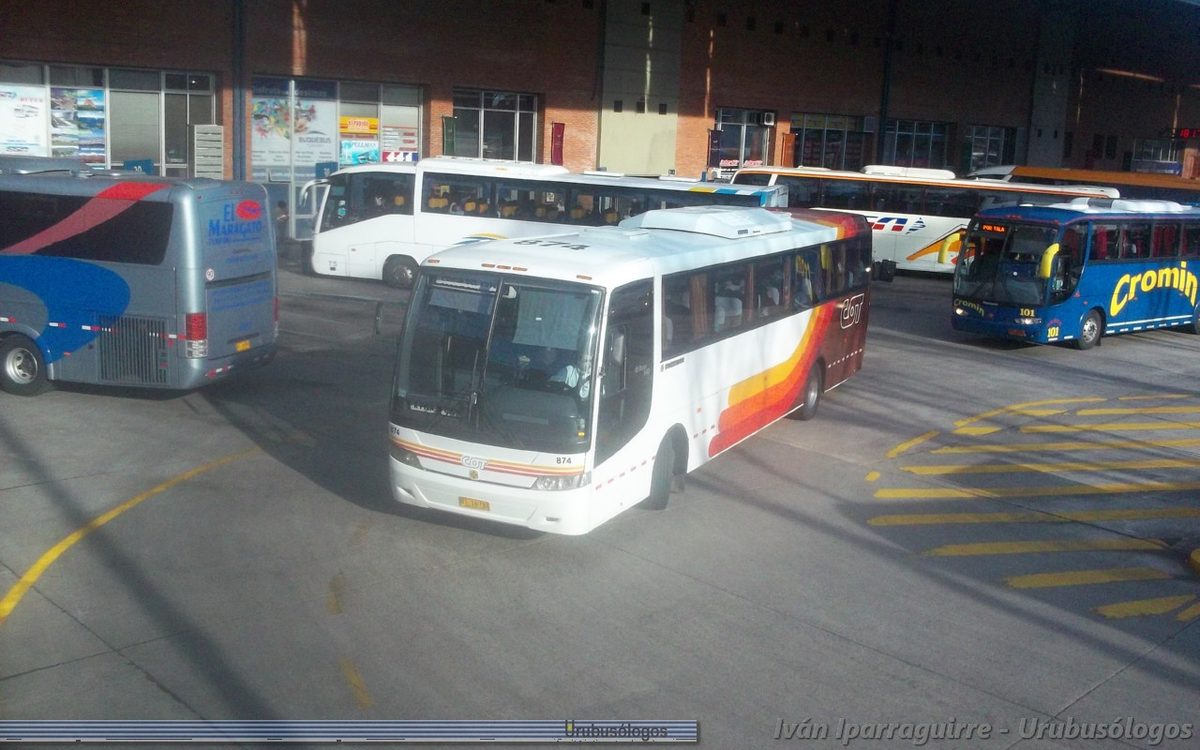
Morales Cowork, near the Tres Cruces bus terminal, is family-run and noticeably cheaper, with warm staff who remember your name. The honest downside is location — Tres Cruces is convenient for buses but not the prettiest patch of the city to spend your lunch break in.
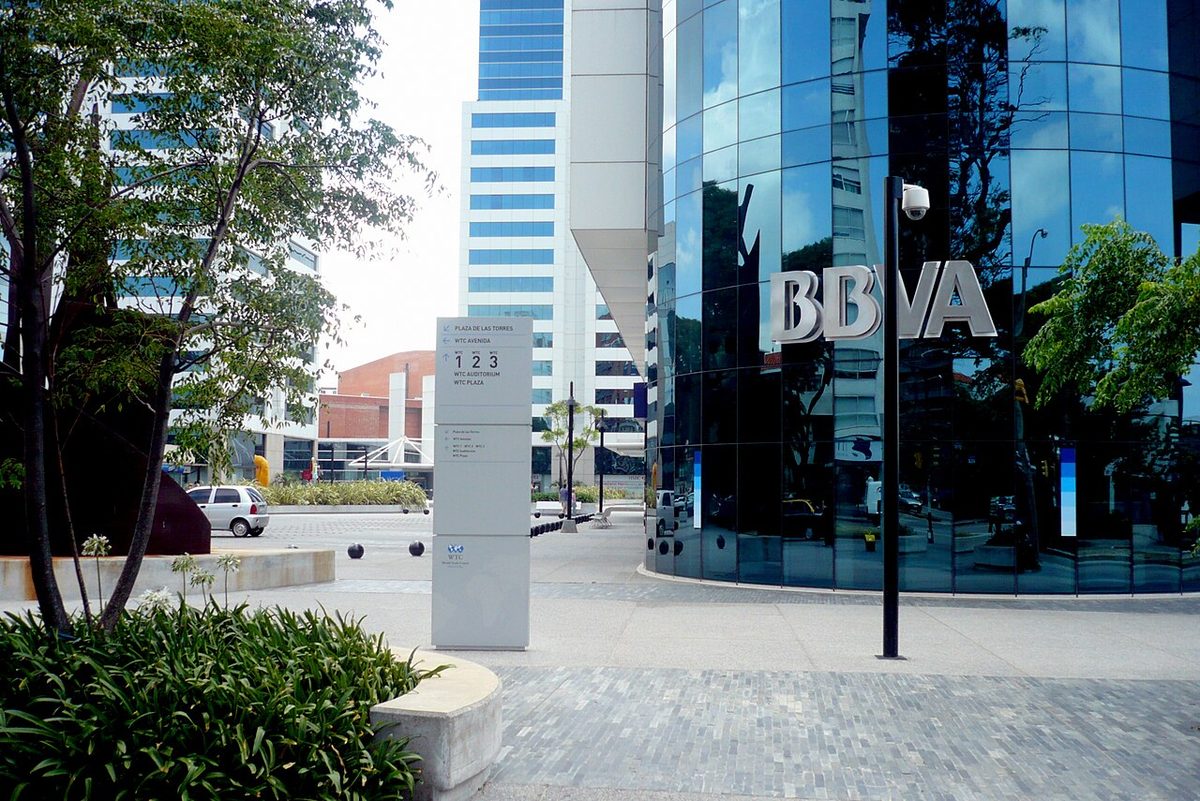
For a plug-and-play international option, Regus and Spaces operate inside the World Trade Center towers in Buceo, surrounded by banks and multinationals. You know exactly what you’re getting. You’re also paying global-chain prices for it.
Coworking in Punta del Este
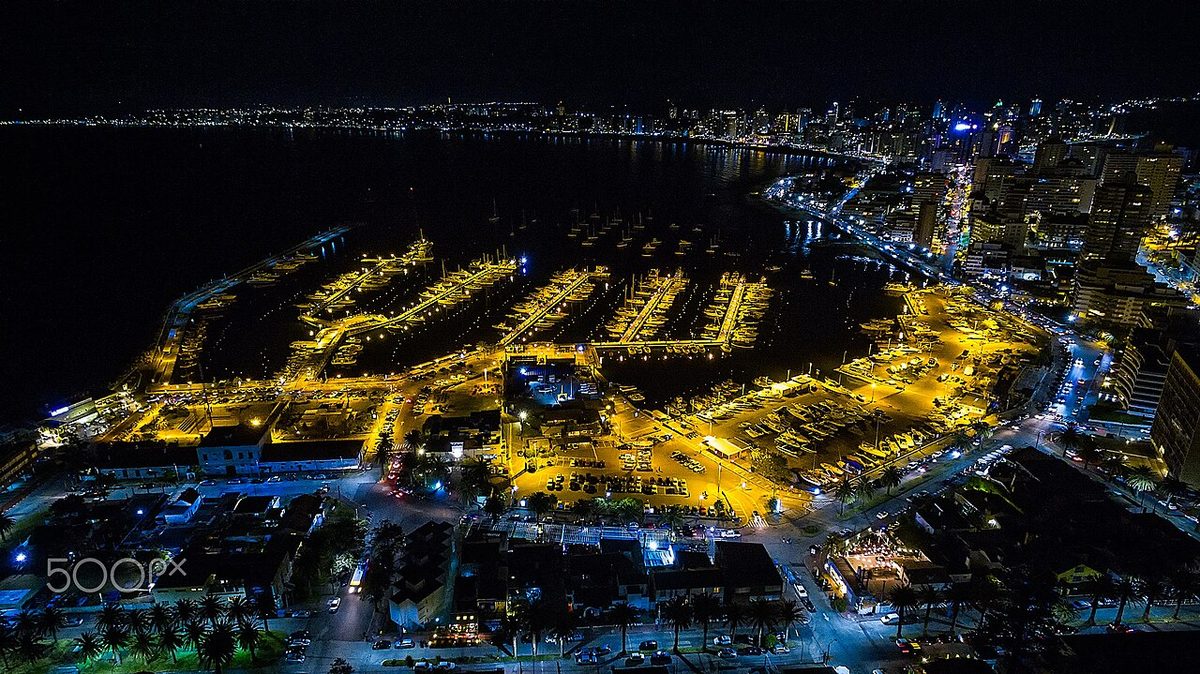
Punta is a different animal. In January and February it’s packed and the workspaces hum; the rest of the year it empties out and some spaces run quiet or seasonal hours. There are coworking options — the resort has drawn enough remote workers and second-home owners to support them — but the scene is smaller and more seasonal than Montevideo’s. If you want guaranteed buzz and choice year-round, the capital wins. If you want to work mornings and surf afternoons in summer, Punta is hard to beat.

Where to live: the best Montevideo neighborhoods for remote work
Montevideo has 62 barrios — neighborhoods — but as a nomad you’ll care about three or four. The deciding factor is usually proximity to the rambla, the 22-kilometre waterfront promenade that locals walk, run, cycle, and sip mate along. (Mate is the bitter herbal tea Uruguayans drink from a gourd through a metal straw, all day, everywhere. You’ll see it before you understand it.)
Pocitos
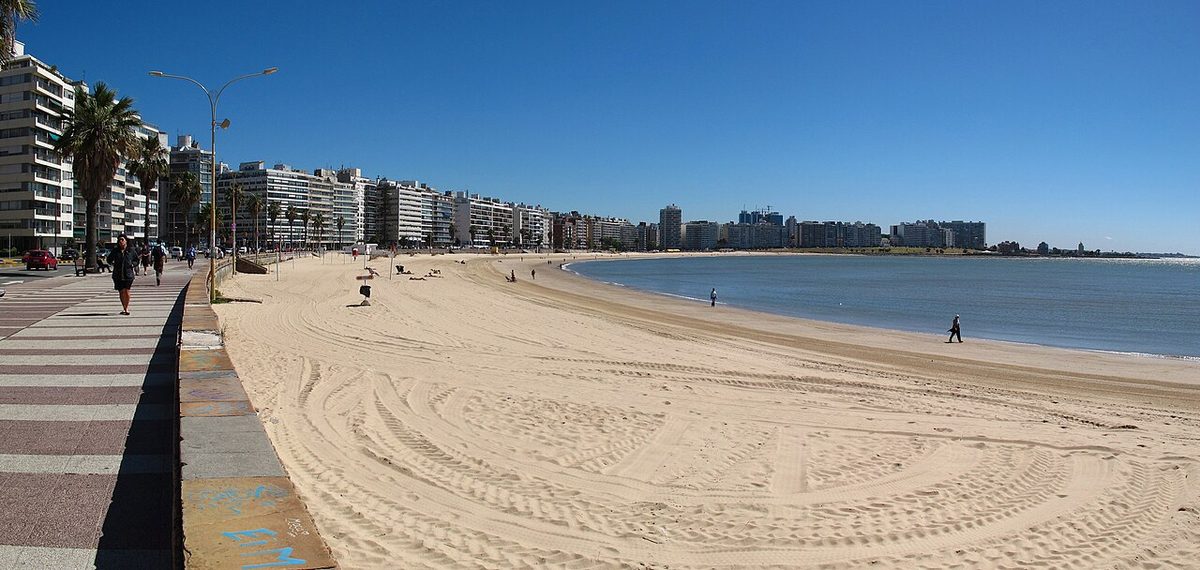
Pocitos is where most first-time nomads land, and for good reason. It’s a former seaside resort turned leafy, well-off residential barrio, with a crescent beach, cafés on every corner, and high-rises overlooking the water. Walkable, safe, easy. The catch is price and character: it’s the most expensive central area to rent in, and its polish can feel a touch generic if you wanted grit and history.
Cordón
Cordón is the university district, younger and cheaper, home to the Universidad de la República and the Sunday Feria de Tristán Narvaja, the city’s sprawling flea market. You get bookshops, bars, and a livelier street life for less money. The downside is that “student district” cuts both ways — it’s noisier, scruffier, and further from the beach than Pocitos.
Ciudad Vieja
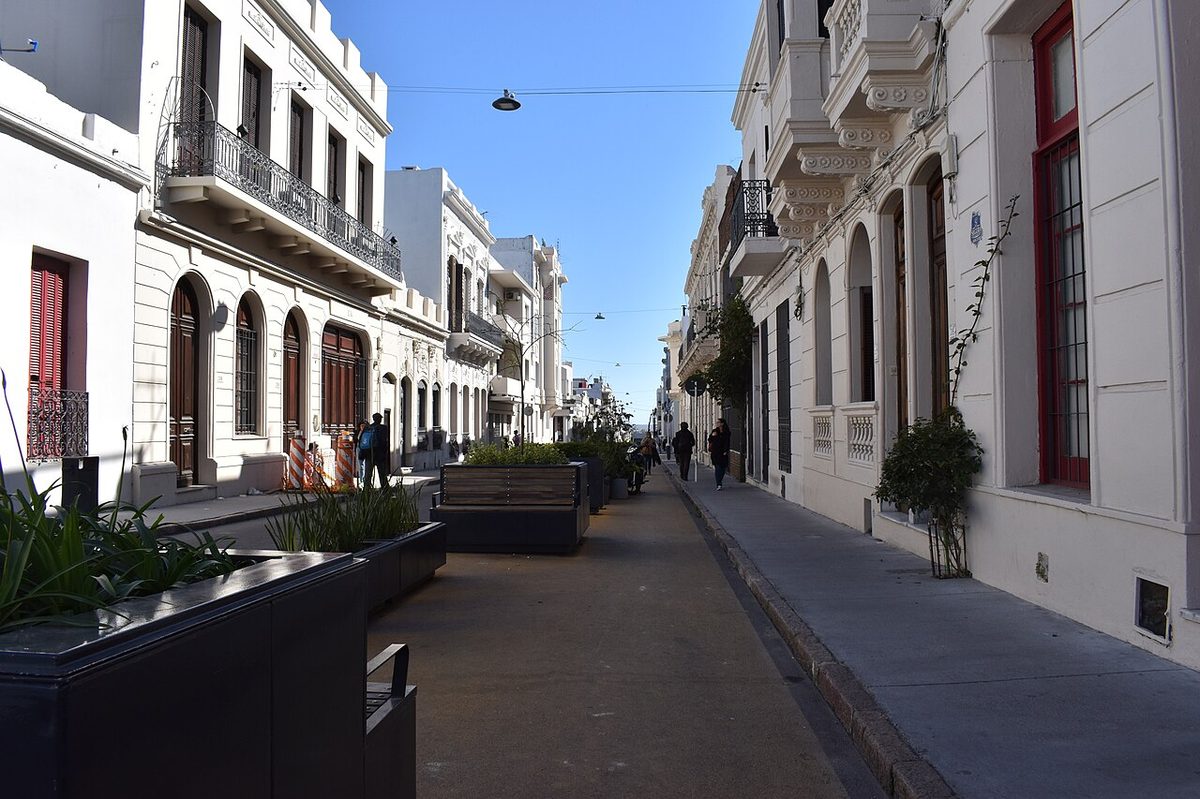
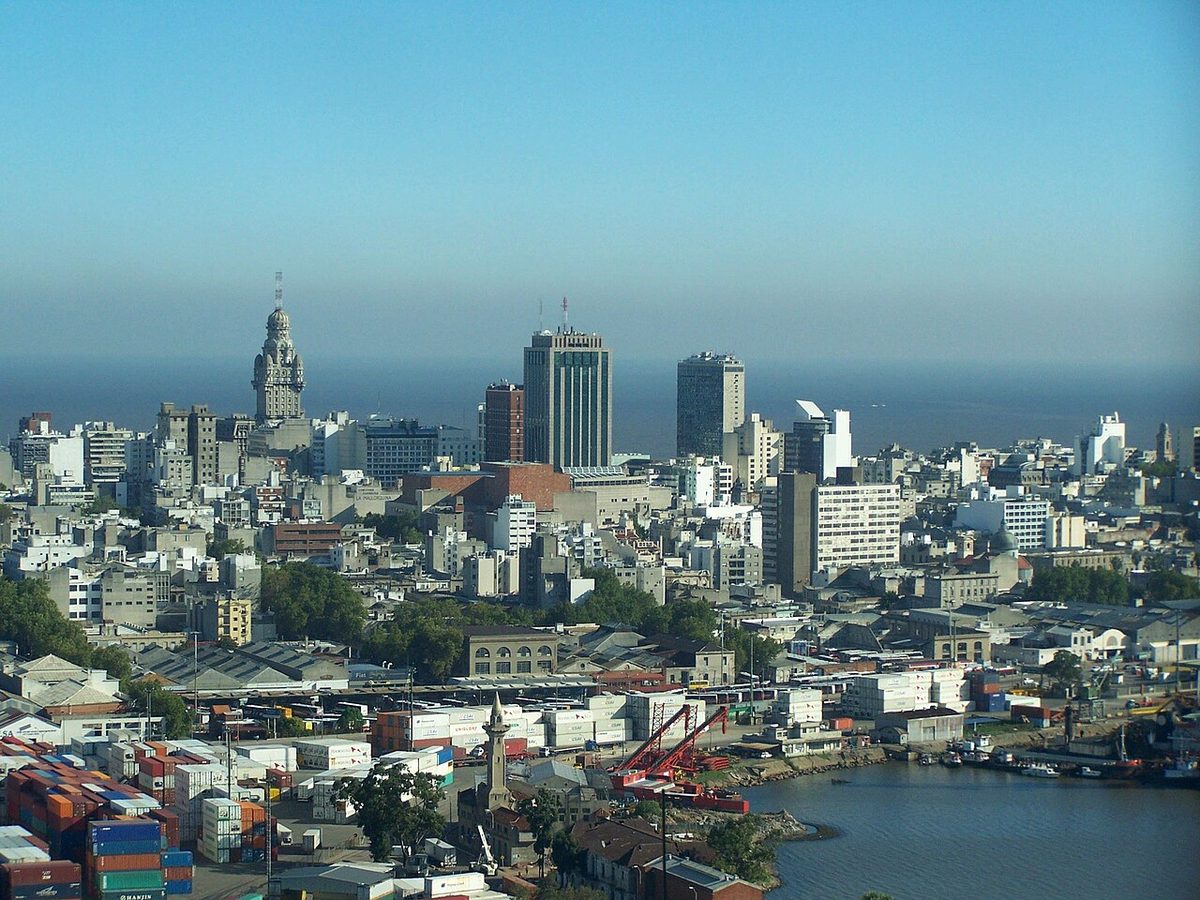
Ciudad Vieja, the Old City, is the historic heart on the peninsula: cobblestones, colonial facades, the port market, and the best concentration of design-y cafés and bars. It’s the most atmospheric place to base, and Espacio Serratosa is right there. The honest warning is that it empties and quietens sharply after dark and on weekends, and a few blocks shade dodgy at night, so it pays to learn the streets. Our Ciudad Vieja guide maps the area in detail.
If you want to weigh these against each other properly — including Punta Carretas and the Centro — our full where to stay in Montevideo neighborhood guide breaks down each barrio for cost, vibe, and walkability. For monthly stays I’d skip hotels entirely and book a furnished apartment through Airbnb or a local agency, ideally after you arrive so you can see it first.
Cost of living for a digital nomad uruguay base
Time for the catch I keep flagging. Uruguay is the most expensive country in South America to live in. Not Western-Europe expensive, but a clear step up from Argentina, Colombia, or anywhere in Southeast Asia. If you came to the continent chasing rock-bottom costs, this is not your country. What you’re paying for is the safety, the stability, and the infrastructure — and once you accept that, the maths is fair.
Here’s a realistic solo monthly budget for Montevideo, in US dollars, living comfortably but not lavishly:
| Monthly expense (solo, Montevideo) | Budget end | Comfortable end |
|---|---|---|
| Furnished 1-bed apartment | $700 | $1,100 |
| Utilities + fast fibre internet | $130 | $190 |
| Coworking membership | $120 | $250 |
| Groceries | $300 | $450 |
| Eating out + cafés | $200 | $400 |
| Transport (bus / occasional Uber) | $40 | $120 |
| Mobile SIM / data | $15 | $30 |
| Monthly total | ~$1,500 | ~$2,500 |
A few notes on those numbers. Rent is the big lever — Pocitos sits at the top, Cordón lower. Beef and wine are excellent and cheap; imported goods and electronics are punishingly taxed, so bring your gadgets with you. Eating out costs more than you’d expect for the continent, and a flat white runs close to European prices.
For a fuller picture of prices across the country — and how the tourist VAT refund can shave costs — see is Uruguay expensive, and the practical money mechanics in our Uruguay currency and money guide. If you’re trying to do this on a true shoestring, our backpacking Uruguay budget guide covers the cheapest end of the spectrum.
Lifestyle, time zone, and the things that actually make a stay work
Uruguay sits at UTC-3, and for a lot of remote workers that single fact seals the deal. You’re in the same window as the US East Coast for most of the year, an hour or two ahead, so a New York team’s afternoon is your late afternoon. You also catch Europe’s morning — a 9am London call lands at 6am here, which is early but workable, and afternoon European calls fit comfortably. For anyone serving North American or European clients, that overlap is gold.
The pace is the other defining trait, and it’s a genuine trade-off rather than a pure plus. Uruguayans value calm over hustle. Things move slowly, lunch is unhurried, and bureaucracy ambles. If you thrive on intensity, the mellowness can read as inertia. I found it restorative; a friend found it maddening within a month. Know which one you are.
That summer slowdown deserves its own warning. From late December through February, Montevideo half-empties as the entire country decamps to the coast. Some businesses shorten hours or shut; the city feels sleepy. Punta del Este, meanwhile, flips into overdrive. If you need a humming city in January, base in Punta; if you want Montevideo at full strength, come outside the peak. Our best time to visit guide maps the seasons month by month.
On safety: Montevideo was ranked the safest city in Latin America, and day-to-day it feels it. I walked home late without much thought. That said, petty theft exists, some neighborhoods are sharper than others after dark, and “safest in the region” is a relative title. Keep your laptop out of sight on the bus and don’t get complacent. Our clear-eyed Uruguay safety guide gives the unvarnished read, including for solo travelers.
And Spanish: you can get by in English in coworking spaces, with younger people, and in tourist-facing Punta. Everywhere else, English is thin. A few weeks of Spanish before you come will transform the daily texture of life here — renting, banking, making friends. It’s the difference between observing Uruguay and living in it.
How to set up: a practical first-month checklist
If you’re sold enough to try it, here’s the order I’d actually do things in.
First, enter as a tourist. Most Western nationalities get 90 days visa-free; double-check yours against the visa requirements guide before you fly. This gives you breathing room to test the place before committing to the permit.
Second, sort connectivity and a short-term flat. Grab an Antel SIM at the airport or a downtown shop, book two or three weeks in an Airbnb, and use that base to apartment-hunt in person. Landlords and agencies take you more seriously face to face, and you avoid signing a year on a flat you’ve only seen in photos.
Third, trial a coworking space before you buy a month. Most offer day passes. Spend a day at Sinergia and a day at one smaller spot, see which rhythm fits, then commit.
Fourth, if you’re staying past three months, start the digital-nomad permit and the cédula process. Begin gathering your criminal-record certificate from home now — apostilles take weeks. Budget US$1,600–2,400 for your first month, higher than your steady-state because deposits and setup costs front-load.
Finally, arrange health cover. The permit expects proper residency health insurance, not travel insurance, for longer stays. Our Uruguay health and insurance guide walks through the options. Sort this before you need it, not after.
Digital nomad Uruguay: your questions answered
Is Uruguay good for digital nomads?
Yes, with one asterisk. Uruguay offers the fastest internet in Latin America, the region’s top safety ranking, an easy remote-worker permit, and a US/Europe-friendly time zone. The asterisk is cost — it’s the most expensive country on the continent. If your budget can absorb roughly US$1,600–2,400 a month, it’s one of the best bases in the Americas.
How much does the Uruguay digital nomad visa cost?
Almost nothing. There’s no standard government visa fee for the digital-nomad residency permit. A small administrative charge of around US$10–15 may apply at a later stage, paid locally in Uruguay. Your real costs are peripheral: criminal-record certificates, any required translations or apostilles, and the health insurance the permit expects for longer stays.
Do digital nomads pay tax in Uruguay?
Generally not on foreign income. Uruguay uses a territorial tax system, so money earned from clients or employers abroad is typically untaxed during a temporary stay. The catch: spend more than 183 days in a calendar year, or move your economic life here, and you may become a tax resident. If you’re staying long, consult a Uruguayan tax adviser rather than relying on a blog.
Is the internet in Uruguay actually fast?
It genuinely is. Thanks to Antel’s nationwide fibre rollout, Uruguay posts the fastest fixed-broadband download speeds in Latin America. Home plans of 300 Mbps to 1 Gbps are normal and cost around US$30 a month. Video calls held rock-steady across every apartment I worked from. Mobile 4G is widespread, with 5G expanding in Montevideo.
Where should a digital nomad live in Montevideo?
Pocitos for first-timers — safe, walkable, beachside, but the priciest. Cordón for a younger, cheaper, livelier base near the university. Ciudad Vieja for history and the best cafés, though it quietens sharply at night. Most nomads start in Pocitos and drift toward whichever barrio matches their budget and temperament once they know the city.
Do I need to speak Spanish to be a digital nomad in Uruguay?
You can survive on English in coworking spaces, with younger people, and in Punta del Este, but daily life runs in Spanish. Renting, banking, and most casual interactions assume it. A few weeks of basics before arrival massively improves the experience. Our guide to language in Uruguay covers how far English really gets you.
Final thoughts
Uruguay won’t suit every remote worker, and I’d rather you know that going in. It’s the priciest base on the continent, the pace can feel slow, and without some Spanish you’ll skim the surface of a place that rewards going deeper. Those are real costs, not footnotes.
But what you get in return is rare: internet that simply works, a city where you stop clutching your bag, a remote-worker permit that’s almost insultingly easy by global standards, and a time zone that treats both New York and London kindly. After bases that traded comfort for cheapness, I found the swap worth making.
Come for a tourist stretch first. Walk the rambla, drink the mate someone offers you, see whether the calm reads as peace or as boredom. If it’s peace, the permit is waiting — and Uruguay, in its understated way, is one of the best places in the Americas to plug in a laptop and stay a while. For the wider context on visiting first, start with our Uruguay travel tips and the complete Montevideo city guide.
Credits & sources
Sources & further reading
- Uruguay XXI — the government investment-promotion agency behind the digital-nomad residency initiative.
- Dirección Nacional de Migración — Uruguay’s National Directorate of Migration, the official source for residency and permit procedures.
- gub.uy: provisional identity (cédula) procedure — the official government portal page for the application.
Photo credits
All images via Wikimedia Commons: Pocitos Beach Skyline Montevideo by Elemaki (CC BY 3.0); World Trade Center Montevideo Business District by Andrés Franchi Ugart… (CC BY-SA 3.0); Punta Del Este Marina Skyline by Marcelo Campi (CC BY-SA 3.0); Cafe Laptop Remote Work Montevideo by www.Pixel.la Free Stock Photos (CC0); Ciudad Vieja Montevideo Cobblestone Street by Jaan-Cornelius K. (CC BY-SA 2.0); Torre Antel Telecommunications Tower Montevideo by Sally (CC BY 2.0).