How to Get to Cabo Polonio (4×4 Trucks, Dunes & All) (2026)
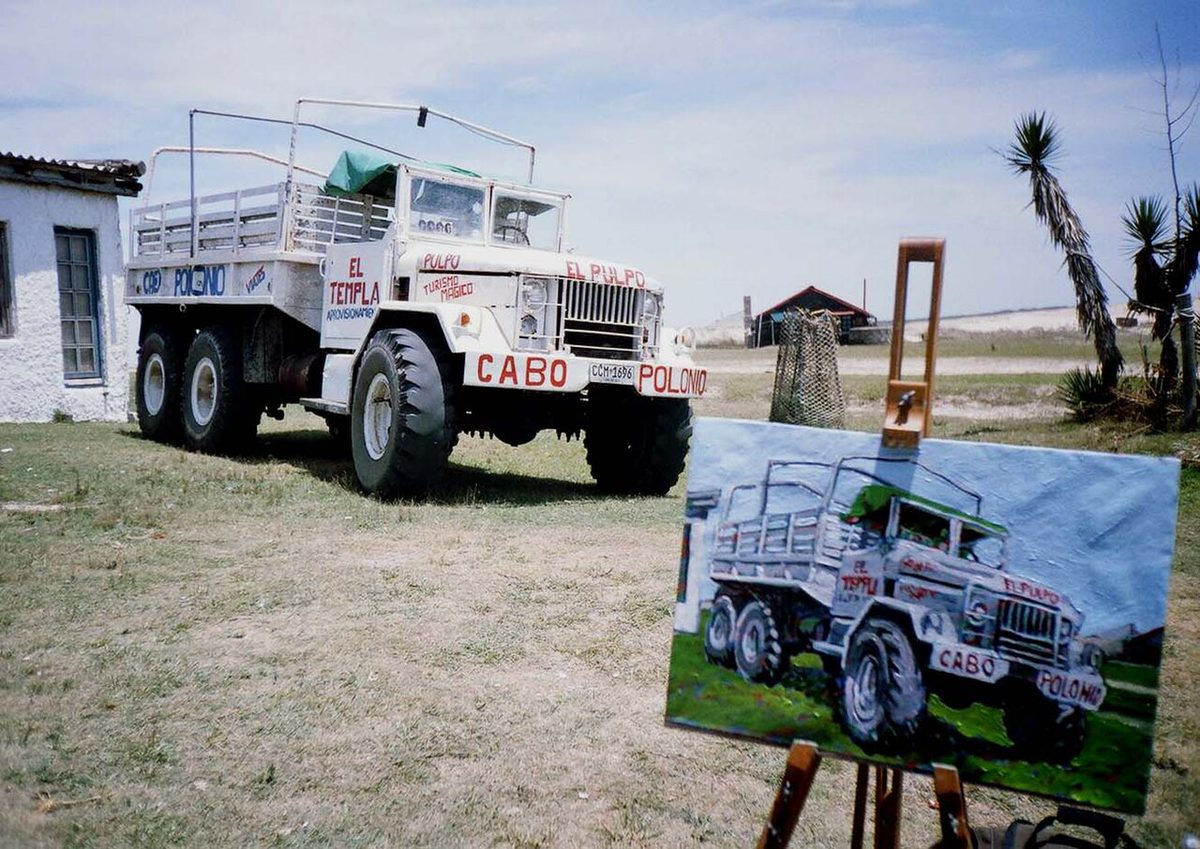
The man at the gate took my pesos, tore a ticket, and pointed at a truck that looked like it had been welded together from a flatbed, a school bus, and a tractor. If you have ever wondered how to get to Cabo Polonio, that truck is most of the answer. I left my car in a sandy lot on Ruta 10, climbed a little metal ladder into the open back, and sat on a bench between a German backpacker and a Uruguayan family with a cooler. Then the engine coughed, we lurched off the asphalt straight onto the sand, and for the next half hour the only road was the beach itself.
That is the whole trick to this place. There is no driving in.
So, how to get to Cabo Polonio: you cannot drive your own car in. Leave it at the visitor centre on Ruta 10 (around km 264.5), buy a round-trip ticket, and ride one of the official 4×4 trucks roughly 7 km across dunes and beach to the village, about a 30-minute crossing. From Montevideo, take a long-distance bus to the turnoff first, then the truck. You can also walk in.
This guide is about that journey and nothing else. I am not going to tell you what to do once you are standing in the village with sand in your shoes; that is a separate write-up, and I link it below. What you get here is the logistics, in real detail and with the honest annoyances: the trucks, the bus from the capital, driving directions from the main beach towns, the long dune walk from Barra de Valizas, where to park, what it costs, and how to make sure you actually get back out before dark.
If you want the bigger regional picture first, start with my guide to the Rocha department, the wild eastern coast this cape belongs to. And once you have arrived, the companion Cabo Polonio village guide covers where to sleep, eat, and watch the sea lions.
How to get to Cabo Polonio at a glance
Here is the quick comparison. Every route ends the same way, at the Puerta del Polonio terminal on Ruta 10, where you either board a truck or start walking. Prices are in Uruguayan pesos (UYU) unless noted and were current last I checked in early 2026; treat them as a guide, not a guarantee.
| From | How | Approx time | Approx cost (one person) |
|---|---|---|---|
| Anywhere on Ruta 10 | 4×4 truck from Puerta del Polonio (the only vehicle in) | ~30 min each way | ~$470 UYU round trip |
| Montevideo | Bus (Rutas del Sol / COT from Tres Cruces) to the turnoff, then truck | ~4–4.5 h bus + truck | ~US$20–30 bus + ~$470 UYU truck |
| Punta del Este | Drive ~153 km via Ruta 9/10, park, then truck | ~2.5 h drive + truck | fuel + ~$350 UYU parking + ~$470 UYU truck |
| La Paloma | Drive ~50 km via Ruta 10/15, park, then truck | ~1 h drive + truck | fuel + parking + truck |
| Chuy (Brazil border) | Drive ~100 km via Ruta 9/16/10, park, then truck | ~1.5 h drive + truck | fuel + parking + truck |
| Barra de Valizas | Walk the dunes and beach (cross the arroyo) | ~2–3 h on foot | free, but bring water |
Now the detail, route by route.
The 4×4 trucks: the only legal way in
Let me be clear about this, because people arrive confused every summer: there is no road into Cabo Polonio. The village sits inside a protected national park, and private cars are banned beyond the entrance. The sanctioned way in is the fleet of big all-terrain trucks the locals call camiones (literally “lorries”), which grind across about 7 km of shifting sand and hard beach to drop you at the edge of the village.
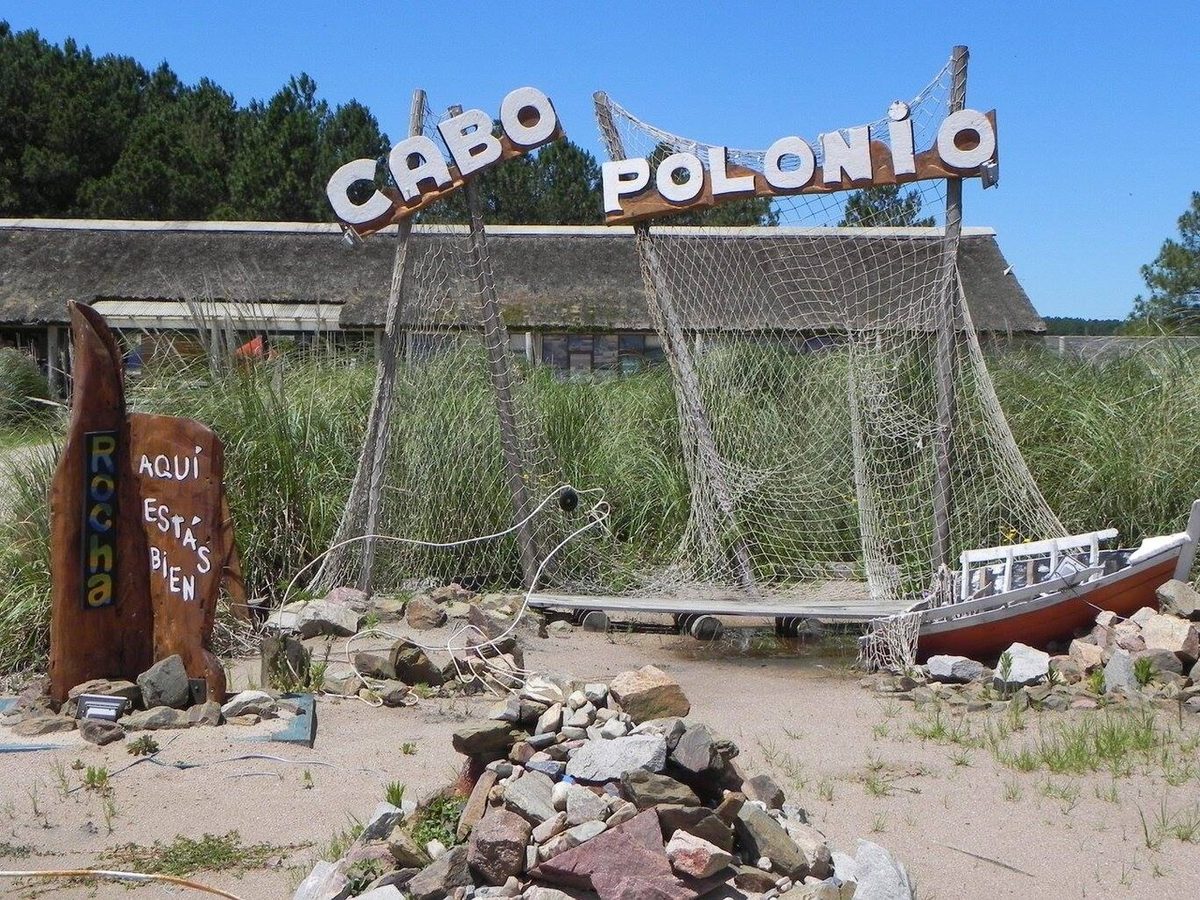
You catch them at Puerta del Polonio, the purpose-built terminal and visitor centre on Ruta 10 at roughly km 264.5. You will see the turnoff signed; there is a parking area, ticket windows, toilets, and a small cafe. You park, you queue, you buy a ticket, you wait for the next truck, you climb aboard.
What the ride is like
The trucks are open-sided or canvas-topped flatbeds fitted with bench seats, riding on enormous tyres. You sit shoulder to shoulder with whoever else is going. The driver pulls off the tarmac and onto a sand track through low scrub, then out onto the open beach, and you rattle along the waterline with the Atlantic on one side and the dunes on the other. It is bumpy, breezy, and genuinely one of the better half-hours of arriving anywhere I know. Kids love it. Hold your hat.
Expect the crossing to take around 30 minutes, sometimes a little less when the sand is firm. There is no schedule to memorise mid-ride; the driver knows the way across terrain that has no signs and no lane markings.
Tickets, price, and how you pay
Buy a round trip. Last I checked, in early 2026, the fare was around $470 Uruguayan pesos per person for the return journey, with children up to and including five years old riding free. A surfboard costs roughly $100 extra each way’s worth on a round-trip basis. The operator (you will see the names “El Francés” and “Acá Polonio” on the paperwork) takes cash in pesos, US dollars, euros, or Brazilian reais, and these days usually a debit card too, but I would never count on the card reader working out there.
Keep your return half of the ticket safe. You hand it back when you ride out.
Frequency and the seasonal schedule
Trucks run every day of the year, holidays included, barring genuine emergencies. The catch is that frequency swings hard with the season. In the busy months, December through March, departures roll roughly every hour through the middle of the day; the official entry times I last saw ran from early morning to a late 20:00 service that waits for the evening bus from Montevideo, with a corresponding spread of departures back out. In the quiet months, autumn and winter, the timetable thins out considerably and there may be only a handful of crossings a day, clustered around late morning and afternoon.
Because the two official sources I cross-checked (the Rocha tourism board and the Portal del Cabo operator listing) did not show identical times, do not plan your day around a printed timetable. Check the current schedule on the day, ideally by phoning the terminal (the listed number is +598 95 643 217) or asking at your accommodation, and always confirm the time of the last truck out.
The honest drawback: in January, the queue. At peak summer the trucks fill, and on a hot Saturday afternoon you can wait through two or three departures before you get a seat. Go early, go on a weekday if you can, and do not turn up at the entrance at 5pm in January expecting a quick hop across.
Getting to Cabo Polonio from Montevideo
From the capital you have two honest options: the long-distance bus, or your own (or a rented) car. There is no train, and no direct shuttle that drops you in the village itself, because, again, nothing drives into the village.
By bus from Tres Cruces
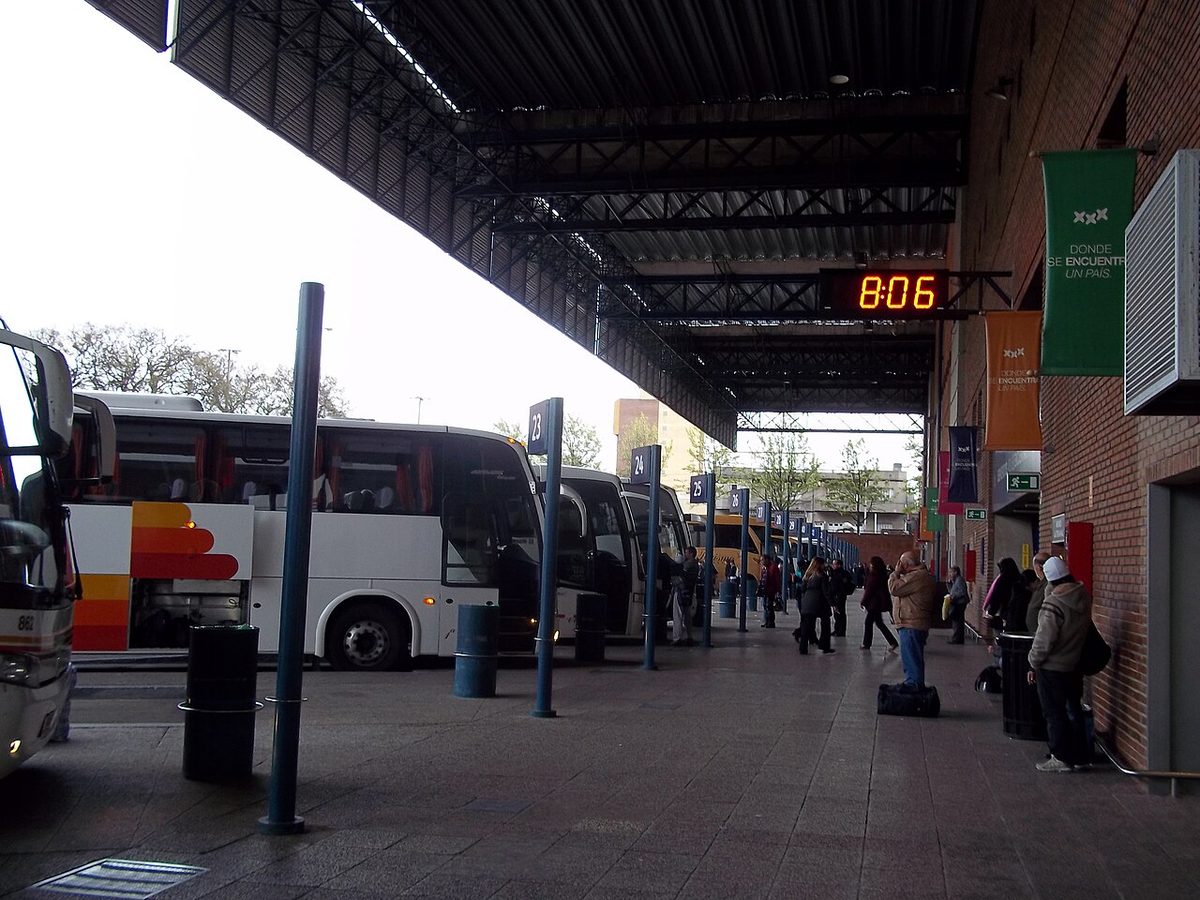
Intercity buses leave from the Tres Cruces terminal in Montevideo, the country’s main bus hub. The companies that run this stretch of the Atlantic coast are Rutas del Sol and COT; you buy a ticket (a boleto) at their counters or online. Ask specifically for Cabo Polonio. The bus does not, of course, drive into the cape; it sets you down at the Puerta del Polonio entrance on Ruta 10, where you transfer to a truck.
The ride takes roughly four to four and a half hours and, last I checked, cost somewhere around US$20–30 equivalent depending on company and season. In summer there are several departures a day; out of season the choice narrows, often to a morning and an afternoon service, so check times before you commit. If you are building a longer car-free trip, my guide to getting around Uruguay by bus and the wider piece on doing Uruguay without a car both cover how this terminal works.
Here is the honest drawback: the hand-off. You step off an air-conditioned coach at a roadside terminal and then wait for the next truck, and your bus arrival and the truck departure are not synchronised for your convenience. In high season that can mean a queue on top of a wait. Bring water and patience, and aim for an earlier bus so a delay does not strand you near the last crossing.
By car from Montevideo
Driving yourself is about 260 km and takes a shade over three hours with no stops. You head east out of Montevideo on Ruta Interbalnearia, join Ruta 9, and stay on it past Rocha city, then follow signs onto Ruta 10 toward the coast and the Puerta del Polonio entrance at km 264.5. It is straightforward, well-surfaced highway most of the way. You park at the entrance and take the truck like everyone else; your car goes no further. For the full route-planning version, see my Uruguay road trip guide, and if you still need wheels, renting a car in Uruguay walks through the paperwork.
Driving from Punta del Este, La Paloma, and Chuy
If you are already out on the coast, the cape is an easy add-on. Every approach funnels onto Ruta 10 and ends at the same entrance, where you park and switch to a truck.
From Punta del Este
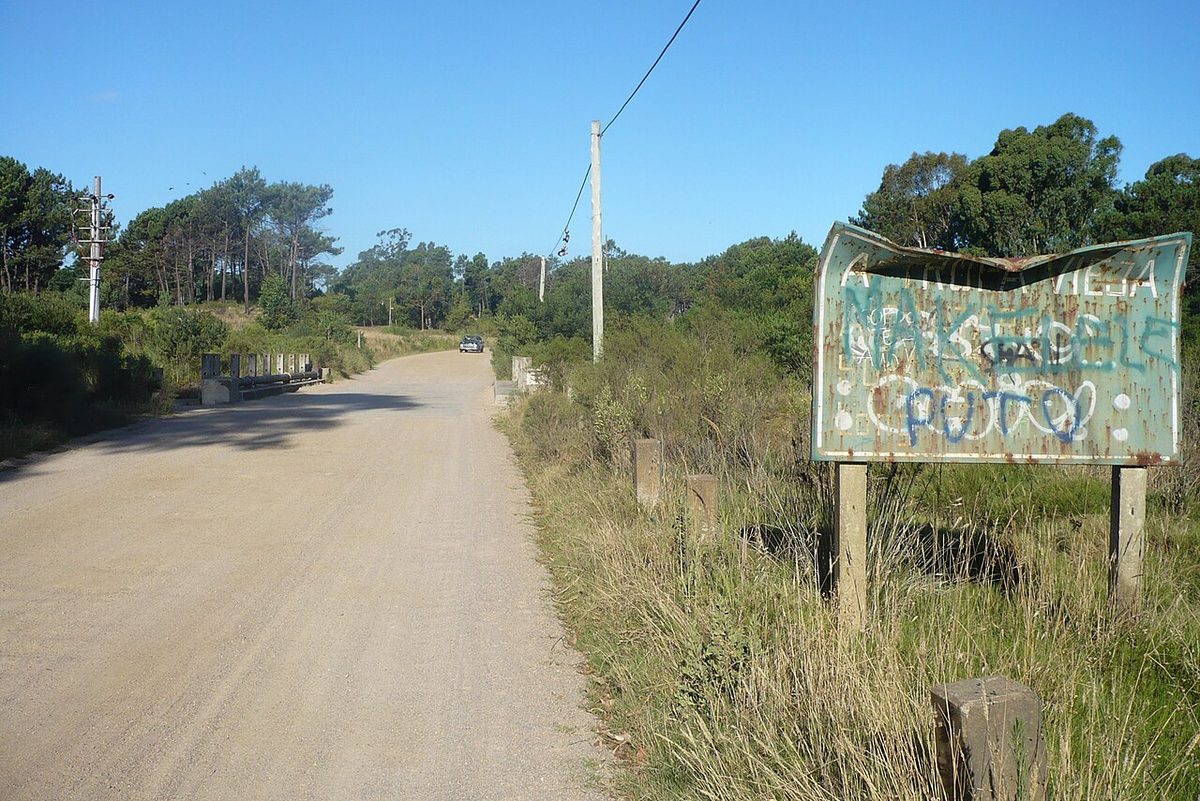
Reckon on about 153 km and roughly two and a half hours. The cleanest line is Ruta 9 east toward Rocha, then cut down to the coast on Ruta 15 through La Pedrera and pick up Ruta 10 north to the entrance. Some of Ruta 10 along here is ripio (unsealed gravel road), graded but loose in patches, so take it gently in a low car. If you are basing yourself in the glossy east, my Uruguay itinerary shows how Cabo Polonio fits between Punta and the wilder beaches further out.
From La Paloma
This is the short one, around 50 km and under an hour. La Paloma sits just down the coast, so you run up Ruta 10 (with a stretch on Ruta 15/16 depending on the exact line) to the Puerta del Polonio. It makes Cabo Polonio a genuine day trip from La Paloma or La Pedrera, as long as you respect the last truck out.
From Chuy
Coming from the Brazilian border, it is roughly 100 km and about an hour and a half. You take Ruta 9 south-west, drop toward the coast on Ruta 16 past Aguas Dulces, and turn onto Ruta 10 to the entrance. This is the route you will use if you are working your way down from Santa Teresa and the far-eastern parks.
The honest drawback for all the driving options: you still cannot use the car for the last leg, and you pay to park it (around $350 pesos for 24 hours for a car, last I checked). So a “road trip to Cabo Polonio” really means a road trip to a car park near Cabo Polonio. Factor the parking fee and the truck fare on top of your fuel.
Walking in: the Ruta 10 path and the Valizas dunes
You do not have to take the truck. Two walking options exist, and they are completely different propositions.
On foot from the Ruta 10 entrance
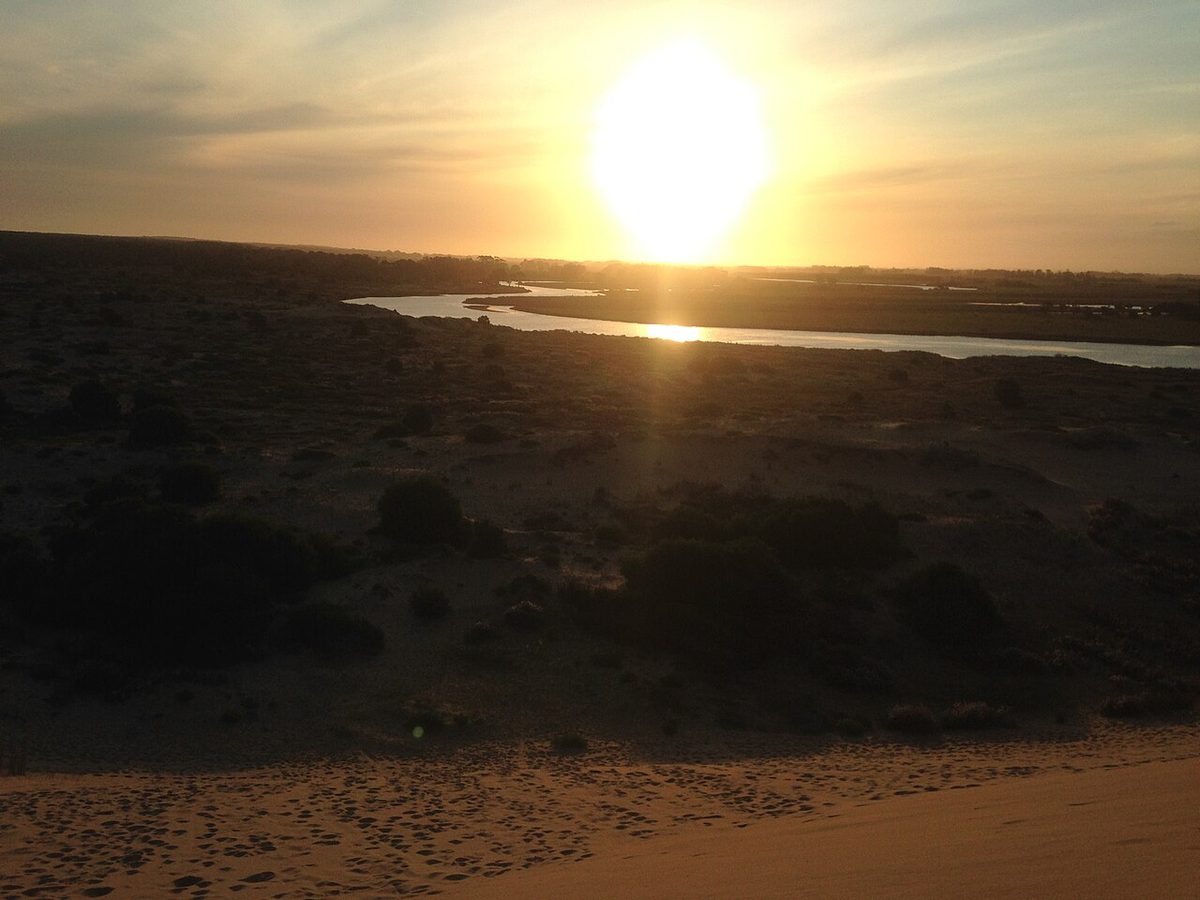
The simple version: from the same Puerta del Polonio entrance, you can just walk the 7 km in along the truck route instead of paying for a seat. It takes most people around an hour and a half to two hours across sand, and it is free. People do it to save money or simply because they would rather arrive on their own feet. Wear sun protection, carry water, and know that the trucks will pass you both ways if you change your mind.
The dune walk from Barra de Valizas
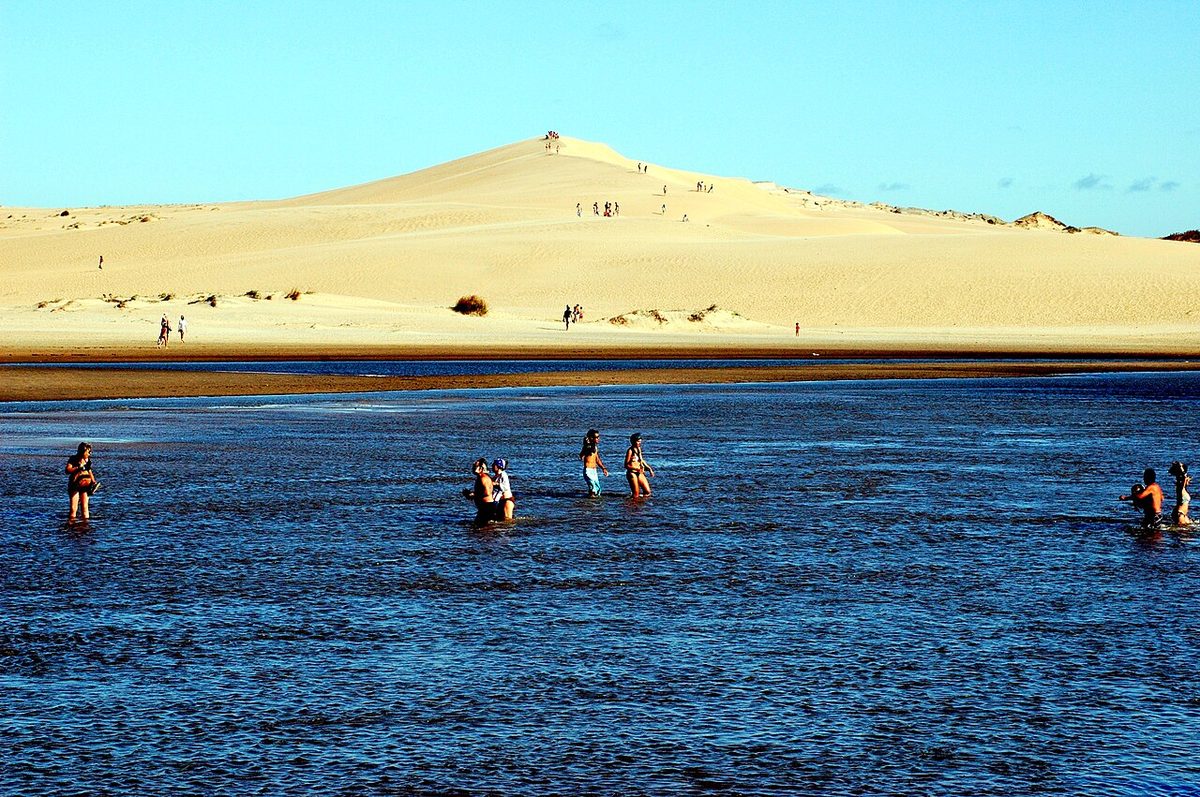
This is the famous one, and it is a proper little adventure. Barra de Valizas (usually just “Valizas”) is a scruffy, lovely balneario (a small seaside resort village) a few kilometres up the coast. From its southern end you walk along the beach and over the enormous wandering dunes, some of the biggest in Uruguay, until the Cabo Polonio lighthouse finally rises ahead of you. It runs roughly 8 km and takes most walkers two to three hours.
The complication is the Arroyo Valizas, the stream you must cross near the start. Depending on the tide and recent rain you either wade it, thigh-deep at times, or pay a local boatman a few pesos to row you across the mouth. This is entirely tide-dependent, and getting it wrong is how people end up stuck or soaked. Set out on a falling or low tide, ask locally that morning about the crossing, and seriously consider hiring a guide; several operators in Valizas run the walk and know the sand and the water.
Here is the honest drawback: it is hot and exposed. There is no shade on the dunes, no water source, and no shelter if the weather turns. In January sun the open sand is brutal by midday, and the tide can close the crossing without warning. This is a wonderful walk done right and a miserable, even risky one done carelessly. Take far more water than you think you need, start early, and do not attempt it in the heat of the afternoon or on a rising tide.
Getting back out: the last trucks
The single mistake I see day-trippers make is not the way in. It is the way out.
Those trucks stop running in the early evening, and the timing shifts with the season, earlier in winter, later in the December-to-March high season when an evening service may wait for the night bus. If you miss the last truck, your options are an unplanned overnight in a village with no ATM, or a long walk out across dark sand. Neither is fun.
So pin down the last departure the moment you arrive. Ask the truck driver who drops you, ask at the terminal hut, ask your guesthouse. Build in a buffer. If you are catching a connecting bus back toward Montevideo or Punta del Este, give yourself a truck earlier than the absolute last one, because in summer that final crossing can be full.
Planning the trip: cash, timing, and what to bring
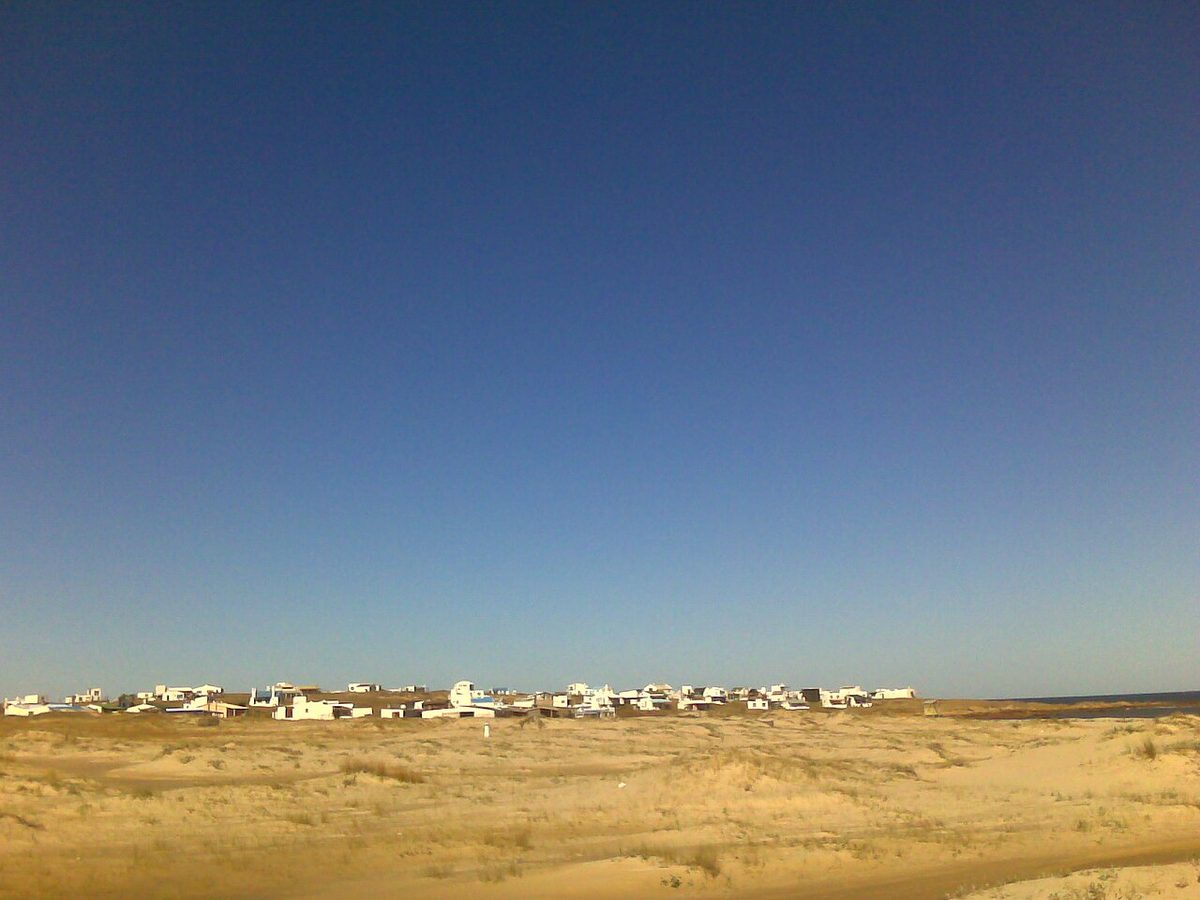
A few practical things will make or break the day, and most of them come down to one word: cash.
Bring cash, in pesos. There is no ATM in the village of Cabo Polonio. None. There is a cash machine back at the visitor centre on Ruta 10, but it can be empty or out of order in peak season, so the safe move is to withdraw what you need in a bigger town like Rocha, La Paloma, or Punta del Este before you ever reach the entrance. You need cash for the truck, the parking, your bed, your dinner, and your morning coffee. Most places in the village do not take cards, and the ones that say they do may not when the signal drops.
Carry water and sun protection. Whether you ride or walk, you are crossing open dunes under a strong sun with no shade. The village runs largely off-grid, so do not assume easy refills. A hat, sunscreen, and a full bottle are not optional in summer.
Pack light and soft. You will carry your bag over sand at some point even if you take the truck, because the trucks drop you at the village edge, not your door. A backpack or soft duffel beats a hard wheelie case every time. If you want a full kit list for the country, my Uruguay packing list covers it.
Mind the season. The cape is a different animal in January (hot, busy, every truck full) versus midwinter (quiet, thin schedules, some places closed). For the wider trade-offs, see the best time to visit Uruguay and the deep dive on Uruguay in summer.
Accessibility and mobility
I will be straight with you: this is a hard destination for anyone with limited mobility. The truck itself involves climbing a steep little ladder into the flatbed, and once you are in the village there are no paved streets at all, only deep sand and dunes, and no street lighting after dark. Wheelchairs and walkers do not work on this terrain, and the 4×4 ride is jolting. If you or someone in your group has significant mobility needs, weigh this carefully before committing, and talk to the operator in advance about boarding the truck.
How to get to Cabo Polonio: your questions answered
Can you drive to Cabo Polonio?
No. Private cars are banned beyond the park entrance on Ruta 10. You drive only as far as the Puerta del Polonio terminal at around km 264.5, leave your car in the paid lot there, and complete the last 7 km by official 4×4 truck or on foot. The village itself has no cars and no paved roads at all.
How much does the 4×4 truck to Cabo Polonio cost?
Last I checked in early 2026, the round-trip fare was around $470 Uruguayan pesos per person, with children up to five years old riding free and surfboards carried for roughly $100 extra. Bring cash in pesos; a debit card sometimes works at the terminal, but do not rely on it. Prices change with the season, so confirm on the day.
How long does it take to get from Montevideo to Cabo Polonio?
Plan on most of a half-day door to door. The bus from Tres Cruces to the Ruta 10 entrance takes roughly four to four and a half hours, and driving yourself is a little over three hours for about 260 km. Then add the wait for a truck and the 30-minute crossing. Leave early so a delay does not push you past the last truck.
Can you walk to Cabo Polonio from Valizas?
Yes, and it is a memorable walk of roughly 8 km and two to three hours over giant dunes and beach. The catch is the Arroyo Valizas, which you must wade or cross by boat depending on the tide. Go on a low or falling tide, check conditions locally that morning, carry plenty of water, and strongly consider a guide. It is hot and fully exposed.
Is there an ATM in Cabo Polonio?
No ATM exists in the village. There is a machine back at the Ruta 10 visitor centre, but it runs dry in high season, so withdraw the cash you need in a larger town beforehand. You will need it for the truck, parking, accommodation, and meals, since most village businesses are cash-only.
When does the last truck leave Cabo Polonio?
It varies by season, earlier in winter and later in the December-to-March peak, when an evening service may wait for the night bus. Always confirm the last departure as soon as you arrive, by asking your driver, the terminal staff, or your accommodation. Missing it means an unplanned night out or a long walk across dark sand.
Final thoughts
Cabo Polonio is one of the few places left where the difficulty of getting there is part of the point. You give up your car, you climb into a rattling truck, and you arrive somewhere that genuinely feels cut off from the grid. None of the logistics here are hard once you know them: park on Ruta 10, buy a round trip, ride the truck, carry cash, and watch the clock on the way out. And if the coast has you hooked, Punta del Diablo, the boho fishing village further north-east, makes an easy next stop.
Get those few things right and the journey becomes the best part of the visit. When you are ready for what waits at the other end, the lighthouse, the sea lions, the candlelit village, my Cabo Polonio village guide picks up exactly where this one leaves off, and the best beaches in Uruguay roundup puts it in context with the rest of the coast.
Credits & sources
Sources & further reading
- Turismo Rocha: official costs and schedules for entry to Cabo Polonio
- Portal del Cabo: 4×4 transport fares, parking, and timetable
- Wikivoyage: Cabo Polonio travel guide
Photo credits
All images via Wikimedia Commons: Cabo Polonio 4X4 Truck Dunes by alvaro errandonea (CC BY 3.0); Puerta Del Polonio Ruta 10 Entrance by Jeannette Mabel (CC BY-SA 4.0); Tres Cruces Bus Terminal Montevideo by Andrea Mazza (CC BY-SA 3.0); Ruta 10 Coastal Road Rocha Uruguay by Andrés Franchi Ugart… (CC BY-SA 3.0); Valizas Cabo Polonio Dunes Walk by Luciajimena1990 (CC0); Cabo Polonio Village Arrival Sand by Gonzalo Acuña (CC BY-SA 3.0).