The Best Hostels in Uruguay (2026)
My first hostel in Uruguay had a rooftop, a pool table, and a Sunday-night asado (a slow-grilled barbecue, the closest thing this country has to a religion). My second, up the coast, had sand on the floor and a dog asleep on the only sofa. Both cost about the same. Both were, in their way, exactly right.
That gap tells you most of what you need to know about backpacking here, so this is the candid version.
The best hostels in Uruguay run from rooftop-and-asado social spots in Montevideo’s Ciudad Vieja to barefoot beach shacks in Punta del Diablo and off-grid cabins in Cabo Polonio. For a first trip, aim for Viajero in Montevideo, El Diablo Tranquilo in Punta del Diablo, and a Compay or Lobo on the Rocha coast. Budget roughly USD 13 to 28 a dorm bed.
Here’s the harder truth those glossy listings skip. This is not a three-dollar-dorm continent: Uruguay costs more than its neighbours, the coastal towns swing from packed to deserted by the month, and many places open for ten weeks of summer and then padlock the gate. Pick well and you get something special. Pick badly and you’re alone in a ghost town in July, paying summer money for a cold room.
This guide covers genuine hostels and budget-social stays only: dorms and cheap privates, shared kitchens, communal asados, the backpacker scene. If you want a boutique hotel, a Jose Ignacio beach house, or a glamping dome, my colleagues cover those elsewhere. Here we stay firmly in the hostel lane, and we go town by town, because the right call in Montevideo is a completely different animal from the right call in Cabo Polonio.
Best hostels in Uruguay at a glance
A quick orientation before the detail. Prices are dorm-bed bands for a guideline night, hedged because they swing hard between low season and the January peak, and because hostels change hands. Treat them as “what I last paid, roughly,” not a quote.
| Hostel | Town / area | Vibe | Dorm band (approx.) | Best for |
|---|---|---|---|---|
| Viajero Montevideo | Ciudad Vieja, Montevideo | Social, rooftop, party-leaning | ~USD 15–22 | First night in the capital, meeting people |
| Montevideo Chic / boutique-hostels | Cordón / Centro, Montevideo | Quieter, design-led | ~USD 13–20 | Solo travellers who want sleep |
| Pocitos rambla hostels | Pocitos, Montevideo | Residential, beachy, calm | ~USD 13–20 | Longer stays, couples |
| El Diablo Tranquilo | Punta del Diablo | Backpacker institution, year-round | ~USD 14–24 | The classic Rocha experience |
| Compay Hostel | Punta del Diablo / La Pedrera | Surf-party, indoor-outdoor | ~USD 14–22 | Younger crowd, dorm-only nights out |
| Lobo / Viejo Lobo | Cabo Polonio | Off-grid, rustic, candlelit | ~USD 13–24 | Disconnecting completely |
| Tas D’Viaje | Punta del Este | Beach-vibe, well-run | ~USD 16–28 | Punta on a budget in summer |
| El Viajero Colonia | Colonia del Sacramento | Old-house, mellow | ~USD 14–22 | A night between Buenos Aires and Montevideo |
None of those is a bad bed. Which one is right depends on the month, your tolerance for noise, and whether you want a 2am singalong or a full night’s sleep. Let’s go through it properly.
Montevideo hostels, barrio by barrio
Most trips start or end in the capital, and Montevideo is the one place where you genuinely choose your experience by neighbourhood. The three you’ll weigh up are Ciudad Vieja, Cordón / Centro, and Pocitos. They feel like three different cities.
Ciudad Vieja: the social heart (and the noise)
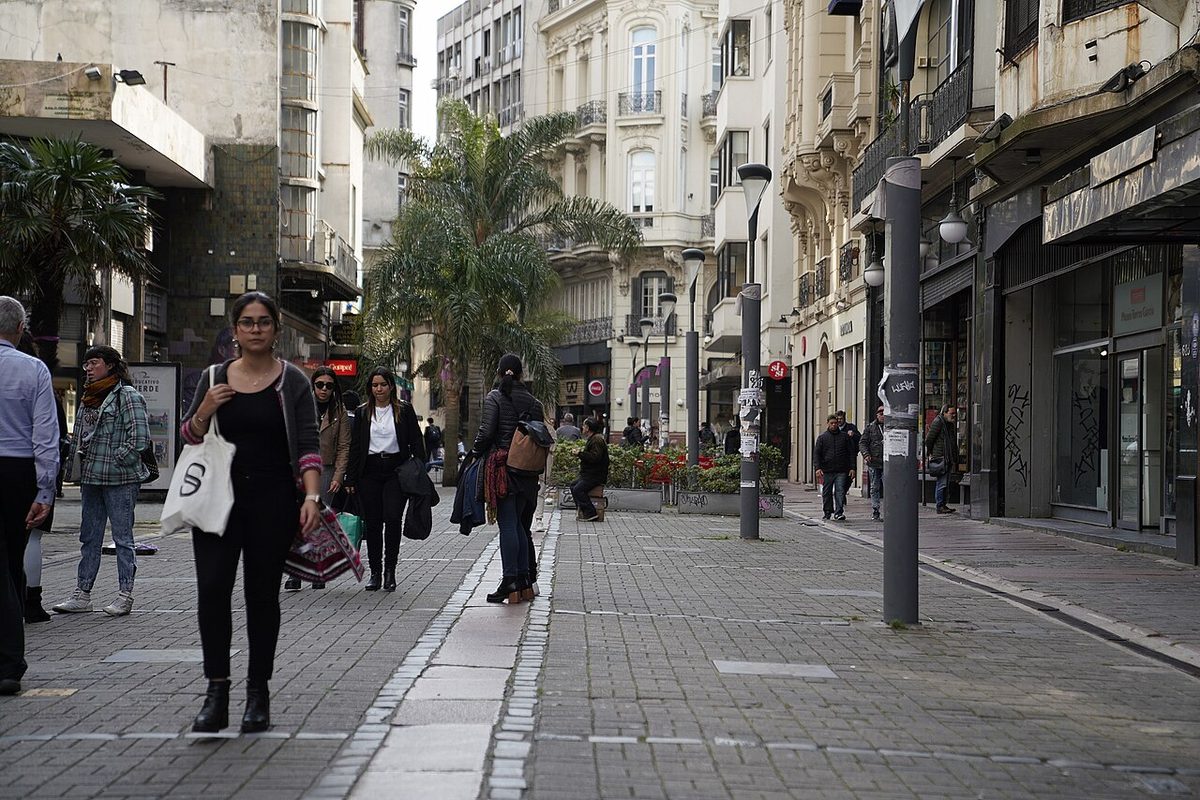
Ciudad Vieja is the old town, the photogenic grid of crumbling-grand facades, the port market, and the city’s best nightlife. If you came to meet people, stay here. Viajero Montevideo is the obvious anchor: a converted old building with a rooftop where the staff fire up a Sunday asado when half the city’s restaurants are shut, plus a pool table and cocktails downstairs to get a night moving. It runs adults-only and leans social, so expect company rather than solitude.
Around it sit a cluster of smaller places, Ciudad Vieja Hostel and a few others, a short walk from Plaza Matriz and the Solís theatre. The honest drawback is the obvious one: weekend nights down here are loud, the streets are alive until very late, and some pockets of the barrio feel dead and a little sketchy once the bars close and the office crowd has gone home. Use normal city sense after dark, keep valuables out of sight, and you’ll be fine. Light sleepers should pack earplugs or look at Cordón instead.
Cordón and Centro: where I’d send a solo traveller who wants to sleep
Cordón is the student-and-residential belt just inland from Centro, close to the Tristán Narvaja Sunday market and an easy walk or short bus to everything. The hostels here, the design-led, boutique-ish ones in particular, tend to be calmer, cleaner, and better for actually resting between long bus days. You trade a little nightlife buzz for a real night’s sleep and a more local-feeling block. For solo travellers, first-timers, and anyone over about thirty who still likes a dorm but not a 4am wake-up, this is my quiet recommendation.
Pocitos: the rambla, the beach, the long stay
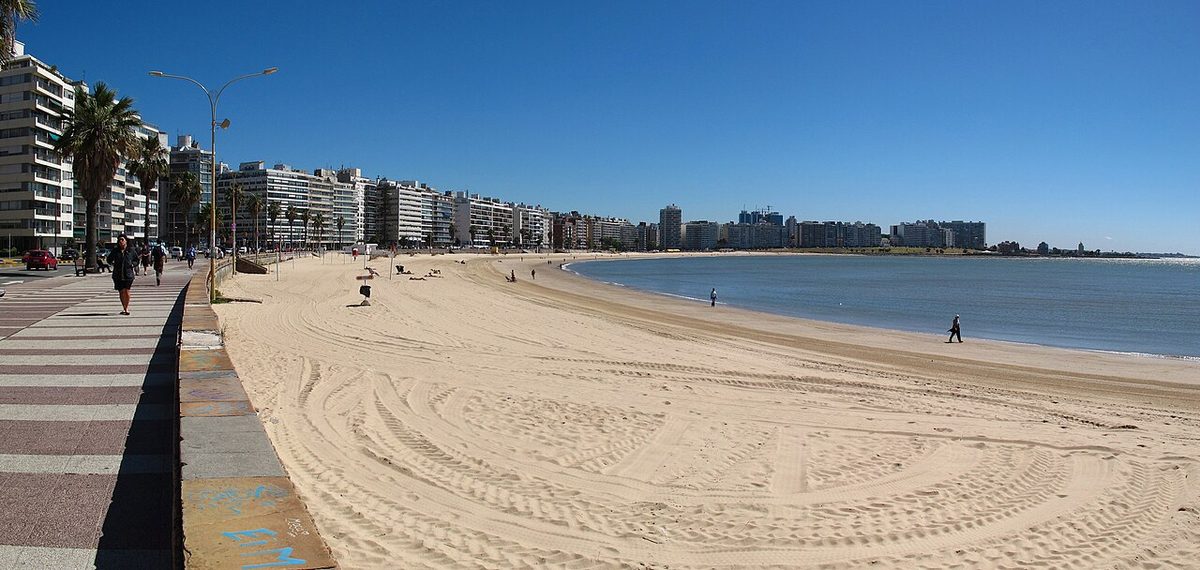
Pocitos wraps around a curve of city beach, and its rambla (the long waterfront promenade that runs for miles along Montevideo’s coast) is where the city walks, runs, and drinks mate (a bitter green tea sipped through a metal straw from a shared gourd, basically the national handshake). The vibe is residential and relaxed, more apartment-blocks-and-cafés than nightlife. Hostels here, the Rambler-type places along and behind the front, suit couples and anyone settling in for several nights or working remotely. The trade-off: you’re a 15-minute bus or a long walk from the old-town action, so if your nights revolve around Ciudad Vieja’s bars you’ll be commuting home.
Punta del Este hostels: budget beds in a glitzy town
Punta del Este is Uruguay’s flashy summer resort, all high-rises, yacht marinas, and Argentine money in January. It is not a natural backpacker town, which is exactly why the handful of good hostels matter: they’re your way into an expensive place without the expensive price tag. Tas D’Viaje is the long-running favourite, a proper beach-vibe surf hostel with a solid kitchen and the kind of staff who’ll point you to the right break. There’s also an El Viajero branch by Brava beach.
A smarter play in peak season is to base yourself slightly out of the centre, in La Barra (around ten minutes by bus), where places like the old Negrita-style hostels give you a garden and some calm away from the downtown madness. The drawback across all of Punta: in January everything is full and dear, and out of season the resort empties dramatically. Mid-winter, a lot of it shutters and the glamour drains away, leaving a windy, half-closed town. Come in the shoulder months (November, March) for the sweet spot of open-but-affordable.
Punta del Diablo: the backpacker capital
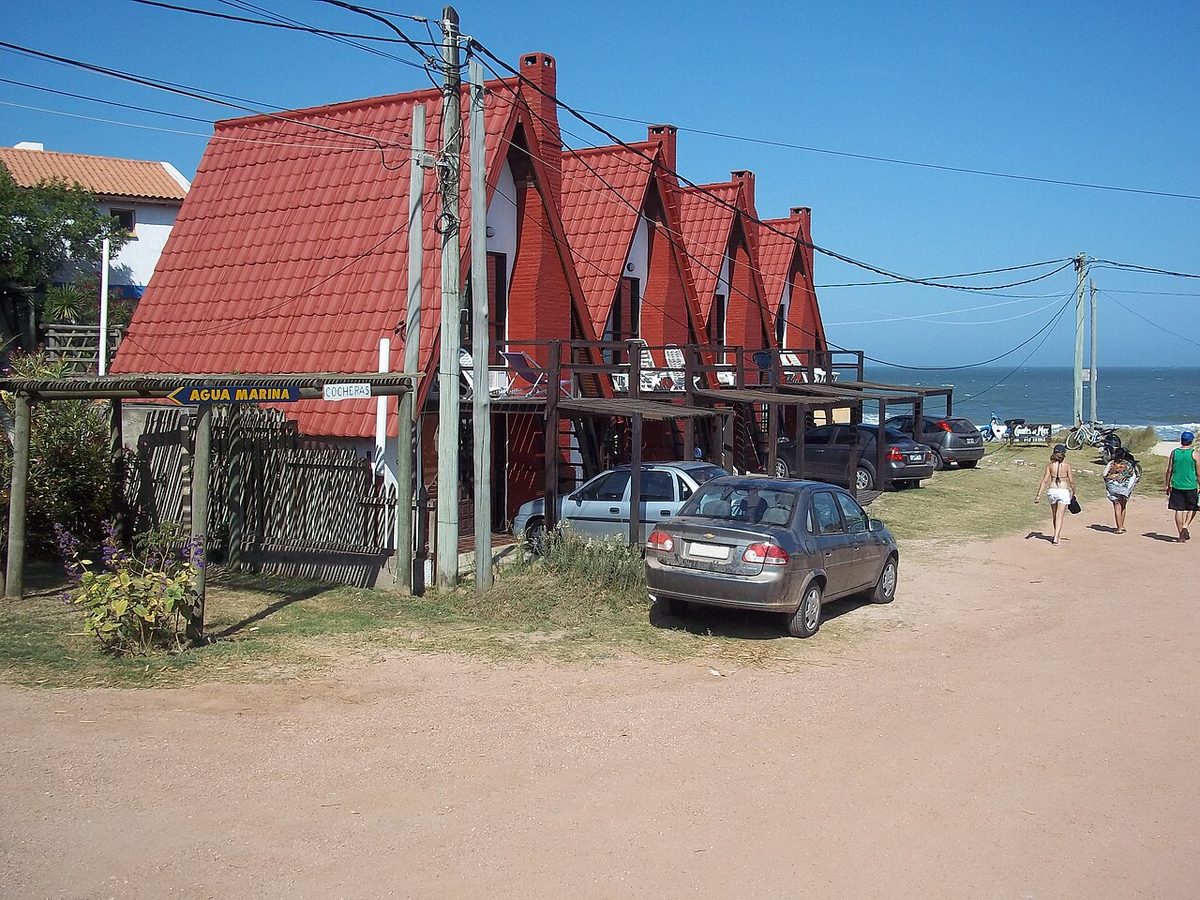
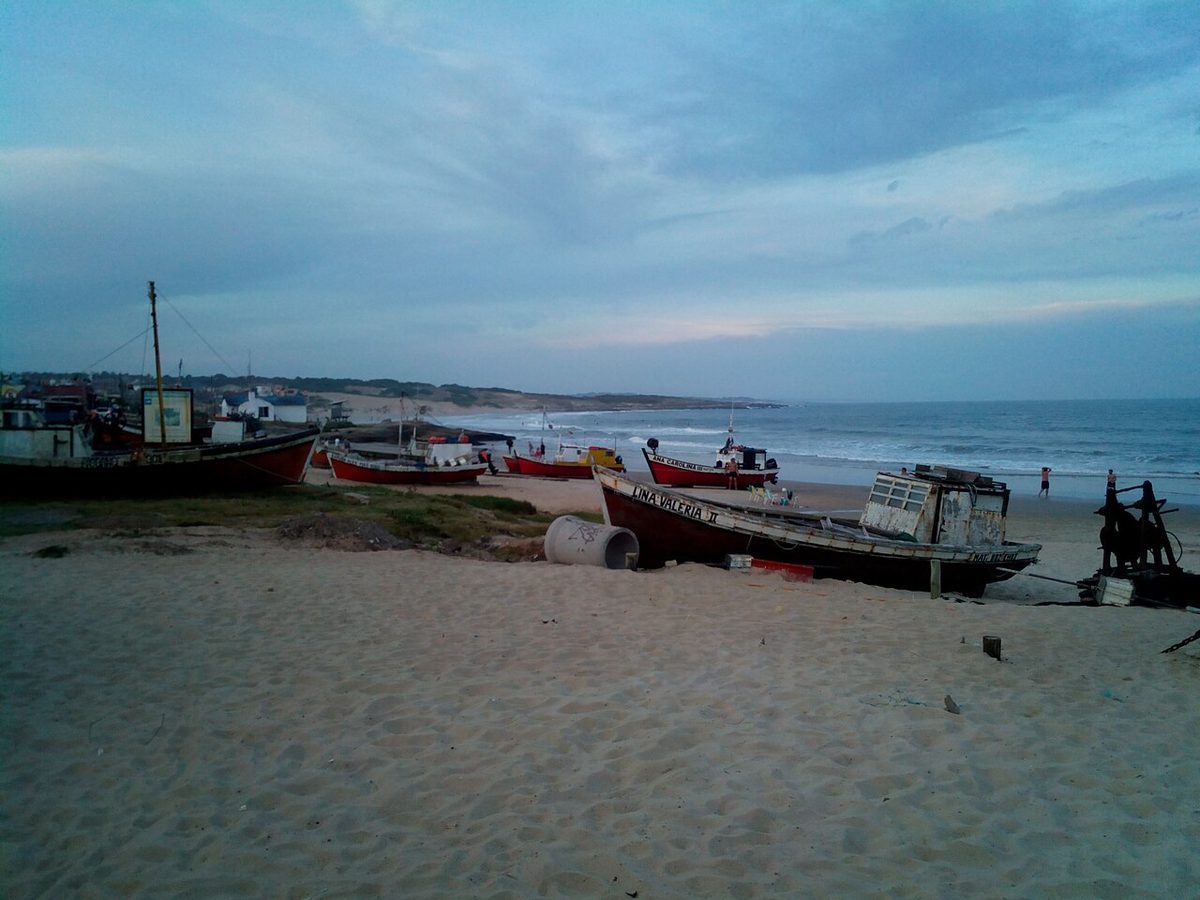
If Uruguay has a backpacker capital, this fishing village in Rocha is it. Punta del Diablo started as a cluster of fishermen’s shacks and grew, organically and without much of a master plan, into a sprawl of wooden cabañas (simple cabins) and hostels spread across sandy lanes with no real centre. There are no big hotels, barely any paved roads, and the beaches, fishermen still launch their boats off the main one, are the whole point. This is where most people’s Uruguay-backpacking memories are actually made.
El Diablo Tranquilo and the classics
El Diablo Tranquilo is the institution: Punta’s original hostel, backpacker-built, with a beach bar that doubles as the town’s social hub and a separate quieter lodge a short walk back from the water. It’s the safe pick, the one that’s been running for years and still draws a crowd, and crucially it stays open year-round when plenty of neighbours don’t. Honest drawback: its very popularity means the bar can get rowdy and the dorms aren’t the cheapest in town. If you want barefoot-party energy on a dorm budget, Compay Hostel (run by a trio of surfer brothers, a couple of blocks from the beach) leans younger and louder, while smaller spots like Mar de Fondo do family-style dinners and a calmer, four-to-a-room setup.
The off-season warning nobody puts on the booking site
Here is the thing the glossy listings won’t tell you. Punta del Diablo in January is a heaving, joyful, sun-and-sand party. Punta del Diablo in July is close to a ghost town. Out of summer, a real chunk of the hostels, bars, and restaurants simply close, the wind comes off the Atlantic with teeth, and you can walk the main beach without passing a soul. That’s magic if you want raw, empty, end-of-the-world coastline and a near-private hostel for cheap. It’s grim if you arrived expecting a scene and found three other people and a shut supermarket. Decide which trip you want before you book, and if you’re coming in winter, message the hostel first to confirm it’s actually open and serving food.
Cabo Polonio and La Pedrera: off-grid and barefoot
North along the Rocha coast, two very different stops round out the classic backpacker run.
Cabo Polonio: no roads, no grid, no ATM
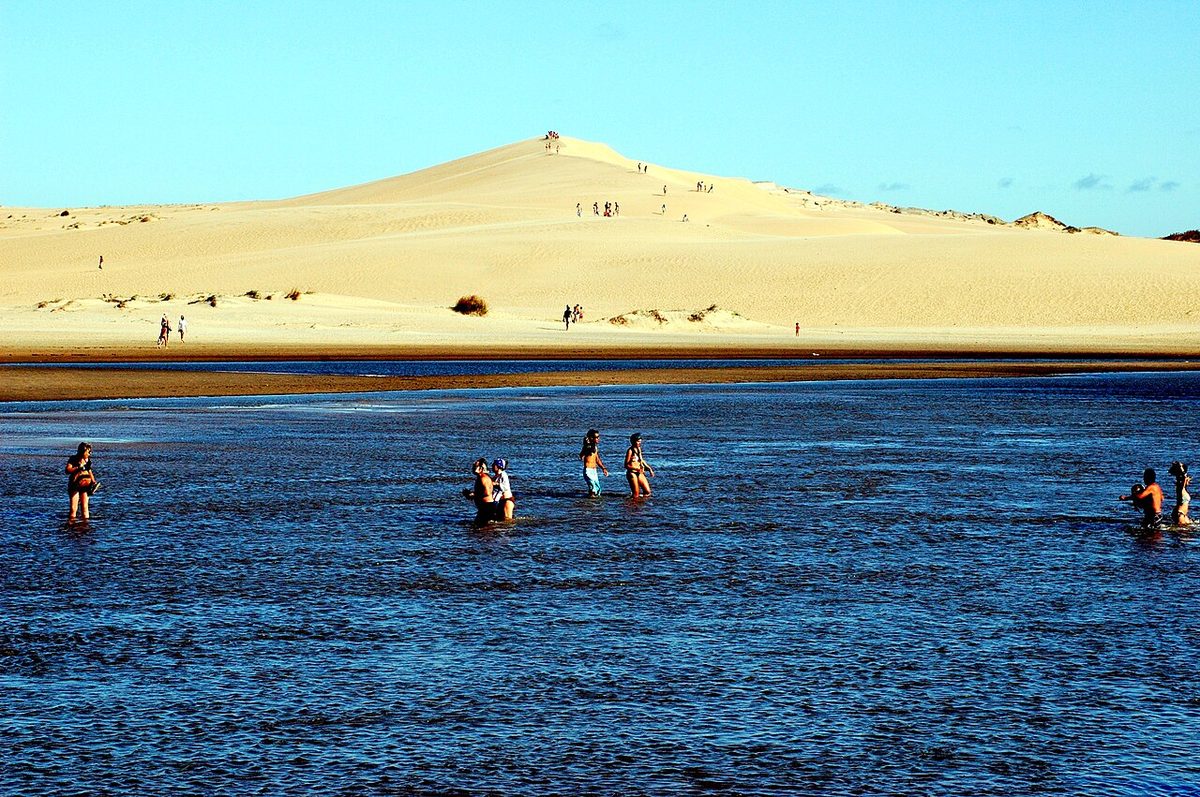
Cabo Polonio is the strange, wonderful one. There’s no road in, you ride a giant 4×4 truck over the dunes from the highway, and the village runs almost entirely off-grid: most places use solar panels or generators, hot water is a luxury, and there’s no bank or ATM, so you bring all your cash. The hostels here are basic by definition. Lobo Hostel and Viejo Lobo are the long-standing pair, ramshackle, candlelit, with shared kitchens and the kind of fire-pit-and-mate evenings people travel a long way for. Viejo Lobo has a reputation as one of the few with reliable hot showers, which in Cabo counts as a genuine selling point.
Manage your expectations and you’ll love it. The honest drawback is real, though: locks and lockers can be scarce, security is loose, comforts are minimal, and you are genuinely disconnected, which is the appeal and the catch in one. Don’t bring anything you’d cry over losing, keep your passport and cash on you, and lean into the lo-fi. People come here to switch off, share a gourd of mate by a fire, and watch the sea lions. Wi-Fi is not the assignment.
La Pedrera: surf, bohemian, a notch more comfortable
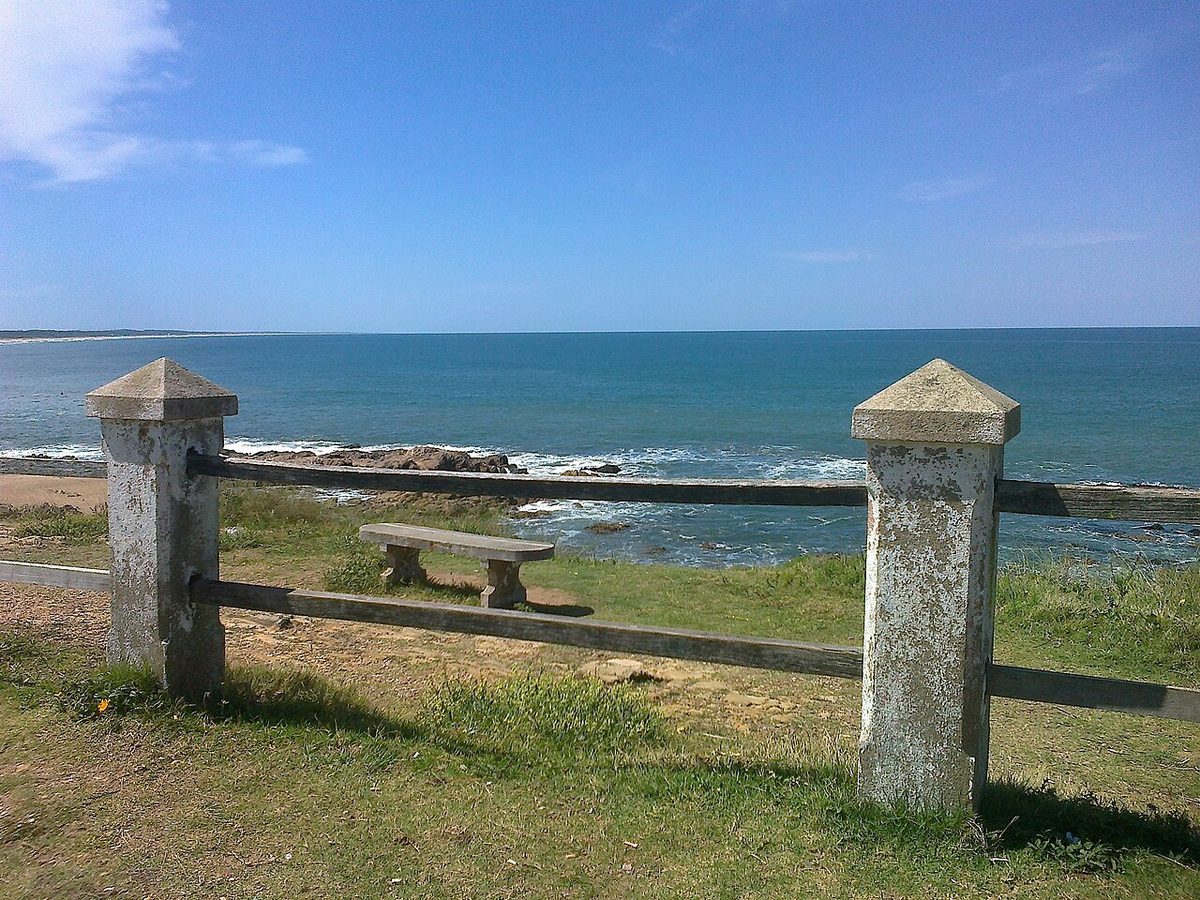
La Pedrera, a little further down, is the mellow surf-and-art balneario (a small Uruguayan beach resort town) that many people quietly rate as their favourite stop on the coast. It’s bohemian without being as rough as Cabo, with real shops and a proper beach break. Compay Hostel is the party option here too, close to the ocean with that indoor-outdoor flow, surf classes and bike rental, though it’s often dorm-only. For something quieter there are smaller, beach-adjacent hostels with good kitchens and homely common rooms. Same seasonal rule applies: brilliant and buzzing in summer, sleepy-to-shut the rest of the year.
Colonia del Sacramento: a hostel between two cities
Colonia is the cobblestoned Portuguese-founded town across the river, an hour’s ferry from Buenos Aires, and for a lot of travellers it’s the first or last night in Uruguay. The historic quarter is tiny and walkable, and the hostel scene is small but solid. El Viajero Colonia sits in a restored 19th-century house right in the old town, high ceilings, a barbecue, a sundeck, the standard you want a few steps from the lighthouse and the river sunsets. It’s mellow rather than party, which fits the town.
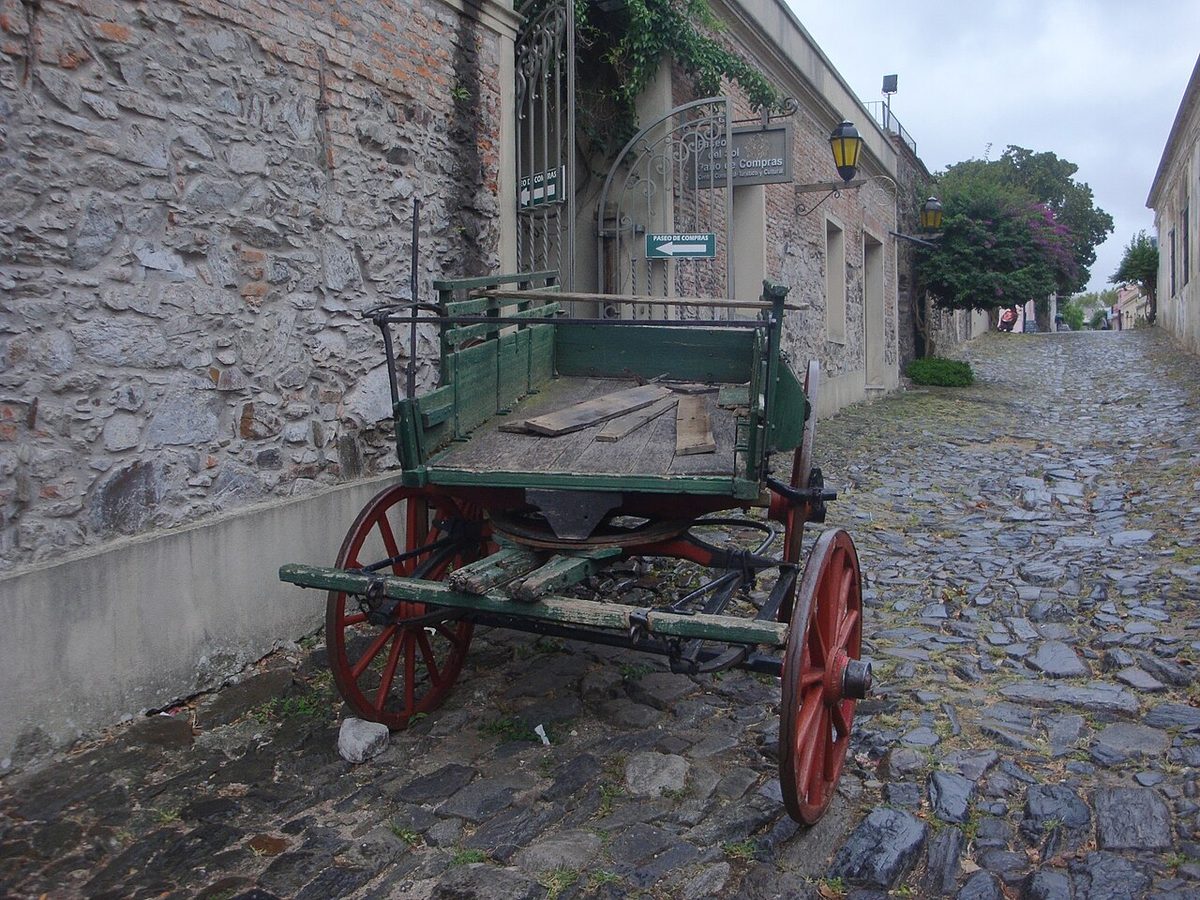
One night here is plenty for most people, two if you want to slow down and rent a bike. The drawback is simply that Colonia is small and quiet, so don’t come expecting a nightlife scene; come for the sunset over the water and the easiest border crossing in the region.
Party, chill, or digital nomad: which hostel tribe are you?
Uruguay’s hostels sort roughly into three moods, and knowing which one you want saves a lot of regret.
Party hostels
The social-to-rowdy end: Viajero in Montevideo, Compay in La Pedrera and Punta del Diablo, the El Diablo Tranquilo beach bar at full tilt in January. Rooftops, bar crawls, asados that turn into late nights, easy to meet people, hard to get to sleep early. If you’re solo and want instant company, start here. If you need rest, these are the ones to avoid on weekends.
Chill hostels
Mellow middle ground: the Cordón and Pocitos places in Montevideo, the quieter beach hostels in La Pedrera and Punta del Diablo, anything in Cabo Polonio by default. Common rooms, shared kitchens, conversations over mate rather than shots. Better for couples, longer stays, and anyone travelling to actually see a country rather than its bar floors.
Digital-nomad-friendly hostels
Remote work is the weak spot, so set expectations. For a longer stay, our digital nomad guide to Uruguay covers coworking spaces and residency options. Montevideo, especially Pocitos and Cordón, is your best bet for reliable Wi-Fi, cafés to work from, and hostels used to laptops. Some coastal spots advertise Wi-Fi but deliver a trickle, and Cabo Polonio barely pretends. If you need to take calls, base yourself in the capital and treat the coast as the reward you go offline for.
What a Uruguayan hostel is actually like
A few things that surprise first-timers. The asado is central, not a gimmick: many hostels run a weekly communal grill, and it’s the single best way to eat well and meet everyone in one evening, expect a lot of beef, some chorizo, and wine that costs almost nothing. Mate is everywhere, and if a Uruguayan offers you the gourd, take a sip and pass it back; it’s a social ritual, not a drink order. Breakfast is usually included but modest, bread, dulce de leche, coffee, so manage your hopes. And the pace is slow: Uruguayans are unhurried, things run late, and the staff at a good hostel will treat you more like a houseguest than a customer. Lean into that and you’ll have a far better time than if you fight it.
Practical advice by traveller type
Solo travellers
You’ll have an easy time here. Uruguay is one of the safer countries in South America, and the social hostels make meeting people simple, one Sunday asado and you’ve got a crew for the week. Start in a social Ciudad Vieja spot to find travel companions, then move to quieter places once you’ve got a group. Female solo travellers I’ve spoken to consistently rate Uruguay as low-stress by regional standards, with the usual caveats: watch your drink, skip empty streets late at night, and keep an eye on your bag in the busier Montevideo barrios.
Budget couples
Two of you change the maths. A private double in a hostel often costs barely more than two dorm beds, and you get a door that locks and a night’s quiet, so for couples I almost always say book the private. Pocitos and Cordón in Montevideo, and the smaller beach hostels in La Pedrera or Punta del Diablo, do this well. You keep the shared kitchen and asado culture while skipping the snoring stranger above you.
When to book
This is the one that bites people. From roughly mid-December through January, the coast, Punta del Diablo, La Pedrera, Cabo Polonio, Punta del Este, books out weeks and sometimes months ahead, and prices climb steeply. If you want a January bed on the beach, reserve early and expect to pay peak rates. Outside that window you can often walk in, but the trade-off is that fewer places are open. Shoulder season (November, and March into early April) is the sweet spot: warm enough, mostly open, far cheaper, far less crowded.
Safety, honestly
Hostels themselves are generally safe and friendly. The risks are ordinary: opportunistic theft in Montevideo (especially around the port, Ciudad Vieja after dark, and on city buses), and loose security in the rustic coastal spots where lockers may not exist. Bring a padlock, use the lockers where there are any, keep your phone off café tables, and don’t wander deserted streets alone late. Cabo Polonio deserves its own line: with no real locks and an honesty-system feel, only bring what you can afford to lose and keep documents and cash on your body.
The off-season reality check
I’ll say it once more because it’s the single most common mistake. The beach towns are seasonal in a way that genuinely catches people out. Show up in Punta del Diablo or Cabo Polonio in mid-winter expecting a backpacker scene and you may find a near-empty village, shut kitchens, and a cold wind. That can be exactly the moody, solitary experience some travellers want, but it is not the postcard. If your trip falls outside summer, message your hostel before you commit, confirm they’re open and feeding people, and have Montevideo, which runs year-round, as your reliable base.
Best hostels in Uruguay: your questions answered
Is Uruguay expensive for backpackers?
By South American standards, yes, noticeably more than Bolivia, Peru, or even Argentina. Dorm beds run roughly USD 13 to 28 depending on town and season, and food and drink aren’t cheap either. It’s still very doable on a budget, but recalibrate: cook in hostel kitchens, drink the excellent cheap local wine, and treat Uruguay as a pricier, calmer stop on a longer trip rather than a bargain.
Where do most backpackers stay in Uruguay?
The classic route is Montevideo for the city, then the Rocha coast, Punta del Diablo, Cabo Polonio, and La Pedrera, for the beaches, with Colonia as a stop between Buenos Aires and the capital. Punta del Diablo is the unofficial backpacker hub, while Montevideo’s Ciudad Vieja, Cordón, and Pocitos cover the urban side. Punta del Este draws a flashier crowd but has good budget hostels too.
Are hostels in Punta del Diablo open all year?
Some are, many aren’t. El Diablo Tranquilo is reliably year-round, but a large share of the town’s hostels, bars, and restaurants close outside the December-to-March summer season, when the village empties out. If you’re travelling in winter, message your chosen hostel directly to confirm it’s open and serving food before you book, and don’t assume the listing being live means the doors are.
Do I need to book hostels in advance in Uruguay?
In summer (mid-December through January) on the coast, absolutely, the best beach hostels sell out weeks ahead and prices spike. Outside peak season you can usually walk in, though fewer places are open. Montevideo is bookable closer to arrival year-round. The safe rule: reserve early for summer beaches, stay flexible the rest of the year.
Are hostels in Uruguay safe?
Generally, yes. Uruguay is among the safer countries in the region, and hostels are friendly and low-drama. The real risks are petty theft in Montevideo (the port, Ciudad Vieja late at night, city buses) and loose security in rustic coastal spots like Cabo Polonio, where lockers may not exist. Bring a padlock, use lockers when available, and keep valuables on you in the off-grid places.
What’s the deal with Cabo Polonio hostels?
Cabo Polonio is off-grid: no road in (you take a 4×4 over the dunes), mostly solar power, scarce hot water, and no ATM, so bring cash. Hostels like Lobo and Viejo Lobo are deliberately basic, candlelit, rustic, social around a fire. It’s a disconnect-completely experience rather than a comfort one. Bring only what you can afford to lose, and don’t expect Wi-Fi or locks.
Final thoughts
Hostelling in Uruguay rewards a bit of planning and a flexible attitude. Get the season right, match the hostel’s mood to your own, and accept that the coast runs hot and cold by the calendar, and you’ll come away with the rooftop-asado nights and empty-beach mornings that make this small country stick with people. My short version: ease in through a social spot in Montevideo, ride the bus up to Rocha, and give yourself a few unstructured days in Punta del Diablo and off-grid Cabo Polonio with nothing booked too tightly.
For the bigger picture, this guide sits inside our wider where to stay in Uruguay hub, and if your trip is mostly urban it’s worth reading alongside our take on where to stay in Montevideo. To map the route between these towns, our Uruguay itinerary and the backpacking Uruguay guide do the heavy lifting, and budget-watchers should check whether Uruguay is expensive before they commit. Solo? Our solo travel in Uruguay notes pair well with everything above, and the deeper Rocha region guide covers the coast these hostels sit on. If a hostel ends up not being your speed, our sister guides to unique hotels in Uruguay and glamping pick up where the dorms leave off.
Credits & sources
Sources & further reading
- Hostelworld: Uruguay hostels, current listings, prices and traveller ratings by town.
- Booking.com: Uruguay hostels, availability and reviews, useful for checking off-season opening.
- Tripadvisor: Uruguay hostels, long-run reviews to gauge which places have lasted.
Photo credits
All images via Wikimedia Commons: Ciudad Vieja Montevideo Street by a Wikimedia Commons contributor (CC BY-SA 4.0); Pocitos Rambla Montevideo by Elemaki (CC BY 3.0); Punta Del Diablo Fishing Beach by Mariana Zorrilla (CC BY-SA 3.0); Colonia Del Sacramento Cobblestone Street by Banfield (CC BY-SA 2.5 ar); La Pedrera Uruguay Beach by Casaseneleste (CC BY-SA 4.0).