Buenos Aires to Punta del Este: Ferry, Flight or Drive?
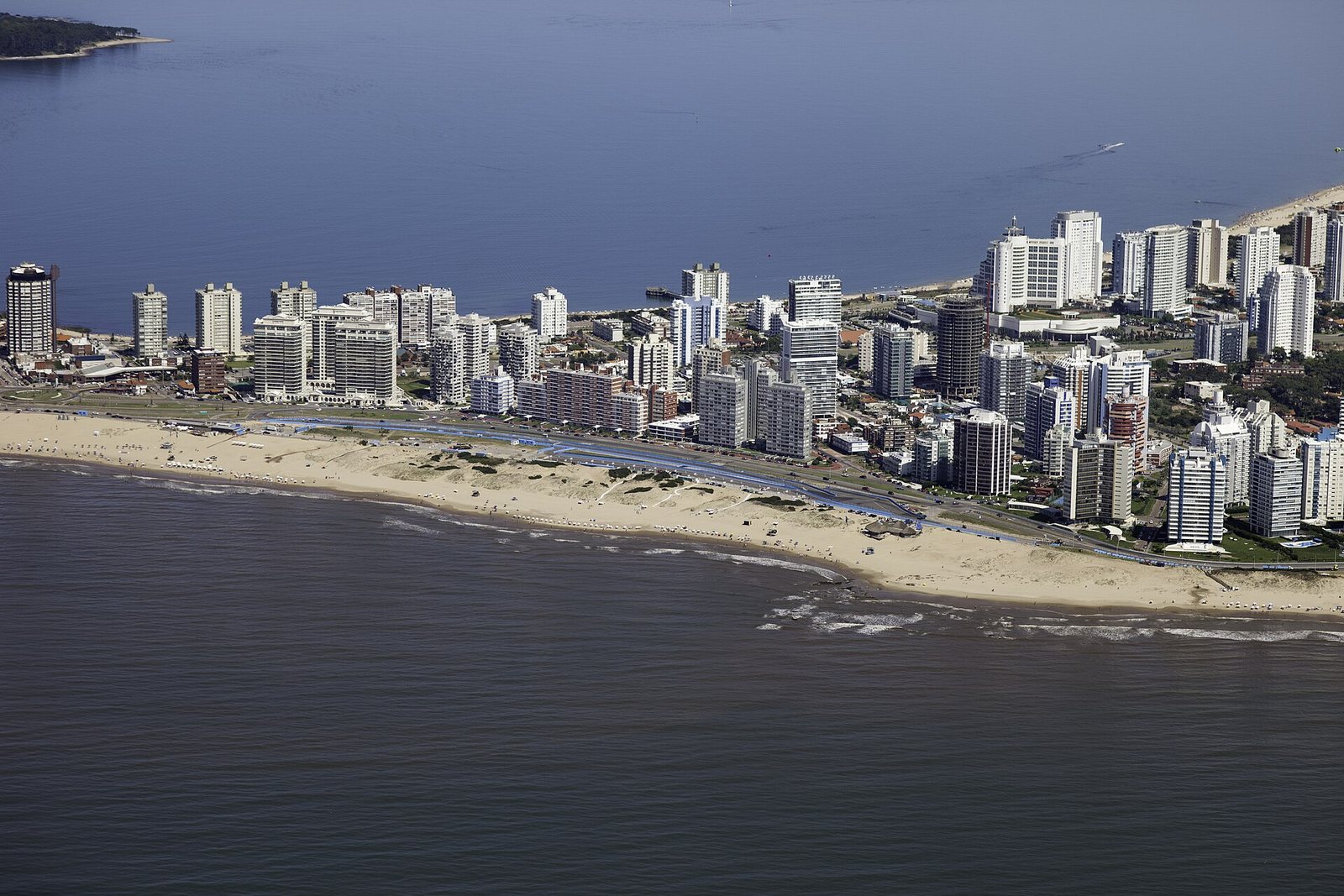
Search for how to get from Buenos Aires to Punta del Este and you’ll find flight deals, and “ferries” that turn out to be a boat plus a long bus ride. There’s a third way too: your own car on the boat. Which one makes sense depends on how long you have and whether you want wheels on the other side.
Buenos Aires to Punta del Este is a short flight to Laguna del Sauce airport, a ferry across the Río de la Plata plus a bus (six hours on Colonia Express’s through ticket), or a drive with your car on the ferry. Fly for a weekend; go by boat when the trip has time to spare.
Coming from farther afield? Start with getting to Uruguay by air, river and road, then come back here for the Buenos Aires leg: the three options compared door to door, with what drives the cost, how long the day really takes and which one suits a short break. Timetables, bus fares and toll rates below were checked in November 2026 against Colonia Express, COT, COPSA and MTOP, Uruguay’s transport ministry.
Buenos Aires to Punta del Este at a glance
| Question | Short answer |
|---|---|
| Ferry and bus via Colonia | Colonia Express’s through ticket from Puerto Madero Sur: 6 hours on the base timetable, leaving at 08:00 daily plus 18:15 on Fridays |
| Ferry and bus via Montevideo | Buquebus’s direct crossing, about 2½ to 2¾ hours, then 2 hours 10 to 2 hours 20 minutes on a direct COT bus from Tres Cruces |
| Flight | Under about an hour in the air to Laguna del Sauce (PDP), about 20 km northwest of the peninsula |
| Drive | Car ferry to Colonia (1 hour 15 minutes with Colonia Express), about 175 km on Ruta 1 to Montevideo, then about 135 km east; four toll plazas each way |
| Cost | Ferry and air fares move with the date, so price them on the operators’ own booking pages; the Montevideo–Punta del Este bus is UYU 466 (about US$12) |
| Book ahead? | Yes, from late December into the second week of February, when Colonia Express switches to separate peak-date timetables |
| Best for a weekend | The flight, or Colonia Express’s Friday 18:15 departure |
| Best time to travel | November to mid-December, before the peak-date timetables begin on December 21 |
Which way should you go?
Start with the length of your trip, not the price of the ticket.
Two or three nights: fly. The hop to Laguna del Sauce is short and the airport sits about 20 km from the peninsula, so a Friday-evening flight still leaves you Saturday and Sunday on the coast, as long as the times for your dates fit. By boat and bus you spend about six hours each way, which is a lot of travel to buy a day and a half of beach.
A week or more: take the boat and stop on the way. The crossing to Colonia del Sacramento takes 1 hour 15 minutes on Colonia Express’s timetable, and a night in the old town turns a transfer into part of the trip. Montevideo works the same way if you cross on Buquebus’s direct ship and pick up the bus a day or two later.
Kids, heavy bags or no patience for connections: the through ticket. One booking covers the boat to Colonia and the bus to Punta del Este. Colonia Express charges infants up to 23 months only the taxes, and children aged 2 to 11 get 15% off its Super Flex fare.
A long stay, or plans beyond Punta del Este: drive. Your own car earns its ferry fare on a month in a rented house or a run up the coast toward Rocha. For a week on the peninsula, it mostly sits parked.
Ferry and bus via Colonia: the through ticket
No boat sails from Buenos Aires to Punta del Este itself. What the operators sell under that name is a crossing to Colonia del Sacramento or Montevideo with a bus for the rest of the way, and the simplest version is Colonia Express’s through ticket via Colonia.
Six hours, one booking. Colonia Express’s base timetable, which covers November 2026 and December 1, 2026 to May 31, 2027, lists a daily 08:00 departure from Buenos Aires plus an extra 18:15 on Fridays, both timed at six hours to Punta del Este. Coming back, the base timetable leaves Punta del Este at 14:00 and takes 6 hours 15 minutes. The river is the short part: the crossing to Colonia takes 1 hour 15 minutes, and everything after that is road.
There are two catches. First, peak dates run to their own clock. The operator lists separate times for a string of days from December 21 into the second week of February, plus some dates in March, so look up your exact date on its schedule page rather than assuming 08:00. Second, the terminal. Colonia Express sails from Av. Elvira Rawson de Dellepiane 155 in Puerto Madero Sur, while Buquebus uses its own terminal at Antártida Argentina 821. Tell your taxi driver which company you’re traveling with.
Fares depend on the date and the fare type. Colonia Express sells Super Económica, Super Express and Super Flex tickets, plus same-day returns, each with its own conditions, so compare them on its booking page before paying for flexibility you won’t use.
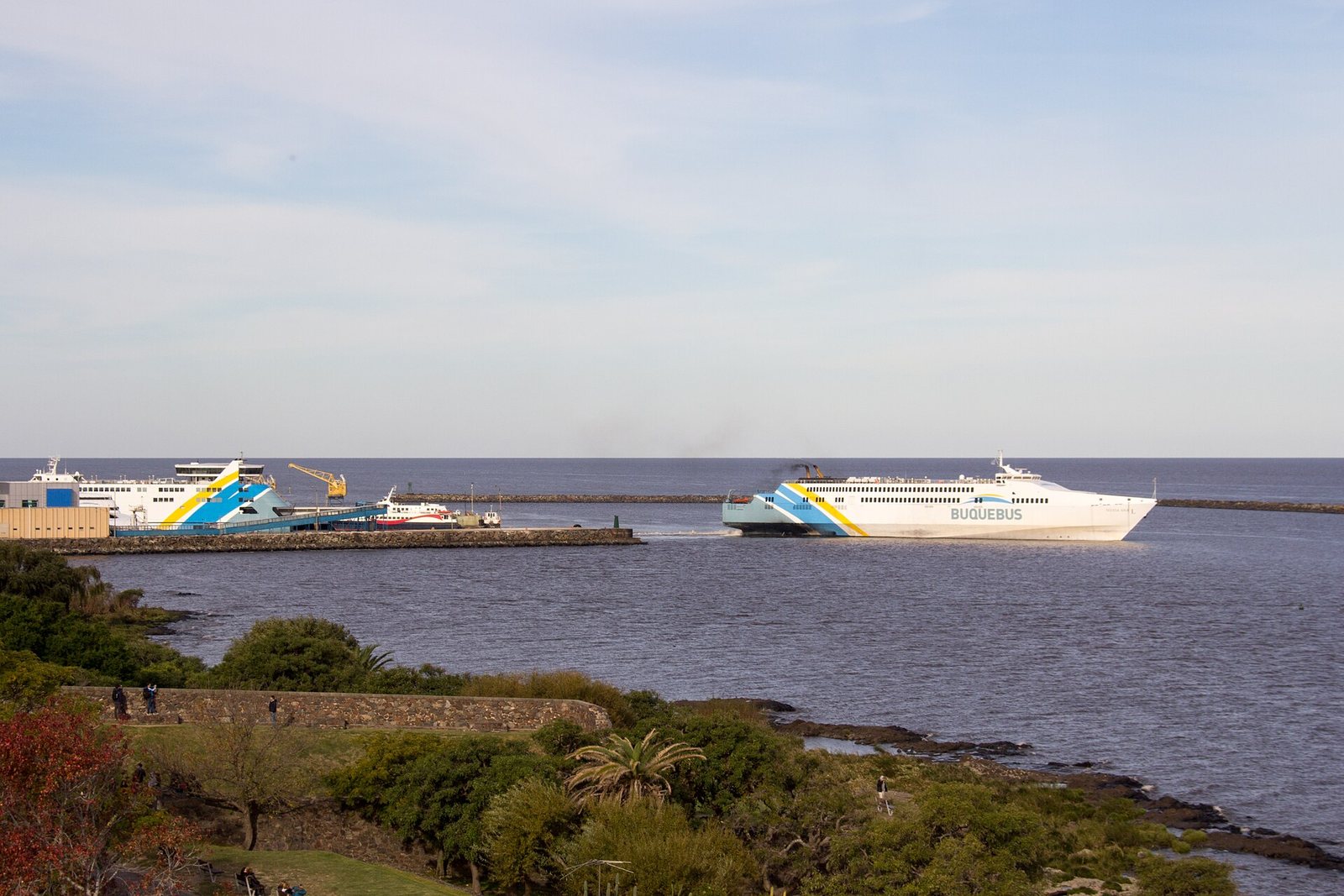
The do-it-yourself version. You can also cross to Colonia with either company, including Buquebus’s battery-electric China Zorrilla, which began Buenos Aires–Colonia sailings on October 22, 2026, and carry on by public bus. COT’s buses from Colonia to Montevideo take 2 hours 45 to 2 hours 50 minutes, and the published fare between the two cities is UYU 579 (about US$14). From Montevideo, COT or COPSA take you on to Punta del Este for UYU 466 (about US$12). COT’s own timetable lists Colonia–Punta del Este as a connection (a combinación) rather than a single bus. Done in one go, that adds up to no less time than the through ticket, so it only pays off if you stop: a night in Colonia del Sacramento is the best reason to break the journey.
Verdict: the dependable ground option. Six hours is the honest number, there’s nothing to connect yourself, and the Friday 18:15 gets you in a little after midnight.
Plan it: 08:00 daily, plus 18:15 on Fridays (base timetable); fares on Colonia Express’s booking page; terminal at Av. Elvira Rawson de Dellepiane 155, Puerto Madero Sur; allow six hours plus check-in; best for families, heavy luggage and anyone who wants a single booking.
Ferry to Montevideo, then the bus east
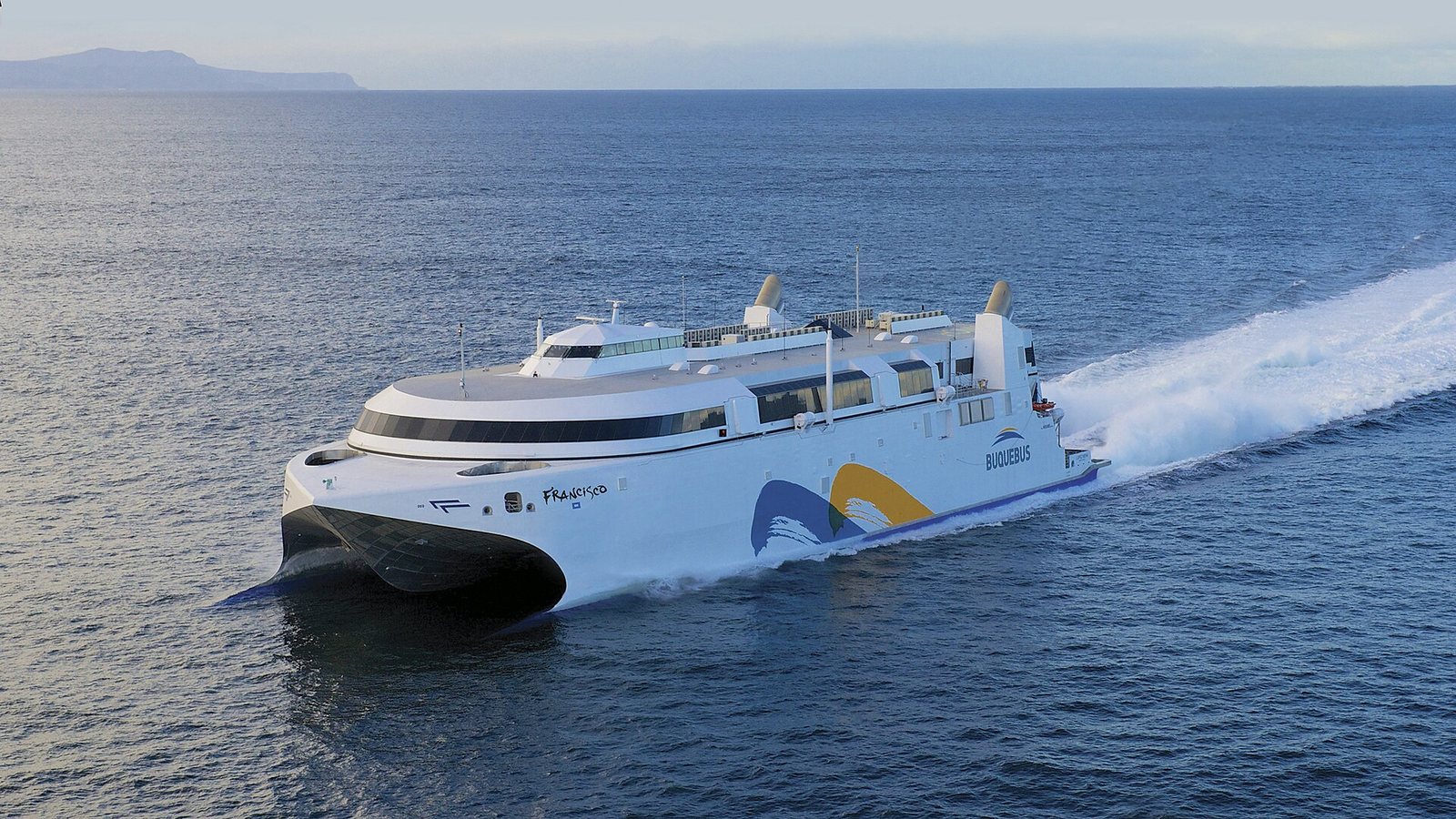
The other ferry route crosses straight to the capital. Buquebus’s direct ship, the Francisco, takes about 2½ to 2¾ hours from Buenos Aires to Montevideo, and it lands you about 135 km from Punta del Este instead of the 300-odd km you face from Colonia. The ship has had spells out of service, when Buquebus sends passengers via Colonia and a bus instead, so make sure the direct sailing runs on your date. The crossing itself gets its own page: the Buenos Aires to Montevideo ferry.
From the port to the bus. Long-distance buses to Punta del Este leave from Tres Cruces, Montevideo’s main terminal at Bulevar Artigas 1825, so you need a taxi or a city bus from the port. A one-hour city bus ticket costs UYU 64 (about US$1.60) in cash, or UYU 52 (about US$1.30) on an STM card. COT and COPSA both run the route for the same one-way fare of UYU 466 (about US$12), and COPSA’s price excludes the terminal boarding fee. Direct services on COT’s timetable take 2 hours 10 to 2 hours 20 minutes; buses that detour through Piriápolis take longer.
Prefer not to handle the connection yourself? Search Punta del Este as the destination on Buquebus’s booking engine and see whether your date comes with a connecting bus. Colonia Express also sells tickets to Montevideo, but those are a ferry to Colonia plus a bus, 3 hours 30 minutes in all, not a direct crossing. For more on the bus ride itself, see the Montevideo to Punta del Este leg, and for the operators and terminals in general, how Uruguay’s intercity buses work.
Verdict: on paper the pieces add up to roughly the through ticket’s six hours, with a connection to manage yourself. Choose this route when you want a night or two in Montevideo first, or when the Francisco’s sailing times suit you better than the Colonia boats.
Plan it: sailings and fares on Buquebus’s booking engine; terminal at Antártida Argentina 821; about 2½ to 2¾ hours across, a city transfer, then 2 hours 10 to 2 hours 20 minutes by direct bus for UYU 466 (about US$12); best for travelers who want Montevideo on the way.
Flights from Buenos Aires to Punta del Este
Under about an hour in the air. Aerolíneas Argentinas is the airline to check first: press reports on its January 2027 schedule put Buenos Aires–Punta del Este at about 28 flights a week. GOL has also been reported planning seasonal high-season flights between Aeroparque and Punta del Este; check GOL’s own site for dates and fares. Fares follow demand, so price your dates on the airlines’ sites and book early for January.
Read your ticket for the Buenos Aires airport. Aeroparque is the city airport; Ezeiza is about 35 km from downtown, and that difference matters on a Friday evening.
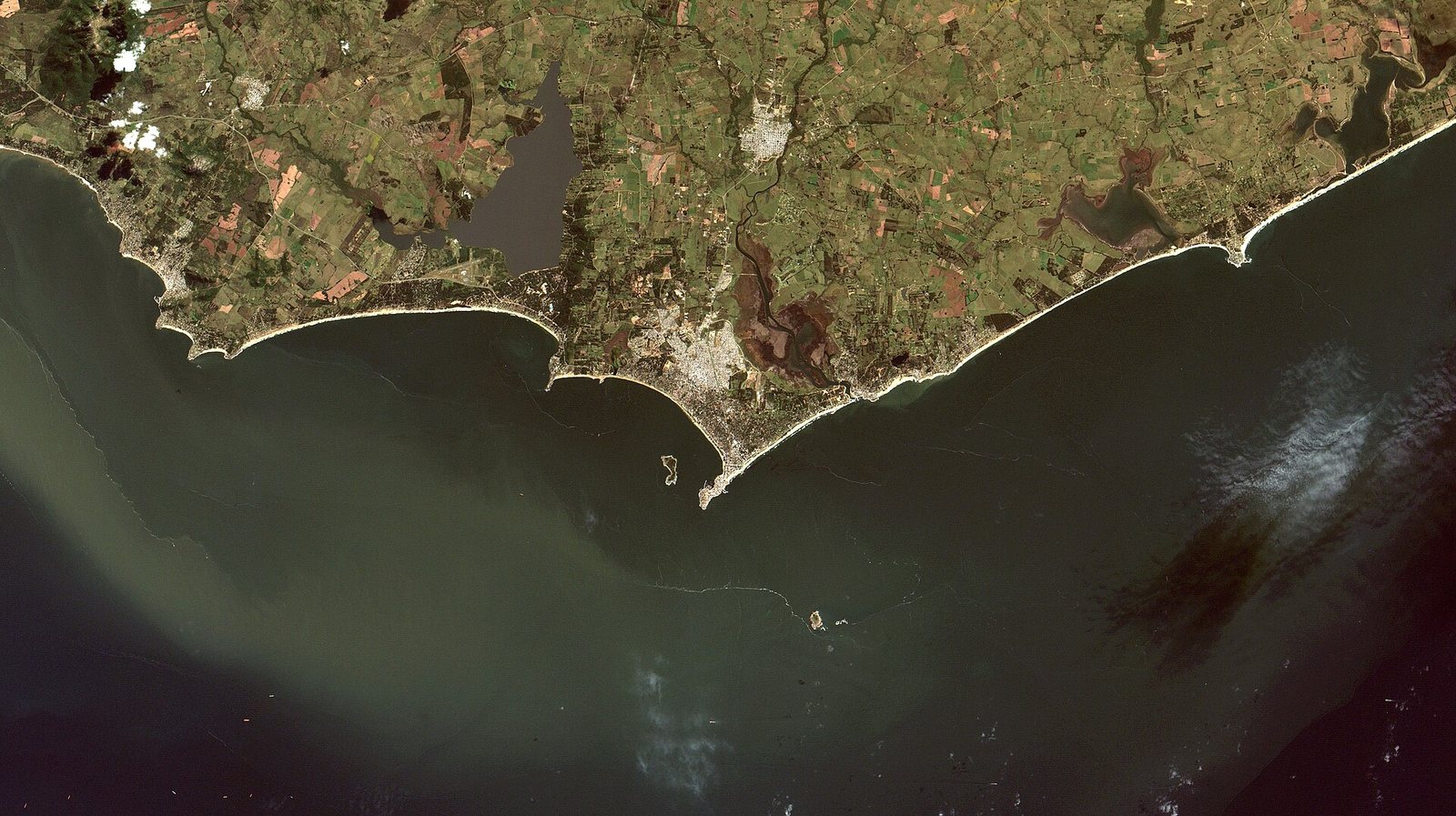
You land at Curbelo International Airport, better known as Laguna del Sauce (code PDP), in the department of Maldonado about 20 km northwest of the peninsula. Sort out the road leg before you fly: a transfer through your hotel, a taxi, a hire car, or Uber, which lists Punta del Este among its Uruguayan cities (see how Uber works in Uruguay). Check the airport’s own site for current ground transport.
Door to door, count the trip out to the airport, check-in and passport control, then the 20 km transfer at the far end. It’s still a much shorter travel day than six hours of boat and bus, provided the flight times suit you. For a family, price the whole party with checked bags before deciding, because the boat’s fare types and child discounts can change the sums. And if the Punta del Este flights are full, flying to Montevideo’s Carrasco airport and continuing by road is the fallback; see flights into Uruguay for the wider picture.
Plan it: schedules and fares on the airlines’ own sites; Aeroparque or Ezeiza, as your ticket says; under about an hour in the air, plus a 20 km transfer from Laguna del Sauce; book early for January; best for weekends and short breaks.
Driving: the car ferry and the road east
Buquebus and Colonia Express both carry vehicles, so you can take your own car across. The paperwork starts before you book, though, and the drive from Colonia is a long one.
Papers and limits
Bring the right documents. Colonia Express asks for the car’s green or blue registration card (cédula verde or azul) in the traveler’s name, or a notarized power of attorney; printed, valid Mercosur insurance; and a valid driver’s license. Buquebus’s FAQ covers taking a car, motorbike or van out of Argentina: Mercosur insurance, an apostilled authorization for company-owned vehicles, and no exit on a temporary DNI. Colonia Express also limits vehicle height to 3.00 m on the Atlantic Express and 2.10 m on the SuperFerry Express and the Colonia Express II, and the car has to drive aboard under its own power, so measure that roof box.
Renting in Buenos Aires? Hertz Argentina lets its cars into Uruguay with a border-crossing permit and recommends requesting it at least 72 business hours ahead. Other firms set their own rules, so ask before you sign.
The route and the tolls
From Colonia, Ruta 1 runs about 175 km east to Montevideo, with toll plazas (peajes) at Cufré, around km 107, and Plaza Grande, around km 23. Then the four-lane Ruta Interbalnearia heads east past two more plazas, at Pando (km 33.5) and Solís (km 81); Punta del Este is about 135 km from Montevideo by road. Putting the car on Buquebus’s direct Montevideo crossing cuts out Ruta 1, if your sailing takes vehicles.
Toll rates change twice a year. MTOP’s tariff page, dated June 5, 2026, lists a car at UYU 167 (about US$4) per plaza with a Telepeaje tag and UYU 214 (about US$5) at the SUCIVE rate. Those rates apply until November 30, 2026: MTOP updates them at midnight on December 1, so check MTOP’s toll tariff page for the figures in force when you drive.
Foreign plates: get the Abono Extranjero. Cars on foreign plates can buy a 15-day pass covering every national-route toll for one payment, tag included. You arrange it at a toll booth at the start of your trip and can renew it at a toll for another 15 days. At its December 2025 launch it cost UYU 1,141 (about US$28), the price of six toll fares; MTOP’s page has the current figure. A round trip between Colonia and Punta del Este passes those four plazas twice, which is eight tolls, so the pass covers its cost on that drive alone. For a single day on the road, Telepeaje’s Pase Turista, bought online or in the Telepeaje UY app, reads your plate, stays active for 24 hours once used and is paid afterwards at Abitab or Red Pagos, by card at a toll office, or online.
Fuel and the rules of the road
ANCAP, the state fuel company, priced Super 95 at UYU 90.45 a liter from November 1, 2026 (about US$2.25); its price page has later months. The blood-alcohol limit for drivers is zero, and headlights must be on at all times, daylight included.
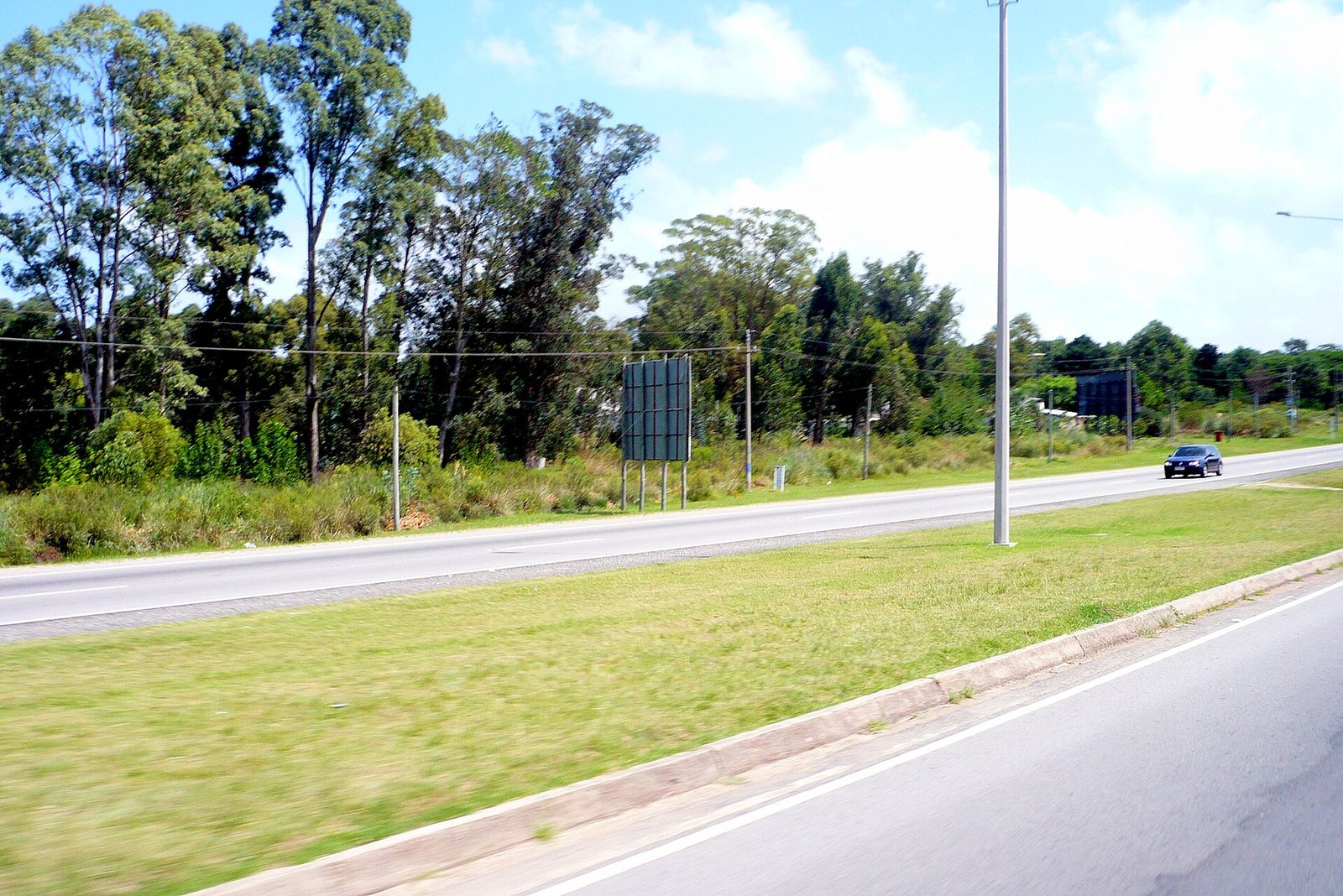
Verdict: worth it for long stays and for trips that continue past Punta del Este. For a week on the peninsula, renting a car in Uruguay for the days you want one skips the vehicle fare and the paperwork, and car hire without a driver paid by card gets a 9-point IVA reduction until April 30, 2027.
Plan it: vehicle fares on both operators’ booking pages; registration papers and printed Mercosur insurance before you book; about 175 km plus about 135 km of highway from Colonia; four toll plazas each way; best for long stays and road trips.
Arriving in Punta del Este
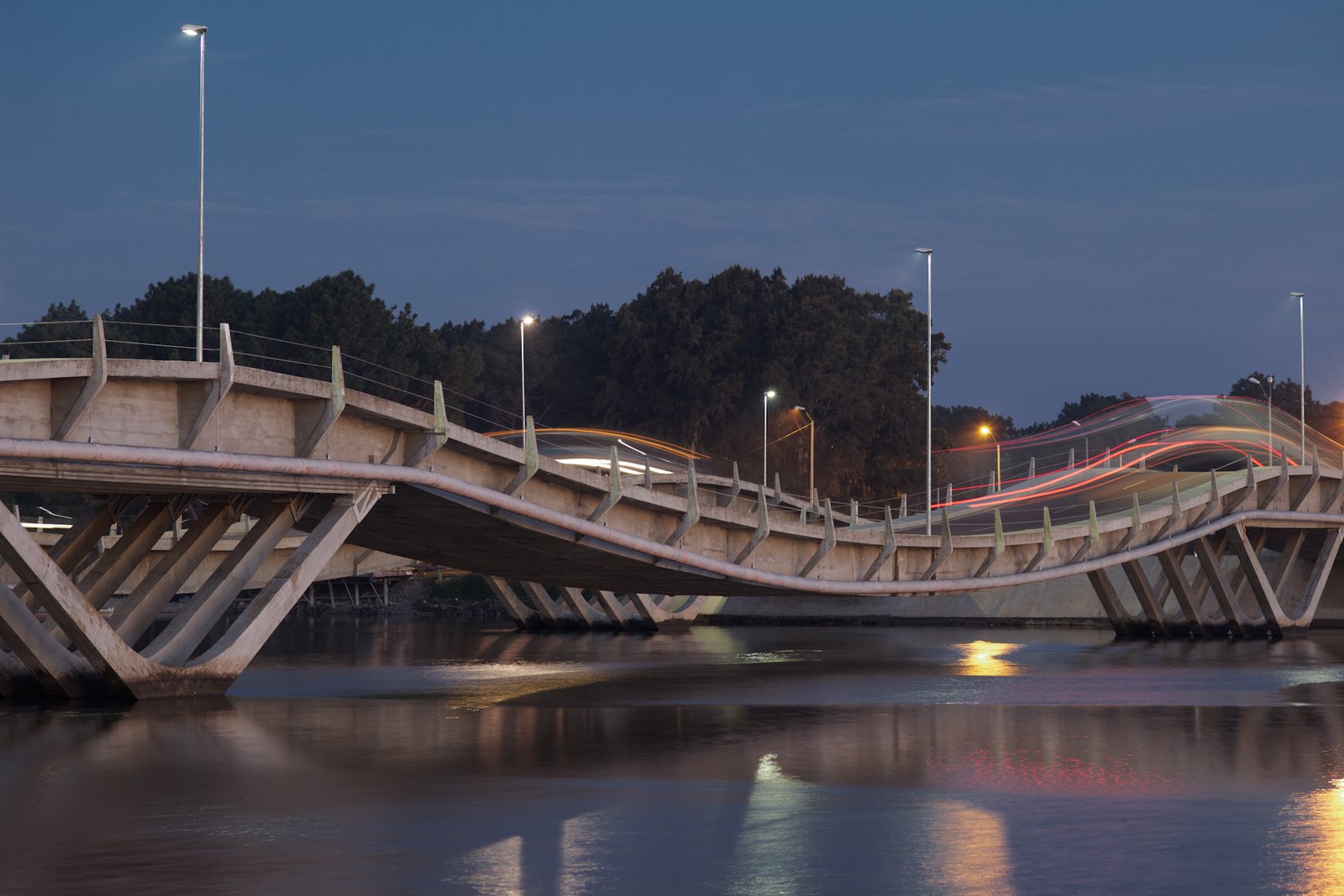
Where you’re staying decides the last few kilometers. CODESA’s line 14 runs from Punta del Este’s bus terminal across the Leonel Viera bridge to La Barra, Manantiales and José Ignacio, and COPSA’s fare from Punta del Este to José Ignacio is UYU 161 (about US$4). Uber also lists Punta del Este as a service city.
Two timing notes. The Friday 18:15 through ticket gets in after midnight, so pick a place that can check you in late. And if you land at Laguna del Sauce in January, have the transfer arranged before you board in Buenos Aires rather than sorting it out at the curb.
Booking for the summer peak
The operators’ own timetables show when demand peaks: Colonia Express’s peak-date schedules run from December 21 into the second week of February, with a few more days in March. Those are the dates to book as soon as you know them.
Christmas to mid-February: book early. That goes double if your trip touches New Year’s Eve in Punta del Este. Book both directions together, and price the boat and the flight for the same dates before committing to either.
Driving in December? The toll rates you pay from December 1 are the new ones MTOP sets from that day, not the June figures above, and the Abono Extranjero’s price may move with them.
Can you do it as a weekend, or a day trip?
A day trip: no. On the base timetable, the 08:00 through ticket reaches Punta del Este around 14:00, which is when the return leaves.
A weekend by boat: possible, but tiring. The Friday 18:15 from Buenos Aires reaches Punta del Este a little after midnight, and Sunday’s 14:00 return gets you back to Buenos Aires around 20:15. That’s one full day and a Sunday morning for about twelve hours of travel.
A weekend by air: the better bet, if the schedule offers a Friday-evening flight out and a Sunday-evening flight back. Price it against the boat for your dates before deciding.
A weekend by car: skip it. Add vehicle check-in, around 300 km of driving each way from Colonia and eight tolls to the boat ride, and the car becomes the trip.
Buenos Aires to Punta del Este: your questions answered
Is there a direct ferry from Buenos Aires to Punta del Este?
No boat sails from Buenos Aires to Punta del Este itself. Tickets sold as a ferry from Buenos Aires to Punta del Este pair a crossing to Colonia del Sacramento or Montevideo with a bus for the rest. Colonia Express’s version runs via Colonia and takes six hours on its base timetable; Buquebus’s direct ship reaches Montevideo in about 2½ to 2¾ hours, still about 135 km short of Punta del Este by road.
How long does it take to get from Buenos Aires to Punta del Este?
Six hours on Colonia Express’s ferry-and-bus ticket, and 6 hours 15 minutes coming back. Via Montevideo, add up the 2½ to 2¾-hour crossing, a city transfer to Tres Cruces and 2 hours 10 to 2 hours 20 minutes on a direct bus. The flight is under about an hour, plus the airport routine at both ends and the 20 km run in from Laguna del Sauce.
Which airport do flights from Buenos Aires use?
In Uruguay, Curbelo International, better known as Laguna del Sauce (PDP), about 20 km northwest of the Punta del Este peninsula. In Buenos Aires, read your ticket: Aeroparque is the city airport, while Ezeiza is about 35 km from downtown. Aerolíneas Argentinas flies the route, with about 28 weekly flights in its January 2027 schedule according to press reports.
Can you take your car on the ferry to Uruguay?
Yes. Buquebus and Colonia Express both carry vehicles. Colonia Express asks for the registration card in your name or a notarized power of attorney, printed Mercosur insurance and a valid license, and caps vehicle height at 2.10 m or 3.00 m depending on the ship. Book the car space when you book your seats; vehicle fares are on each operator’s booking page.
How much are the tolls from Colonia to Punta del Este?
You pass four toll plazas each way: Cufré and Plaza Grande on Ruta 1, then Pando and Solís on the Interbalnearia. MTOP’s car rates until November 30, 2026 are UYU 167 (about US$4) per plaza with Telepeaje and UYU 214 (about US$5) at the SUCIVE rate; new rates apply from December 1. On foreign plates, the 15-day Abono Extranjero cost UYU 1,141 (about US$28) at its December 2025 launch.
Can you visit Punta del Este as a day trip from Buenos Aires?
Not by boat: on the base timetable, the 08:00 through ticket reaches Punta del Este around 14:00, the time the return departs. A same-day flight there and back works only if the schedule offers an early departure and a late return, and much of the day still goes on airports and transfers. Give Punta del Este at least one night.
Should I book Buquebus or Colonia Express?
For Punta del Este it’s really a choice of route. Colonia Express sells the through ticket via Colonia; Buquebus’s direct ship takes you to Montevideo, where you catch a bus or stay a night first. Both companies also sail to Colonia. The two operators are set side by side in Buquebus and Colonia Express compared.
Do you need a passport to go from Buenos Aires to Punta del Este?
You’re crossing an international border, so carry what Uruguay requires for your nationality; for most travelers from outside South America, that’s a passport. Colonia Express’s terms say passengers board only with the travel documents the immigration authority requires. Before you book, read Uruguay’s entry requirements for your passport.
Final thoughts
For most trips from Buenos Aires, we’d fly when the dates are fixed and the fare is reasonable, and take the boat when there’s time to stop in Colonia or Montevideo on the way. The through ticket via Colonia is the dependable middle: six hours, one booking, nothing to connect. Bring your own car only if you’ll use it for days. The tolls are modest, but the vehicle fare, the paperwork and some 300 km of highway from Colonia add up.
If Punta del Este is one stop on a longer trip, fit it into a combined Argentina and Uruguay itinerary. Then pick a base from where to stay in Punta del Este, and plan the days around what to do once you reach Punta del Este.
Credits & sources
Sources & further reading
- Colonia Express: schedules and routes: base and peak-date timetables for its ferry-and-bus services to Colonia, Montevideo and Punta del Este
- Buquebus: frequently asked questions: documents for traveling with a vehicle; sailings and fares are in its booking engine
- COT: timetables and fares: buses from Montevideo and Colonia toward Punta del Este
- COPSA Línea Este: fares: one-way fares between Montevideo, Punta del Este and José Ignacio
- MTOP: toll tariffs: toll rates by vehicle category, updated on June 1 and December 1
- Ministerio de Turismo: Abono Extranjero: the 15-day toll pass for foreign-plated vehicles, and the Pase Turista
- Aerolíneas Argentinas: schedules and fares for Buenos Aires–Punta del Este flights
- Smartraveller: Uruguay: Australian government travel advice, including Uruguay’s rules of the road
Photo credits
All images via Wikimedia Commons, used with thanks: Ferries at Colonia del Sacramento by Photograph by Mike Peel (www.mikepeel.net). (CC BY-SA 4.0); Buquebus’s Francisco at speed by Fcobqb (CC BY-SA 4.0); The Maldonado coast from orbit by Coordenação-Geral de Observação da Terra/INPE (CC BY-SA 2.0); The Ruta Interbalnearia by Andrés Franchi Ugart… (CC BY-SA 3.0); The Leonel Viera bridge at dusk by Jimmy Baikovicius (CC BY-SA 2.0); Punta del Este from the air by Jimmy Baikovicius from Montevideo, Uruguay (CC BY-SA 2.0).