Free & Cheap Things to Do in Uruguay: The Complete Budget Guide
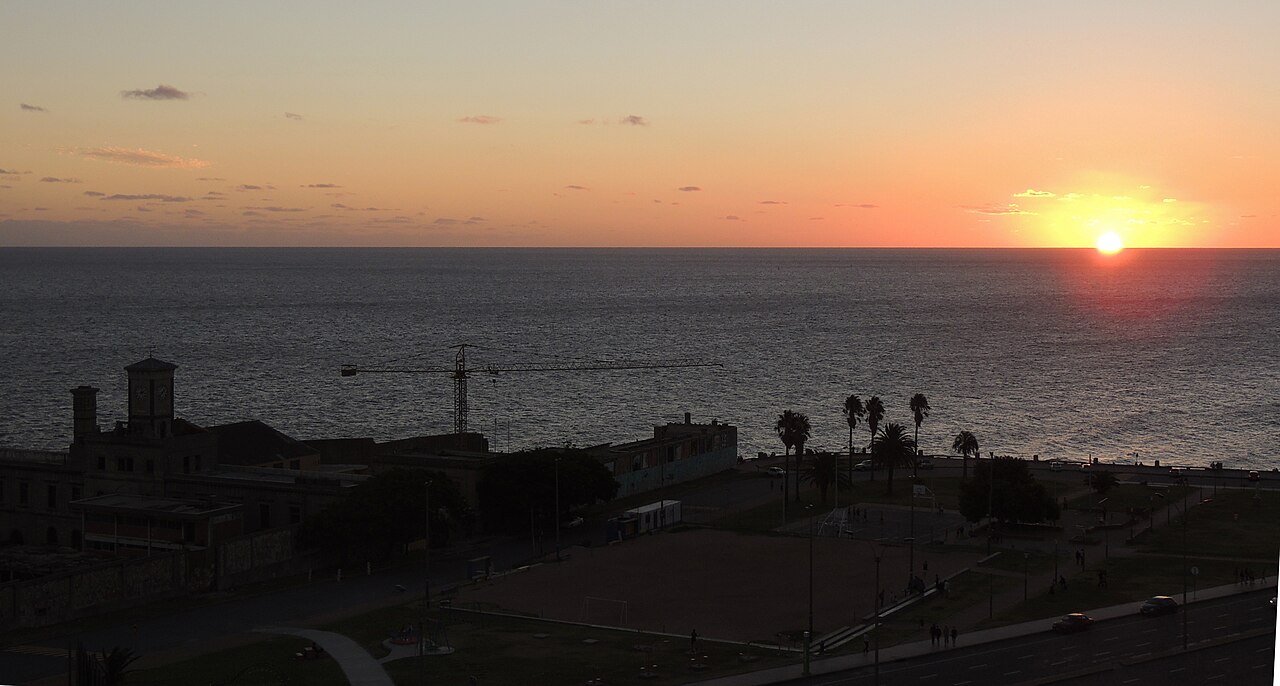
There is a moment on the Montevideo Rambla — thermos tucked under one arm, mate gourd warm in your hand, the sun dropping into the Río de la Plata — when you realize the whole city has stopped to watch. No entrance fee. No ticket queue. Just half a million people deciding, collectively, that the sky is the show tonight. That moment is Uruguay at full volume, and it costs nothing.
The best free things to do in Uruguay include walking the 22 km Montevideo Rambla, joining Sunday candombe drum rehearsals in Barrio Sur, exploring Ciudad Vieja’s colonial streets and free state museums, swimming any of the country’s 660 km of constitutionally protected public beaches, and whale-watching from shore between July and October. Away from the capital you can hike Quebrada de los Cuervos, wander Punta del Este’s La Mano sculpture and port sea lions, and attend the annual Día del Patrimonio heritage weekend in October when hundreds of buildings open their doors for free.
Let’s be honest upfront: Uruguay is the most expensive country in South America. That is not a rumor — it is the reality that makes this article genuinely useful rather than just another “travel on a shoestring” listicle. Prices here run closer to southern Europe than to Bolivia. A sit-down dinner for two can clear US$60. January on the coast feels like someone turned the pricing dial to Miami. But the free and cheap layer of this country is wide, deep, and — once you know where to look — surprisingly easy to access. The locals navigate it every day. You can too. For all our top things to do in Uruguay, the budget-friendly options punch above their weight.
| Activity | Where | Cost | Best season |
|---|---|---|---|
| Walk the Rambla | Montevideo | Free | Year-round; golden hour any month |
| Candombe drum rehearsals | Barrio Sur & Palermo, Montevideo | Free | Year-round, Sundays |
| Ciudad Vieja architecture walk | Montevideo | Free | Year-round |
| Tristán Narvaja flea market | Centro, Montevideo | Free to browse | Every Sunday |
| Mercado del Puerto atmosphere | Ciudad Vieja, Montevideo | Free entry | Sat–Sun lunchtimes |
| State museums (most) | Montevideo | Free–UYU 50 (≈US$1) | Year-round |
| Beach swimming | Entire coast (660 km) | Free | Dec–Mar |
| Whale-watching from shore | La Paloma, Cabo Polonio | Free | Jul–Oct |
| La Mano sculpture & port sea lions | Punta del Este | Free | Year-round |
| Arboretum Lussich walk | Punta Ballena, near Punta del Este | Free | Year-round |
| Rocha birdwatching (lagoons) | Rocha department | Free | Spring–autumn |
| Quebrada de los Cuervos hike | Treinta y Tres | Small fee (≈UYU 100) | Mar–Nov |
| Día del Patrimonio | Nationwide | Free | October (two-day weekend) |
| Carnival tablados via Abitab | Montevideo | UYU 150–400 (≈US$3–9) | Jan–Feb |
| Menú del día lunch | Nationwide | UYU 400–600 (≈US$9–14) | Weekday lunchtimes |
| Camping at Santa Teresa | Rocha | From ≈UYU 300/night | Nov–Mar (book ahead Jan) |
| Intercity bus travel | Tres Cruces terminal, Montevideo | UYU 250–800 (≈US$6–18) | Year-round |
Free things to do in Montevideo
Start here, because Montevideo is where Uruguay’s free culture is densest and most varied. The capital tends to surprise people who expect a smaller Buenos Aires — it is quieter, rougher-edged, and considerably more liveable. Spend two full days doing nothing that costs money and you will leave with a better sense of the place than most short-stay tourists ever get.
Walk the Rambla from end to end (or just your favorite stretch)
The Rambla is the 22 km waterfront promenade that strings together Montevideo’s neighborhoods from Ciudad Vieja in the west to the suburb of Carrasco in the east. Locals claim it’s the longest continuous sidewalk in the world; nobody has been particularly motivated to disprove them. At dusk it becomes the city’s living room: joggers, teenagers with bluetooth speakers, retired couples arguing cheerfully, and above all mate drinkers with their thermoses wedged under one arm and their gourds traveling a slow circle. You don’t need to walk the whole thing — a 4 km stretch between Pocitos and Punta Carretas rewards an evening without asking anything of your feet. Buy a corn-flour torta frita from a cart on the wall for around UYU 40 (roughly US$1) and join the audience for whatever the sky is doing. Montevideo saved its best real estate for everyone.
The Ciudad Vieja architecture walk
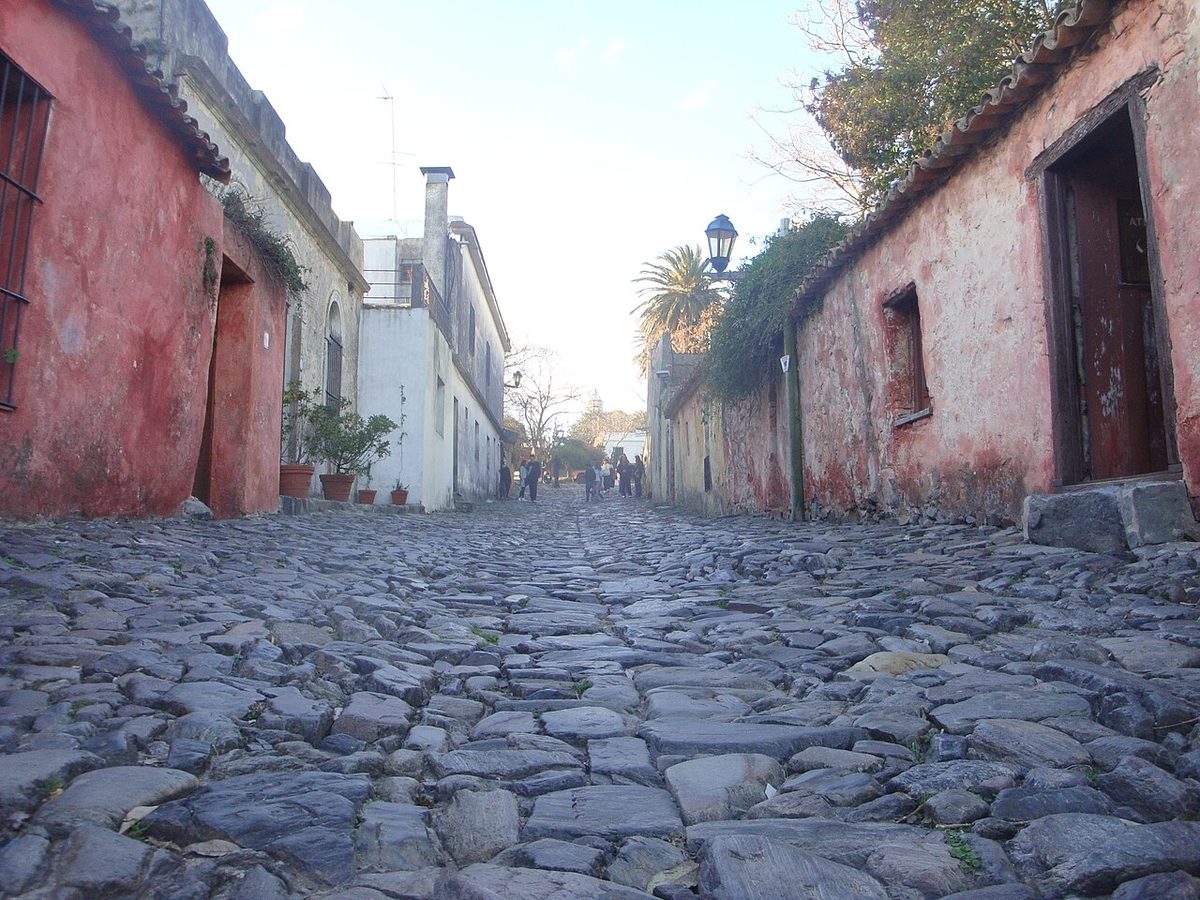
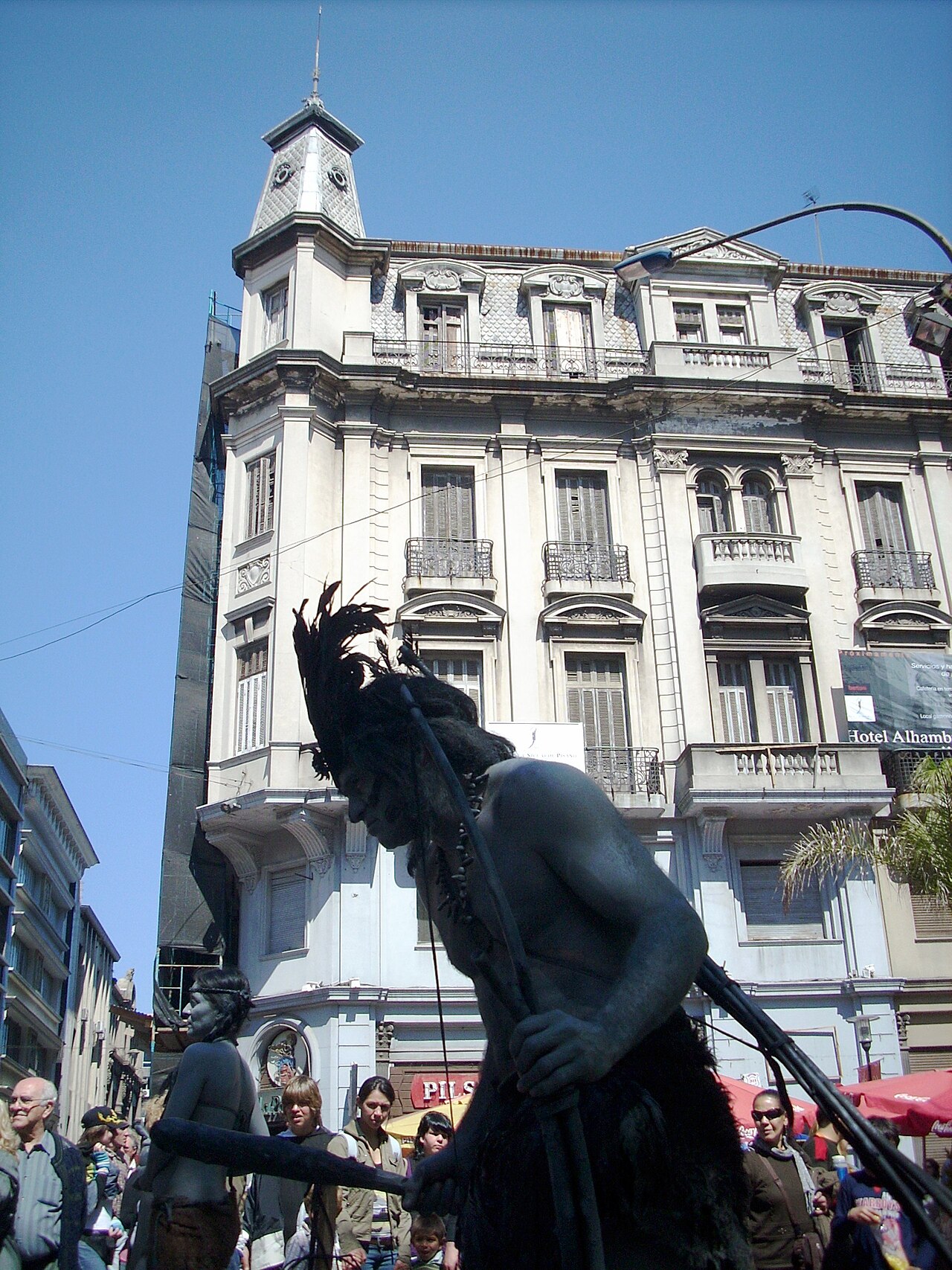
Nowhere in Montevideo is free-walking more rewarding than the old city. Begin at Plaza Independencia, where the 1928 Palacio Salvo towers over José Artigas’s mausoleum — both free to stand in front of, and the mausoleum is free to enter. Walk west down pedestrian Sarandí past art deco facades, secondhand bookshops, and artisan stalls. The whole grid of Ciudad Vieja is compact enough to cover in two hours without hurrying, but Thursday evenings are worth planning around: galleries stay open late with doors propped and lights blazing, costing nothing to browse. The honest caveat is that a few quiet side streets after dark deserve the same alert attention you would give any unfamiliar city neighborhood — daytime is relaxed and weekends are busy with visitors.
The Mercado del Puerto: atmosphere is free, steak is not
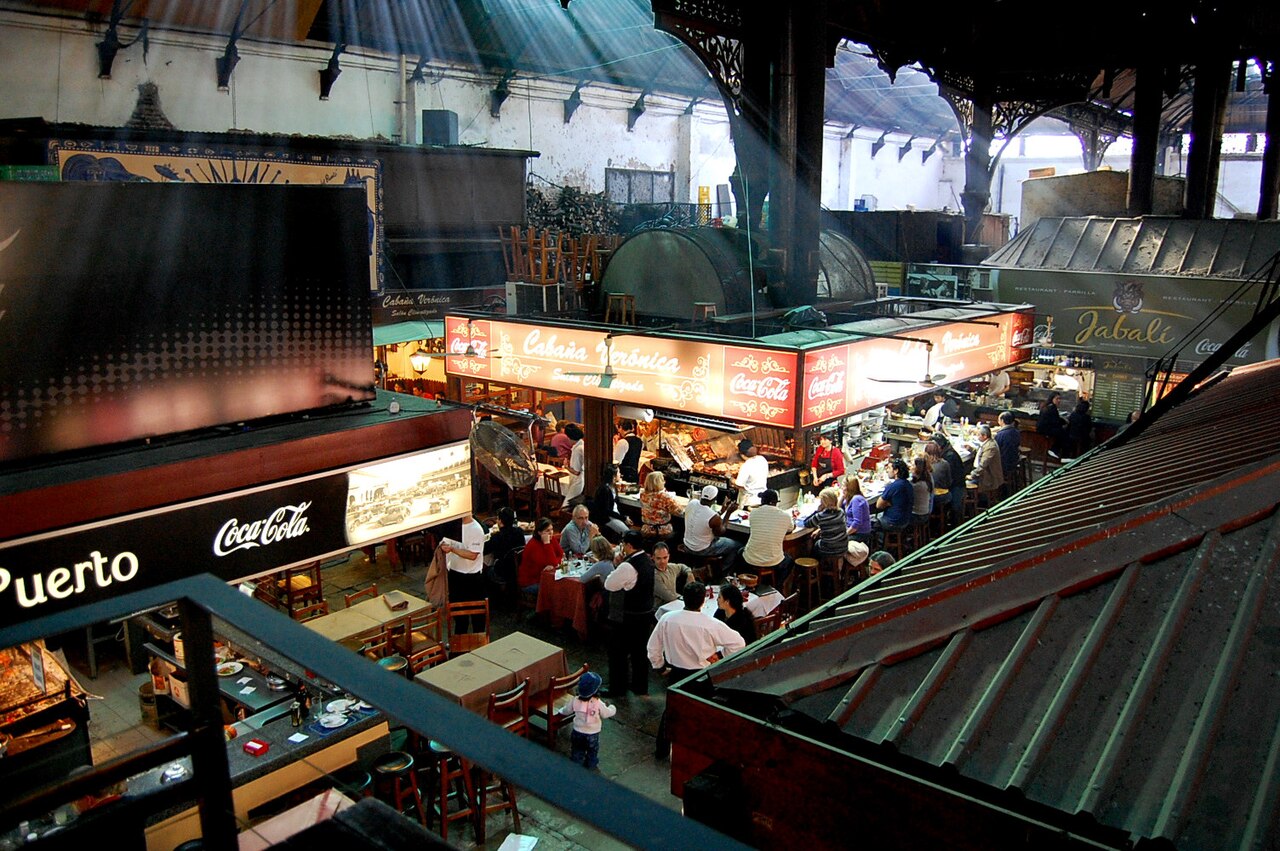
Montevideo’s 19th-century iron market hall near the waterfront costs nothing to enter. On Saturday and Sunday lunchtimes, parrilleros fire up asados the size of small vehicles and smoke pours through the building like theater fog. Watching a grillmaster work over wood embers, slabs of asado de tira (short ribs) arranged with the seriousness of a surgical procedure, is one of the best free shows in Uruguay. You are not obligated to buy anything. That said, the market’s parrillas charge tourist-facing prices; if you want to eat, the side streets around Bartolomé Mitre nearby have neighborhood parrillas at a fraction of the cost. The market’s atmosphere and ironwork are the draw. Enter, look up, breathe it in.
Sunday candombe rehearsals in Barrio Sur and Palermo
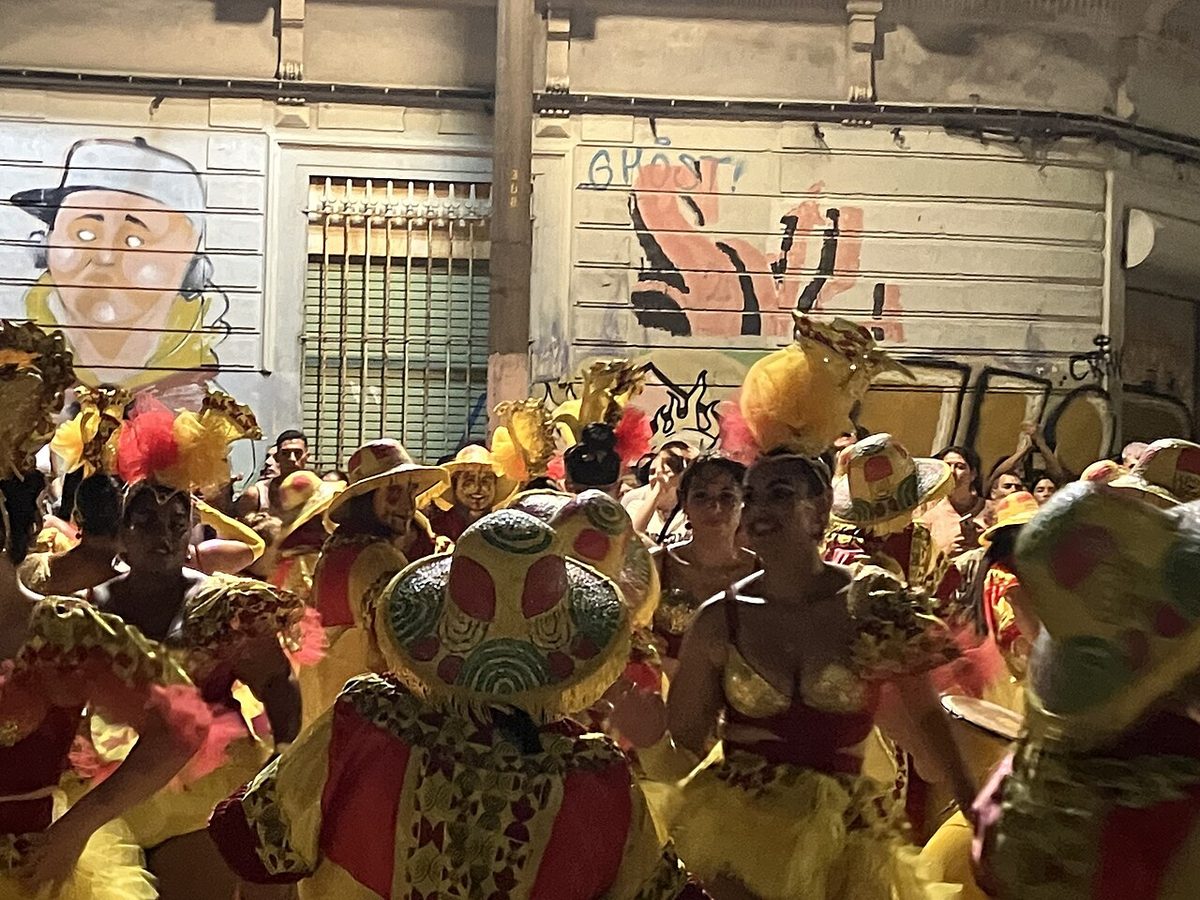
Candombe is the UNESCO-listed drum tradition carried to Uruguay by enslaved Africans and kept alive by their descendants for more than two centuries. Most Sunday afternoons, year-round, comparsas rehearse through the streets of Barrio Sur and Palermo: forty-plus drummers walking three abreast, the interlocking chico-repique-piano rhythms bouncing off housefronts loud enough to feel in your chest half a block before you see anything. This is not a tourist performance — neighbors trail behind with children and dogs, onlookers are welcome but not the point. Arrive around sunset near Isla de Flores street and follow your ears. Etiquette: walk behind or alongside the drummers, not through them; ask before close-up photos. Carnival in January and February brings the full llamadas processions with grandstands on Isla de Flores, which costs a small amount; the Sunday rehearsals are simply free street life. For more on Uruguay’s culture, candombe is the heartbeat you need to experience in person.
The Tristán Narvaja Sunday flea market
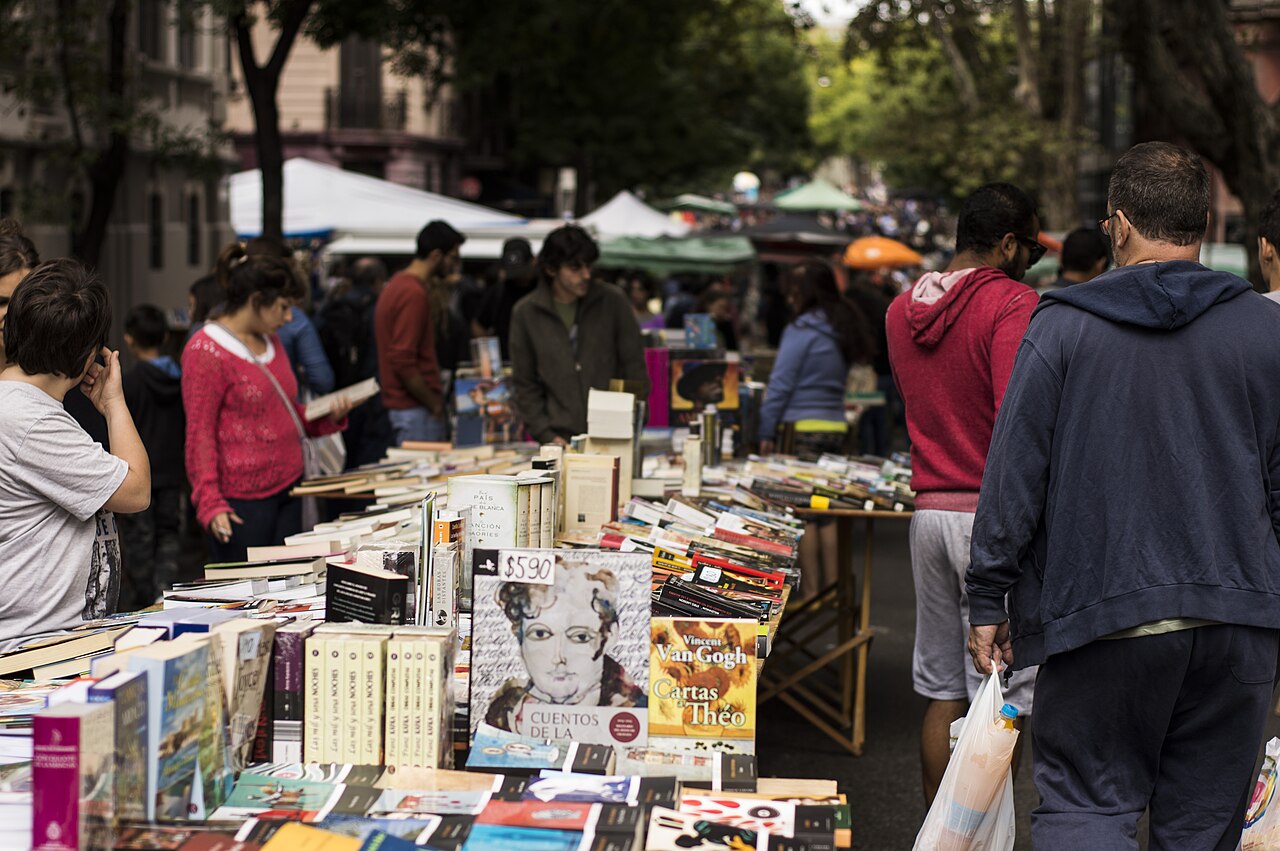
Running for over a century on Avenida Tristán Narvaja and the surrounding streets in Centro, this is the market that the city actually uses rather than performs for visitors. Books, vinyl records, antiques, live parrots occasionally, fresh produce, secondhand mate gourds, furniture heaved out of grandmothers’ houses — all of it spreading across several blocks every Sunday from roughly 8 am to 2 pm. It is free to browse and free to wander. Arrive before 9 am if you want first crack at the used bookstalls; the best antique dealers disappear early. Bring cash, bring a bag, and budget extra time because you will not leave on schedule.
Free and almost-free museums
Most state museums in Montevideo charge little or nothing. The Museo Nacional de Artes Visuales in Parque Rodó is free every day and holds the most significant collection of Uruguayan fine art you will find anywhere — Torres García’s constructivist work alone justifies a visit, and the crowds are thin enough to stand inches from the paintings. The Museo del Gaucho y de la Moneda on Avenida 18 de Julio is housed in a magnificent 1885 mansion and costs nothing; it covers gaucho silverwork, boleadoras, traditional dress, and an unexpected coin collection. The Museo Andes 1972 in Ciudad Vieja tells the story of Uruguayan Air Force Flight 571 with recovered objects and the survivors’ own voices; this one charges around US$10 and is worth every cent — give it an hour and leave changed. One important note: the Día del Patrimonio (Heritage Weekend) in October opens hundreds of normally closed or fee-charging buildings across the entire country for free over one weekend. If your dates align, it is unmissable.
Free outdoor life: Parque Rodó and Cerro de Montevideo
Parque Rodó on the waterfront hosts free Teatro de Verano concerts all summer, paddleboats on the lake for a few dollars, and the kind of weekend-afternoon family scene that makes you understand why Montevideans consider their city liveable above all else. Cerro de Montevideo, the hill that may have given the city its name, rises on the western bay and is free to climb — the 20-minute walk through Parque Estatal del Cerro ends at a 19th-century fortress from which the whole city grid snaps into perspective, port cranes and river and low rooftops all at once. Both are accessible by bus from the center.
Free things to do on the coast
Uruguay’s constitution protects all 660 km of coastline as public property. No hotel, no resort, and no oligarch can privatize the beach in front of their building. Every meter of sand from Colonia around to the Brazilian border is yours, legally and completely, at no charge. That is not a small thing — it is the reason Uruguay’s coast still feels like a coast and not a real-estate portfolio.
Swim, walk, or just sit on any beach
Urban beaches in Montevideo — Playa Pocitos, Playa Ramírez, Playa Malvín — are swimmable from December through March and easily reached by bus. East of the capital, the best beaches in Uruguay keep appearing for hours along Ruta Interbalnearia: family coves at Piriápolis, the famous Playa Brava and Playa Mansa split personality of Punta del Este, and then the wilder Rocha department where beach towns give way to empty dunes that have no name and no car park and no one on them at all. The beach chairs and parasols at paradas cost money. The sand and water do not.
La Mano and the port sea lions at Punta del Este
Chilean sculptor Mario Irarrázabal’s five concrete fingers emerging from Playa Brava sand is free to visit any hour, every day. At Parada 1 on the Brava side, ten minutes on foot from the bus terminal — no ticket, no queue before January. The port area on the Mansa side hosts a resident colony of sea lions on the breakwater rocks, and watching them argue, flop, and occasionally cannonball into the water is free entertainment that beats most paid attractions in the city. Neither requires your wallet. Both are reasons alone to stop in Punta del Este rather than simply passing through.
Arboretum Lussich near Punta Ballena
A few kilometers from Casapueblo, this 140-hectare forest planted between 1906 and 1920 by Uruguayan naturalist Antonio Lussich contains around 2,000 species of trees — Canary palms, eucalyptus, Uruguayan native species, and subtropical specimens that feel improbable in the South Atlantic wind. The walking trails are free and shaded, a welcome contrast to the open coast. It is the kind of place that rewards going slowly with no agenda. On a hot January afternoon, this forest is one of the best free hours near Punta del Este.
Whale-watching from shore (July to October)
Between July and October, southern right whales migrate along Uruguay’s Atlantic coast and come close enough to shore to watch from the beach without binoculars. The best spots are around La Paloma, Cabo Polonio, and Punta del Diablo in Rocha — no boat required, no tour, no entrance gate. You simply stand on the sand and watch whales breach. This is one of the most underrated free experiences in South America and is almost never mentioned on comparable lists. Timing note: peak sightings tend to fall in August and September, though the season extends in both directions. Combine it with a visit to the Rocha lagoons for birdwatching — flamingos, spoonbills, and black-necked swans work the shallows year-round at no charge.
Casapueblo grounds and the sunset ceremony (approach free)
Carlos Páez Vilaró’s whitewashed sculpted villa at Punta Ballena is worth discussing honestly on the cost question. Museum entry runs around US$12. But the access road and the lower terraces around the port area can be walked and photographed for free, and the surrounding cliff views are magnificent at any angle. The paid museum and the famous Ceremonia del Sol — a recording of Vilaró’s poem farewell to the sun, played at dusk — are worth the admission if your budget allows it. If it doesn’t, the public foreshore and lookout points deliver most of the visual reward at no charge.
Free things to do in nature
Uruguay is not a country of towering national-park drama. There is no Patagonia here, no Galápagos. What it has instead is approachable, quiet, and genuinely beautiful in a way that doesn’t need superlatives — rolling cuchilla hills, subtropical valleys, coastal dunes, and wetlands full of birds that most visitors never discover because they don’t leave the coast. For a broader overview of Uruguay’s national parks, the range surprises most people.
Quebrada de los Cuervos, Treinta y Tres
Four hours by bus from Montevideo through cattle country that levels out in every direction, Quebrada de los Cuervos is the country’s most dramatic landscape: a subtropical valley slashed through the Serra dos Ajos where waterfalls, streams, and dense vegetation make the surrounding ranching plains feel like another continent. Free hiking trails run from easy riverside walks to rim-of-canyon climbs with views that genuinely stop you mid-stride. There is a small entrance fee — around UYU 100 (roughly US$2) last time I checked, but confirm ahead — which makes this essentially free. Long day trip from the capital, or combine with a night in the town of Treinta y Tres. It is the best-kept secret in Uruguayan nature tourism, which in this case means almost no foreign tourists and trails to yourself.
Rocha lagoons: birdwatching without a guide
The lagoon system behind Rocha’s Atlantic barrier beaches is one of South America’s most productive wetland birding areas. Laguna de Rocha and Laguna Garzón support flamingos, black-necked swans, various herons, roseate spoonbills, and hundreds of migratory shorebird species. No guide is required, no ticket exists. Pull over on the roadside near the lagoon shores and watch. Spring (October–November) and autumn (March–April) bring migratory species in volume; resident birds make it worth stopping year-round. The lesser-known corners of Uruguay include wetlands that rival far more famous South American destinations.
Hiking the sierras
Lavalleja and Maldonado departments hold Uruguay’s modest but genuine hill country — the Cuchilla Grande and the Sierra de Carapé, with wooded slopes, granite outcrops, and trails that see almost no foreign visitors. Cerro Catedral near Minas is the country’s highest point at 514 meters (yes, genuinely the highest) and is accessible without a guide or fee. The walks are not technical but they are peaceful and surprisingly varied. Minas itself is worth an overnight for its colonial main plaza and the Salus mineral water plant that Uruguayans treat as a source of genuine national pride.
The approach to Cabo Polonio on foot
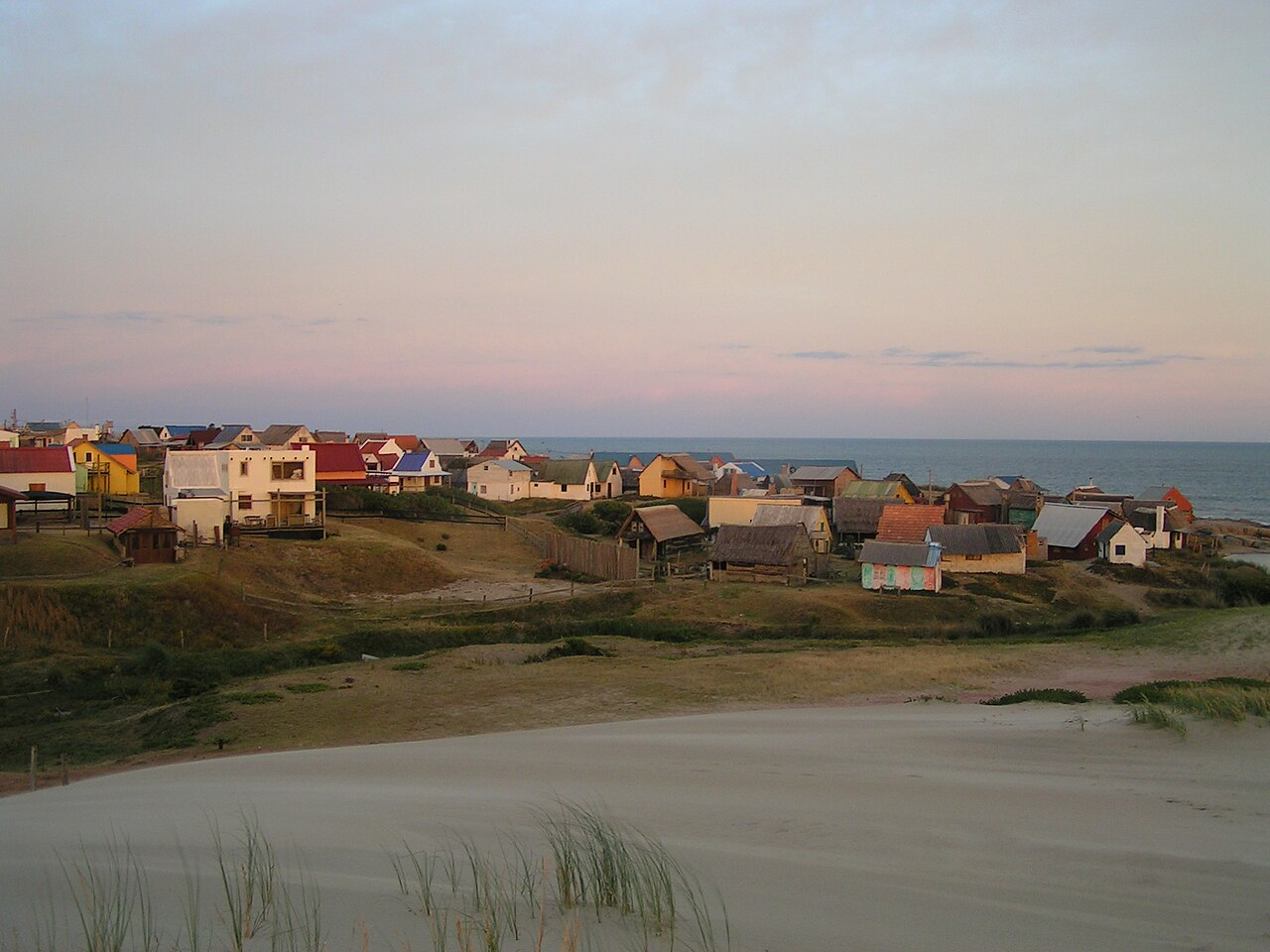
The official 4×4 truck service from Route 10 to this off-grid Atlantic hamlet costs around US$10–12 return — excellent value. But the 10 km walk through the coastal dune system is entirely free and, many visitors report, the better experience. The dunes near Cabo Polonio are Uruguay’s largest, shifting underfoot, cresting and dropping with the Atlantic visible on one side and inland lagoons on the other. Three hours of walking through a landscape with no fences, no buildings, and nothing audible except wind and surf. Time your arrival for lunch, and take the truck out. Bring considerably more water than you think you will need — the sand is warm, the shade nonexistent.
Cheap eats and getting around
Food and transport are where Uruguay’s budget story gets genuinely encouraging. Outside peak January, you can eat well and move freely on amounts that would barely cover a coffee in some European cities.
The menú del día: Uruguay’s best-kept lunch secret
The menú del día (menu of the day) is the set lunch served at most traditional restaurants from roughly noon to 3 pm on weekdays. For a fixed price — typically UYU 400–600 (around US$9–14) — you get a starter (often soup or a small salad), a main course with a side, sometimes a dessert, and often a glass of house wine. This is how office workers, builders, and anyone with sense eats lunch in Uruguay. It is not the tourist menu. Ask for it specifically; not all places display it in English, and some will happily let you order à la carte at twice the cost without mentioning the set lunch exists. The chivito — Uruguay’s national sandwich of steak, ham, bacon, cheese, egg, and everything else — runs around UYU 450–700 (US$10–15) at a neighborhood lunch counter and is one of the best-value meals on the continent for what arrives on the plate.
Intercity buses: the honest transport option
Uruguay’s long-distance bus network is cheap, reliable, and covers the entire country from Tres Cruces terminal in Montevideo. Montevideo to Punta del Este runs around UYU 300–450 (US$7–10). To Rocha or La Paloma, allow UYU 400–550 (US$9–12). Colonia del Sacramento costs UYU 450–600 (US$10–14) and takes under two hours. COT, Turil, and Cynsa are the main operators. Buses leave on schedule, have reclining seats, and on longer routes serve coffee. There is genuinely no reason to rent a car until you want to explore the Rocha back roads or the interior — and even then, the bus will do most of the work.
Carnival tablados via Abitab
Montevideo’s Carnival (January–February) is the world’s longest, and the street-level version is largely free — candombe processions and murga rehearsals spill through neighborhoods at no charge. The tablados, the neighborhood outdoor stages where theatrical murga choirs perform their satirical revues, charge entry through Abitab payment centers: expect UYU 150–400 (US$3–9) depending on the stage and night, with some community tablados at the lower end of that range. This is not merely the budget option — it is the authentic one. Locals attend tablados rather than the expensive Teatro de Verano competition. Go at least once.
Mate: the cheapest social ritual in South America
A basic mate gourd and bombilla (the metal straw) from a Montevideo supermarket costs UYU 150–250 (US$3–5). A 500g bag of yerba mate runs around UYU 90 (US$2). That initial outlay buys you days of Uruguay’s national ritual — a bitter herbal infusion shared in a circle, one person pouring and passing, everyone finishing the gourd before returning it. Carrying your own mate setup opens conversations with locals faster than anything else you can do. Strangers on the Rambla will wave you over to share a round. You stop being a tourist and start being, at minimum, a sympathetic foreign visitor. The hot water refills from your thermos. It costs almost nothing ongoing. It is also the closest you will get, in a single object, to understanding how Uruguayan social life actually works.
Camping at Santa Teresa
Santa Teresa National Park in northern Rocha is an army-administered park wrapping a restored 18th-century Portuguese fortress in 3,000 hectares of eucalyptus, dunes, and near-empty Atlantic surf beaches. The campsite costs from around UYU 300–500 per night (roughly US$7–12) and supports 1,000+ pitches, capybaras grazing between tents at dusk, a greenhouse, a bird park, and the kind of beach — Playa Grande — that you will find yourself trying to describe to people who weren’t there. Day visitors can enter for a nominal fee. Book January weekends well ahead; the rest of the year it is relaxed. Bring mosquito repellent and a sense of perspective about what a night on a beach costs anywhere else you might consider.
Money-saving tips (including the VAT discount you need to know about)
Uruguay being the most expensive country in South America does not mean you cannot travel it cleverly. Several structural advantages exist that most visitors never activate.
The tourist VAT discount on foreign cards
This is the single most important financial tip in this entire article. Uruguay automatically refunds part of the VAT (Impuesto al Valor Agregado, or IVA) on many purchases when you pay with a foreign debit or credit card. At restaurants, the discount has historically been around 9–13% off the bill — applied automatically at the point of sale, no form required, no asking needed. It varies by establishment and has been subject to government adjustments, so the exact percentage may have changed from last I checked, but the principle remains: paying with your foreign card at restaurants is consistently cheaper than paying cash in Uruguay. Confirm current terms with your accommodation or a local tourism office on arrival. This discount alone can meaningfully reduce your daily food spend.
Travel in shoulder season
January is the Uruguay everyone sees in photos and everyone pays for. Argentine and Brazilian visitors fill the coast, accommodation triples in price, and Punta del Este becomes something between a fashion week and a traffic jam. November through early December and March deliver essentially the same weather, the same beaches, and prices that can be 40–60% lower. July to October adds whale-watching and cheap coastal towns where restaurants and hostels are genuinely happy to see you. For the best time to visit Uruguay, the shoulder-season case is overwhelming on any budget.
The Día del Patrimonio (October)
Uruguay’s national heritage weekend — held on the second weekend of October — opens hundreds of buildings that are normally closed, ticketed, or private: historic estancias, government palaces, industrial heritage sites, private archives, military fortresses. Admission across the board: free. It is one of the most underrated travel weekends in South America for anyone interested in architecture, history, or simply seeing parts of Uruguay that are not open any other time. Check the annual program on the Ministry of Education and Culture website as dates approach.
Buy food at the feria, not the supermarket
Every Montevideo neighborhood has a weekly feria (outdoor market) selling fresh produce, bread, cheese, and prepared foods at prices significantly below supermarket rates. The Tristán Narvaja Sunday market is the most famous, but smaller neighborhood ferias run weekdays and Saturdays across the city. Buying fruit, bread, and cheese for a lunch on the Rambla costs a fraction of a café meal and frankly tastes better. In beach towns, local almacenes (corner stores) stock the basics; the tourist-facing food stands nearest the sand add a significant markup.
Use overnight buses for long distances
The bus from Montevideo to Salto in the northwest takes around 6–7 hours and runs overnight. The cost is around UYU 600–900 (US$14–20). Sleeping on the bus saves a night’s accommodation, arrives you in a new place in the morning, and the buses are comfortable enough to manage it. Uruguayan long-distance coaches recline deeply, are climate-controlled, and leave on schedule. For a country this size, the bus covers it thoroughly.
Seek out free summer milongas and outdoor concerts
From December through March, Montevideo’s cultural calendar puts free outdoor events into public spaces with surprising regularity. The Teatro de Verano in Parque Rodó hosts free performances during the summer season (check programming ahead as schedules vary year to year). Free milongas — tango social dances — appear in Ciudad Vieja plazas on weekend evenings; La Cumparsita, the most famous tango ever written, was composed in Montevideo in 1917 and the city’s tango tradition predates Buenos Aires’s international marketing of the form. Check local listings through the Montevideo Intendencia website. None of this costs money; all of it is genuine cultural life, not a tourist program. For a deeper look at Uruguayan culture, the free summer calendar is where the city shows itself most honestly.
General tips
A few practical notes worth keeping: carry some cash in UYU outside Montevideo, where card machines thin out. ATMs in the capital are plentiful; in Cabo Polonio or small inland towns, they do not exist — withdraw before you go. The Montevideo card available from the tourist office (Ejido 1885) is free and provides discounts at some museums and businesses. Uruguay has a zero blood-alcohol limit for drivers, which is rigorously enforced; if you rent a car, plan accordingly. And finally, confirming prices and free-entry days before building a day around them is always wise — Uruguay’s cultural and transport pricing changes with government policy, and the web’s information lags accordingly.
Free things to do in Uruguay: your questions answered
Is there much to do in Uruguay for free?
More than most people expect, especially given how expensive the country is overall. The Rambla, all beaches, candombe rehearsals, most state museums, the Ciudad Vieja walk, Tristán Narvaja market, the sea lions at Punta del Este’s port, Arboretum Lussich, whale-watching from shore, Rocha birdwatching, the Día del Patrimonio weekend, and free outdoor concerts throughout summer — that is a substantial list before you spend a peso. The country rewards knowing what is free versus what only feels like it should be.
What are cheap things to do in Uruguay besides free activities?
Uruguay budget activities that cost real but modest money include: the menú del día lunch (UYU 400–600, around US$9–14 with a drink), intercity buses (UYU 250–800 for most routes), carnival tablados (UYU 150–400), camping at Santa Teresa (from UYU 300/night), the mate kit setup (UYU 250 total), and day hikes in Quebrada de los Cuervos (UYU 100 entry). The tourist VAT refund on foreign cards at restaurants is a genuine money-saver that applies across the cheap and midrange eating spectrum.
Is Uruguay expensive compared to other South American countries?
Yes, frankly. It is consistently ranked the most expensive country in South America — closer in daily costs to Portugal or Spain than to Bolivia or Colombia. A sit-down dinner for two with wine easily reaches US$50–70. Accommodation in January on the coast can match European summer pricing. The offsets are meaningful — automatic VAT discounts on foreign cards, cheap buses, free beaches, free museums, and the fact that the quality of what you are getting is genuinely high — but entering the country expecting South American prices will lead to disappointment. Budget around US$50–70 per day backpacking and US$100–150 per day midrange outside January coastal peaks. For how those offsets add up on the road, our guide to backpacking Uruguay sets out a realistic daily budget.
When is the best time for free and cheap activities in Uruguay?
March is the answer most experienced visitors give: late-summer weather, swimmable ocean, the tail end of carnival, grape harvest at the wineries, and the departure of January’s price spike. November through early December is the mirror image — same logic, pre-Christmas timing. October brings the Día del Patrimonio heritage weekend, the best time to access normally closed buildings across the country for free. July to September is whale season on the Rocha coast and hot-springs season in the northwest, with coastal accommodation at its cheapest all year. For timing your trip on a budget, avoiding peak January is the single highest-leverage decision you can make.
Can you whale-watch for free in Uruguay?
Yes. Southern right whales migrate along Uruguay’s Atlantic coast from July to October, and at peak periods they come close enough to watch from the beach at La Paloma, Cabo Polonio, and Punta del Diablo without binoculars, guide, or entrance fee. Boat tours exist and offer closer views, but the shore-watching experience is genuine and costs nothing. August and September tend to bring the best sightings, though the full season extends from late June through October. This is one of the most underreported free experiences in Uruguay and one of the best reasons to visit outside summer.
What is the VAT discount for tourists in Uruguay?
Uruguay refunds a portion of IVA (VAT) automatically when you pay at participating restaurants and businesses with a foreign debit or credit card. No form required, no registration, no asking — the discount appears on the receipt. The exact percentage has varied between roughly 9 and 13% over recent years and is subject to change by government policy, so verify the current rate on arrival. Paying by foreign card at restaurants is consistently cheaper than paying cash, which is the opposite of the usual travel assumption. For budget travelers eating out regularly, this adds up meaningfully across a trip.
Final thoughts
Uruguay quietly does something unusual for an expensive country: it keeps its best experiences accessible. The beaches are public by law. The drums are a living neighborhood practice, not a staged show. The Rambla belongs to whoever turns up. The state museums are mostly free. The buses are reliable and cheap. And somewhere around the second or third day, when someone on the Rambla waves you over to share a mate round you didn’t ask for, the expense question stops being the point. You can travel Uruguay on a tight budget and come back with the same stories as someone who spent three times as much. The free layer of this country is thick, well-distributed, and genuinely excellent — which, given how much everything else costs, is one of the better-kept secrets about the place. For a full picture of whether Uruguay is worth visiting, start with what it gives you for nothing.
For practical Uruguay travel tips covering visas, health, money and transport, our dedicated guide runs through everything you need to plan the logistics. And for a broader look at the best places to visit in Uruguay across all budgets, the full country picture puts the free and cheap options in useful context.
Credits & sources
Sources & further reading
- Uruguay Ministry of Tourism (turismo.gub.uy) — official destination information, events calendar, and free-entry museum listings
- IMPO Uruguay — Uruguayan legal code, including the constitutional provisions on public beach access
- UNESCO: Historic Quarter of Colonia del Sacramento — World Heritage listing and description
- UNESCO: Candombe and its socio-cultural space — intangible heritage listing for Uruguay’s drum tradition
Photo credits
Rambla sunset by Ezarate (CC BY-SA 4.0, Wikimedia Commons); Candombe Llamadas by jikatu (CC BY-SA 2.0, Wikimedia Commons); Mercado del Puerto by Eduardo R. (CC BY-SA 3.0, Wikimedia Commons); Tristán Narvaja books by Flickr user (CC BY 2.0, Wikimedia Commons); Punta del Diablo sunset by Flickr user (CC BY-SA 2.0, Wikimedia Commons); Sarandí street by Flickr user (CC BY-SA 3.0, Wikimedia Commons).