20 Best Places to Visit in Uruguay (2026)

The first time I drove Route 10 east from Punta del Este, the road turned to ripio — unpaved gravel — and I nearly turned back. I didn’t. Three hours later I was watching sea lions bark under a lighthouse with no electricity, having eaten the best grilled fish of my life for pocket change. That one decision taught me the essential Uruguay lesson: the places worth going to usually require a little more effort than the map suggests.
The best places to visit in Uruguay are Montevideo, Colonia del Sacramento, Punta del Este, José Ignacio, Cabo Polonio, Punta del Diablo, La Paloma, La Pedrera, Piriápolis, Carmelo, the wine country around Canelones and Carmelo, the estancia country of Cerro Colorado, Tacuarembó, the hot springs near Salto and Daymán, and the wild interior valleys of Quebrada de los Cuervos and Valle del Lunarejo — twenty destinations ranging from South America’s most glamorous resort to a roadless village lit by candles and stars.
This guide is about where to go — the places themselves, what makes each one worth the detour, the honest caveats, and how long to give each. It’s built for first-timers planning a fortnight and for repeat visitors who’ve done Montevideo and Punta and are ready to push further. If you want to know what to do once you get there, the full Uruguay things to do guide covers all of that in depth.
| Place | Region | Best for | Nights |
|---|---|---|---|
| Montevideo | Capital / SW | Culture, food, architecture | 2–3 |
| Colonia del Sacramento | Southwest | History, sunsets, slow walks | 1–2 |
| Carmelo | Southwest | Wine, river calm, bikes | 1–2 |
| Piriápolis | Southern coast | Old-school resort, chairlift | 1–2 |
| Punta del Este | Southern coast | Glamour beaches, dining | 2–4 |
| José Ignacio | Southern coast | Barefoot luxury, lighthouse | 1–3 |
| La Paloma | Rocha coast | Surf, whales, lighthouse | 2–3 |
| La Pedrera | Rocha coast | Clifftop views, shipwreck | 1–2 |
| Cabo Polonio | Rocha coast | Off-grid, sea lions, stars | 1–2 |
| Punta del Diablo | Rocha coast | Fishing village, surf | 2–3 |
| Santa Teresa NP | Rocha / north | Camping, fortress, beach | 2–3 |
| Canelones wine country | Interior / near Mvd | Tannat, bodega lunches | 1 |
| Bodega Garzón area | Maldonado interior | World-class wine estate | 1 |
| Cerro Colorado / estancias | Interior | Gaucho culture, horseback | 1–2 |
| Tacuarembó | North interior | Gaucho festival, local life | 1–2 |
| Valle del Lunarejo | North interior | Subtropical gorge, birdlife | 1–2 |
| Quebrada de los Cuervos | Treinta y Tres | Wildlife canyon, hiking | 1 |
| Termas del Daymán | Northwest | Hot springs, river town | 1–2 |
| Salto | Northwest | River city, thermal loop | 1 |
| Fray Bentos | West | UNESCO frigorífico, history | 1 |
The cities and southwest: where most journeys begin
1. Montevideo
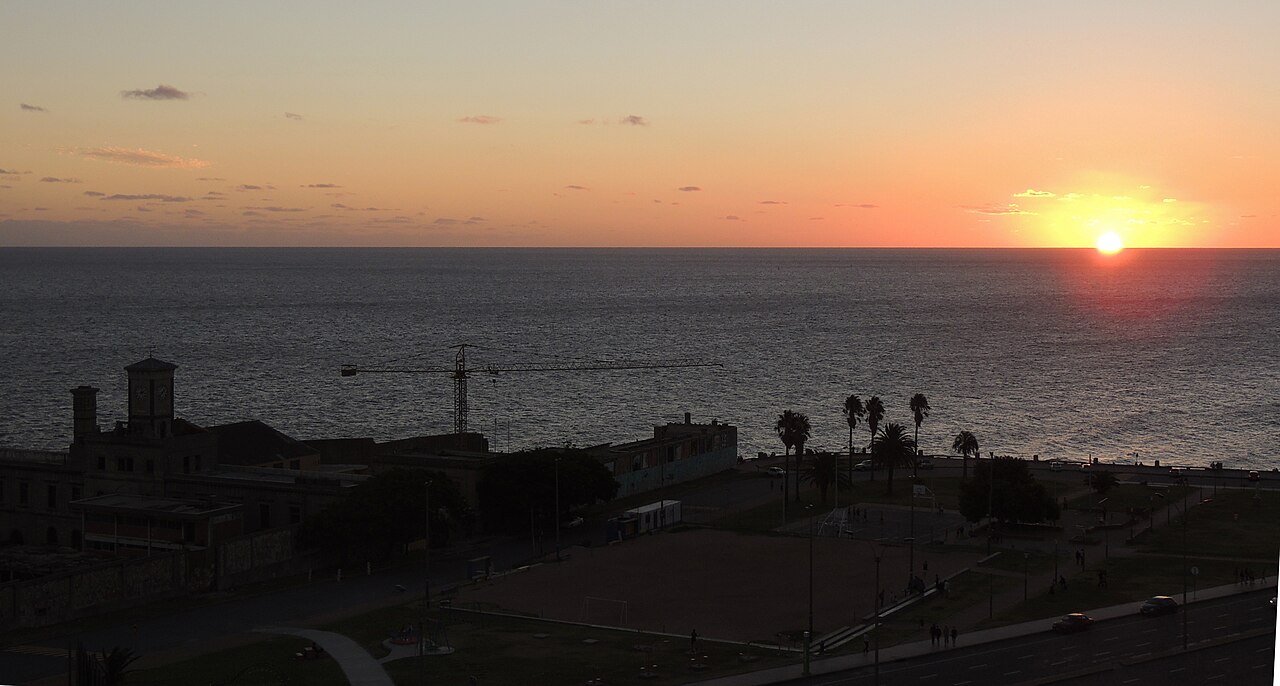
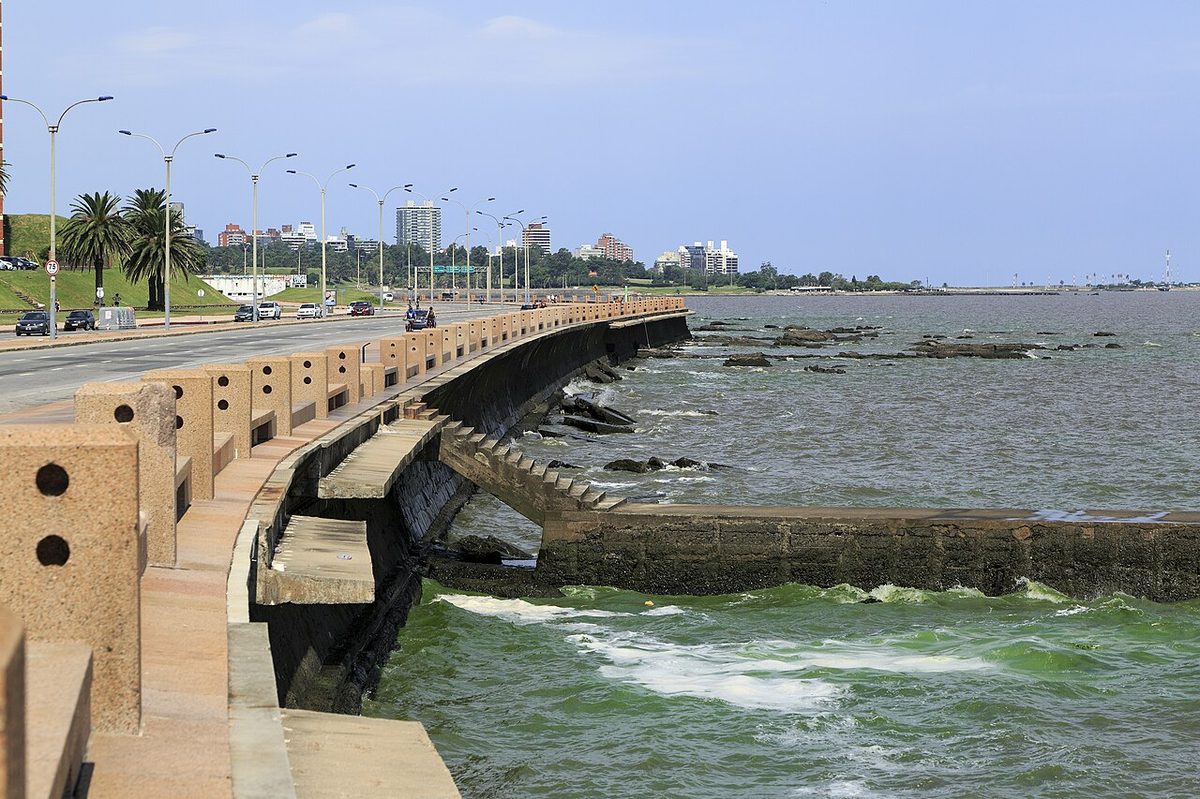
Almost every trip to Uruguay starts here, and rightly so: Montevideo is where the country makes the most sense. The capital holds just under half the population in a compact city that you can navigate on foot between neighborhoods — Ciudad Vieja’s colonial bones, Palermo’s parrillas and murales, Pocitos’ gleaming apartment blocks above the beach, Carrasco’s tree-lined streets and Art Deco villas. The rambla — the waterfront promenade — runs for 22 kilometers along the Río de la Plata, and at golden hour half the city is on it, thermos wedged under one arm, mate gourd in hand. Join them.
What Montevideo does better than anywhere else in Uruguay: feed you. Mercado del Puerto at lunch, where a dozen parrillas — wood-fire grills — cook short ribs and sweetbreads over embers; the Tristán Narvaja flea market on Saturday mornings; candombe drums rolling through Barrio Sur on Sunday evenings. Give it at least two full days, and consider three if you want to catch a show at the Teatro Solís or an afternoon in the Museo del Carnaval. The honest caveat: the port area and some Ciudad Vieja side streets go quiet and less comfortable after dark — take taxis at night rather than walking unfamiliar blocks.
Why go: The capital is the country’s cultural, culinary and historical engine — skip it and Uruguay never quite coheres.
One caveat: First impressions of the bus terminal district are rough; give the rambla neighborhoods a day before judging.
Ideal visit: 2–3 nights, year-round — summer or winter, Montevideo always has something on.
2. Colonia del Sacramento
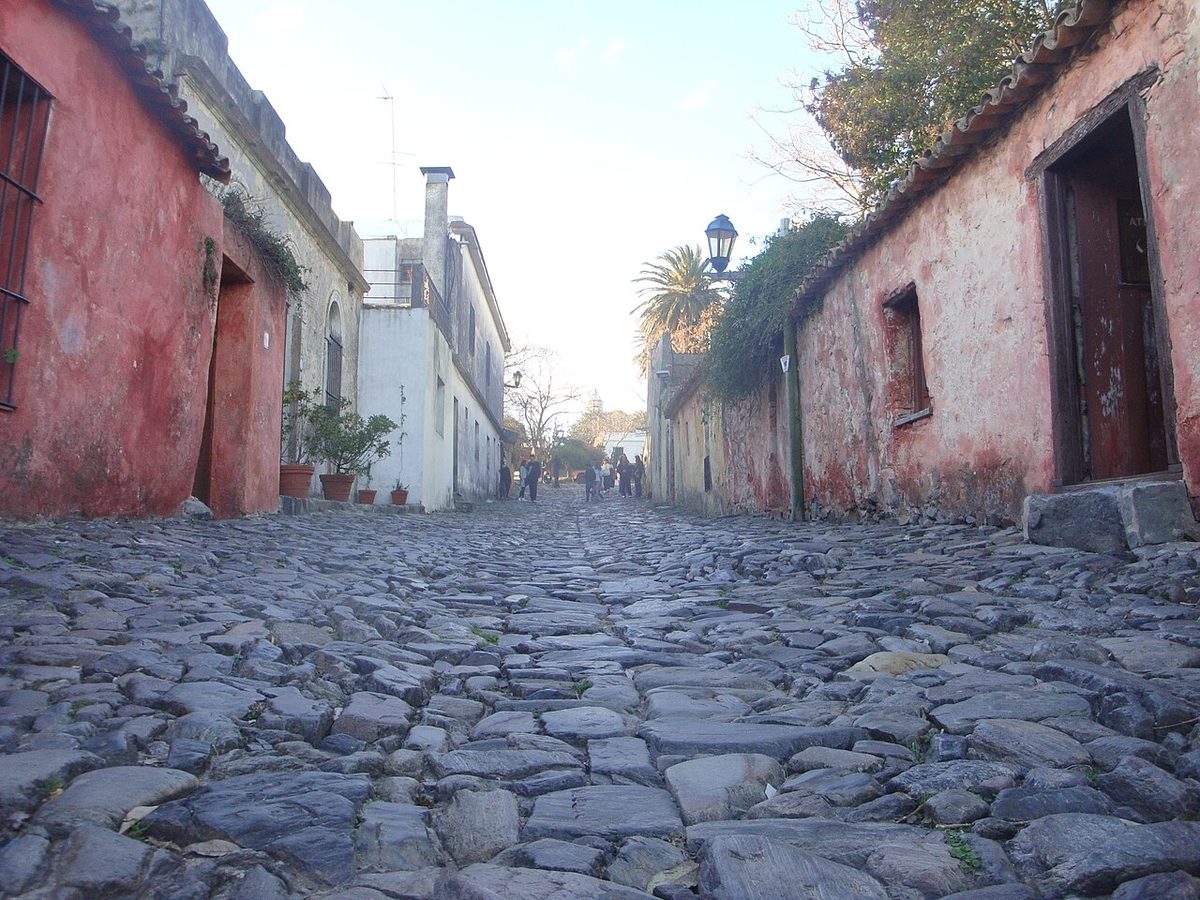
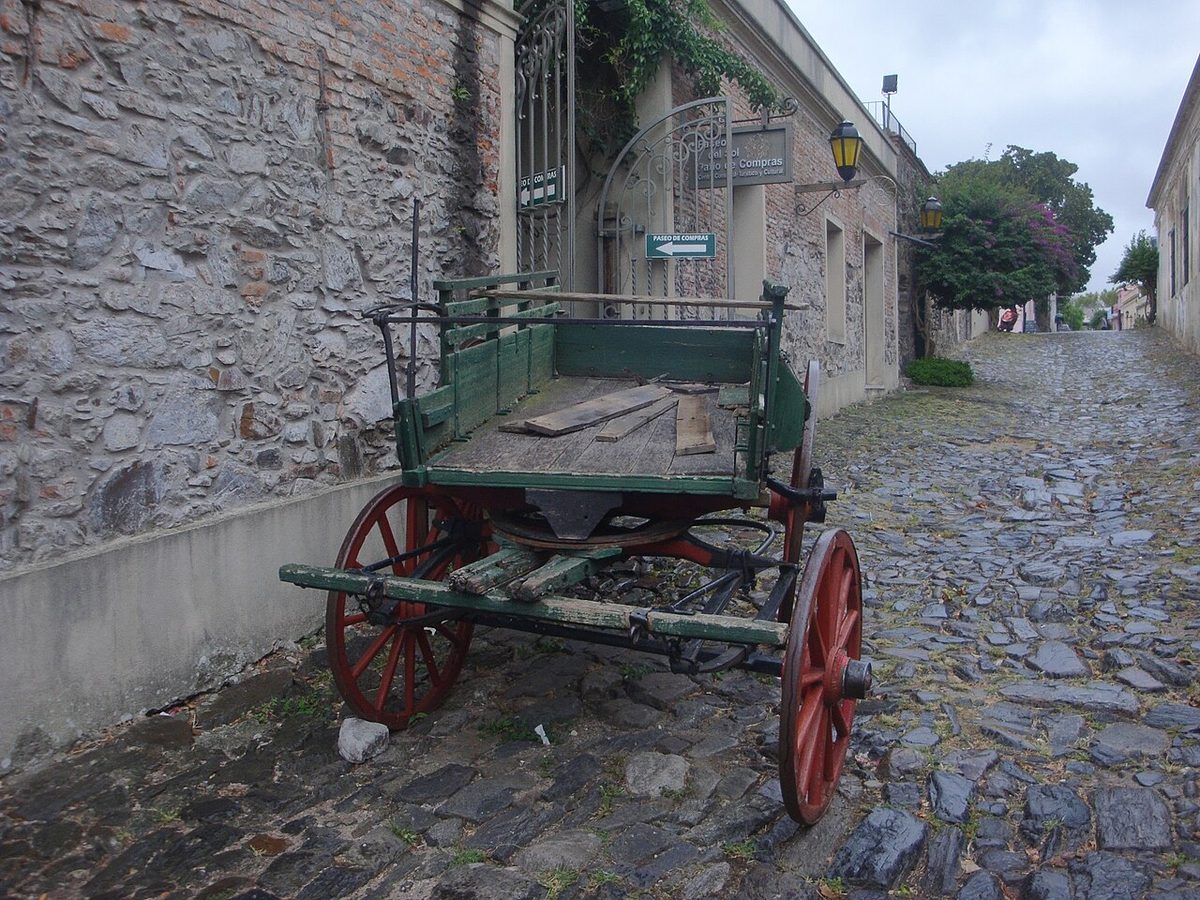
Founded by the Portuguese in 1680 purely to irritate the Spanish across the water, Colonia del Sacramento changed colonial masters so many times that its Barrio Histórico ended up a jumbled archive of both empires — cobbled streets, sycamore-shaded plazas, ruins of Spanish churches inside Portuguese fortifications, and the famous Calle de los Suspiros (Street of Sighs) whose name has inspired more invented backstories than any other lane in the country. UNESCO listed the whole quarter in 1995. For once, the committee was understating it.
Most visitors arrive as a day trip from Buenos Aires on the Buquebus ferry — a perfectly reasonable choice that still shows you everything essential. But stay one night and the place transforms: the tour groups evaporate, the lanes fill with amber streetlight, and you discover that Colonia’s sunset over the Río de la Plata is among the most reliably beautiful in South America. Climb the lighthouse for orientation, rent a bike for the afternoon loop, order a chivito — Uruguay’s national sandwich of steak, ham, egg, cheese and everything else — on a plaza, and let the evening wander. Our full Colonia guide has the logistics in detail.
Why go: UNESCO-listed colonial quarter, dramatic river sunsets, the easiest and most rewarding stop in the country.
One caveat: High season weekends bring day-tripper crowds by noon; arrive early or stay over to avoid the rush.
Ideal visit: 1–2 nights, any time of year.
3. Carmelo
An hour north of Colonia along the river, Carmelo is what Uruguay looks like before tourism notices it. The town of around 20,000 sits where the Arroyo de las Vacas meets the Río de la Plata — a sleepy arrangement of leafy plazas, peeling colonial buildings and a drawbridge over the creek that opens for the occasional yacht. Around it: some of the most interesting small wineries in the country, a handful of river-beach camping spots, and a pace that makes a long lunch feel mandatory rather than indulgent.
Bodega Irurtia and Almacén de la Capilla are the names that appear on most lists, but walk or bike the back roads and you’ll find smaller family producers who’ll pour their Tannat at a kitchen table if you knock politely. The casino brings a touch of incongruous glamour; the river brings Argentine weekenders by private boat from Tigre. Neither should put you off. Carmelo pairs naturally with Colonia — wine country in Uruguay has its spiritual home here, and two or three unhurried days covering both towns is one of the best microcosms of Uruguayan travel there is.
Why go: Riverside charm, genuinely local wineries, and the best ripio-road cycling of the southwest.
One caveat: Very quiet midweek off-season — some restaurants only open weekends in winter.
Ideal visit: 1–2 nights, October through April.
The southern coast: from old-fashioned resort to barefoot luxury
4. Piriápolis
Before Punta del Este existed as a concept, Francisco Piria was building his own city from scratch. In the 1890s, the Montevideo-born alchemist-entrepreneur laid out Piriápolis according to his own mystical numerology — or so the guides will tell you with a straight face — and topped it with a grand hotel, a castle and a cable car up the hill. The Argentino Hotel opened in 1930 and was briefly the largest hotel in South America; it still operates, still has thermal pools open to non-guests, and still projects a faded-grandeur atmosphere that Wes Anderson could film without changing a lampshade.
Ride the chairlift up Cerro San Antonio for the bay view — around UYU 200 (about US$5) last I checked — then walk down through pine trees to the rambla. Piria’s castle is a free museum fifteen minutes inland. The beaches are family-friendly and sheltered; prices are honest compared to anywhere east on the coast. An hour from Montevideo, Piriápolis is the obvious first night out of the capital: old Uruguay, uncrowded, slightly surreal, and entirely underrated.
Why go: Time-capsule resort with real character — chairlift, Edwardian hotel, castle, all for a fraction of Punta prices.
One caveat: Very quiet in winter; some hotels and most restaurants close June through August.
Ideal visit: 1–2 nights, November through April.
5. Punta del Este
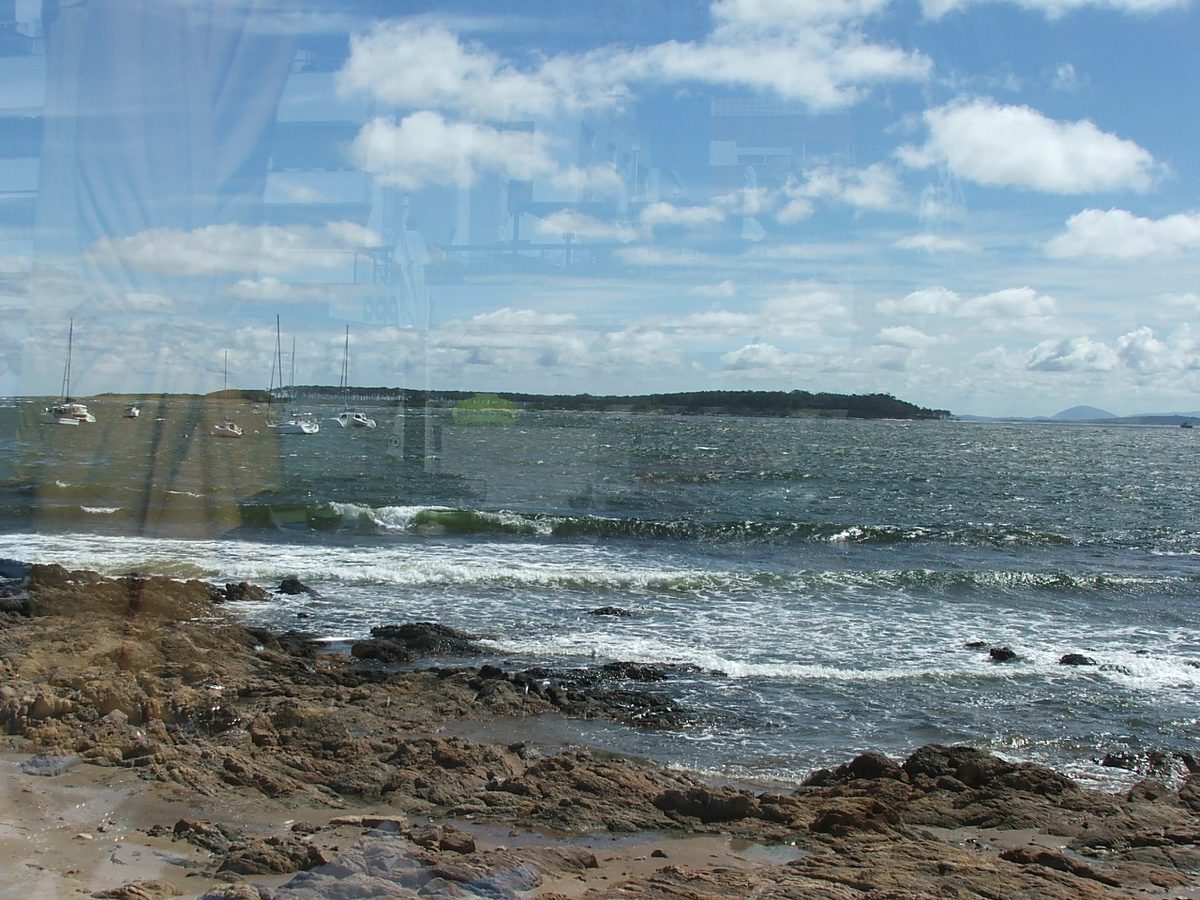
South America’s most famous beach resort is a peninsula with a split personality. The Mansa side faces the wide Río de la Plata: calm warm water, family paradas (numbered beach stops with sun-loungers), sunset views over the river. The Brava side faces the open Atlantic: undertow, surf, La Mano — Chilean sculptor Mario Irarrázabal’s five concrete fingers emerging from the sand — and some of the best people-watching in the hemisphere. In January both sides overflow with Argentine and Brazilian money, celebrity sightings, and 4am traffic jams on Avenida Gorlero. In November, March or April, you get the same weather and roads you can actually drive on.
Punta does glamour genuinely well: Casapueblo — Carlos Páez Vilaró’s whitewashed cliff-villa-museum at Punta Ballena — is as magnificent as the postcards promise, and the sunset ceremony there earns its reputation. The restaurant scene is as good as anything in Montevideo. Our full Punta del Este guide gets into the detail of neighborhoods and beaches. The honest caveat: January pricing is brutal — a midrange hotel room that costs US$120 in March can hit US$400 in peak season, and the crowds mean Punta loses some of the ease that makes it appealing. The best beaches in Uruguay guide compares Punta’s options with the wilder coast further east.
Why go: Stunning peninsula beaches, world-class restaurants, Casapueblo sunset — Uruguay’s most complete resort.
One caveat: January turns it into an expensive scrum; shoulder months are dramatically better value and calmer.
Ideal visit: 2–4 nights, November–December or March–April.
6. José Ignacio
Forty minutes east of Punta del Este, this former fishing village on a lighthouse point has spent thirty years becoming the hemisphere’s most understated luxury destination. The formula: no chain hotels, no paved main street (the sandy lanes are a brand choice), Parador La Huella (one of South America’s most-written-about restaurants, serving grilled fish under palm-thatched umbrellas literally on the beach), and a January population of media moguls, architects and footballers who’ve agreed collectively to not mention it too loudly. They’ve failed. It’s fairly well-known now. But it still works.
Off-season — say, April through November — José Ignacio reverts to a quiet coastal village of around 300 permanent residents, the lighthouse keeper outranks everyone in the social order, and you can have Playa Brava entirely to yourself at dawn. Climb the 1877 faro for the peninsula view, eat at La Huella even if the bill makes you flinch, and stay at least one night to catch the evening light over the water. There is honestly no budget version of José Ignacio in high season — come for the day from Punta if money is the question, and save a night here for a trip when you can do it properly.
Why go: The most beautiful spot on the southern coast — lighthouse, wild beaches, food, atmosphere all at their peak.
One caveat: January prices are stratospheric and the village gets crowded; off-season is a completely different, arguably better, experience.
Ideal visit: 1–3 nights, November through December or February through April.
The Rocha coast: where Uruguay goes wild
East of Laguna Garzón — where architect Rafael Viñoly’s famous circular bridge makes drivers loop around the lagoon to slow them down and look — Route 10 starts behaving differently. The road narrows, the resorts thin out, and Uruguay’s coast goes gloriously feral. Rocha department holds 180 kilometers of dunes, lagoons and surf beaches that are functionally empty for ten months of the year. This is the coastline I’d defend in any argument.
7. La Paloma
Built around a lighthouse peninsula on Rocha’s coast, La Paloma is the most organized beach town east of Punta del Este — which in this context means it has a supermarket, a surf school, consistent Atlantic breaks, and restaurants that open in winter. The main beaches are Playa La Aguada (consistent surf, facing northwest) and Playa Anaconda (longer, south-facing, dramatic at sunset). Between July and October, southern right whales breach close enough to the coast that the spray is visible from the lighthouse viewpoint at Cerro de la Virgen — free to climb, twenty minutes’ walk from the center.
La Paloma’s reputation as a surfer’s town is accurate but not exclusive: families come for the calmer northern beaches, birders come for the lagoon systems, and couples come because it’s pretty in a windswept, understated way that Punta never manages. My honest reservation: the town’s grid can feel slightly soulless compared to La Pedrera twenty minutes south — it’s more functional than atmospheric. But for a base with services, it’s ideal.
Why go: Best surf infrastructure on the Rocha coast; whale season from July; the lighthouse peninsula is genuinely beautiful.
One caveat: The town center lacks atmosphere — La Pedrera nearby is prettier if you have a car.
Ideal visit: 2–3 nights, October through March for surf/beach; July–September for whales.
8. La Pedrera
Twenty minutes south of La Paloma, La Pedrera earns its reputation as the looker of the pair. One clifftop main street, a handful of restaurants and a small square that fills up at dusk — that’s the sum of it, and it’s exactly enough. Playa del Barco to the north takes its name from a rusting shipwreck visible at low tide: the Peltastis, a British steam freighter that came to grief on this coast in 1910 and has been slowly becoming part of the geology ever since. Playa Grande to the south is longer and more exposed, better for walking than swimming.
La Pedrera proper rewards an evening arrival: watch the sunset from the mirador at the cliff’s edge, eat at one of the three or four restaurants that have somehow become genuinely good, and wake up to an Atlantic view that the cliff framing makes particularly theatrical. It’s harder to reach by bus than La Paloma, but if you have a car it should be on every Rocha itinerary.
Why go: The most atmospheric village on the Rocha coast — clifftop setting, shipwreck beach, quality food for its size.
One caveat: Very limited bus access; it rewards having a rental car or being willing to pay for a remis taxi from La Paloma.
Ideal visit: 1–2 nights, October through April.
9. Cabo Polonio
No roads in. No power grid. No streetlights — which is the point, because the Milky Way over Cabo Polonio is the best free show in Uruguay. You reach this national-park hamlet by official 4×4 truck from the terminal on Route 10 — a 20-minute lurch across Uruguay’s biggest dune field, costing around UYU 400–500 (about US$10–12) return — or you walk in along the beach from Valizas, which takes a couple of hours and involves fording a creek by rowboat. Inside: maybe 80 permanent residents, a working lighthouse, candlelit hostels and parrillas, and one of South America’s largest colonies of South American sea lions barking on the rocks below the point.
Bring cash — card machines need the signal the village doesn’t reliably have. Bring a head torch, a windbreaker, and more patience for cold showers than you might expect. The trade is a place that feels genuinely removed from the connected world, beaches with nobody on them, and stars so dense they look photoshopped. Book accommodation for January weeks ahead; come in November or March to walk onto an empty dune. The national park system that protects this area also covers Santa Teresa to the north — the two make a natural combined trip.
Why go: The most singular destination on the Uruguayan coast — off-grid, atmospheric, genuinely wild.
One caveat: It’s rustic in the real, occasionally inconvenient sense: no ATM, unreliable power, cold showers possible. Know this before you book.
Ideal visit: 1–2 nights, November through March (January requires advance booking).
10. Punta del Diablo
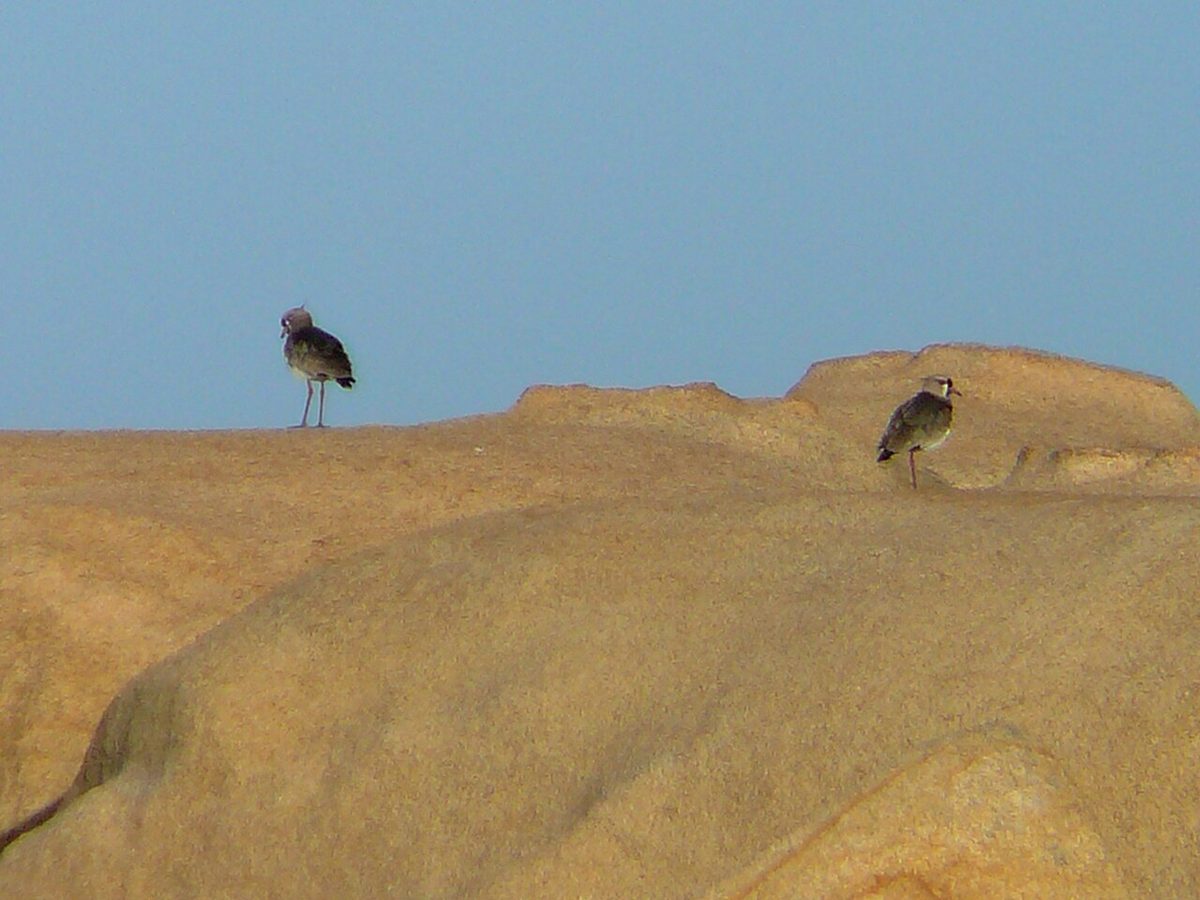
A fishing village of brightly painted cabins on three beaches near the Brazilian border, Punta del Diablo spends most of the year as a thousand-person town where fishermen pull boats up Playa de los Pescadores by hand and the loudest argument is about football. Then New Year arrives and tens of thousands of young Uruguayans, Argentines and Brazilians descend simultaneously, the fishing boats share the beach with speakers the size of refrigerators, and it becomes an entirely different, considerably louder, proposition. Both versions are worth experiencing. The off-season one is better for sleeping.
Playa de la Viuda to the north offers the best surf; the cliff walk between beaches is short and dramatic. The Rocha specialty to try here: buñuelos de algas, crisp seaweed fritters from the kiosks near the harbor, which taste far better than their description deserves. Stay two nights minimum — one morning is always wasted adjusting to the pace, and the second is when Punta starts to feel like yours.
Why go: The most characterful of the Rocha villages — real fishing culture, three distinct beaches, genuine off-season calm.
One caveat: First week of January is wall-to-wall people; if that’s not why you’re coming, choose any other time.
Ideal visit: 2–3 nights, October through December or February through April.
11. Santa Teresa National Park
Ten minutes north of Punta del Diablo, this army-administered park — which somehow explains its unusually good infrastructure — wraps a hilltop Portuguese fortress (begun 1762, properly castle-handsome) in 3,000 hectares of eucalyptus forest, coastal dunes and near-empty Atlantic beaches. Uruguayan families treat it as a national institution: over a thousand campsites, capybaras grazing between tents at dusk, a greenhouse, a small bird park, and Playa Grande stretching for miles with nobody on it outside summer. Day visitors can drive in for a token fee, see the fortress, swim and leave; campers get owls at night and deserted beaches in the morning for less than a Punta del Este cocktail.
Summer weekends fill the campsites and the mosquitoes take no prisoners — bring repellent and book January ahead. The fortress itself is free to enter once you’re in the park, and the view from the battlements over forest to the Atlantic is one of the more unexpected panoramas in the country.
Why go: The best camping in Uruguay combined with an 18th-century hilltop fortress and near-empty surf beaches.
One caveat: Mosquitoes in summer are serious; bring DEET. January campsites book quickly.
Ideal visit: 2–3 nights, November through December or March for best balance of warmth and quiet.
Wine country and the interior: the Uruguay 95% of visitors miss
Ninety-five percent of travelers to Uruguay never leave the coast. The interior — which is most of the country — is where Uruguay stops performing for visitors and just gets on with being itself: rolling cuchilla (low hill country), cattle outnumbering people by a margin that gets embarrassing, towns where the bakery is the social institution and the news arrives by word of mouth. Give it at least a day. It tends to be the part people won’t shut up about afterward.
12. Canelones wine country
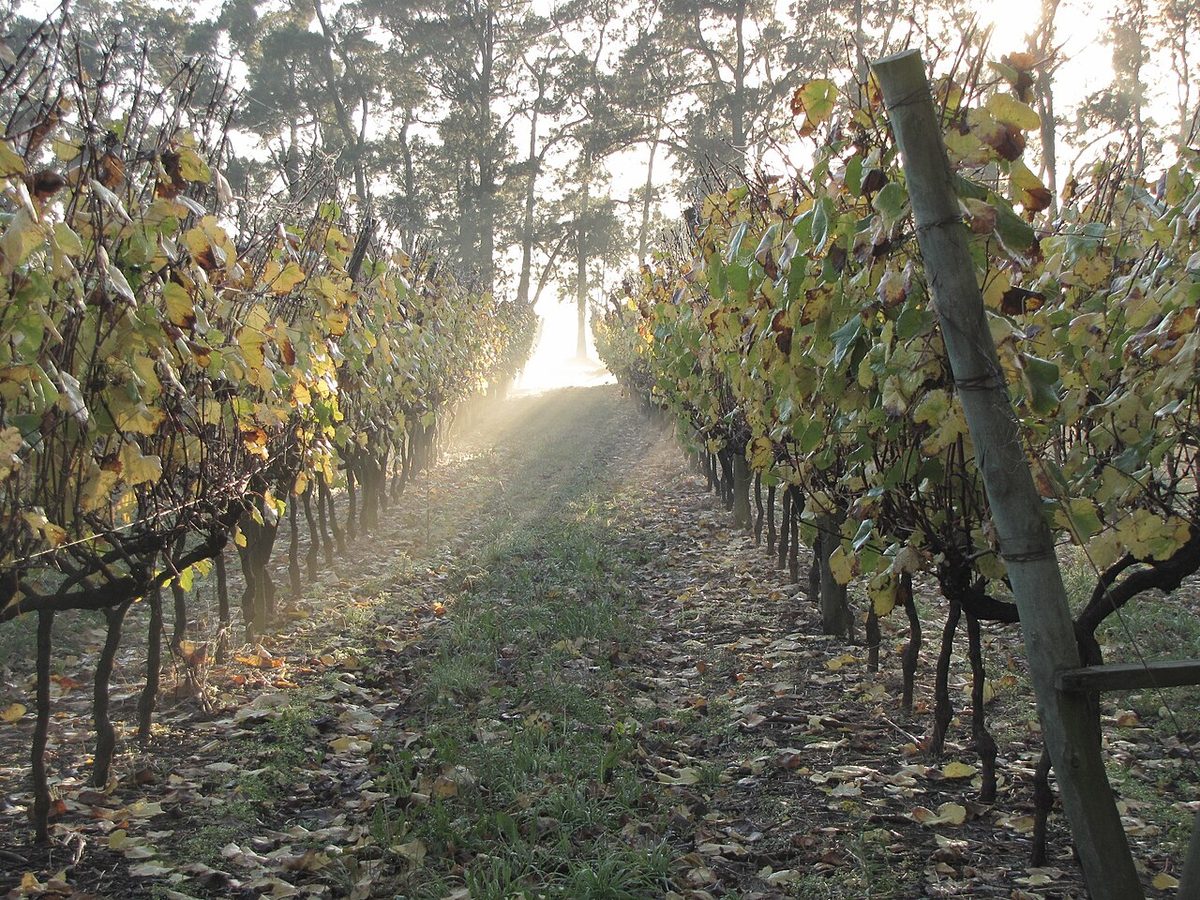
Uruguay’s signature grape is Tannat — a thick-skinned, structured red that arrived from France’s Basque country with immigrant Pascual Harriague in the 1870s and found its ideal soil here. The most accessible wine region is Canelones, beginning about 40 minutes east of Montevideo: a mosaic of family bodegas and a few larger operations spread across gentle hills dotted with olive trees and the occasional windbreak of eucalyptus. Bouza, Juanicó and Pizzorno are among the most visitor-ready; many offer tastings for around UYU 500–1,000 (US$12–25) and a properly long lunch for not much more.
You can do Canelones as a half-day from Montevideo with a car or an organized tour, but a bodega overnight — several offer accommodation — turns it into a different, slower trip. Book tastings in advance, especially on weekends, because several require it. The Uruguay wine guide covers the full regional map, including the newer high-altitude operations further from the capital.
Why go: Uruguay’s signature Tannat on its home soil, within an hour of the capital — accessible, genuine, and as long or short as you want.
One caveat: Most bodegas need advance reservation; turn up unannounced on a Sunday and you may find gates closed.
Ideal visit: 1 night or a day trip, March (harvest) through November.
13. Bodega Garzón and the Maldonado interior
Half an hour inland from José Ignacio, the Garzón hills look implausibly Tuscan: terraced vineyards on rolling slopes, cattle on the ridges, and in the middle of it all, Bodega Garzón — a gravity-flow winery that arrived in the 2010s with serious investment, earned points from serious critics, and now offers tours and tastings (around UYU 1,800–3,800, roughly US$45–95 depending on the flight — book ahead) alongside Francis Mallmann’s fire-cooking restaurant for serious dining occasions. The wines, particularly the Tannat and Albariño, justify the detour.
The nearby village of Garzón itself is worth thirty minutes: a single-street colonial pueblo with Mallmann’s restaurant La Huella Bistro and the quirky Posada de los Bueyes inn. It’s small enough that the whole thing can look finished before you’ve warmed up, which is somehow part of the charm.
Why go: Uruguay’s most impressive single winery, in beautiful hill country with a world-class restaurant attached.
One caveat: It’s expensive by any standard and requires advance booking; a day trip from Punta or José Ignacio makes more sense than dedicating a standalone night nearby.
Ideal visit: Half-day side trip from José Ignacio or Punta, year-round (check seasonal hours).
14. Estancia country: Cerro Colorado and beyond
The gaucho is not a costume in Uruguay — he files tax returns, complains about fuel prices and argues about football just like everyone else. A night or two on a working estancia, a cattle ranch that takes guests, gets you horseback rides across grassland with no fences to the horizon, asado cooked over an open fire, and conversation with families whose great-great-grandparents rode the same hills. San Pedro de Timote near Cerro Colorado (two hours from Montevideo) is the grande dame: a 200-year-old property with chapel, library and a gentleness that surprises people expecting something more rugged.
Dozens of smaller family ranches dot the country — many barely an hour from the coast — and our estancia guide covers the full range from working ranches to the more polished agritourism operations. Can’t spare a night? Book a día de campo — a day visit with horseback ride and asado lunch, typically US$80–150 per person. City-dwelling Uruguayans take these to recharge, which tells you it isn’t a tourist trap.
Why go: The most direct way into gaucho culture — horses, grassland, open fires, total absence of a schedule.
One caveat: Remote properties require a car or private transfer; public buses don’t serve ranch gates.
Ideal visit: 1–2 nights, any season — winter estancia nights are particularly atmospheric.
15. Tacuarembó
The capital of Uruguay’s gaucho heartland sits in the north-central interior: tree-lined avenues, a cathedral facing a plaza where men in bombacha — the baggy riding trousers of the southern plains — are not an unusual sight, and rolling hill country in every direction. Carlos Gardel, the most famous tango singer in history, is claimed by both Argentina and France as a native son; Tacuarembó makes its own claim, and the local museum presents the case with all the evidence that years of research and some creative interpretation can assemble.
The real reason to build a trip around Tacuarembó: the Fiesta de la Patria Gaucha in early March. Five days of horsemanship, jineteadas (bronco riding that makes rodeo look padded), open-fire cooking competitions and folk music, with thousands camping in period dress and almost no foreign tourists. Book accommodation weeks ahead — the town fills completely. Outside festival time, Tacuarembó is a pleasant, unhurried provincial city that rewards a night and a slow morning.
Why go: Gateway to the real gaucho interior, and home to one of Uruguay’s best festivals in early March.
One caveat: Without the Patria Gaucha festival, the tourism draw is thin — time your visit accordingly.
Ideal visit: 1–2 nights, early March for the festival; otherwise a passing stop on a northern circuit.
16. Valle del Lunarejo
Seven hours north of Montevideo, near the tiny town of Rivera close to the Brazilian border, Valle del Lunarejo is the most dramatic landscape in Uruguay — which is saying something in a country not known for drama. A subtropical gorge carved by the Lunarejo stream through forested hills, it looks like something that escaped from Misiones province across the border: tree ferns, hanging vines, the sound of toucans and parakeets, and waterfalls that drop into creek pools cold enough to shock you back to alertness. The Posada Valle del Lunarejo is the only accommodation option, which keeps the numbers down and the experience intact.
The honest qualification: it is genuinely far, requires a car or a complicated bus-and-remis combination, and the road in is ripio that tests small cars on wet days. Come if remote subtropical forest with birdlife is genuinely what you’re after. For most visitors on a standard coastal itinerary, this is a future-trip entry rather than an immediate one.
Why go: The most unexpected landscape in Uruguay — subtropical gorge, waterfalls, serious birdlife, total quiet.
One caveat: A long way from everything; requires a car and some tolerance for rough roads.
Ideal visit: 1–2 nights, spring or autumn when temperatures are mild.
17. Quebrada de los Cuervos
Closer to reach than Lunarejo — the Quebrada de los Cuervos national park sits in Treinta y Tres department, about four hours from Montevideo — this canyon of the Yerbal stream is a smaller, more accessible version of the subtropical gorge experience. Black vultures (the cuervos of the name) circle the thermals above the canyon walls; pumas have been recorded here though a sighting would make your year; and the day-hiking trails through humid gallery forest feel nothing like the coastal Uruguay most visitors know.
No accommodation is inside the park; the nearest town of Treinta y Tres has basic hotels. Combine it with a night there and an early morning in the canyon before the heat builds, and you’ll have a day that produces different photographs than anyone else’s Uruguay album. The national parks guide covers entry logistics and what the rangers typically recommend for first visits.
Why go: A genuine wildlife canyon that looks nothing like coastal Uruguay — excellent for birders and anyone who wants something off the beaten route.
One caveat: No in-park lodging; the nearest town is utilitarian. It’s a long day trip or requires an overnight in Treinta y Tres.
Ideal visit: 1 night in Treinta y Tres, spring or autumn.
The northwest: hot springs, a river city, and the world’s strangest great museum
18. Termas del Daymán
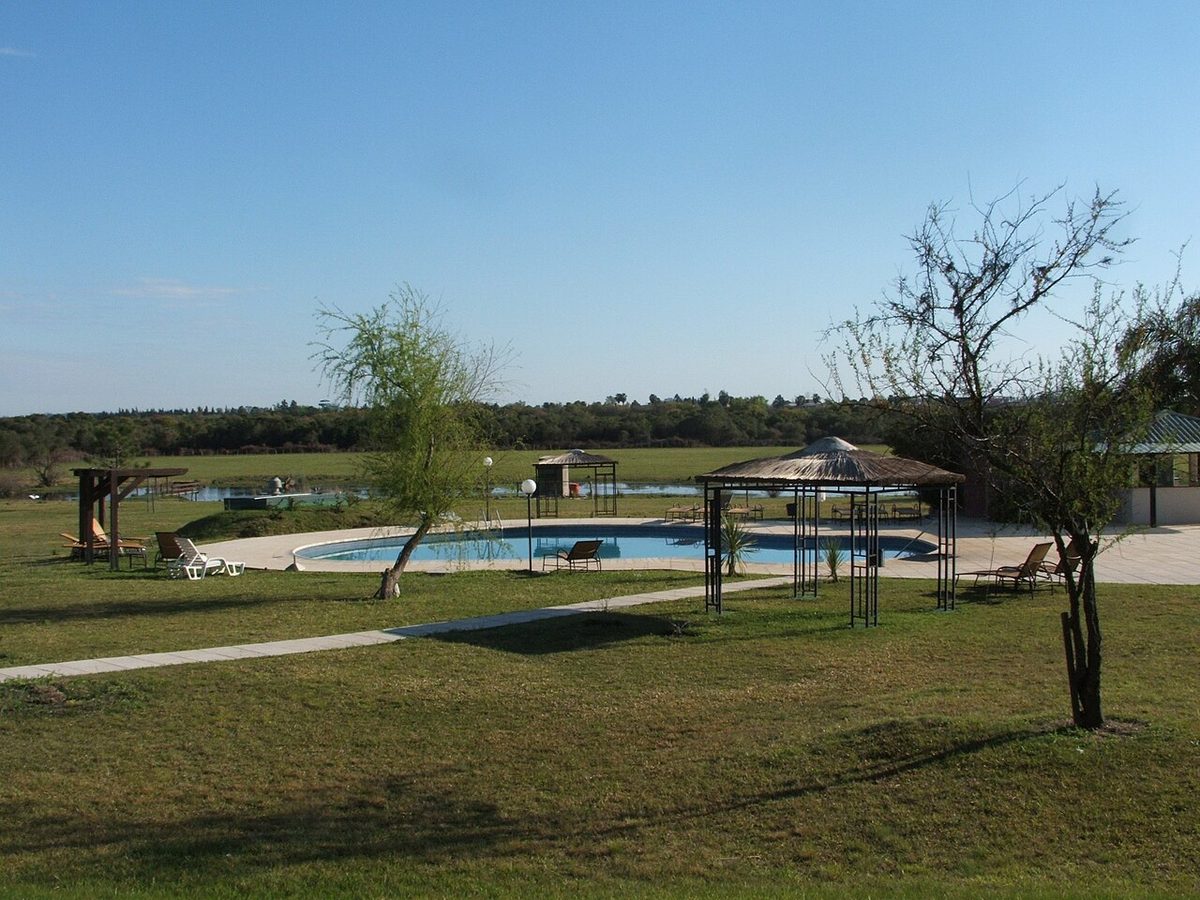
Along the Río Uruguay near Salto — five hours by overnight bus from Montevideo, or a flight to Salto’s small airport — hot mineral water comes out of the ground at 38–46°C, a happy accident of 1940s oil drilling that found wellness instead. Termas del Daymán is the most developed thermal complex: a village of pools at varying temperatures where entry costs around UYU 400 (about US$10) and the visitor base is largely Argentine grandmothers executing a serious soaking schedule with impressive commitment. The Acuamanía waterpark next door adds a children’s dimension. It’s warm, cheap, genuinely restorative, and completely unpretentious — the Uruguay hot springs guide covers Daymán alongside the more remote Termas del Arapey, which runs at a slower pace still and suits visitors who want an all-inclusive soak rather than a family park.
Why go: Affordable thermal pools in a relaxed river-country setting — particularly good in winter when the coast is closed and cold.
One caveat: It’s genuinely far from the coast; combine with Salto and Fray Bentos to justify the journey.
Ideal visit: 1–2 nights, June through September when the thermal contrast is most satisfying.
19. Salto
Uruguay’s second city sits on the Río Uruguay facing Concordia, Argentina, across the water — a pleasant, low-key riverside city of around 100,000 that most travelers use as the thermal-spa staging post rather than a destination in its own right. Which slightly undersells it: the waterfront has a genuine charm, the tree-lined 18 de Julio boulevard is walkable and leafy, and the Salto Grande hydroelectric dam a few kilometers north is, bizarrely, a popular afternoon excursion (you can walk across it to Argentina and back, which is one of the more low-key international border crossings on the continent).
Salto also has an unexpectedly good restaurant scene fueled by Argentine weekend visitors, a covered market that sells the region’s famous citrus and chestnuts, and a thermal park within town limits — Termas Urbanas del Ayuí — for visitors who want hot springs without leaving the city. One night is the honest recommendation; two nights if the Daymán soak is the draw and you want a rest day between travel days.
Why go: A likable river city that serves as the hub for the northwest thermal region — worth a night rather than just a changeover stop.
One caveat: Limited tourist infrastructure in English; Spanish helps considerably here.
Ideal visit: 1 night, combined with Daymán.
20. Fray Bentos
Bear with me: the best industrial museum in South America is a slaughterhouse. From 1863, the Liebig (later Anglo) processing plant at Fray Bentos shipped corned beef and meat extract to half the world — it provisioned both World Wars, gave Britain its OXO cube and gave English a permanent synonym for canned pie, and at its peak employed workers from over sixty nations in a company town that was effectively sovereign. UNESCO listed the entire frigorífico complex — processing halls, worker housing, port — as a World Heritage site in 2015, recognizing it as one of the best-preserved examples of the industrial revolution’s global reach.
The guided tour through the echoing machine rooms costs around UYU 150 (roughly US$3–4), and entry was free on Tuesdays the last time I checked. English-language tours run some days — call ahead to confirm. It’s 4.5 hours from Montevideo, so it pairs logically with Carmelo, Colonia, or the termas rather than working as a standalone day trip. Vegetarians may find the subject matter testing; the museum handles it with enough historical context that even they tend to find it worthwhile.
Why go: Genuinely surprising — a UNESCO World Heritage meatpacking complex that’s as strange and compelling as it sounds.
One caveat: Far from the main circuits; only worth the effort if you’re already in the northwest or doing a dedicated western-Uruguay loop.
Ideal visit: Half-day stop on a Colonia–Carmelo–Salto route.
How to combine these places: building a Uruguay route
Uruguay is compact — about the size of England and Wales — but distance feels longer than the map suggests because buses are the default transport and some roads are slow. The practical routes that actually work:
One week: Fly into Montevideo (2 nights) → Colonia del Sacramento (1 night) → Punta del Este (2 nights) → José Ignacio as a day trip from Punta → back to Montevideo for your flight. You’ll see the southern triangle and leave wanting more.
Ten days: Add Cabo Polonio and Punta del Diablo east of Punta del Este — two to three nights on the Rocha coast — and you have the full coastal arc. Rent a car east of Punta; it makes the Rocha section dramatically easier.
Two weeks: Layer in the interior. Either north (Tacuarembó + Lunarejo) or southwest wine country (Canelones + Carmelo + Fray Bentos), plus the termas if you’re already in the northwest. Don’t try to do both on a two-week first trip; pick the arc that matches your temperament.
The most common mistake I see: trying to hit every coastal town between Piriápolis and Punta del Diablo in a single pass and spending more time on buses than beaches. Pick three or four places and stay longer in each. Uruguay rewards the traveler who slows down. The full Uruguay itinerary guide breaks out sample routes from 3 days to 2 weeks with bus times and logical sequencing. And if you’re still weighing whether Uruguay belongs on your South America list at all, Is Uruguay worth visiting? makes the honest case.
Best places to visit in Uruguay: your questions answered
What are the most popular places to visit in Uruguay?
Montevideo and Colonia del Sacramento are the most visited destinations — both are accessible, historically rich, and deliver quickly on their promises. Punta del Este draws the largest volume of beach tourists, mostly Argentine and Brazilian, from December through February. Further down the popularity curve but growing fast: Cabo Polonio, José Ignacio, and the Rocha coast villages.
What are the best places to see in Uruguay if I only have a week?
A week works well as a tight triangle: Montevideo for culture and food (2 nights), Colonia for history and sunsets (1 night), and Punta del Este with a day trip to José Ignacio for the coast (3–4 nights). That itinerary covers Uruguay’s three strongest suits without a single wasted transfer. Swap Punta for the Rocha coast if wild beaches matter more than polish.
Where do Uruguayans themselves like to go on holiday?
Coastal: Piriápolis and the towns of Canelones department — Atlántida, La Floresta, Shangrilá — draw the Montevideo middle class on tight budgets because prices are honest and the beach is the same Atlantic. The northwest termas around Salto and Daymán are the winter domestic-tourism capital. For celebrations: Carnival in Montevideo and the Patria Gaucha festival in Tacuarembó are genuinely domestic events that happen to be open to visitors.
Is it worth going to Cabo Polonio even in winter?
For the stars, the sea lions and the utter quiet: yes. Winter (June–August) means cold nights, a windswept beach, and a settlement of maybe twenty people running on generators and goodwill — which some travelers find more atmospheric than the summer version. The 4×4 trucks still run, accommodation still opens, and the dunes don’t change color. Pack seriously warm layers and lower your food-option expectations; the reward is one of the most isolated experiences in South America.
Are there any places to visit in Uruguay that are genuinely off the tourist trail?
Valle del Lunarejo and Quebrada de los Cuervos in the interior are as close to unknown as Uruguay gets — genuinely subtropical landscapes with serious wildlife that almost no non-Uruguayan visitors reach. The towns of Rocha department’s northern coast beyond Punta del Diablo (Barra de Chuy, La Coronilla, Cerro Verde) are similarly unfamiliar territory. Carmelo and Fray Bentos receive a fraction of the visitors their quality and interest deserve.
How does Uruguay compare to Argentina or Brazil for beach travel?
Uruguay’s coast is quieter, cleaner, and easier to navigate — but shorter and less dramatic than Brazil’s, and less varied than Argentina’s Atlantic coast. The advantage is density: you can move between very different beach experiences (glamorous Punta, wild Cabo Polonio, surf-town La Paloma, rustic Punta del Diablo) in a single two-week trip without long-haul travel. The disadvantage is cost — Uruguay is significantly more expensive than either neighbor. More on the comparison in the things to do in Uruguay guide.
Final thoughts
I started this list with a gravel road turning into a dune field, and I’ll end the same way: Uruguay is a country that reveals itself sideways. The places worth going to don’t announce themselves loudly. Montevideo doesn’t dazzle on arrival. Colonia is six blocks of cobbles. Cabo Polonio is a village with no road in. And yet each of those places, given the time to settle into, delivers something you didn’t expect and won’t easily forget.
The twenty destinations here aren’t a bucket list to be ticked in sequence — they’re a menu to choose from according to how you actually travel. Slow and curious wins every time in Uruguay. The ripio road that almost turned me back is still there. I still wouldn’t take it back.
Credits & sources
Sources & further reading
- Uruguay Ministry of Tourism (turismo.gub.uy) — official destination information, events and seasonal guides
- UNESCO: Historic Quarter of Colonia del Sacramento — World Heritage listing details
- UNESCO: Fray Bentos Industrial Landscape — World Heritage listing for the frigorífico complex
- INUMET (Uruguay National Meteorological Institute) — current forecasts and seasonal climate data
Photo credits
All images via Wikimedia Commons: Uruguay Coast Landscape by Niamfrifruli (CC BY-SA 4.0); Montevideo Rambla Sunset by Falk2 (CC BY-SA 3.0 de); Punta Del Este Peninsula by Santiago Machado (CC BY-SA 3.0); Cabo Polonio Dunes by Patricia Mazzei (CC BY-SA 3.0); Canelones Vineyard Tannat by Viñavarelazarranz (CC BY-SA 3.0); Termas Dayman Hot Springs by Fadesga (CC BY-SA 3.0); Colonia Del Sacramento Cobblestones by Banfield (CC BY-SA 2.5 ar).