Uruguay Wine Tours from Montevideo, Punta del Este & Colonia (2026)
The first time I tried to “just drive myself” around the Canelones wineries, I made it to exactly one bodega before the maths caught up with me. You taste, you spit politely, you tell yourself you’re fine — and then you remember that the man who breathalyses you on the road home does not care about your spitting technique. I parked the rental, called for a ride, and learned my lesson the easy way.
That one rule shapes everything here.
Uruguay wine tours come in four practical shapes: an organized small-group or private tour with a guide and driver included; a DIY trip in a rental car (with one sober person at the wheel); a private driver or remís hired for the day; or app-based rides like Uber where the geography allows. Most visitors are happiest on an organized or driver-led day, precisely because Uruguay enforces a 0.0 blood-alcohol limit and you will want to actually taste the Tannat.
This is the logistics guide — the how-to-actually-do-it. I’ll compare each option by who it suits, rough cost, and one honest drawback; walk through what a tour day looks like; and cover booking, timing and harvest season. For the deep dives on specific regions and wineries, I’ll point you to the relevant guides as we go. Think of this as the hub; the spokes have the winery-by-winery detail.
| Way to do it | Best for | Rough cost (per person) | The honest catch |
|---|---|---|---|
| Organized small-group tour | First-timers, solo travelers, sociable types | Around US$120–280 with lunch | Fixed itinerary; you go where the group goes |
| Private guided tour | Couples, foodies, anyone wanting flexibility | Around US$170–250+ | The priciest option per head for two people |
| DIY rental car | Confident drivers with a sober designated driver | Around US$45–70/day car + fuel | One of you cannot drink a drop — at all |
| Private driver / remís for the day | Groups of 3–4, those wanting to taste freely | Around US$150–220 for the car/day | You arrange the winery bookings yourself |
| Uber / app rides | One or two nearby wineries, city-edge bodegas | Around US$10–30 each way | Coverage thins out fast in the countryside |
Uruguay wine tours: the four ways, compared honestly
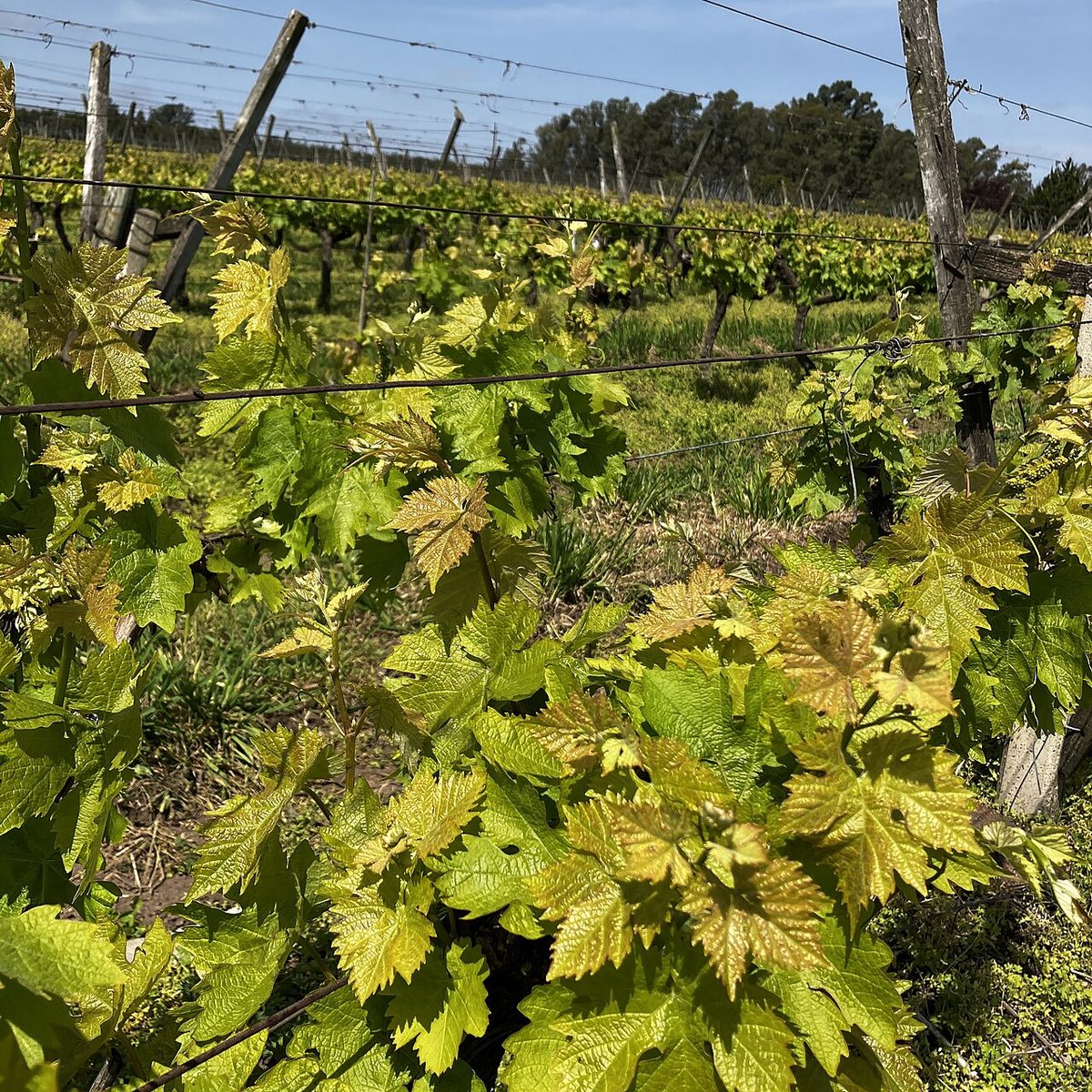
Before you pick, it helps to know the lay of the land. Three regions do most of the visiting. The Canelones wine region near Montevideo is the workhorse — more than 80 vineyards within an hour of the capital, which makes it the easiest half-day in the country. Down the coast, the wineries around Maldonado and Garzón pair naturally with a Punta del Este base. And in the west, the slow-living town of Carmelo anchors a cluster of family bodegas an easy hop from Colonia.
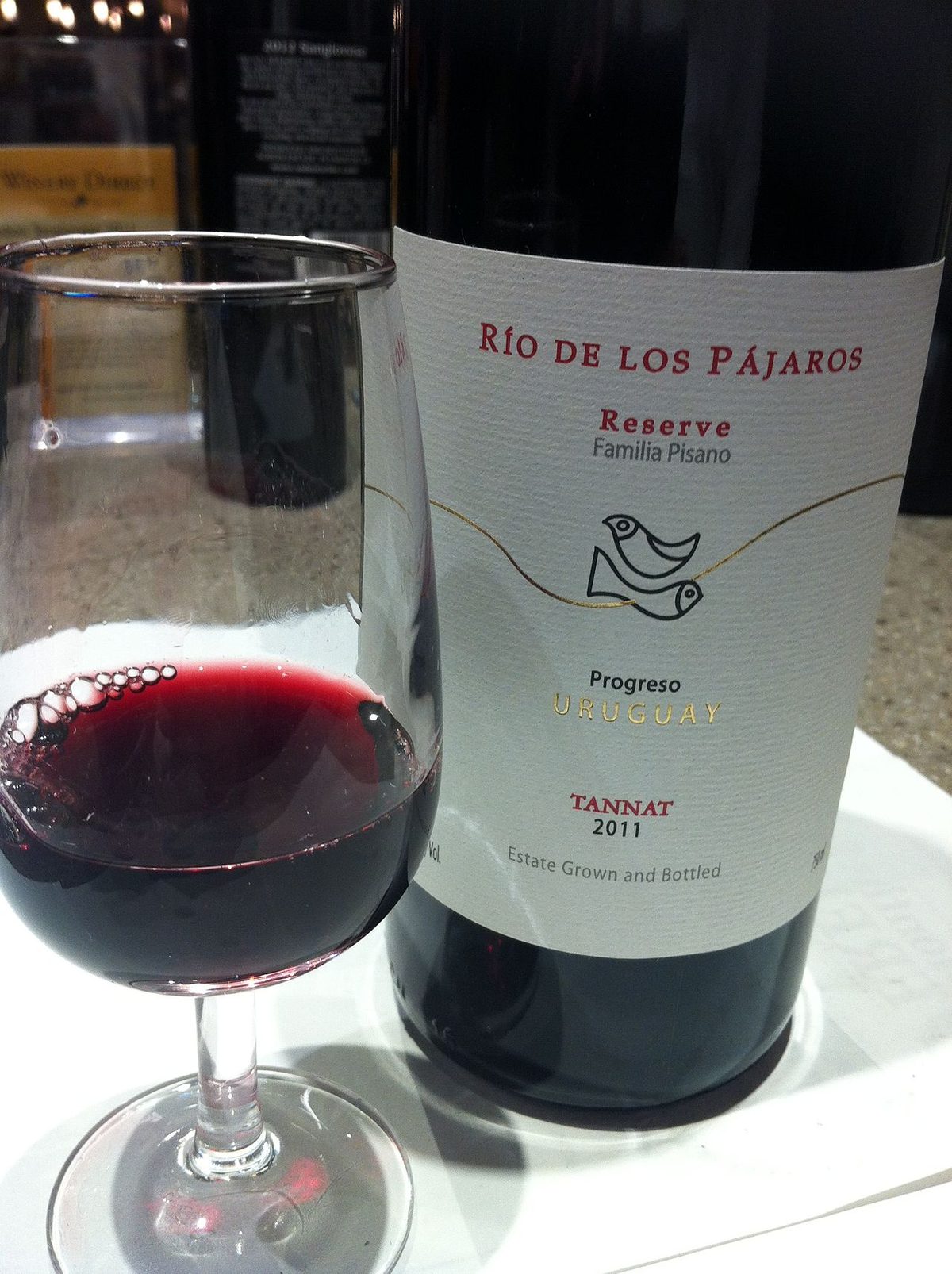
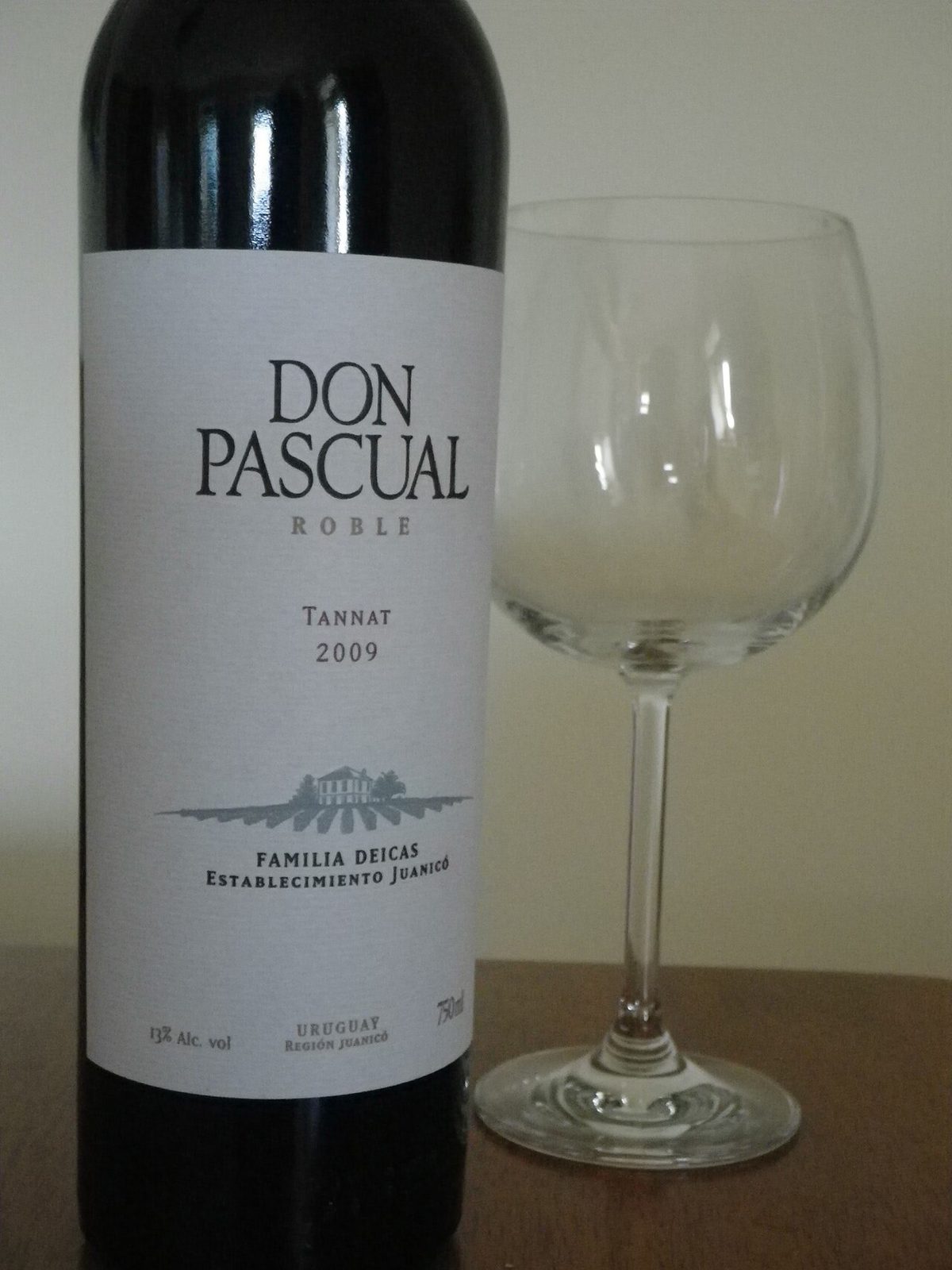
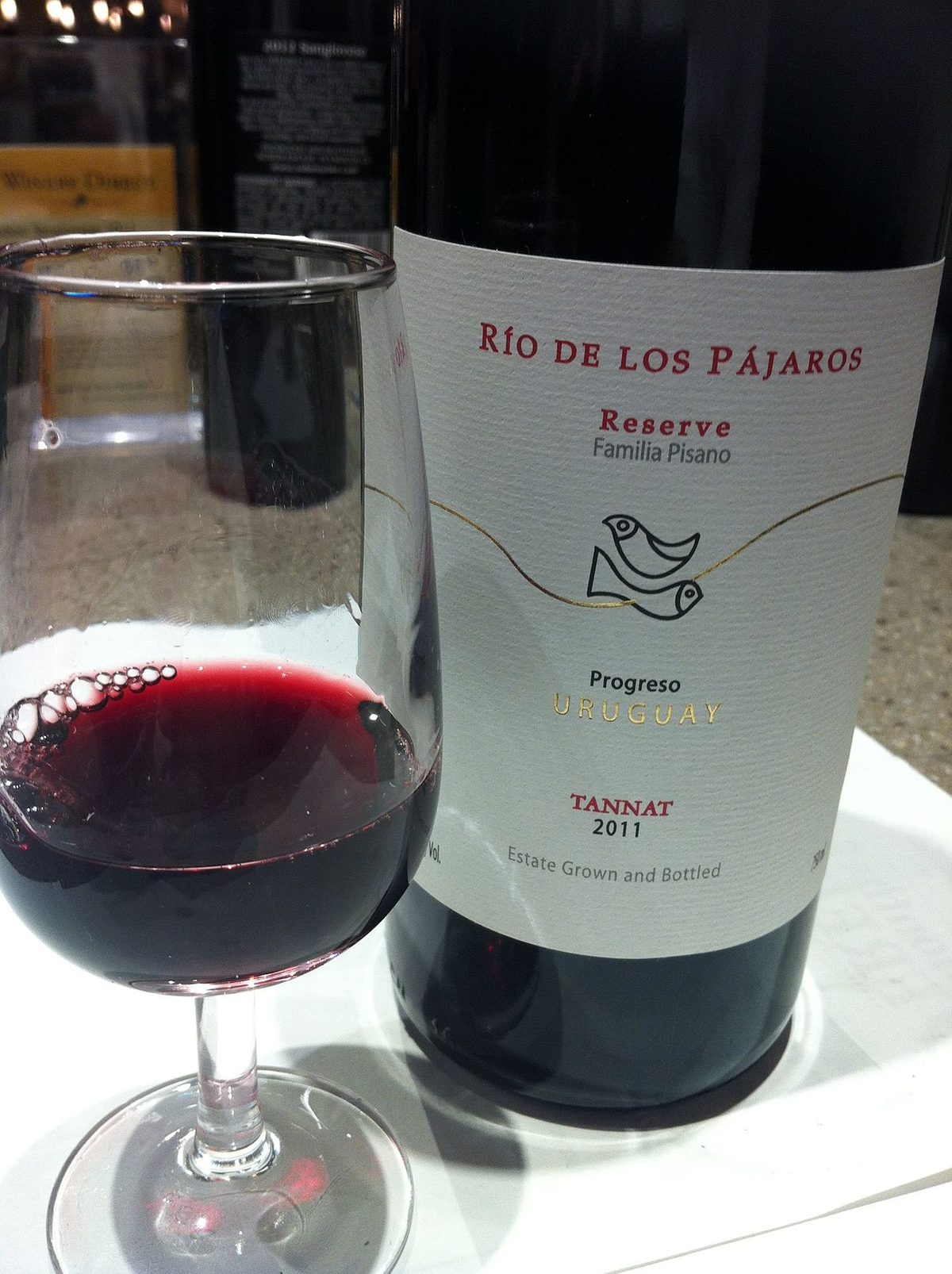
Wherever you go, the grape you’ll meet most is Tannat — bold, dark and tannic, the variety Uruguay quietly made its own. If you want the full picture of regions, styles and where the good stuff comes from, the main Uruguay wine country guide is the place to start. Here, we’re sorting out how you physically get there with a glass in hand and a clear conscience.
1. Organized small-group and private tours
This is what most first-time visitors want, and for good reason: someone else drives, someone else has already called ahead, and you get to swirl, sip and ask daft questions without a care. A guide picks you up — usually at your hotel or the cruise port — drives you out to one or two bodegas, narrates the Tannat story, and pours you back into the city by mid-afternoon.
Who it suits: first-timers, solo travelers who want company, and anyone who’d rather not think about logistics. Small-group tours (often capped around eight to ten people) are sociable; you’ll share a long table with strangers and probably swap travel notes by the second glass.
Rough cost: entry-level tastings start absurdly cheap — I’ve seen city-cellar visits from around US$25–45 — but a proper half-day with transport, a guided tour and a vineyard lunch runs more like US$120–280 per person depending on the winery and the food. Private versions (just your party) tend to sit around US$170–250+ a head for two people, dropping per-person as the group grows.
One honest drawback: you’re on rails. The itinerary is set, the wineries are chosen, and if you fall in love with a place you can’t just linger another hour — the group, or the next booking, is waiting.
If you’re sailing in for the day, note that many operators specifically run “ship to cellar” trips timed to cruise schedules; a half-day from central Montevideo is very doable between port and departure.
2. DIY with a rental car
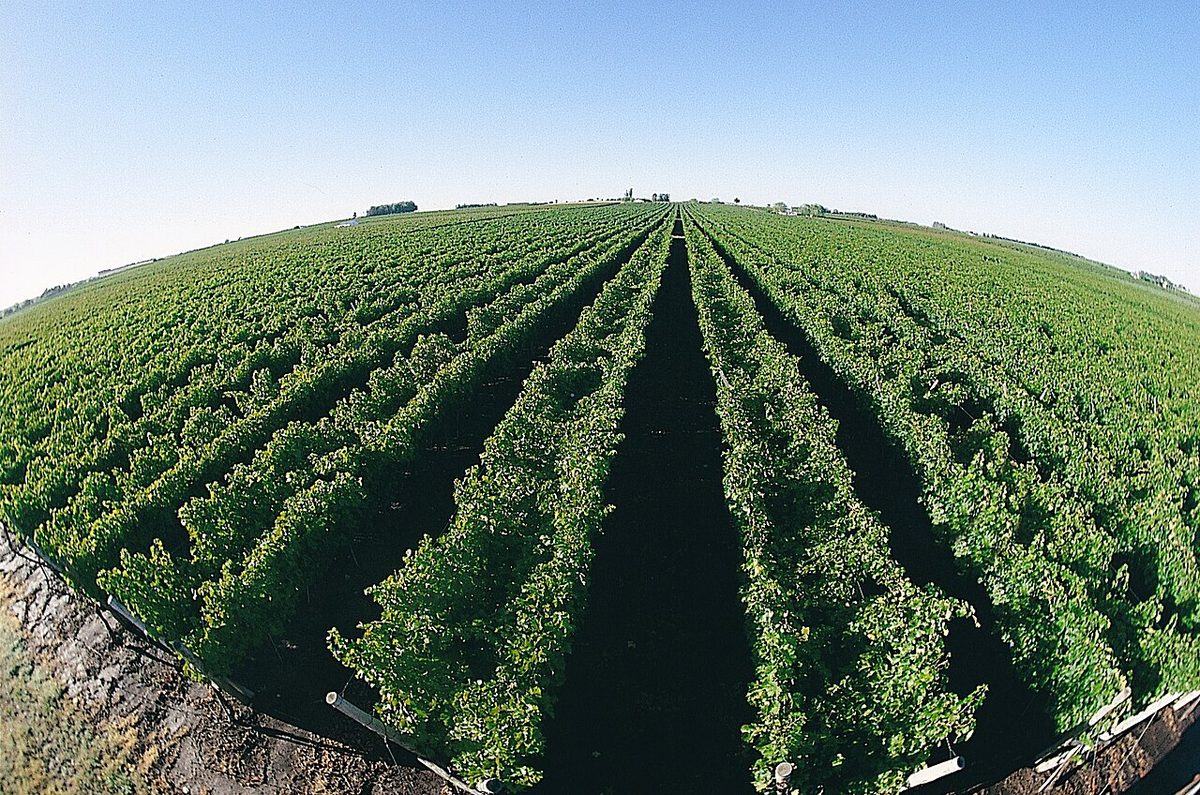
Renting a car gives you total freedom of route and pace — and in a country this easy to drive, that’s genuinely tempting. The roads to Canelones are good, distances are short, and you could in theory string together three or four bodegas in a day exactly as you please.
There is, however, the rule. Uruguay has had zero-tolerance drink-driving since 2015: the legal limit is 0.0, meaning not one sip, not “just a taste,” not the half-glass you didn’t finish. Get caught and police take your licence on the spot, fine you around US$500, and bar you from driving for the rest of your trip. For US and UK visitors it follows you home — your licence may not be handed back, and the offence can attach to your record. And do not, under any circumstances, try to bribe your way out; that only deepens the hole.
Who it suits: couples or groups travelling with a willing designated driver who genuinely won’t drink, and confident drivers comfortable on rural roads (including the odd stretch of ripio, loose gravel). It pairs well with a broader road trip rather than a pure tasting day.
Rough cost: a small rental runs around US$45–70 a day plus fuel, which is cheap if you’re already renting for other legs of the trip. The practicalities — insurance, one-way fees, what to watch for — are all in the guide to renting a car in Uruguay.
One honest drawback: one of you cannot drink at all, full stop — which at a wine tasting is a real sacrifice, and a recipe for quiet resentment unless you trade off days. Most couples I know who tried it ended up wishing they’d hired a driver.
3. A private driver or remís for the day
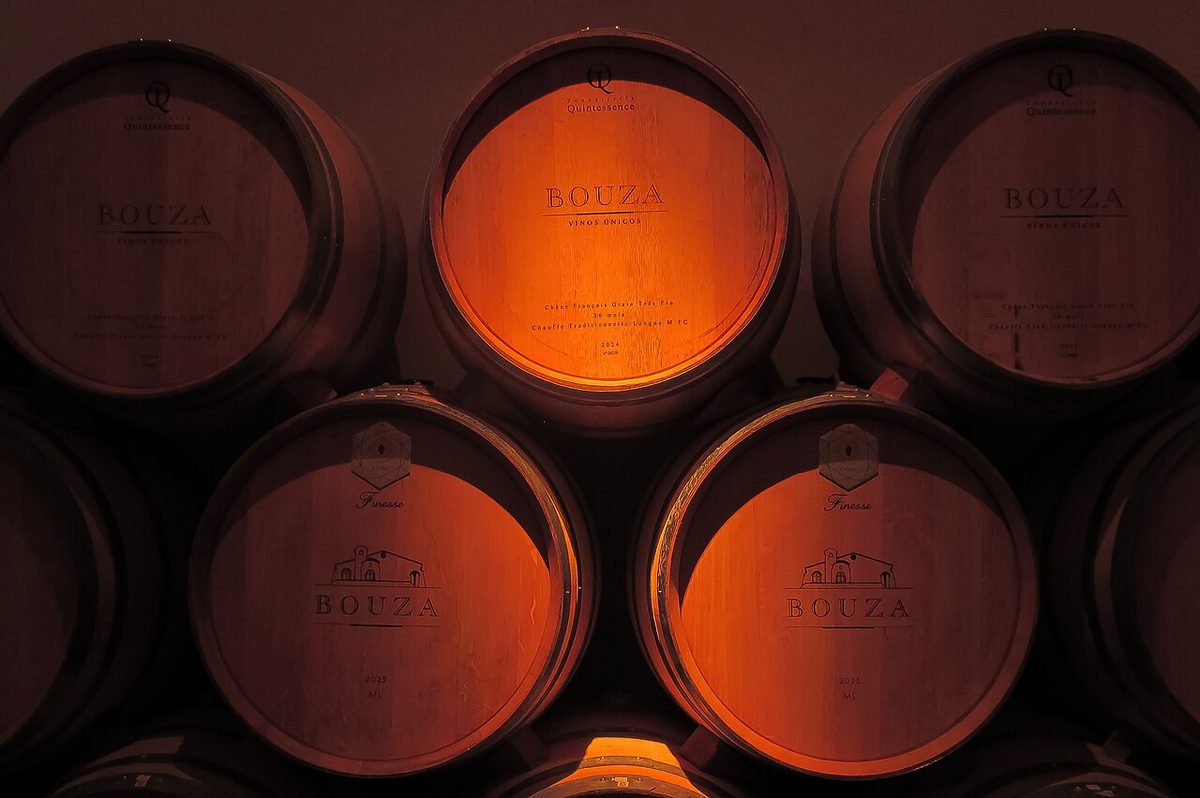
This is my own favourite for two to four people, and it’s underrated by visitors who don’t know the term. A remís is a pre-booked private car with driver — think of it as a chauffeur for the day rather than a metered taxi. You decide the wineries, the driver gets you between them, and crucially everyone in the car can taste freely.
Who it suits: groups of three or four splitting the cost; anyone who wants the freedom of DIY without the sober-driver penalty; travelers who already know which bodegas they want and just need wheels and a local who knows the back roads.
Rough cost: expect somewhere around US$150–220 for the car for a full day in the Canelones area, more for longer runs to Garzón or Carmelo. Split between four, that’s often cheaper per head than a per-person organized tour — and you keep full control of the schedule.
One honest drawback: the driver is not a wine guide and won’t make your reservations. You’ll need to book each winery yourself and handle the tasting logistics; the driver simply drives. If you want narration and hand-holding, pay for a guided tour instead.
4. Uber and app rides
Uber works in Uruguay, and it’s a perfectly good tool for the right job. In Montevideo and in Punta del Este you can summon a car easily, and a few bodegas sit close enough to the city edge that an app ride out and back is genuinely practical.
Who it suits: travelers visiting just one or two wineries near a city; anyone nervous about cash and haggling who likes the fixed in-app fare; a light-touch plan rather than a full multi-bodega day.
Rough cost: short hops from central Montevideo to a city-edge winery might run around US$10–25 each way. For the full picture on apps, taxis and getting around, see the guide to Uber, taxis and getting around Montevideo.
One honest drawback: coverage thins out fast once you leave town. You can usually get a car to a rural bodega, but getting one back from a vineyard with patchy signal and no passing traffic is a gamble — arrange your return ride before you arrive, or ask the winery to call you a car.
Where you start changes everything: tours by departure city
Uruguay’s wine regions are spread out, so the single biggest factor in your day is where you’re based. Here’s how each launch point actually plays out.
Wine tour from Montevideo (to Canelones)
If you’re in the capital, you’re spoiled. The Canelones bodegas begin barely beyond the city limits — Bodega Bouza, the boutique name everyone starts with, is only about 30 to 45 minutes northwest, and dozens of family wineries sit within an hour. This is the easiest, cheapest and most reliable wine day in the country, which is why a wine outing tops most lists of day trips from Montevideo.
A typical half-day visits one or two bodegas with a tasting and lunch, and you’re back by mid-afternoon with the evening free. Because the drive is so short, this is the one region where Uber or a remís make real sense for independent travelers. For the full roster of which wineries to choose and what each is like, lean on the Canelones wineries guide — that’s the spoke article with the winery-by-winery detail.
Wine tour from Punta del Este (to Maldonado and Garzón)
From the coast, the headline act is Garzón — a vast, polished, hilltop winery about an hour inland from Punta del Este, complete with a Francis Mallmann restaurant doing open-fire lunches. It’s a different register from the rustic Canelones bodegas: bigger, glossier, more of an event. The full visit — tour, tasting, long lunch — easily fills a day.
Closer to Punta there are smaller Maldonado wineries too, so you can build a half-day without the full Garzón commitment. If Garzón is your target, read up first in the dedicated guide to visiting Bodega Garzón so you know whether to book the basic tasting or splash out on the Mallmann table. Getting between the two resort areas is its own small project, covered in the Montevideo to Punta del Este guide.
Wine tour from Colonia and Carmelo
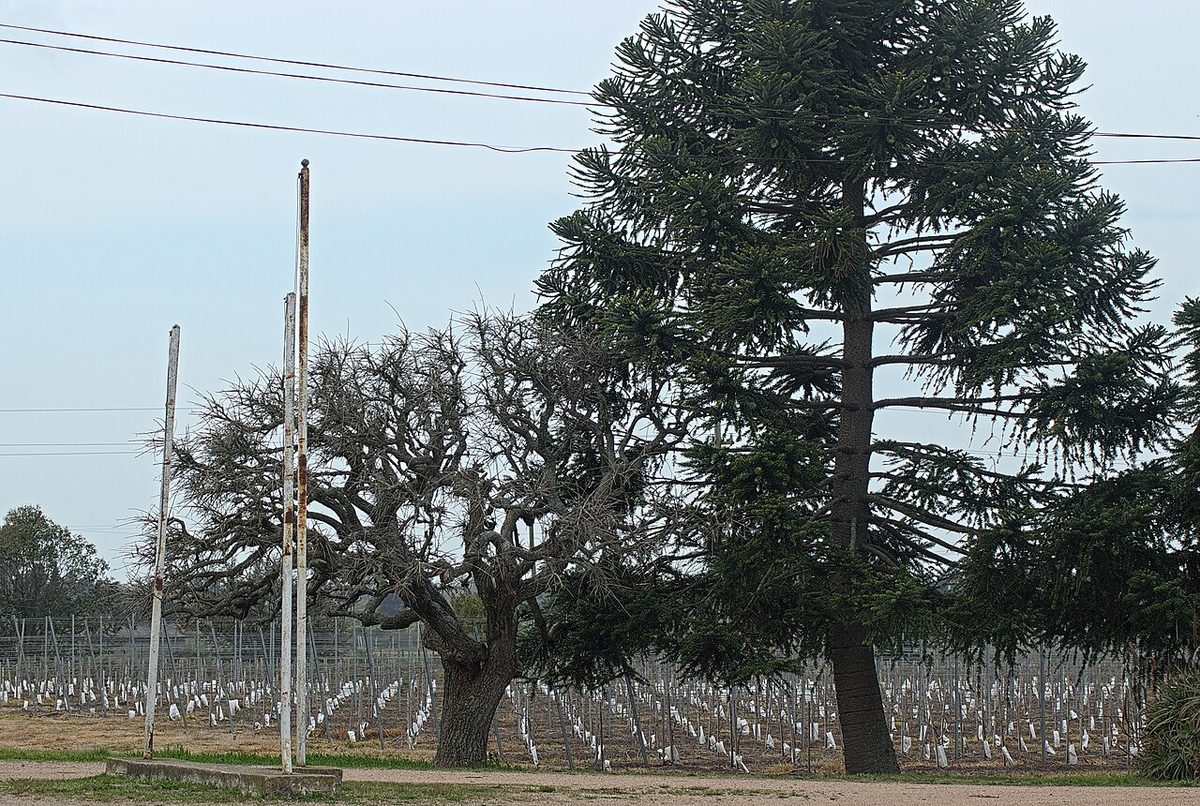
The western corner is the quiet one — and my sentimental favourite. Carmelo, an easy drive up the coast from Colonia del Sacramento, anchors a cluster of small, family-run bodegas in rolling countryside that gets called “Little Tuscany” so often the locals have stopped rolling their eyes. It’s rustic, unhurried, and built for people who’d rather meet the winemaker than tick off a checklist.
This region pairs beautifully with arrivals from Argentina: many visitors come straight off the ferry from Buenos Aires or fold it into a Colonia day trip. Because the bodegas here are smaller and more spread out, a private driver or a pre-arranged winery tour beats trying to wing it with apps. The full slow-living picture lives in the Carmelo guide.
What a wine tour day actually looks like
People imagine something grander than it is. A Uruguayan wine day is relaxed and rural, not a corporate wine-train experience. Here’s the honest shape of it.
You’re collected mid-morning — most tours start around 10 or 11am, not at dawn — and driven out through flat farmland to the first bodega. There’s usually a walk through the vineyard and the cellar, a plain-spoken explanation of how the wine’s made (gravity flow here, steel tanks there, oak barrels resting in the cool), and then the part you came for: a seated tasting of four to six wines.
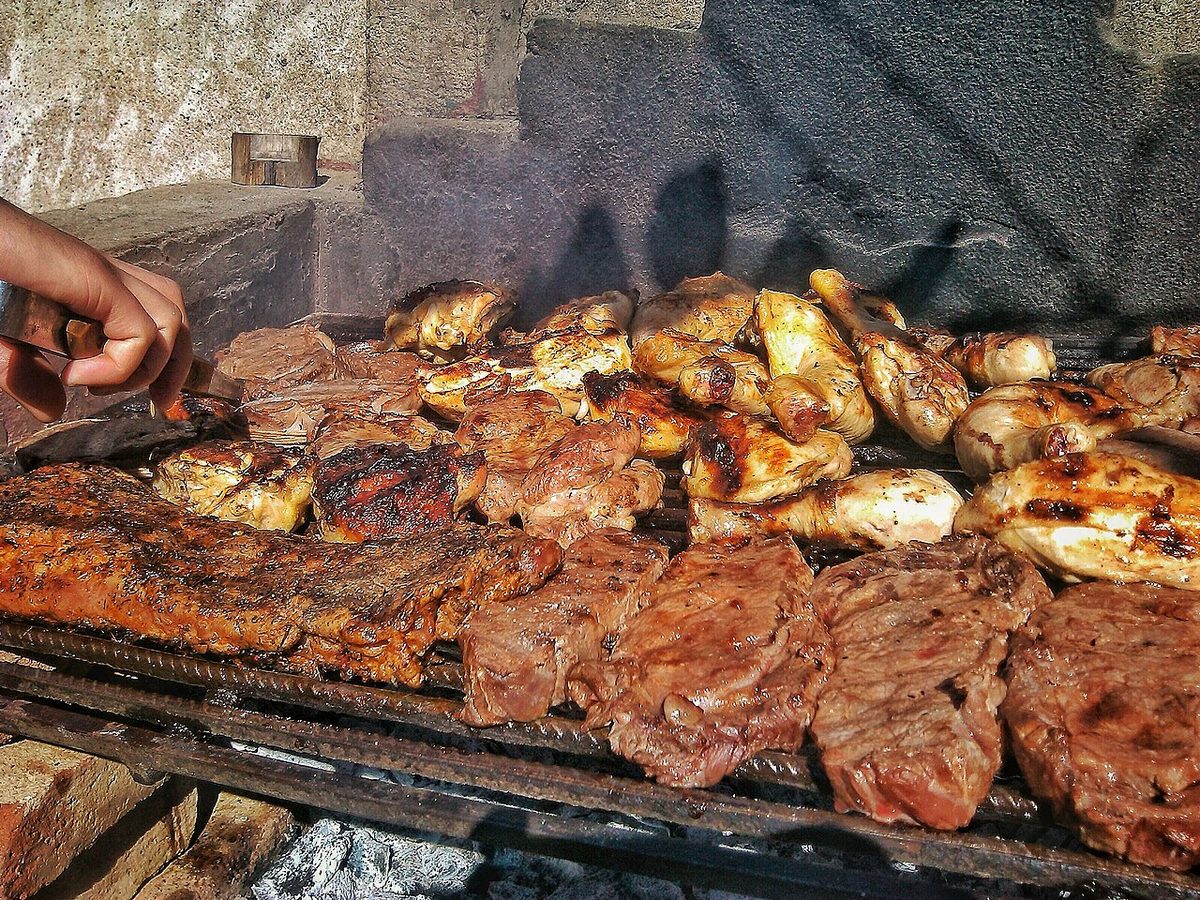
The food is the quiet star. Tastings come paired with local cheeses, cured meats, fresh bread, olive oil and often empanadas; a fuller visit includes a proper sit-down lunch, frequently with Uruguayan beef off the parrilla (the grill). Portions are generous and the pace is slow. If you’ve booked lunch, block out the afternoon — nobody rushes an asado.
By the time you’re driven back you’ll have spent four to six hours out, tasted a dozen wines between two cellars, and bought a bottle or two you can’t get at home. It is, deliberately, more of a long lazy meal with wine attached than a frantic tasting marathon. Our guide to the best Uruguayan wines can help you choose which bottles to bring back.
Booking, timing and reservation culture
Uruguay is laid-back, but the wineries are not drop-in operations. Almost everywhere expects you to book, and a few of the best won’t see you at all without notice. Get this part right and the rest takes care of itself.
How to book and how far ahead
For organized tours, the booking platforms (and the operators’ own sites) let you reserve up to 24 hours before — but in practice I’d lock in a week or two ahead, more in summer. The good small-group departures and the private guides fill up, and the genuinely special wineries have limited daily slots.
Going DIY? Email or WhatsApp the bodega directly; most reply quickly and many run on a “book at least a day or two before” basis. Lunch in particular needs warning — a kitchen in the countryside can’t conjure an asado for six on the spot. Popular names like Bouza and Pizzorno get busy, so the more notice you give, the better your table.
Reservation culture: don’t just turn up
Here’s the cultural note that trips people up: showing up unannounced at a Uruguayan winery, especially a small family one, is not the done thing. These are working operations, sometimes with only the family on site, and a tasting is something they set up for you — not a counter that’s always staffed. A two-line message the day before is all it takes, and it’s the difference between a warm welcome and a locked gate.
Harvest season: vendimia (February to April)
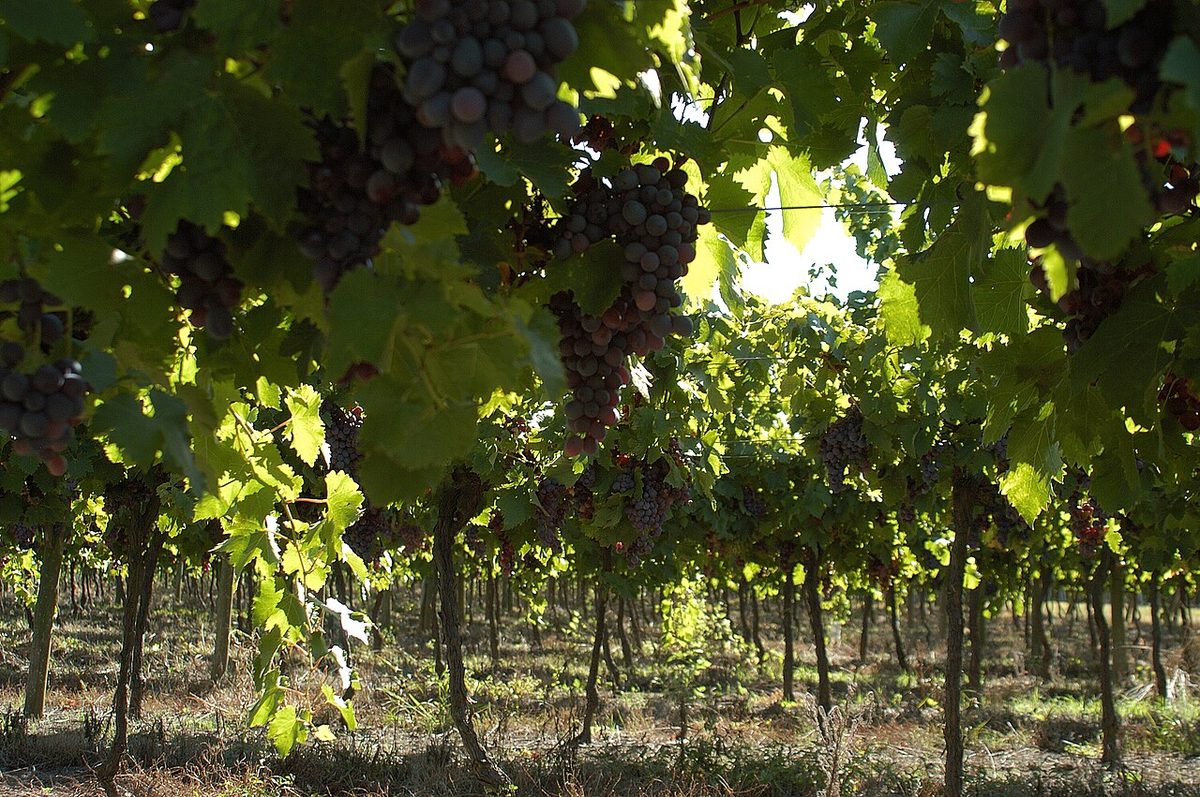
If you can time it, the grape harvest — vendimia — is the most atmospheric window to visit. It runs roughly February through April, with the heart of it in late summer, when the bodegas are alive with picking, pressing and the smell of fermenting fruit. Many wineries lay on special tastings and events, and the town of Las Piedras (Uruguay’s self-styled grape-and-wine capital) holds a national harvest parade in mid-March, with grape-treading, fairs and tastings.
The trade-off is that harvest overlaps with peak summer and high-season prices on the coast, and the wineries are busy actually working. Book earlier than you think you need to. For the wider seasonal picture, the month-by-month guide to visiting Uruguay lays out what each season feels like.
Combining wine with the rest of your trip
Wine slots neatly into a Uruguay itinerary rather than demanding its own pilgrimage, and that’s how I’d treat it. A single well-chosen bodega day is plenty for most travelers; you don’t need to “do” all three regions.
From Montevideo, a Canelones half-day leaves your evening free for dinner in the city — and the capital’s food scene rewards it. Pair a tasting afternoon with a proper meal from the best-restaurants roundup, or go full carnivore with a night at one of the parrillas in the asado guide. The wines you tasted that afternoon turn up on the list, which is a quiet pleasure.
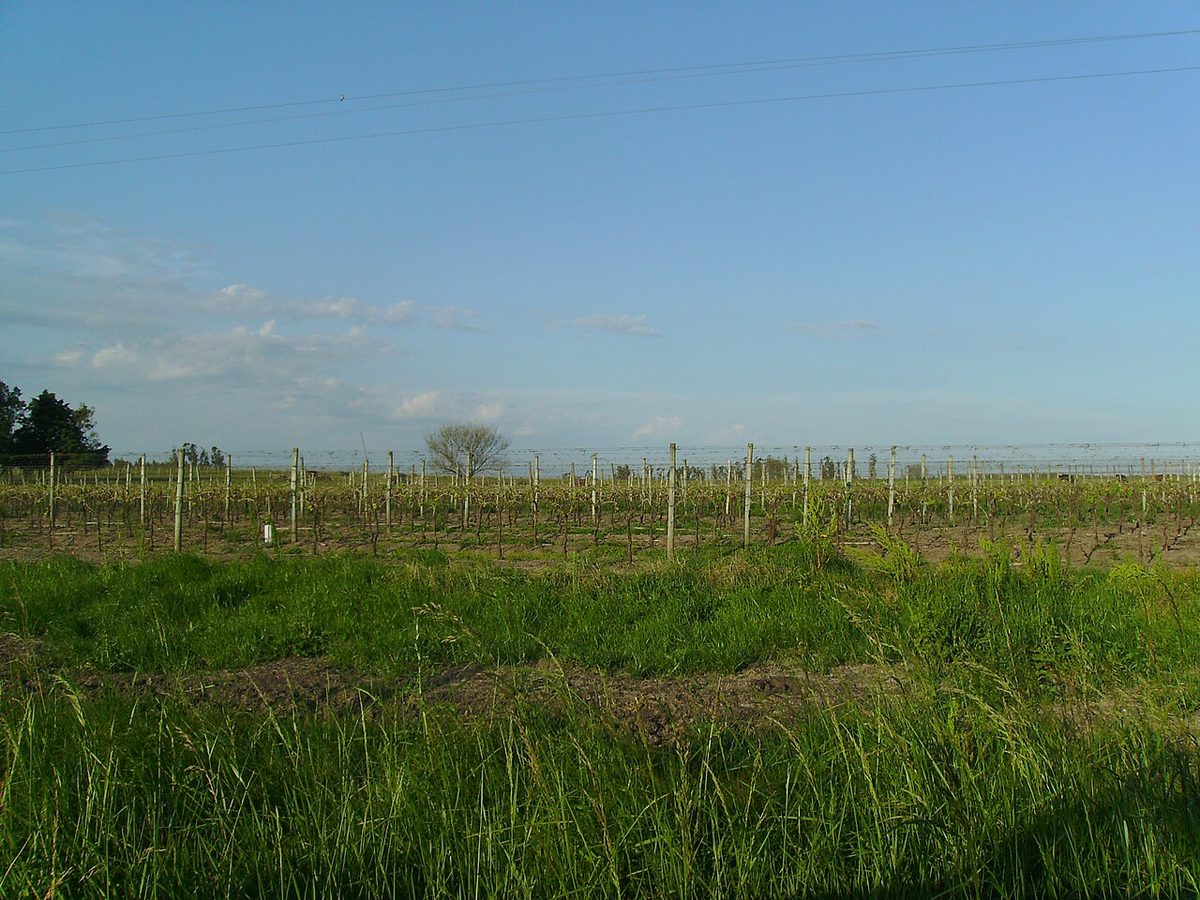
On the coast, fold Garzón into a few days around Punta del Este or chic little José Ignacio, where lunch at the winery becomes the centrepiece of an otherwise beachy week. In the west, Carmelo’s bodegas slot into the slow Colonia rhythm so naturally you’ll barely notice the transition from cobblestones to vines.
If you’re still assembling the bigger picture, the Uruguay itinerary guide shows where a wine day fits across trips from three days to two weeks. And if budget is on your mind, the real-costs breakdown will tell you how a tasting day stacks up against the rest.
So which option should you actually pick?
Strip away the detail and it comes down to a few simple calls. If it’s your first time and you want zero hassle, book an organized small-group tour and enjoy being driven. If you’re a couple or a foursome who came to taste properly, hire a private driver or a private guided tour and let everyone drink. If you’re already road-tripping and have a willing non-drinker, DIY works — just respect the 0.0 rule absolutely. And if you only want a quick one-bodega outing near a city, an Uber there and a pre-arranged ride back will do the trick.
The one universal: don’t let the drink-driving law sneak up on you the way it nearly did on me. Decide who’s not drinking — or pay someone so nobody has to — before you uncork a single bottle.
Uruguay wine tours: your questions answered
How much does a wine tour in Uruguay cost?
It spans a wide range. A basic city-cellar tasting can start around US$25–45, while a proper half-day with transport, a guided bodega visit and a vineyard lunch typically runs US$120–280 per person. Private tours for two sit around US$170–250+ each. Hiring a private driver for the day (around US$150–220 for the car) often works out cheapest for a group of four.
Can you drink and drive in Uruguay?
No — and this is the single most important thing to know. Uruguay has had a zero-tolerance, 0.0 blood-alcohol limit since 2015. Not one glass, not a sip. Police breathalyse drivers regularly, and getting caught means an on-the-spot fine of about US$500, a confiscated licence, and no driving for the rest of your trip. For US and UK visitors the penalty can follow you home.
How far are the wineries from Montevideo?
Closer than most people expect. The Canelones wine region starts just beyond Montevideo’s city limits, with boutique names like Bodega Bouza only about 30 to 45 minutes northwest of the centre. Dozens of family bodegas sit within an hour’s drive, which is exactly why a wine visit is the easiest and most popular half-day trip from the capital.
Do I need to book a winery visit in advance?
Yes, almost always. Uruguayan wineries — especially the small family ones — set up tastings for you rather than running a walk-in counter, so turning up unannounced often means a closed gate. Email or WhatsApp a day or two ahead at minimum; for lunch or popular bodegas like Pizzorno, give a week or more, particularly in summer.
When is the best time for a wine tour in Uruguay?
Spring through autumn (roughly October to April) all work, with warm, green vineyards. For atmosphere, time it to the vendimia — the grape harvest from about February to April — when bodegas buzz with picking and pressing and put on special events. The catch: harvest overlaps peak summer prices and the wineries are busy, so book well ahead.
Can I do a wine tour from Punta del Este?
Yes. The star is Bodega Garzón, a polished hilltop winery about an hour inland with a Francis Mallmann open-fire restaurant; the full tour, tasting and lunch fills a day. Smaller Maldonado wineries closer to Punta let you build a half-day instead. Most coastal wine days are best done as a private or organized tour given the inland distances.
Is Uruguay or Argentina better for wine tasting?
They’re different animals. Argentina’s Mendoza is bigger, more developed and built around Malbec at scale. Uruguay is smaller, quieter and more intimate — you’ll often meet the winemaker — and it’s built around bold, food-friendly Tannat. If you want polish and volume, Mendoza; if you want personality, low crowds and a discovery, Uruguay wins. Our Uruguay vs Argentina wine comparison weighs Tannat against Malbec in more detail.
Final thoughts
Doing this well isn’t complicated; it just rewards a little planning. Pick your launch city, choose how you’ll get around with the 0.0 rule firmly in mind, book a day or two ahead, and then let the day be what it’s meant to be — slow, generous and a bit rustic.
My honest steer: unless you’re already road-tripping with a sober driver, pay for someone else to drive. Splitting a private driver between four, or joining a small-group tour, costs less than you’d fear and turns a logistical puzzle into the easiest, best-fed afternoon of your trip. The Tannat tastes a great deal better when you’re not watching the clock and the roadside for a breathalyser.
Credits & sources
Sources & further reading
- Uruguay Ministry of Tourism (Uruguay Natural) — official tourism information, including wine and harvest experiences.
- INAVI — Instituto Nacional de Vitivinicultura — Uruguay’s national wine institute, for regions and wineries.
- Guru’Guay: zero-tolerance drink-driving in Uruguay — a clear local explainer on the 0.0 law and its consequences.
Photo credits
All images via Wikimedia Commons: Uruguay Wine Tour Tannat Tasting by Agne27 (CC BY-SA 3.0); Bodega Canelones Vineyard Rows by Viñavarelazarranz (CC BY-SA 3.0); Montevideo Wine Cellar Barrels by Feitidede (CC0); Uruguay Maldonado Hilltop Vineyard by Ezarate (CC BY-SA 4.0); Winery Lunch Asado Parrilla by mariela morales (CC BY 2.0); Tannat Grapes Harvest Uruguay by Viñavarelazarranz (CC BY-SA 3.0); Uruguay Vineyard Countryside Tannat by María del Carmen Fourment (CC BY-SA 3.0).