Paysandú, Uruguay: The Riverside Underdog (2026)
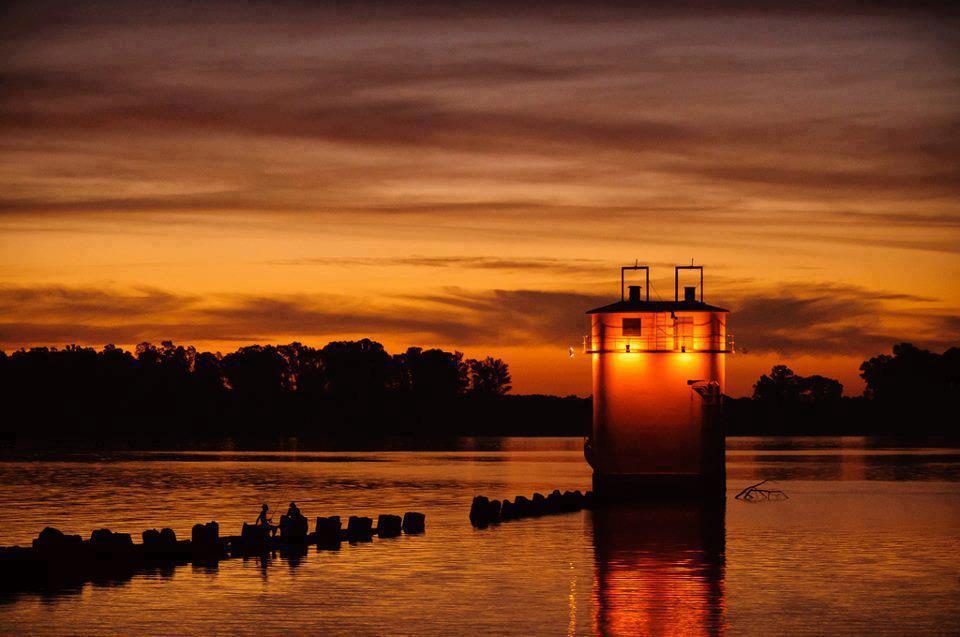
The first time I drove into Paysandú, I almost kept going. Route 3 runs you past silos and a brewery before the river ever shows itself, and for a minute the place reads like a working town that happens to have a view. Then I parked, walked two blocks to the water, and watched the sun drop behind the Argentine shore. I stayed three days, and I keep going back.
So here is the honest version. Paysandu Uruguay is the country’s third- or fourth-largest city, sitting on the eastern bank of the Río Uruguay in the northwest, directly across the water from Colón, Argentina. It is a workaday departmental capital famous for one furious week each Easter, a heroic siege, and a riverfront that locals treat as their living room. Come for the river, the history and the beer festival; stay for how unhurried it all feels.
What this guide covers: the city of Paysandú itself, the best things to do, how to get there, where to sleep, the Semana de la Cerveza, and an honest reckoning with why almost nobody outside Uruguay has heard of the place. I will point you to the hot springs and to Salto when those make more sense than staying in town.
| At a glance | Paysandú |
|---|---|
| Where it is | Northwest Uruguay, on the Río Uruguay; across from Colón, Argentina; ~378 km / 4–4.5 hrs from Montevideo |
| How to get there | Bus from Montevideo (~5–6 hrs) or Salto (~2 hrs); car via Routes 1 and 3; bridge crossing from Colón, Argentina |
| Days needed | 1 full day for the city; 2–3 if you add the Meseta de Artigas and a hot-springs day trip |
| Top sights | Basílica (Catedral), the Costanera, Meseta de Artigas, Plaza Constitución, Teatro Florencio Sánchez, the bridge to Colón |
| The beer festival | Semana de la Cerveza, nine nights over Easter / Tourism Week (late March–April), draws ~200,000 people |
| Best months | March–April for the festival; Oct–Dec and March–April for mild weather; avoid the brutal heat of Jan–Feb if you can |
Why Paysandú gets overlooked (and why that is its charm)
Let me get the drawback out of the way first, because it shapes everything else. Paysandú is not pretty in the postcard sense. The center is a grid of low concrete buildings, some handsome and some plainly utilitarian, and the approach by road is all industry: the Norteña brewery, the Azucarlito sugar works, wool and leather plants, eucalyptus trucks. If you are chasing the cobblestoned colonial fantasy that draws people to Colonia del Sacramento, you will not find it here, and you will probably leave disappointed.
That same industrial-river-town quality is exactly why I keep coming back. This is a real city of roughly 80,000 people doing real things, and tourism is a side note rather than the main event. Prices are local prices. Waiters are not performing hospitality at you. The Costanera at dusk fills with sanduceros (the demonym for people from here) walking dogs and sharing mate, not with tour groups. For a certain kind of traveler, the absence of polish is the attraction. If that is you, Paysandú belongs on the same list as the country’s other under-visited corners, and it pairs naturally with the wider world of Uruguay’s lesser-known places.
It also helps to know where Paysandú sits in the pecking order. It trades the title of third-largest city with Salto and Ciudad de la Costa depending on the census year, which tells you it is a place of genuine regional weight rather than a village. It is the capital of its department, a university town, and a hub for the surrounding farm and forestry country. People here are quietly proud of all that, and a little tired of being skipped on the way to somewhere else.
The Basílica and the siege that made the city “Heroica”
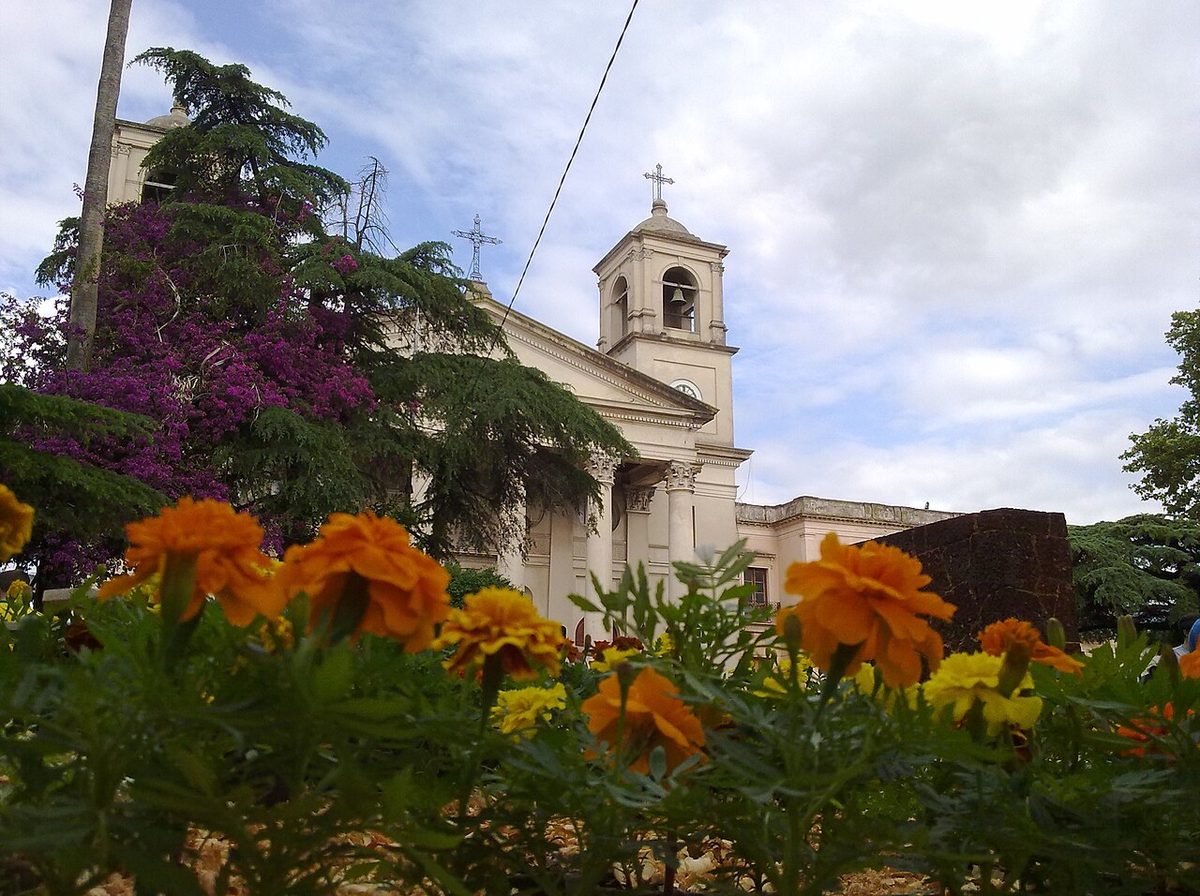
Stand in front of the Basílica de Nuestra Señora del Rosario y San Benito de Palermo and you are looking at the emotional center of the city. Everyone calls it the Catedral. The current building went up in 1860, and within five years it was being shelled to pieces.
Here is the history that earns Paysandú its nickname, La Heroica, “the Heroic City.” In December 1864, during the Uruguayan War, a combined Brazilian and Colorado force surrounded the town. The defending garrison numbered around 1,250 men with fifteen cannons, commanded by Colonel Leandro Gómez. They were badly outnumbered. Gómez was offered the chance to surrender and refused. The siege ran from 3 December 1864 to 2 January 1865, an entire month of bombardment, and when the city finally fell, Gómez and several of his officers were captured and shot.
The Basílica took severe damage in that final assault and had to be rebuilt afterward. Walk inside and look up: a German-made Walcker organ, inaugurated in 1906, still presides over the nave, and the church was elevated to the rank of basilica minor by Pope Pius XII in 1949. It hosts concerts and civic events as much as Masses now. The fabric of the building is showing its age, and there is an ongoing campaign to fund a proper restoration, so do not expect a gleaming monument; expect a working church that has survived a war.
One honest note: there is no single grand siege museum that ties this story together in English, and signage around town assumes you already know who Leandro Gómez was. Read up before you arrive, or the references to “La Heroica” plastered around the city will wash over you. Plaza Constitución, a couple of blocks from the river, is the historic heart where it all played out, and it has been handsomely renovated.
The Costanera: where the city actually lives
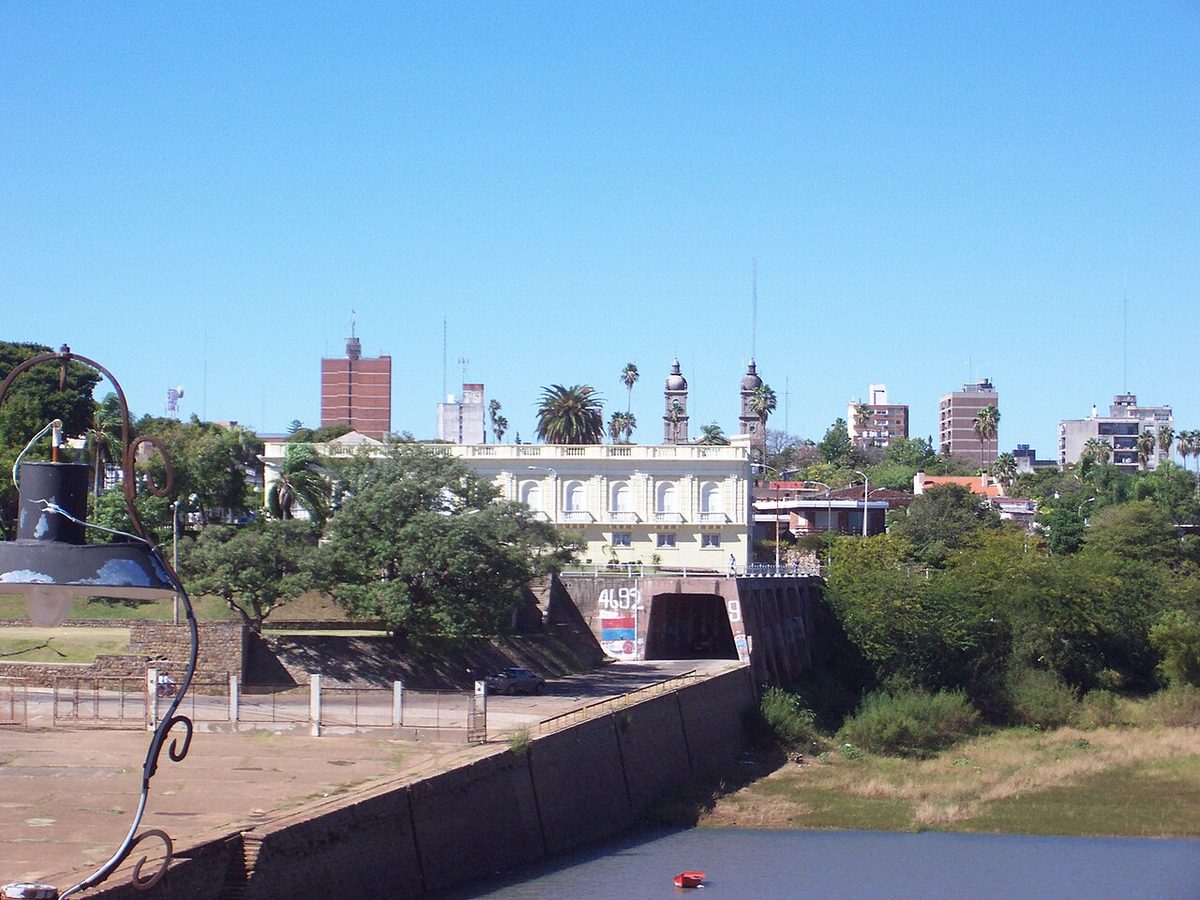
If the Basílica is the soul of Paysandú, the Costanera is its daily life. “Costanera” just means the riverfront avenue and promenade, and here it runs for a long, green stretch along the Río Uruguay, with the Rambla (the waterfront road and walkway) threading past parks, beaches, sports clubs and the amphitheater.
Come at golden hour. That is not a throwaway line; the west-facing bank means the sun sets directly across the water over Argentina, and the whole town seems to migrate to the seawall to watch it. There are sandy river beaches with lifeguards in summer, a rowing club and yacht club with real history, and enough open grass that you can claim a patch, unpack a thermos, and do as the locals do. If you have never seen the ritual up close, mate is the bitter green tea Uruguayans carry everywhere in a gourd with a metal straw, refilled obsessively from a flask of hot water, and the Costanera is the best free seat in the city to watch it in action.
The fishing here is genuinely good. The Uruguay River holds dorado and surubí, and you will see rods set up all along the bank as well as small boats heading out. Operators run river excursions that take you along both the Uruguayan and Argentine shores, which is a low-key pleasure on a warm afternoon. The drawback: the river current can be strong and the water is not always clear, so this is a place for a riverside walk and a swim at the designated beaches rather than a Caribbean-style snorkel.
Semana de la Cerveza: nine nights that take over the town
Once a year, the quiet city I have been describing detonates. The Semana de la Cerveza (literally “Beer Week”) is Paysandú’s defining event and, by attendance, one of the largest popular festivals in Uruguay. It runs over Semana de Turismo, Uruguay’s secular version of Easter week, which means the dates move every year with the Easter calendar; in 2026 the festival ran from 28 March to 5 April, nine nights in all.
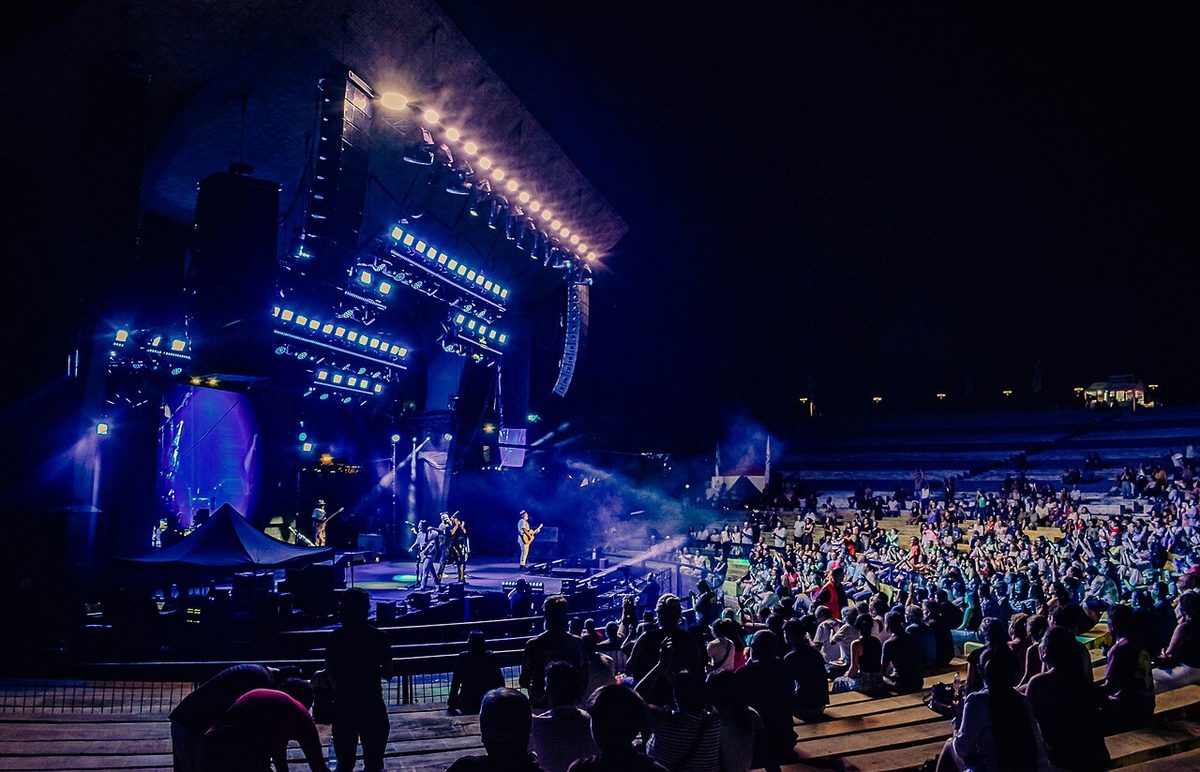
The origin story is pure Paysandú. It started in 1966 on the initiative of a worker at the Norteña brewery, the emblem of the city’s industrial heyday, with the first edition held in Plaza Constitución. It has grown without pause ever since. Today the action centers on a fairground of more than four hectares on the banks of the river, packing in the largest artisan fair in the region, family entertainment zones, food stalls, exhibitions and the patios cerveceros, the open-air beer gardens that give the week its name.
Music is the headline draw. Big-stage shows run night after night at the Anfiteatro del Río Uruguay, an open-air amphitheater on the water inaugurated in 1995. Over the decades the stage has hosted heavyweight Latin American and Uruguayan acts, from rock bands like No Te Va Gustar and La Vela Puerca to international pop names, and the 2026 lineup carried on the tradition. There are quirks too: a waiters’ race (the Carrera de Mozos), a treasure hunt, the arrival of the Vuelta Ciclista cycling tour, and the Meseta de Artigas regatta. Organizers regularly report around 200,000 people passing through over the run.
My honest take: it is a fantastic, sweaty, joyful, very Uruguayan party, and it is also when the city is at its most crowded and its hotels at their most expensive and most fully booked. If you want the festival, reserve a room months ahead or plan to stay across the bridge in Colón. If you want the calm Paysandú I fell for, come literally any other week of the year. Both are the real city; they just feel like different planets.
Meseta de Artigas: a plateau with a founding myth
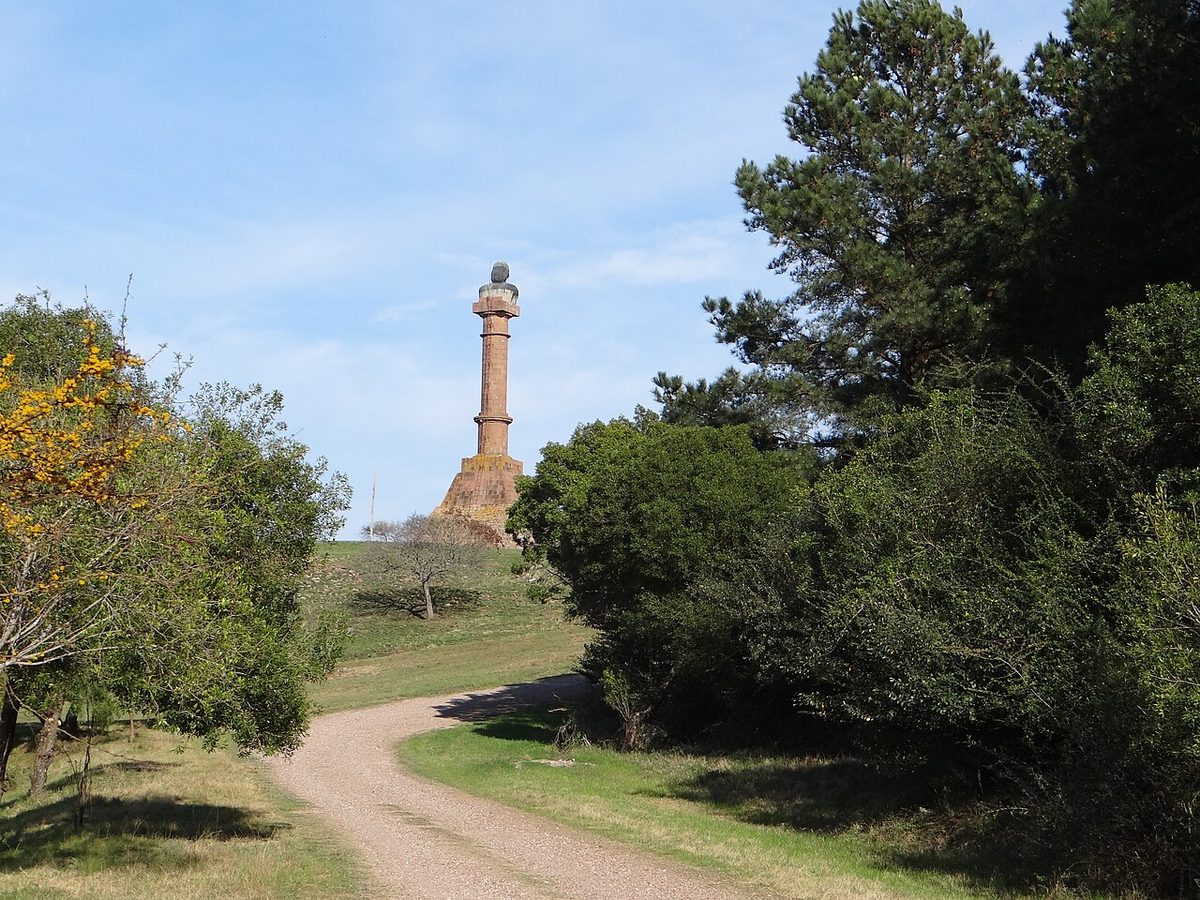
About 80 kilometers north of the city, where the Río Uruguay narrows, a high bluff rises over the water: the Meseta de Artigas. The drive out takes you through open ranch country, and the payoff is a sweeping bend of the river framed by a giant carved monument to José Gervasio Artigas, the national hero. The monument was inaugurated in 1899 and declared a national historic monument in 2003.
The deeper significance is what makes the spot worth the detour. Just north of this plateau, Artigas established the camp of Purificación, which served as the seat of government for his Federal League between 1815 and 1818. This is, in a real sense, one of the cradles of the idea of Uruguay, a place where the early notion of a free, federated people was hammered out on the riverbank. The site lends its name to the city’s beloved rowing regatta, the Regata Meseta de Artigas-Paysandú, held each year.
Set expectations honestly. This is a scenic overlook and a monument with strong historical weight, not a polished interpretive park; facilities are minimal and you will want your own vehicle, because public transport out here is sparse to nonexistent. Bring water and go for the view, the river, and the sense of standing where the country’s story partly began. It is the kind of place that rewards a slow morning. To string it together with other stops, a self-drive loop through the region works beautifully, and I have sketched ideas in my notes on a Uruguay road trip and a longer Uruguay itinerary.
The bridge to Colón: two countries in one afternoon
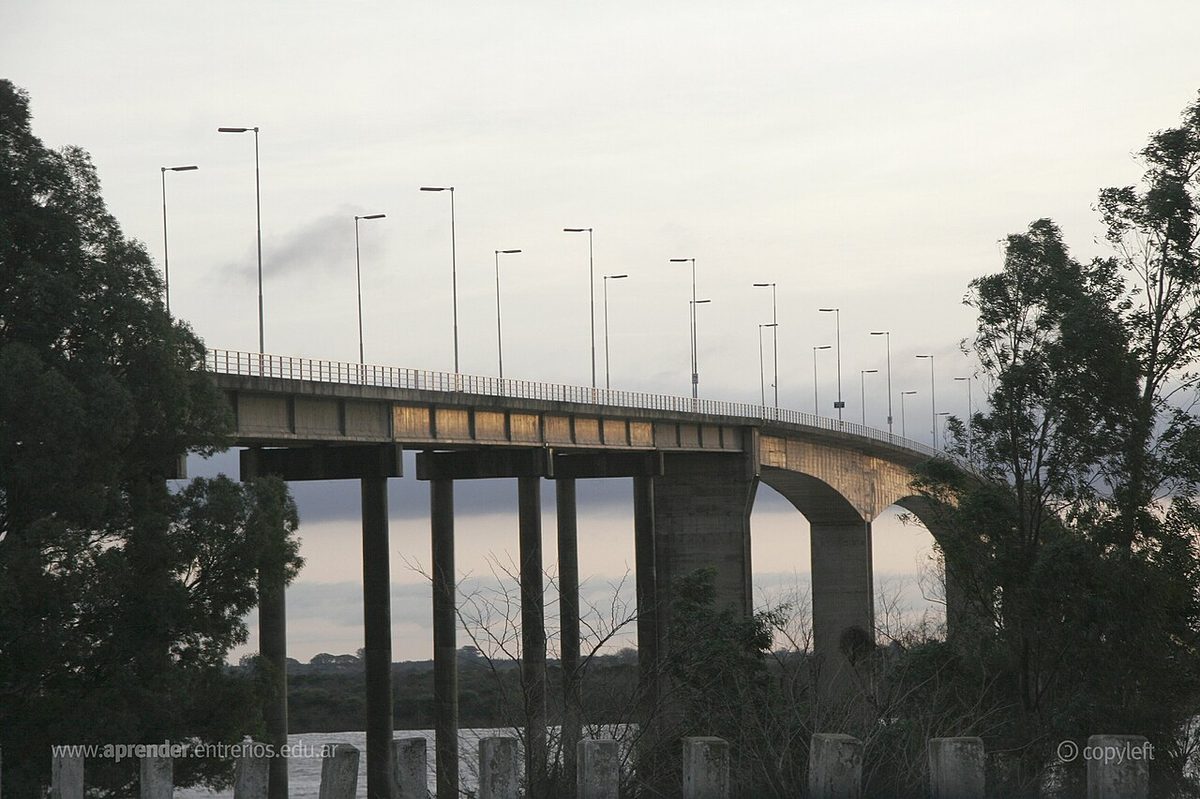
Just upriver from the city, the Puente General Artigas (General Artigas Bridge) strides across the Río Uruguay to Colón, in Argentina’s Entre Ríos province. It is one of the three road bridges linking the two countries along this river, and it makes Paysandú an easy launch pad for a cross-border day.
Colón is, frankly, the prettier of the two riverfront towns, with a leafy waterfront and a more developed tourist scene, and many travelers base themselves on one side and pop across to the other. The crossing involves immigration on both ends, so carry your passport and check the current rules before you go. The honest caveat: border procedures, opening hours and document requirements can change, and currency and customs quirks between Argentina and Uruguay shift with the economy, so confirm the latest before you commit to a plan that depends on the bridge. When it is running smoothly, you can be eating lunch in another country half an hour after leaving your hotel.
Museums, the theater and the small pleasures
Beyond the headline sights, Paysandú rewards aimless wandering. The Teatro Florencio Sánchez, named for the great Uruguayan playwright, is one of the more striking theaters in the interior of the country and worth catching a performance in if the schedule lines up. The city keeps a clutch of museums covering local and regional history, including its industrial and gaucho heritage, though hours can be erratic and labeling is in Spanish only, so treat them as a pleasant hour rather than a must-see if your time is tight.
Then there are the things that do not make any list. The old railway station. The shaded plazas. The bakeries turning out the bizcochos (small flaky pastries) that Uruguayans eat with coffee. The simple fact of a mid-size river city going about its week. This is travel for people who like to read a place by walking it, and it sits comfortably alongside the country’s more obvious highlights gathered in my rundown of the best places to visit in Uruguay.
What to eat in Paysandú
Food here is solid, hearty, litoral-Uruguayan, and built around fire. The parrilla (the grill, and by extension the grill restaurant) is the heart of it, and a proper asado, the slow wood-fired barbecue that is closer to a national ritual than a meal, is the thing to seek out. Order beef, order it generously, and do not rush.
The other essential is the chivito, Uruguay’s gloriously excessive steak sandwich, stacked with ham, cheese, egg and more, often served as a chivito al plato with chips and salad. Being a river city, Paysandú also does freshwater fish well; if dorado or surubí is on the menu, fresh from the Uruguay River, take it. Wash it down with a cold Norteña, the local beer whose brewery gave the world Beer Week in the first place; there is a pleasing symmetry to drinking it within sight of its hometown. For the full picture of what is on Uruguayan tables and how to order it, I keep a deeper guide to Uruguayan food.
One honest gripe: outside the festival, Paysandú’s dining scene is functional rather than thrilling, and it can wind down early, especially on weekday nights and on Sundays. Eat when the locals eat, which is late, and do not assume a kitchen will still be open at 11pm on a Tuesday.
Getting to Paysandú
Paysandú sits about 378 kilometers northwest of Montevideo, a drive of roughly four to four and a half hours via Route 1 and then Route 3 up the litoral. The roads are good by Uruguayan standards and the landscape is big-sky farm country, which makes self-driving the most flexible way to do it; if you are weighing the option, my notes on renting a car in Uruguay cover the practicalities. Having your own wheels also unlocks the Meseta de Artigas and the hot springs, which are awkward to reach otherwise.
If you would rather not drive, long-distance buses connect Paysandú with Montevideo (around five to six hours) and with Salto to the north (roughly two hours), and the network across the interior is reliable and comfortable; I have laid out how it works in my guide to getting around Uruguay by bus. Coming from abroad, most visitors arrive into Montevideo or cross from Argentina, and the broad strokes of getting to Uruguay are worth a read before you fix your route. From the Argentine side, the bridge from Colón puts you in town within minutes of clearing immigration.
Hot springs near Paysandú: the region’s not-so-secret draw
Here is the thing many travelers actually come north for. Paysandú department is hot-springs country. The closest is Termas de Guaviyú, a cluster of thermal pools set in shady parkland a little under an hour north of the city, low-key and popular with Uruguayan families; I have written it up in full in my guide to Termas de Guaviyú. It makes an easy half-day or day trip from a Paysandú base.
The bigger, more developed spa scene lies a bit farther north toward Salto, at places like Termas del Daymán, and the whole phenomenon, geology and all, is something I unpack in the parent guide to Uruguay’s hot springs. If thermal soaking is your main goal, you may end up basing yourself nearer the springs and treating the city as a cultural day out rather than the other way around. That is a perfectly good plan, and it is why I would not oversell Paysandú as a thermal destination in its own right; the springs are nearby, not in town.
Should you stay in Paysandú or in Salto?
This comes up constantly, because Salto, the larger city an hour or so north, has more hotels, more hot springs on its doorstep and a busier tourist infrastructure. If your trip is built around thermal resorts and you want the widest choice of spa hotels, Salto is the logical base, and I have given it its own full treatment in my guide to Salto.
I still think Paysandú is the more characterful place to sleep if you want a city with a pulse rather than a resort strip, especially for the history, the Costanera and the festival. The two are close enough that you can easily see both, and the honest answer for most people is: base where your priorities are, and day-trip the other. Either way, the broader question of how Uruguay’s accommodation works, from posadas to estancias, is covered in my overview of where to stay in Uruguay.
Where to stay in the city
In-town lodging is modest and practical rather than luxurious. You will find a handful of mid-range business-style hotels near the center and the river, a scattering of simpler hostels and guesthouses, and prices that are gentle by Uruguayan standards, often somewhere around US$50–90 for a decent double outside the festival, give or take with the season. Book a room with a river or Costanera aspect if you can; it transforms the stay.
The one time this all goes out the window is Semana de la Cerveza, when rooms vanish and rates climb steeply. For that week, reserve far ahead or consider staying across the bridge in Colón, Argentina, and commuting in for the nights. The rest of the year, you can usually turn up and find something, though a quick advance booking never hurts in a city this size.
When to go
Two answers, depending on what you want. For the Semana de la Cerveza, you are locked to Semana de Turismo, the movable Easter week that typically falls in late March or April, so check the year’s dates well in advance and build everything around them.
For everything else, aim for the shoulder seasons. October to December and March to April bring mild, pleasant weather, green countryside and long riverside evenings. I would steer you away from the depths of summer if you can manage it: January and February in the litoral are genuinely hot, with afternoon temperatures regularly climbing into the mid-30s Celsius and the record for the whole country, 44°C, set right here in Paysandú. Winter (June to August) is cool, sometimes foggy and frosty, and quieter still, which has its own melancholy appeal if you do not mind bundling up. For the small stuff that makes any trip here smoother, from cash to siesta hours, see my running list of Uruguay travel tips.
Paysandu Uruguay: your questions answered
Is Paysandú worth visiting?
Yes, if you want a real, unpolished river city rather than a postcard. Paysandú rewards travelers who enjoy history, riverside life and local rhythm over manicured sights. Give it a full day, more if you add the Meseta de Artigas or the nearby hot springs. If you only want resort-style thermal spas, you may prefer to base in Salto and day-trip here.
What is there to do in Paysandú?
The top things to do in Paysandú are the Basílica (Catedral) and Plaza Constitución, walking the Costanera along the Río Uruguay at sunset, river fishing or a boat excursion, the Teatro Florencio Sánchez, and day trips to the Meseta de Artigas and the hot springs. Once a year, the Semana de la Cerveza beer festival eclipses everything else.
When is the Semana de la Cerveza in Paysandú?
Beer Week runs for nine nights during Semana de Turismo, Uruguay’s Easter week, so the dates shift each year. In 2026 it ran from 28 March to 5 April. Because Easter moves, always confirm the official dates before booking. It draws around 200,000 people, so reserve accommodation months ahead.
How do you get from Paysandú to Colón, Argentina?
You cross the Río Uruguay on the Puente General Artigas (General Artigas Bridge), which links Paysandú with Colón in Entre Ríos province. It is a quick trip by car or bus, with immigration on both sides, so carry your passport. Border rules and hours can change, so check the current crossing status before you travel.
Is Paysandú or Salto better for hot springs?
Salto has more developed thermal resorts on its doorstep, like Termas del Daymán, so it is the stronger base for a spa-focused trip. Paysandú is closer to the quieter Termas de Guaviyú and has more historic city character. Many travelers see both, basing where their priorities lie and day-tripping the other.
How many days do you need in Paysandú?
One full day covers the city center, the Basílica and the Costanera comfortably. Add a second day for the Meseta de Artigas and a third if you want a hot-springs excursion or a hop across the bridge to Colón. During the Semana de la Cerveza, build in extra nights, since the festival itself can fill several evenings.
Final thoughts
Paysandú will never top a first-timer’s Uruguay list, and it should not. It is a second-trip city, or a slow-traveler’s city, or a base for the river and the springs. It asks a little patience and rewards it with something increasingly rare: a place that is entirely, unselfconsciously itself. Drink the local beer, watch the sun go down over Argentina, learn who Leandro Gómez was, and you will understand why a town this overlooked inspires such stubborn affection in the people who know it. I count myself among them.
Credits & sources
Sources & further reading
- Semana de la Cerveza (official site, Intendencia de Paysandú) — festival dates, program and history.
- Paysandú — Wikipedia — population, geography, history and climate data.
- Siege of Paysandú — Wikipedia — the 1864–65 siege and Colonel Leandro Gómez.
- Uruguay Ministry of Tourism — official national tourism information.
Photo credits
All images via Wikimedia Commons: Paysandu Costanera Rio Uruguay by Lucia Delpero (CC BY-SA 3.0); Basilica De Paysandu Catedral by Pimaguna (CC BY-SA 3.0); Semana De La Cerveza Paysandu by Pristafotografia (CC BY 4.0); Meseta De Artigas Paysandu by Ivelbero (CC BY-SA 3.0); Puente General Artigas Paysandu Colon by Consejo General de Educación de Entre Ríos (CC BY-SA 4.0).