The Uruguay Litoral Road Trip: Colonia to Salto (2026)
The first time I drove the Litoral, I almost talked myself out of it. Everyone in Montevideo waved toward the Atlantic and said the good stuff was east. The river side, they implied, was where Uruguayans went to work, not to wander. I went anyway, out of stubbornness, and I am glad I did.
A Uruguay litoral road trip is a self-drive route up the western edge of the country, following the Río Uruguay from Colonia del Sacramento in the south to Salto and its hot springs in the north. It runs roughly 500 kilometres over four to six days, threading together river towns — Carmelo, Mercedes, Fray Bentos, Paysandú — and finishing in warm thermal water. It is connective tissue, not a highlight reel.
The west moves at a different speed from the coast. You trade surf for a slow brown river, crowds for empty plazas, and set-piece views for the kind of afternoon where the most exciting thing that happens is a man on a horse nodding at you as he passes. That is the trip, and if it sounds like your kind of thing, here is how to drive it.
This guide covers the whole western corridor as one continuous drive: the legs between towns, how long each takes, where to sleep, what’s actually worth your time in each stop, and how to fold the termas in at the end. I link generously to the individual town guides so I can keep this piece focused on the route — the shape, the logistics, the rhythm of it.
| Leg | Distance | Drive time | Nights | Headline stop |
|---|---|---|---|---|
| Colonia del Sacramento → Carmelo | ~75 km | ~1 hr 15 min | 1 | Wine country & sandy-road calm |
| Carmelo → Mercedes | ~110 km | ~1 hr 30 min | 1–2 | Río Negro rambla & Esteros de Farrapos |
| Mercedes → Fray Bentos | ~33 km | ~30 min | 0–1 | UNESCO Anglo meatpacking site |
| Fray Bentos → Paysandú | ~110 km | ~1 hr 30 min | 1 | River city & Guaviyú springs nearby |
| Paysandú → Salto | ~120 km | ~1 hr 30 min | 2 | Termas del Daymán & Arapey |
Total driving is modest — you’re rarely more than ninety minutes between beds, which is the whole appeal. This isn’t a route you race. It’s one you let unspool.
Why drive the Litoral at all
Honesty first: the Litoral is a slow, low-key drive, and if you only have a week in Uruguay and you’ve never seen Punta del Este or the Rocha coast, I’d probably send you east instead. The west doesn’t do drama. There’s no single jaw-on-the-floor view, no beach you’ll frame on your wall. What it has is texture — working river ports, a UNESCO site most travellers have never heard of, wetlands thick with birds, and thermal pools that feel like a reward you’ve actually earned by driving to them.
I think of it as the route for a second or third trip to Uruguay, or for the traveller who’d rather have a region mostly to themselves than queue for the famous thing. If that’s you, read on. If you want the greatest hits, our broader Uruguay itinerary and the coastal-focused Uruguay road trip guide will serve you better, and you can always bolt a few Litoral days onto either.
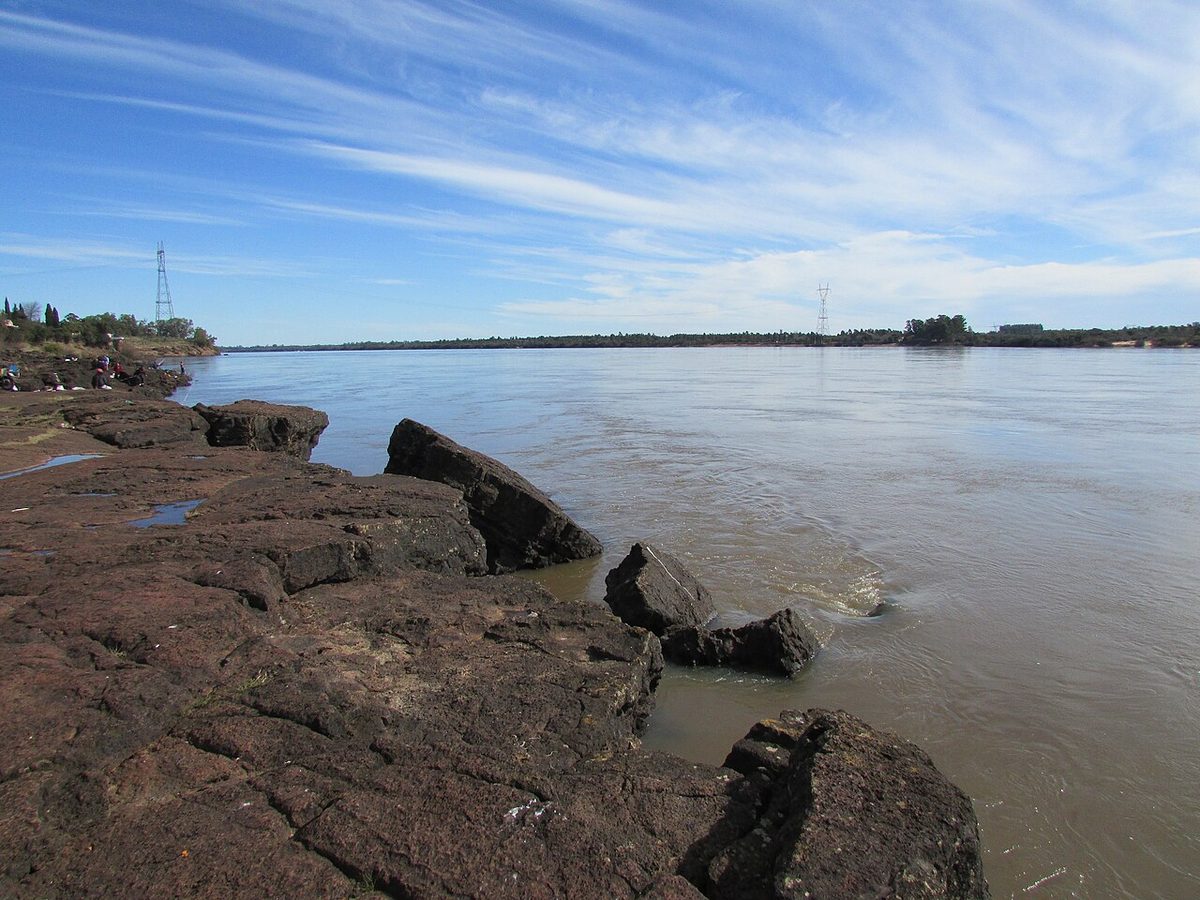
One more framing note. The Río Uruguay is the border with Argentina the entire way north, so this drive runs along an international frontier. You’ll see the bridges that cross it — at Fray Bentos and Paysandú especially — and the river feels less like scenery and more like a presence, wide and slow and the colour of weak coffee.
Leg 1: Colonia del Sacramento to Carmelo
Most people start the Litoral in Colonia, and it makes sense — it’s where the ferries from Buenos Aires land, so you can be on the road within an hour of stepping off the boat. Spend at least one night before you point the car north. The old town is a UNESCO World Heritage quarter of cobbled lanes, a squat lighthouse, and sycamores that drop leaves into the Río de la Plata. I’ve written a full breakdown in the Colonia del Sacramento guide, so I won’t re-tread it here — just don’t skip the late-afternoon hour when the day-trippers reboard their ferries and the streets go quiet and gold.
When you leave, take Ruta 21 north. It’s about 75 kilometres to Carmelo and the drive runs maybe an hour and fifteen, through flat farmland and the occasional eucalyptus windbreak. The road is paved and easy. You’ll pass the turnoff for Conchillas, a tiny English-built company town worth a ten-minute detour if you like that sort of thing.
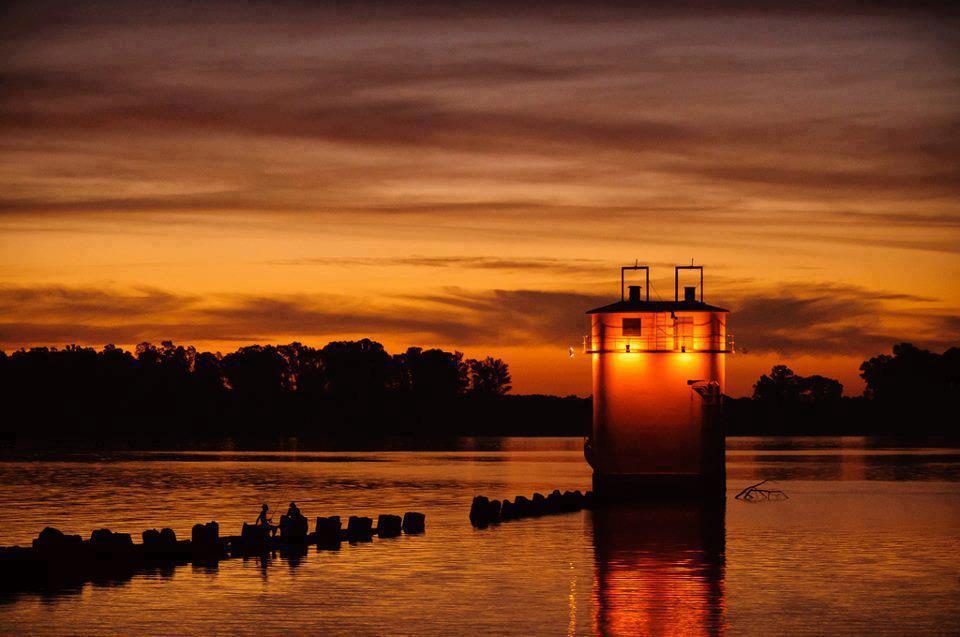
Carmelo itself is wine country and river delta rolled together. This is where the Río Uruguay starts breaking into channels and islands, and the town sits among bodegas — wineries — that you can tour and taste at, several of them family-run and refreshingly unstuffy. The other Carmelo move is to do nothing in particular: rent a bike, ride the sandy lanes out toward the rowing club, watch the sun go down over the delta. My full Carmelo guide covers the wineries and the sleepy-but-lovely waterfront in depth.
Where to sleep: Carmelo punches above its weight on lodging. There’s a famous luxury lodge on the delta if you’re splashing out, plus a clutch of mid-range posadas (small inns) in town for something more like USD 70–110 a night. Book ahead in summer; this is a weekend escape for Argentines.
The honest drawback: Carmelo’s “centre” is genuinely sleepy, and if you arrive expecting nightlife or a buzzy restaurant scene you’ll be underwhelmed. Dinner options are limited and some kitchens close early. Come for the wine and the quiet, not for action.
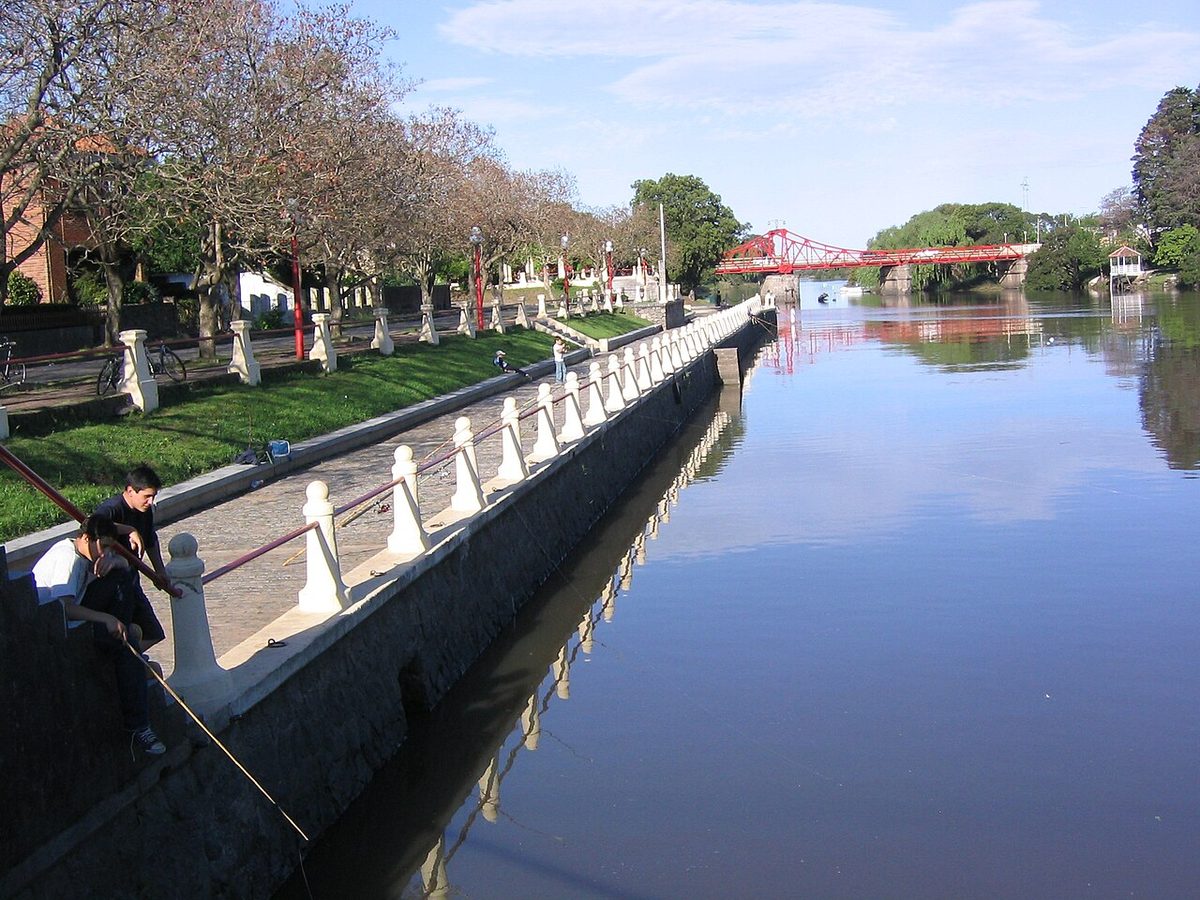
Leg 2: Carmelo to Mercedes, the Río Negro and Esteros de Farrapos
This is the leg where the trip changes character. From Carmelo you’ll head roughly 110 kilometres to Mercedes, around an hour and a half, looping up through Nueva Palmira and Dolores on Ruta 21 before the road meets Ruta 2. Dolores makes a decent coffee stop — it’s a tidy agricultural town on the Río San Salvador and rarely sees a foreign face.
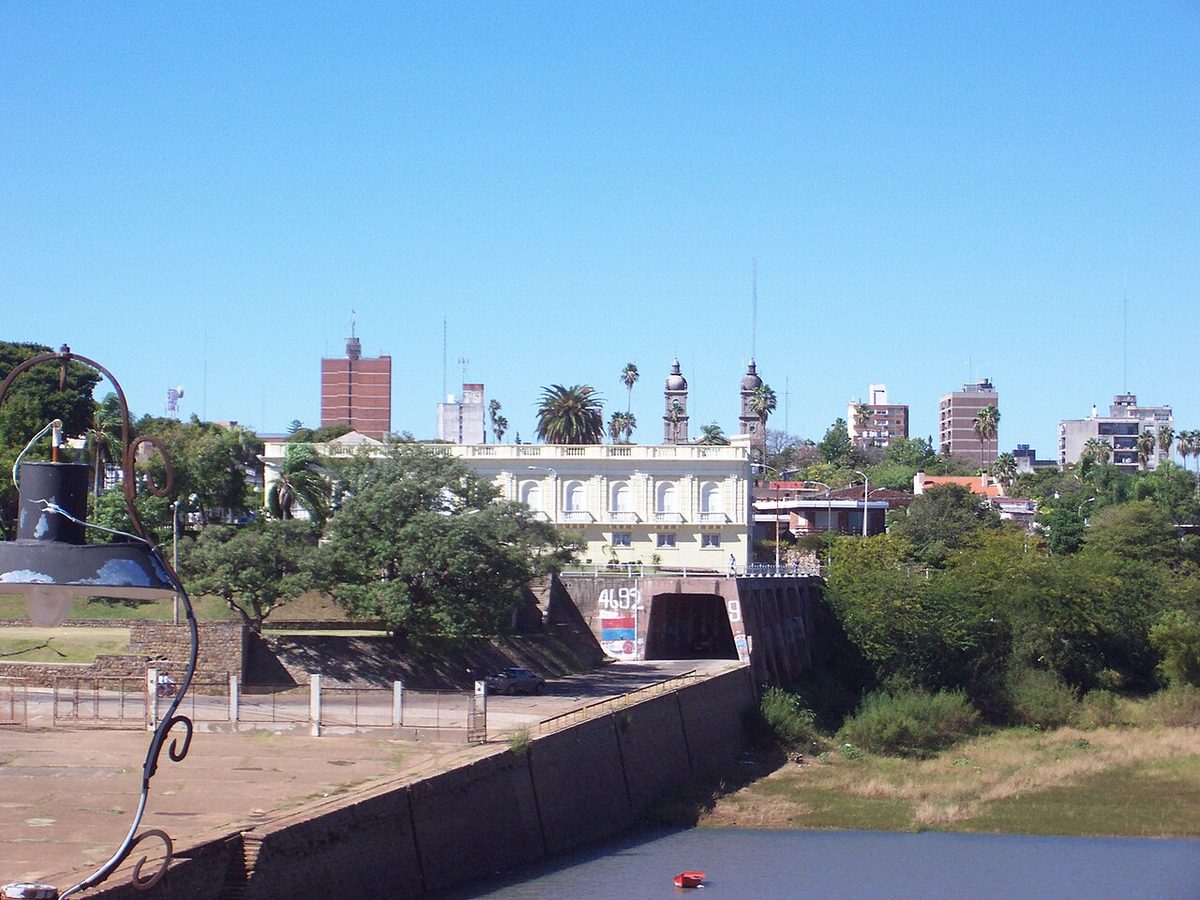
Mercedes is the quiet star of the Litoral, and the one stop I’d argue almost everyone underrates. It sits not on the Río Uruguay but on the Río Negro, Uruguay’s second river, a few kilometres before that river empties into the bigger one. The town’s pride is its rambla — the riverfront promenade — which is genuinely one of the prettiest in the country, lined with jacarandas and benches and old men sharing mate (the bitter herbal tea everyone here carries in a gourd). Walk it at dusk. Rent a kayak if the water’s calm.
The bigger reason to slow down in Mercedes is what’s just upriver: the Esteros de Farrapos e Islas del Río Uruguay, a national park of wetlands and river islands protected under the Ramsar convention. More than 250 bird species pass through — herons, storks, kingfishers, the lot — and a local operator can take you out by boat among the islands. It’s not a manicured experience. It’s mud and reeds and a guide who knows where the capybaras are. I loved it.
While you’re based here, two short detours reward an extra half-day. Villa Soriano, about 45 minutes southwest, is one of the oldest European settlements in the country — a near-frozen river village of a few hundred people, with a colonial church and a stillness that’s almost eerie. Upriver, Nuevo Berlín is another sleepy access point for the Esteros, with a small riverfront and a calmer launch for the wetlands.
Where to sleep: Stay in central Mercedes near the rambla. There are a handful of decent hotels and B&Bs in the historic core, mostly USD 50–90. I’d give Mercedes two nights if your schedule allows — one for the town, one for the Esteros and a detour.
The honest drawback: The Esteros de Farrapos has almost no tourist infrastructure. Boat trips depend on water levels, the weather, and which operator is running that day; in low season you may turn up and find nothing scheduled. Message ahead through the Mercedes tourist office rather than assuming you can just show up and hop on a boat.
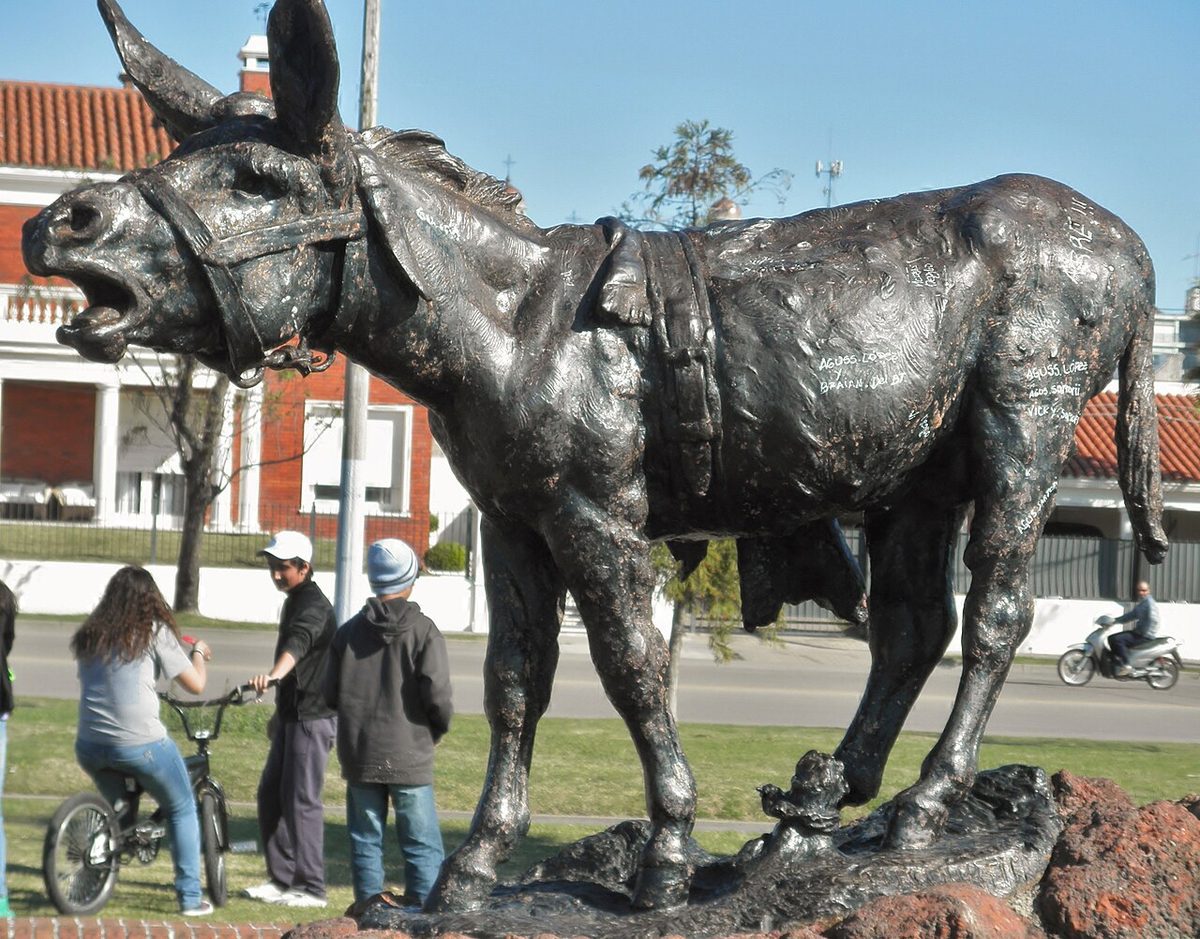
Leg 3: Mercedes to Fray Bentos
Short hop, big payoff. It’s barely 33 kilometres from Mercedes to Fray Bentos on Ruta 2 — half an hour, maybe less. You can even do Fray Bentos as a day trip from Mercedes and skip moving hotels, which is what I’d suggest if you’re tight on time.
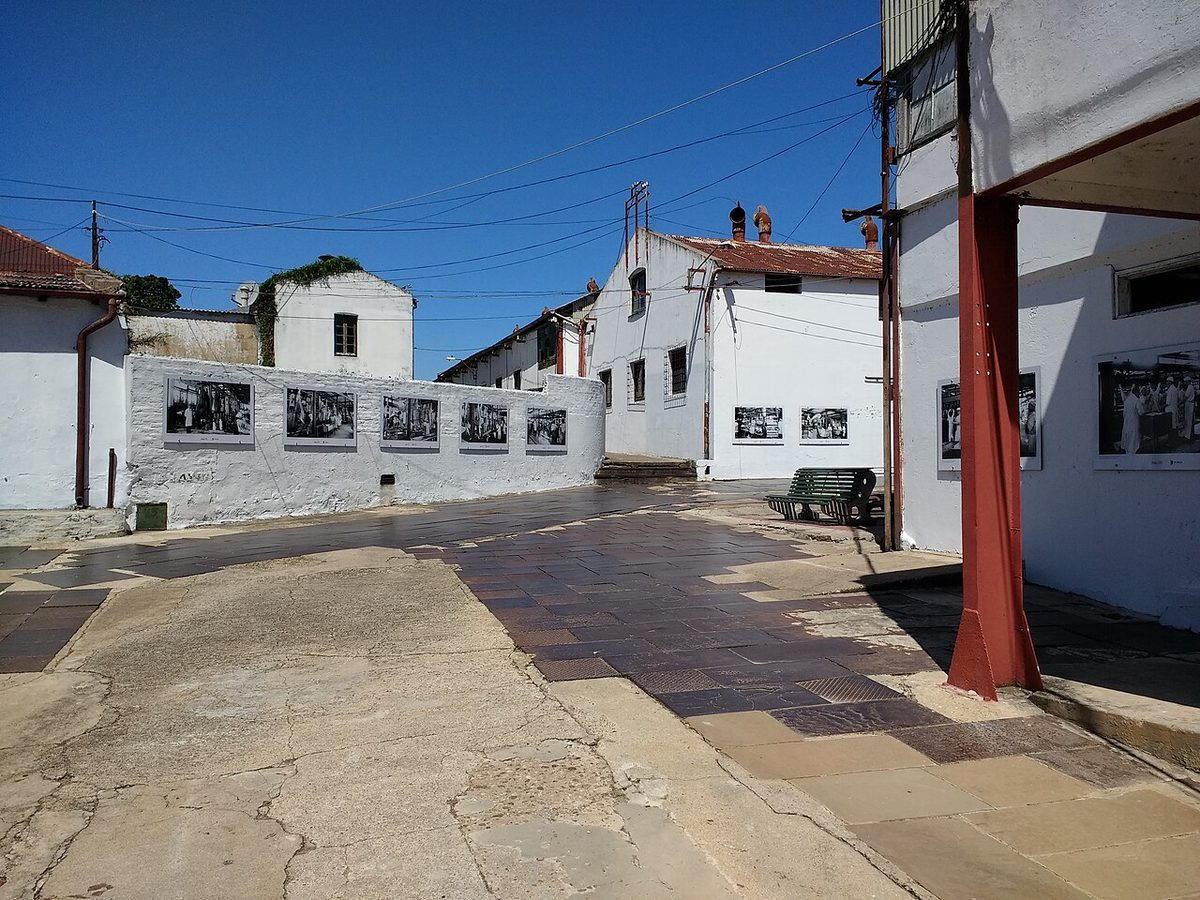
Fray Bentos is the unexpected heavyweight of this route. The town gave its name to a brand of corned beef that fed armies through two world wars, and the old meatpacking plant on the river — the Anglo, built on the bones of an earlier Liebig extract works — is now a UNESCO World Heritage Site, inscribed in 2015 as the Fray Bentos Industrial Landscape. They called this place “the kitchen of the world,” and standing inside the vast cold-storage halls and the engine rooms with their original machinery, you understand why. Workers from more than fifty nations once lived here. It’s part factory, part company town, part time capsule.
The on-site Museum of the Industrial Revolution runs guided tours, and I’d take one rather than wandering alone — the guides bring the place alive in a way the silent machinery can’t. Budget a couple of hours. The full story, including practical visiting hours and how to combine it with the town, is in my Fray Bentos guide, and it also features in our roundup of Uruguay’s UNESCO sites.
Beyond the Anglo, Fray Bentos has a pleasant riverfront and the long international bridge to Argentina arcing across the water. It’s a working town, not a resort, and it wears that lightly.
Where to sleep: If you do overnight, Fray Bentos has a few modest hotels around USD 50–80. Honestly, though, Mercedes is the nicer base and it’s only half an hour away.
The honest drawback: Outside the UNESCO site, Fray Bentos doesn’t give you a lot to do. If industrial heritage leaves you cold, you’ll see the highlight in two hours and find the rest of the town quiet to the point of sleepy. Plan it as a focused half-day, not a destination in itself.
Leg 4: Fray Bentos to Paysandú
Back on the road. From Fray Bentos you’ll run about 110 kilometres north to Paysandú, around an hour and a half, on Ruta 2 then Ruta 3 by way of the farming town of Young. It’s straightforward paved highway through cattle and soy country — keep an eye out for the occasional slow truck and the odd stretch where the shoulder crumbles, but nothing tricky.
Paysandú is the biggest city you’ll hit on the Litoral, and it has a different energy from the river villages — more of a real working city, with a proper main street, a grand neoclassical cathedral, and a riverfront where families gather on weekends. It’s the kind of place where you can finally get a wide choice of dinner and a decent coffee at ten at night. The city is famous nationally for its Easter “Semana de la Cerveza” beer festival, which is enormous if you happen to overlap with it. My Paysandú guide goes deep on what to see and where to eat.
The city is also your gateway to the first of the hot springs. The Termas de Guaviyú lie about an hour north of the city, off Ruta 3, and they’re the most low-key and local-feeling of the Litoral’s thermal complexes — big shaded pools, lots of Uruguayan families, camping under the trees, and prices that barely register. If you want to start easing into thermal-pool mode before you reach the bigger resorts at Salto, Guaviyú is a lovely first dip.
Where to sleep: Stay central in Paysandú near the cathedral and the main avenue. There’s a decent range of city hotels, roughly USD 55–100, and far more restaurant choice than anywhere else on the route. Alternatively, some travellers overnight right at Guaviyú in the cabins or campground to wake up next to the pools.
The honest drawback: Paysandú is a workaday city, not a charmer. The centre can feel a little grey and traffic-heavy after the postcard quiet of Carmelo and Mercedes, and the riverfront, while pleasant, isn’t dramatic. Treat it as a comfortable, well-serviced waypoint rather than a place you’ll fall in love with.
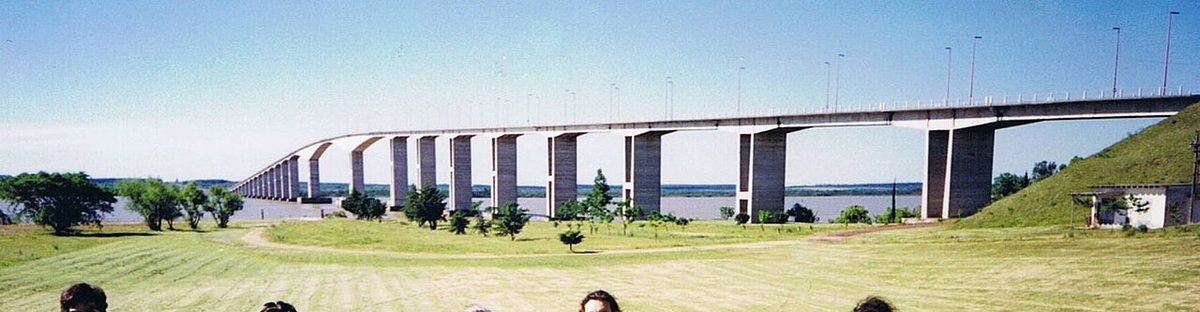
Leg 5: Paysandú to Salto and the termas
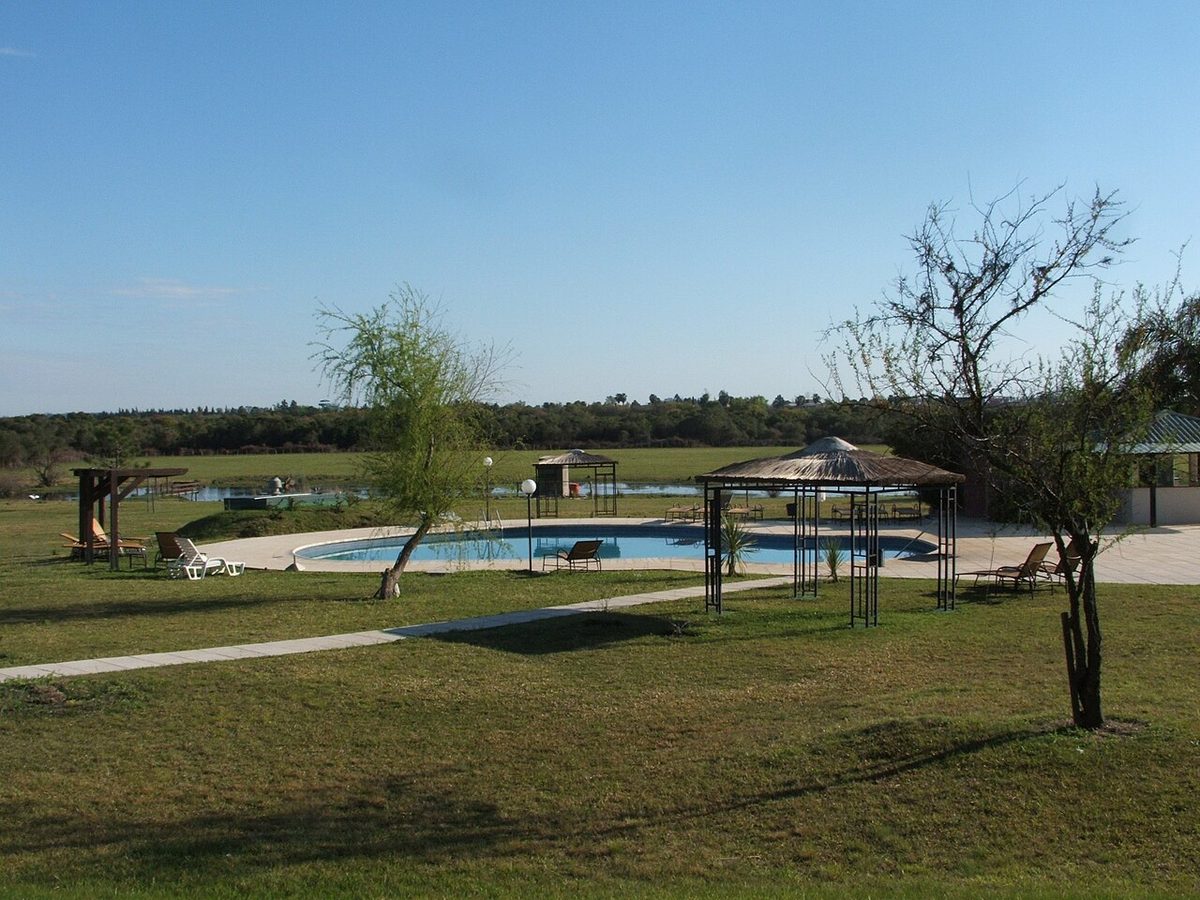
Now the final leg, the one the whole drive has been building toward. It is roughly 120 kilometres from Paysandú to Salto on Ruta 3, another hour and a half of easy highway. Salto is Uruguay’s third-largest city, sitting right on the river across from the Argentine city of Concordia, and it’s the hub for the country’s hot-springs region — the reason most people venture this far north at all.
Give the city itself a little time before you dissolve into a thermal pool. Salto has a handsome historic centre, a good riverfront, and the massive Salto Grande hydroelectric dam just upstream — a binational engineering project you can sometimes visit. My Salto guide covers the city in full, and the wider hot-springs context lives in the parent Uruguay hot springs guide, which is the piece to read if you’re deciding which termas suit you.
Here’s the quick version of your thermal choices, all within an easy drive of Salto:
- Termas del Daymán — the closest and busiest, about 10 kilometres south of Salto. A whole little resort town built around the pools, with hotels, a water park, and a sociable, slightly commercial buzz. Easiest to reach, least tranquil.
- Termas de Arapey — about 90 kilometres north of Salto, more spread out and resort-like, set among parkland by the Río Arapey. Quieter and greener, better for a proper soak-and-stay.
- Termas de Guaviyú — back toward Paysandú, the most rustic and cheapest, as noted above.
My honest steer: if you only have time for one and want the easiest hit, do Daymán. If you’ve driven all this way and want the soak to feel like a genuine reward, push on to Arapey or sleep at Guaviyú on the way up. The water at all of them comes out of the ground naturally warm — the genuine article, not heated swimming pools.
Where to sleep: You’ve got two models. Either base in Salto city (more restaurants, USD 50–100) and day-trip to the pools, or stay at the termas in a thermal hotel where the pools are steps from your room (anywhere from budget cabins to USD 120-plus resort rooms). For a relaxed finish to the drive, I’d stay at the springs.
The honest drawback: The termas are unapologetically domestic-tourism territory. Daymán especially can feel crowded and a touch tacky in peak summer and on long weekends, with water parks and packed pools rather than serene spa silence. If you’re picturing a hushed luxury bathhouse, recalibrate — this is family-holiday thermal bathing, Uruguayan style, and better for it once you stop expecting otherwise.
Planning your Litoral road trip
Car rental and one-way logistics
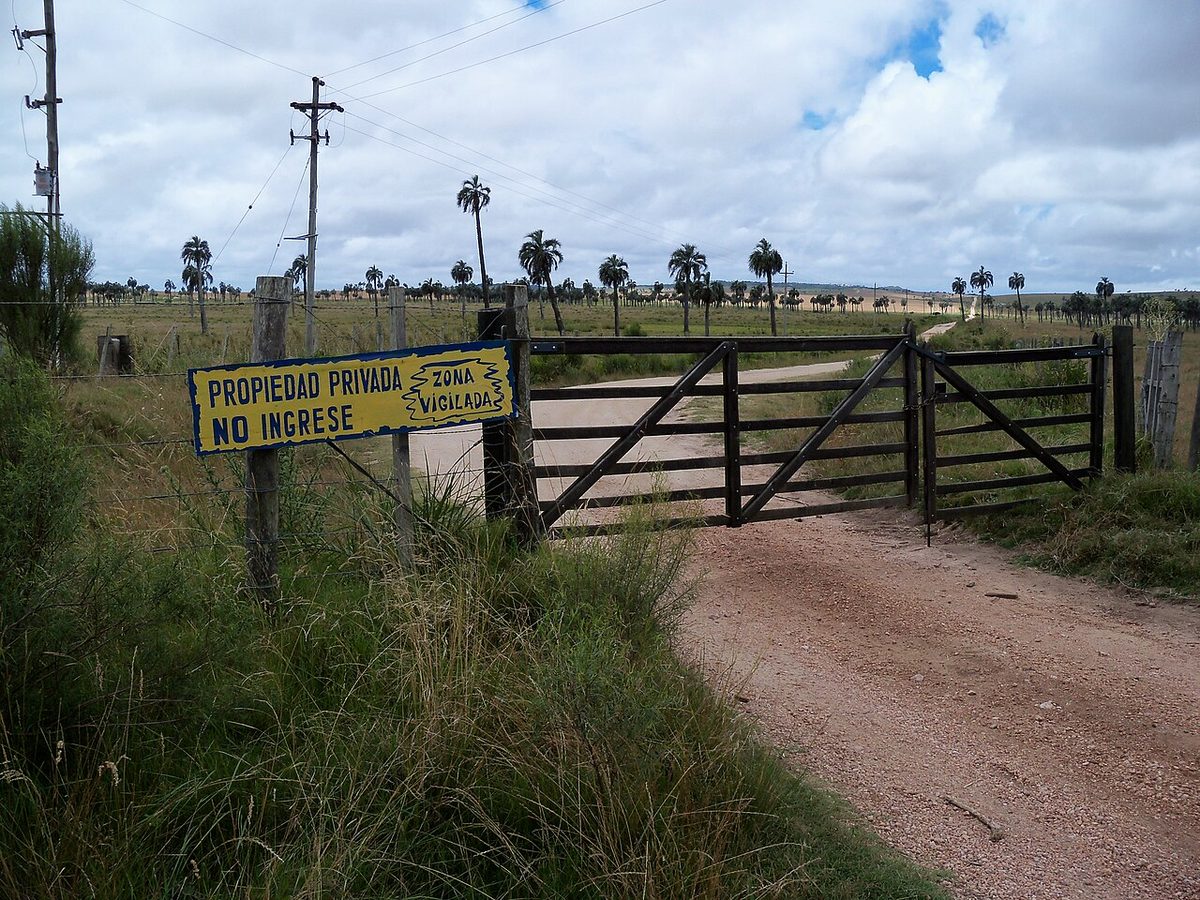
You really do want your own car for this. Buses connect the towns (more on that below), but the whole pleasure of the Litoral is stopping where you like — a roadside parrilla (grill restaurant) here, a river overlook there. Pick the car up in Colonia or Montevideo and, ideally, arrange to drop it in Salto so you don’t have to backtrack 500 kilometres. That one-way arrangement usually carries a drop-off fee, and it’s the single thing I’d nail down in writing before you book — fees vary a lot between companies and can be steep. Our renting a car in Uruguay guide walks through the paperwork, insurance, and what to check at handover.
From Salto you can fly back to Montevideo (there are limited domestic flights), take a long-distance bus, or cross into Argentina at Concordia. Factor your exit into where you return the car.
Roads, ripio and conditions
Good news: the Litoral’s main arteries — Rutas 21, 2 and 3 — are paved the whole way, and the driving is genuinely relaxed by international standards. You’ll meet very little traffic between towns. The one thing to watch is ripio — unpaved gravel roads — which is what you’ll hit if you turn off the main routes toward places like Villa Soriano or some of the Esteros access points. Ripio is fine in a normal car if you go slowly and it’s dry, but it turns greasy after rain. Check the forecast before any gravel detour, and don’t book a tiny economy car if you plan a lot of them.
When to go
Spring (October to December) and autumn (March to May) are the sweet spots. The Litoral gets genuinely hot in midsummer — January temperatures regularly push past 35°C inland, which is brutal for sightseeing but, oddly, doesn’t stop Uruguayans piling into the thermal pools. Winter (June to August) is mild and quiet, and counterintuitively it’s prime termas season precisely because the warm water feels best when the air is cool. Avoid Easter week and the January peak if you want the towns to yourself.
How many days
Four days is the rushed minimum: a night each in Carmelo, Mercedes, Paysandú and Salto, blitzing Fray Bentos as a stop. Five or six is the comfortable version, with a second night in Mercedes for the Esteros and a proper two nights at the termas to actually unwind. I wouldn’t try to do it in three; you’d spend the trip in the car.
Food and budget
Eat like a Uruguayan and you’ll eat well and cheaply. The Litoral runs on asado — wood-fired barbecue — and every town has a parrilla grilling beef over coals. Expect a hearty meal with wine for around USD 15–25 a head. River fish like dorado shows up on menus near the water. Overall, the west is cheaper than Montevideo or the Atlantic coast: lodging, food and the termas all cost less than their eastern equivalents. Budget travellers can do this comfortably; our where to stay in Uruguay guide has the lodging lay of the land if you want to plan beds in advance.
Doing it by bus instead
It’s entirely possible without a car, just slower and less spontaneous. Frequent long-distance buses link Colonia, Carmelo, Mercedes, Fray Bentos, Paysandú and Salto, and they’re cheap and comfortable. The catch is the in-between: the Esteros de Farrapos, Villa Soriano, and the termas (except Daymán, which has a local bus from Salto) are hard to reach without your own wheels. If you go busless, base yourself in the towns and accept you’ll skip some of the rural detours. For first-timers weighing the trade-offs, our general Uruguay road trip planning notes and the getting to Uruguay guide are both worth a look.
Uruguay Litoral Road Trip: your questions answered
How many days do you need for the Uruguay Litoral road trip?
Four days is the practical minimum and five to six is more comfortable. With four you overnight in Carmelo, Mercedes, Paysandú and Salto, treating Fray Bentos as a quick stop. Adding a night or two lets you explore the Esteros de Farrapos wetlands near Mercedes and properly relax in the hot springs at the end rather than rushing the soak.
What is the best route from Colonia to Salto?
The classic line follows the Río Uruguay north: Colonia to Carmelo on Ruta 21, up through Dolores to Mercedes on Ruta 2, a short hop to Fray Bentos, then north via Young to Paysandú and on to Salto on Ruta 3. It’s roughly 500 kilometres of mostly paved road, and the river stays close to your left almost the entire way.
Is the Litoral worth visiting compared to the Uruguayan coast?
It depends what you want. The Atlantic coast has the beaches, the nightlife and the famous names. The Litoral is slower, cheaper and far less touristed — river towns, a UNESCO industrial site, wetlands and thermal pools. For a first trip I’d lean coastal; for a second visit, or for travellers who prefer quiet over crowds, the west is a rewarding change of pace.
Can you do the Litoral road trip without a car?
Yes, but with compromises. Frequent buses link all the main towns from Colonia to Salto cheaply and reliably. What you lose is the rural in-between — the Esteros de Farrapos, Villa Soriano and most of the termas need a car or a local tour. If you’re carless, stick to the towns and pick one thermal complex (Daymán) that has bus service from Salto.
Which hot springs should I choose at the end?
For the easiest access, Termas del Daymán, ten kilometres from Salto, with the most hotels and the liveliest scene. For a quieter, greener soak, push north to Termas de Arapey. For rustic and cheap, Guaviyú near Paysandú. All draw genuinely warm water straight from the ground. Read the parent hot-springs guide to match a complex to your style before you commit.
Final thoughts
What stays with me about the Litoral isn’t a single sight — it’s the accumulation of small, unhurried things. A kayak on the Río Negro at golden hour. The cathedral hush of the Anglo’s cold-storage halls. A plate of asado in a Mercedes parrilla where I was the only foreigner. And then, at the end of all those kilometres, lowering myself into water that came out of the earth warm, watching the steam rise into a cool evening. The west asks for patience and gives back something gentler than the coast. Take the slow road. It’s the point.
Credits & sources
Sources & further reading
- UNESCO World Heritage Centre — Fray Bentos Industrial Landscape
- Uruguay Ministry of Tourism (Ministerio de Turismo)
- Esteros de Farrapos e Islas del Río Uruguay National Park
Photo credits
All images via Wikimedia Commons: Rio Uruguay Litoral River View by Dario Alpern (CC BY-SA 3.0); Carmelo Uruguay Arroyo De Las Vacas by Phil Whitehouse (CC BY 2.0); Mercedes Uruguay Rambla Rio Negro by Galizbet (CC BY-SA 3.0); Puente Fray Bentos Rio Uruguay Bridge by Foto familiar (CC BY-SA 4.0); Termas Dayman Salto Hot Springs by Fadesga (CC BY-SA 3.0); Ruta Uruguay Campo Countryside Road by butiacero (CC BY-SA 3.0).