12 Best Day Trips from Montevideo (2026)

The first time I treated Montevideo as a base camp instead of a destination, I felt slightly guilty about it. But over three days I drove west to Colonia, east along the coast, and inland through gaucho country, and that experiment taught me more about Uruguay than any neighborhood crawl ever did.
Distances here are forgiving. You can stand on the Rambla at breakfast and be walking cobblestones in a UNESCO town well before lunch.
The best day trips from Montevideo are Colonia del Sacramento, Piriápolis, and the Canelones wine country for first-timers, plus Punta del Este, Atlántida, and a clutch of interior towns like San José de Mayo and Minas for travelers with more time. All sit within roughly 30 minutes to 2.5 hours by bus or car, which makes the capital an unusually good base.
This guide is the honest version. I cover twelve destinations grouped west, along the coast, and inland, with how to get to each one, why it earns the trip, how long to allow, and one real drawback for every single stop. I also tell you which places are genuinely too far to do well in a day, because a few popular lists quietly stretch the truth there. Where a destination has its own deep guide on this site, I link you straight to it rather than repeating myself.
| Destination | Distance / time from Montevideo | How to get there | Why go | Time to allow |
|---|---|---|---|---|
| Colonia del Sacramento | ~180 km / 2–2.5 hr | Frequent direct buses; or drive Ruta 1 | UNESCO old town, river light | Full day |
| Canelones / Las Piedras wine country | ~25–45 km / 30–60 min | Car, taxi, or winery transfer | Tannat bodegas, lunch | Half to full day |
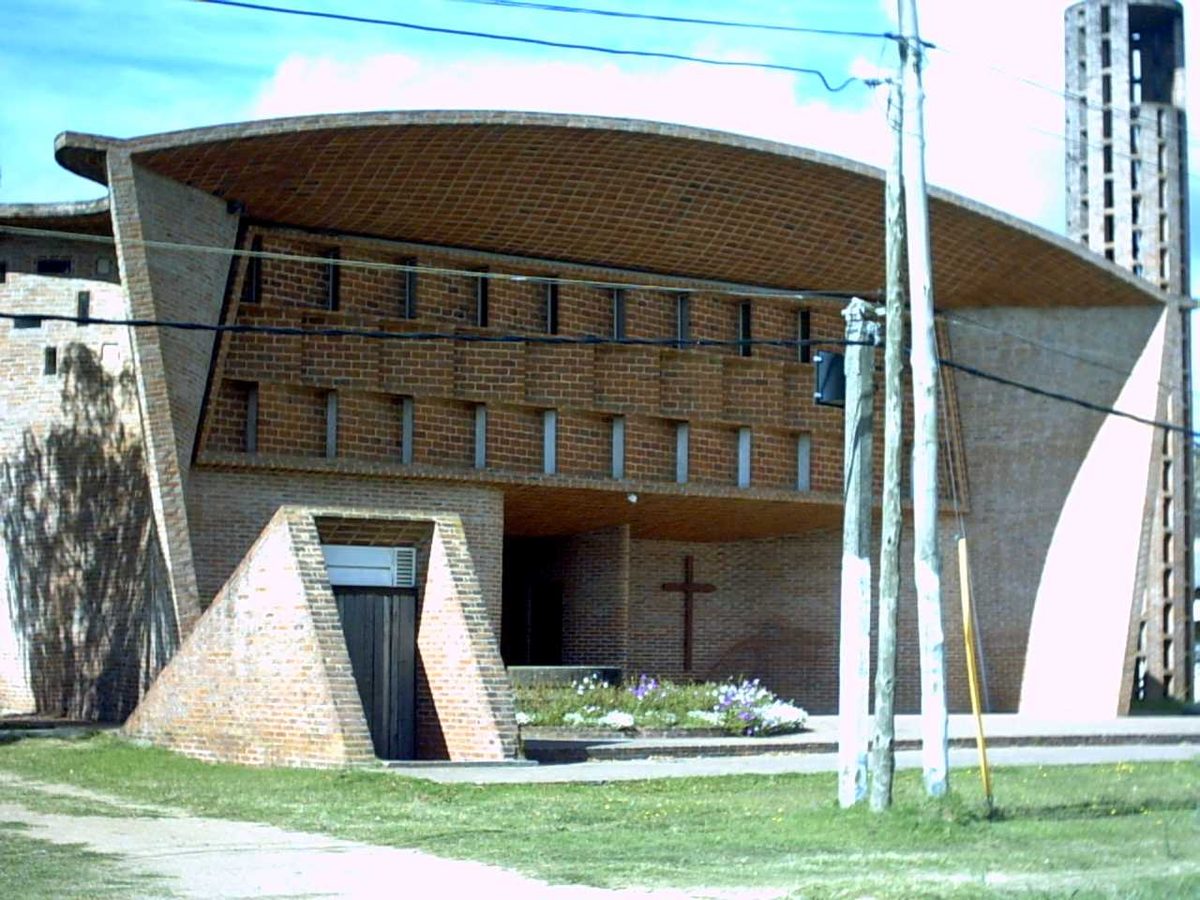
| Atlántida | ~45 km / 45–60 min | COT/coastal buses; or drive Ruta IB | Dieste’s concrete church, beach | Half day |
| Santa Lucía / Parque Roosevelt | ~35–65 km / 45–75 min | Suburban bus or car | River, green space, easy escape | Half day |
| Piriápolis | ~100 km / 1.5 hr | COT and others; or drive | Old resort, chairlift, hills | Full day |
| Punta del Este | ~130 km / ~2 hr | Frequent buses; or drive Ruta IB | Beaches, La Mano, Casapueblo | Long full day |
| San José de Mayo | ~95 km / ~1.5 hr | Bus or car west on Ruta 1 | Quiet plaza town, theatre | Half day |
| Florida | ~95 km / ~1.5 hr | Bus or car north | National shrine, river beach | Half day |
| Minas & Cerro Arequita | ~120 km / ~2 hr | Bus to Minas; car best for the hills | Sierras, caves, waterfalls | Full day |
| Villa Serrana (Lavalleja) | ~140 km / ~2.5 hr | Car strongly recommended | Hill hamlet, lake, quiet | Full day |
| Costa de Oro beaches | ~45–90 km / 45 min–1.5 hr | Coastal buses or car | Strings of quiet beach towns | Half to full day |
| Cabo Polonio / deep Rocha | ~250–270 km / 3.5–4 hr+ | Bus plus 4×4 over dunes | Honestly, an overnight, not a day trip | 1–2 nights |
Heading west: the river side of Uruguay
West of the capital, the country flattens into farmland and the Río de la Plata widens until the far bank disappears. This is the direction most first-timers point on day one, and for good reason. The road is fast, the buses are constant, and the payoff at the end is the most photogenic town in the country. For the bigger picture before you pick a direction, my guide to the best things to do in Uruguay sets the table nicely.
1. Colonia del Sacramento
Colonia is the day trip everyone takes, and the rare famous thing that earns it. The Barrio Histórico, a Portuguese-then-Spanish smuggling port, is now a UNESCO World Heritage quarter of cobbled lanes, a stubby lighthouse, and walls the colour of weak tea. You can see the core in an afternoon, which is exactly why it works as a day trip.
Getting there is the easy part. Several companies run buses more or less hourly from Tres Cruces terminal, and the fast ones take around two hours; budget two and a half if you catch a stopping service. Operators, fares and the no-ferry confusion are covered in my guide to the bus ride out to Colonia. Driving Ruta 1 takes a similar time and gives you the freedom to stop. I would not bother renting a car solely for Colonia, though, since the town is best on foot and parking inside the old quarter is tight.
Honest drawback: day-trippers and the Buenos Aires ferry crowd arrive in the same late-morning window, so the Calle de los Suspiros gets a queue of cameras. Go early or linger past five, when the buses thin out and the river light turns gold. For everything the town holds beyond a day, see the full Colonia del Sacramento guide.
2. Canelones and Las Piedras wine country
Wine surprises people here, and Canelones is where the surprise starts. The department wraps around the north and west of the city, which means some of Uruguay’s best bodegas — the local word for a winery — sit 30 to 60 minutes from your hotel door. A bodega is the tasting room, the cellar, and very often a serious lunch all in one building.
Bouza is the famous one, close enough to the city that a taxi makes sense, and it pairs Tannat — Uruguay’s bold, inky signature grape — with a kitchen worth the visit alone. Juanicó, Pizzorno, and others spread out toward Las Piedras and Canelón Chico. Most want a reservation, and several arrange transfers if you ask, which solves the obvious problem.
That problem is the drawback: tasting and driving do not mix, and rural buses out here are sparse and slow. Either hire a driver, take a winery transfer, or build the day around one bodega you can reach by taxi. Do not try to string three together by public transport. The full lay of the land, region by region, lives in the Uruguay wine country guide, and it is the single best prep for this trip.
Along the coast: beaches, concrete, and an old grand resort
East of Montevideo the land meets the Atlantic in a long ribbon of beach towns, and the road hugs it most of the way. These are the trips for sun, sand, and one genuinely world-class piece of architecture that almost no one outside Uruguay knows about. Pack swimwear even in shoulder season, because the light here changes the moment you want a swim.
3. Atlántida
Atlántida is the closest “real” coast town, 45 minutes to an hour out, and it punches far above its size for one reason: the Cristo Obrero church in nearby Estación Atlántida. Eladio Dieste, an engineer most travelers have never heard of, built undulating walls of bare brick that ripple like fabric, and the result is now a UNESCO World Heritage Site. Standing inside it rearranged how I think about what brick can do.
Coastal buses run frequently from Tres Cruces, and the drive on Ruta IB is quick. The beach itself, with its eagle-shaped concrete lookout, El Águila, makes an easy half-day. Combine the church and a beach lunch and you are back in the city by mid-afternoon.
Honest drawback: the church sits a few kilometres inland from the beach, so without a car you will need a short taxi or a patient wait for a local bus to connect the two. Worth it. For where this fits among the country’s shorelines, see my coast-by-coast take on the best beaches in Uruguay.
4. Piriápolis
Piriápolis feels like a seaside resort that time forgot, in the best way. Francisco Piria built it in the early twentieth century as a complete vision, grand hotel and all, and the bones of that ambition still show along the Rambla de los Argentinos. A chairlift, the aerosilla, lifts you up Cerro San Antonio for a view over the whole bay.
Buses take around an hour and a half from the capital, with COT among the regular operators, and the drive is similar. The town is compact and walkable once you arrive, so a car is convenient but not essential unless you want to chase the nearby hills like Pan de Azúcar.
Drawback worth knowing: out of summer, Piriápolis can feel half-asleep, with shuttered restaurants and a quiet promenade. That emptiness is romantic in April and a little bleak in July, so set your expectations to the season. It earns a spot on most rundowns of the best places to visit in Uruguay for exactly that faded-grandeur character.
5. Punta del Este
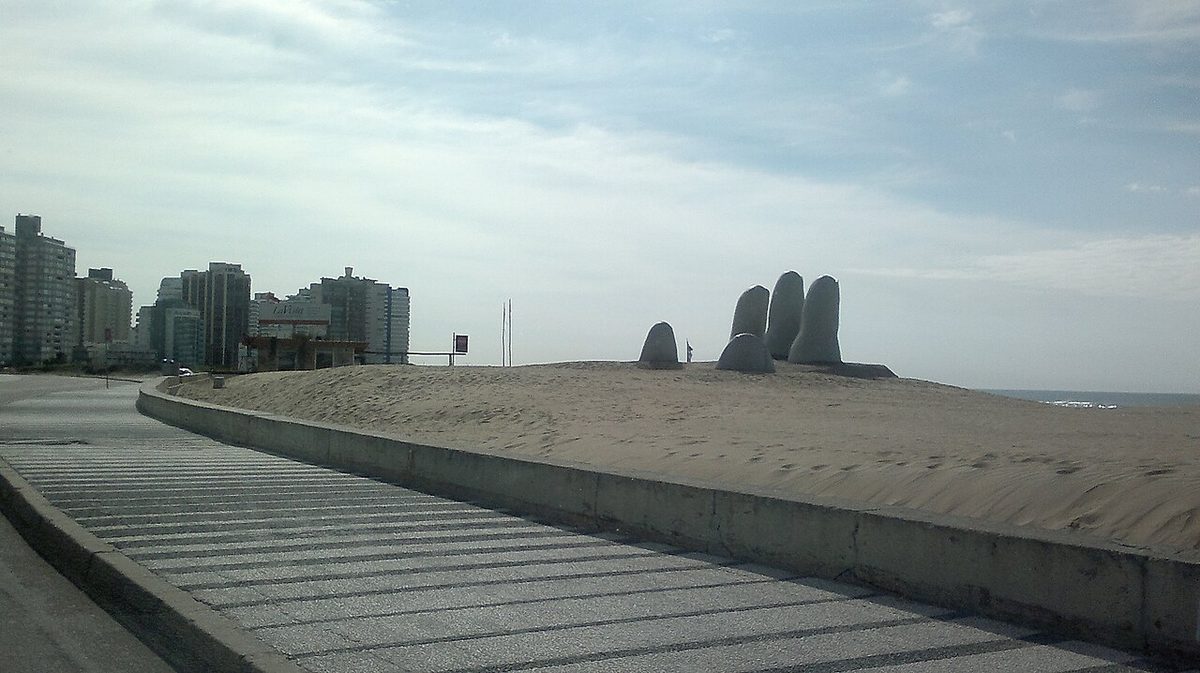
Punta is the glamorous one, the so-called St-Tropez of South America, and it is absolutely doable as a day trip — with a caveat I will get to. Frequent buses cover the roughly two-hour run, and Ruta IB makes the drive painless. In a single day you can photograph La Mano, the giant concrete hand clawing out of Playa Brava, see the headland where the river meets the sea, and eat well.
Casapueblo, the sculpted white villa of artist Carlos Páez Vilaró, sits just west at Punta Ballena and deserves its own slot; sunset there is the classic move if you can stretch the day. The chic village of José Ignacio lies further east again, lovely but a real reach without your own wheels.
Here is the caveat, and the drawback: Punta is a long full day, and trying to bolt Casapueblo, the peninsula, and José Ignacio onto one trip leaves you rushed and a little resentful. Pick two. Better yet, read the full Punta del Este travel guide and consider an overnight, then use the dedicated Casapueblo sunset guide and the José Ignacio village guide to choose what actually fits your hours.
One more practical note: the route itself has several options, from express buses to door-to-door transfers, and I break them all down in Montevideo to Punta del Este. Read it before you commit to a same-day return.
Heading inland: plaza towns, sierras, and gaucho country
Turn your back on the coast and Uruguay gets quieter, greener, and far less touristed. These are the trips almost no day-trip list bothers with, which is precisely why I love them. Interior towns trade beaches and crowds for shaded plazas, river swimming holes, and the low rumpled hills locals call the sierras. Bring patience for thinner bus schedules.
6. San José de Mayo
San José de Mayo, usually just called San José, is a handsome provincial capital about an hour and a half west on Ruta 1. Its centrepiece is a grand old theatre, the Teatro Macció, that feels improbably ornate for a town this size, ringed by a calm plaza and low nineteenth-century streets. This is small-city Uruguay with the volume turned down.
Buses heading toward Colonia or the interior pass through regularly, and the drive is straightforward. A half-day is plenty: a coffee on the plaza, the theatre, the cathedral, a slow lunch.
Drawback, plainly: there is no single blockbuster sight here, so if you need a marquee attraction to justify a trip, San José will underwhelm you. Come for the unhurried ordinary-Uruguay texture or skip it. If that texture appeals, the country’s lesser-visited corners are full of towns just like it.
7. Florida
Florida matters to Uruguayans the way few towns do: it is where independence was declared, and the Piedra Alta and the national shrine, the Santuario, draw pilgrims and school trips alike. About an hour and a half north of the capital, it sits on the Santa Lucía Chico river, which gives it a modest river beach for hot afternoons.
Regular buses serve the route, and driving north is simple enough. Pair the civic monuments with a riverside stroll and you have a relaxed half-day with a strong sense of place.
Honest drawback: outside the patriotic dates in May, Florida is sleepy, and the historical significance lands harder if you know the backstory than if you arrive cold. Read a paragraph about 1825 first and the visit pays off. To slot it sensibly into a longer trip, my Uruguay itinerary planner shows where interior detours actually fit.
8. Minas and Cerro Arequita
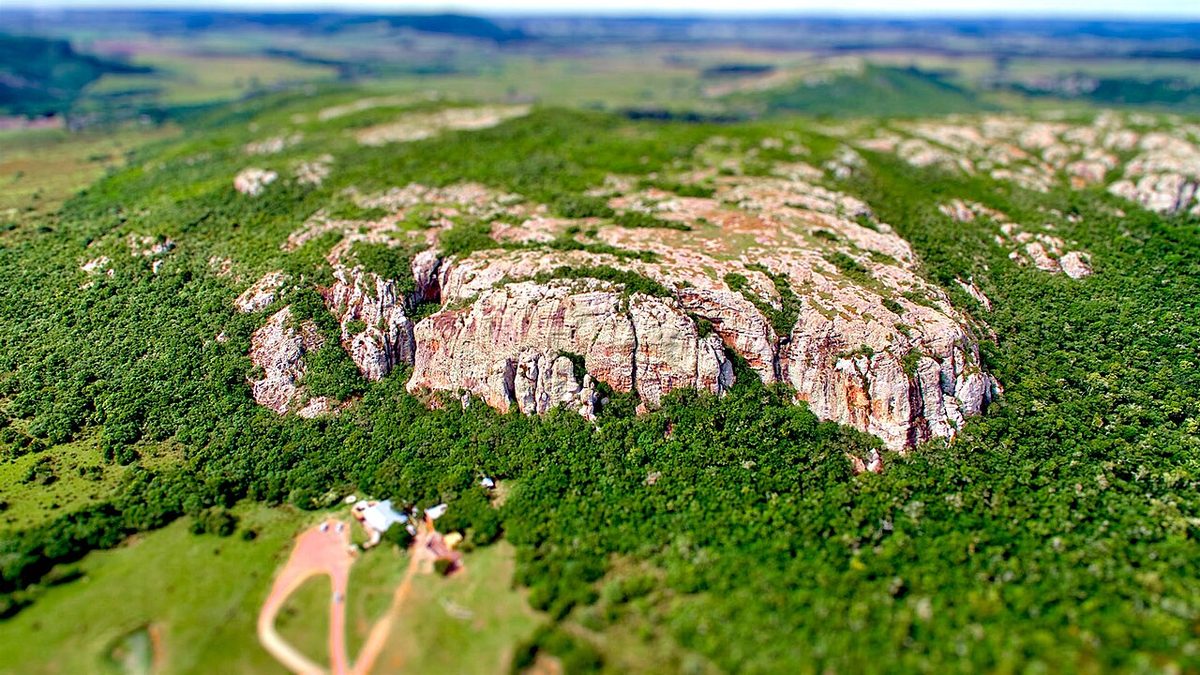
Minas is the gateway to the prettiest landscape within day-trip range. The town itself, capital of Lavalleja, is pleasant enough, but the draw is what surrounds it: Cerro Arequita, a flat-topped hill with a real cave system, plus waterfalls like the Salto del Penitente and the springs at Parque Salus tucked into wooded sierras.
Buses reach Minas in roughly two hours, but the good stuff lies several kilometres out of town, so a car transforms this trip from frustrating to wonderful. With your own wheels you can hike Arequita, swim under a waterfall, and still be back by dark.
The drawback follows from that: by bus alone you will see the town and little of the scenery that makes the region special, since taxis to the trailheads add up and run infrequently. This is the one outing on the list I would genuinely insist you drive. The surrounding hills feature in my overview of Uruguay’s national parks and outdoors.
9. Villa Serrana
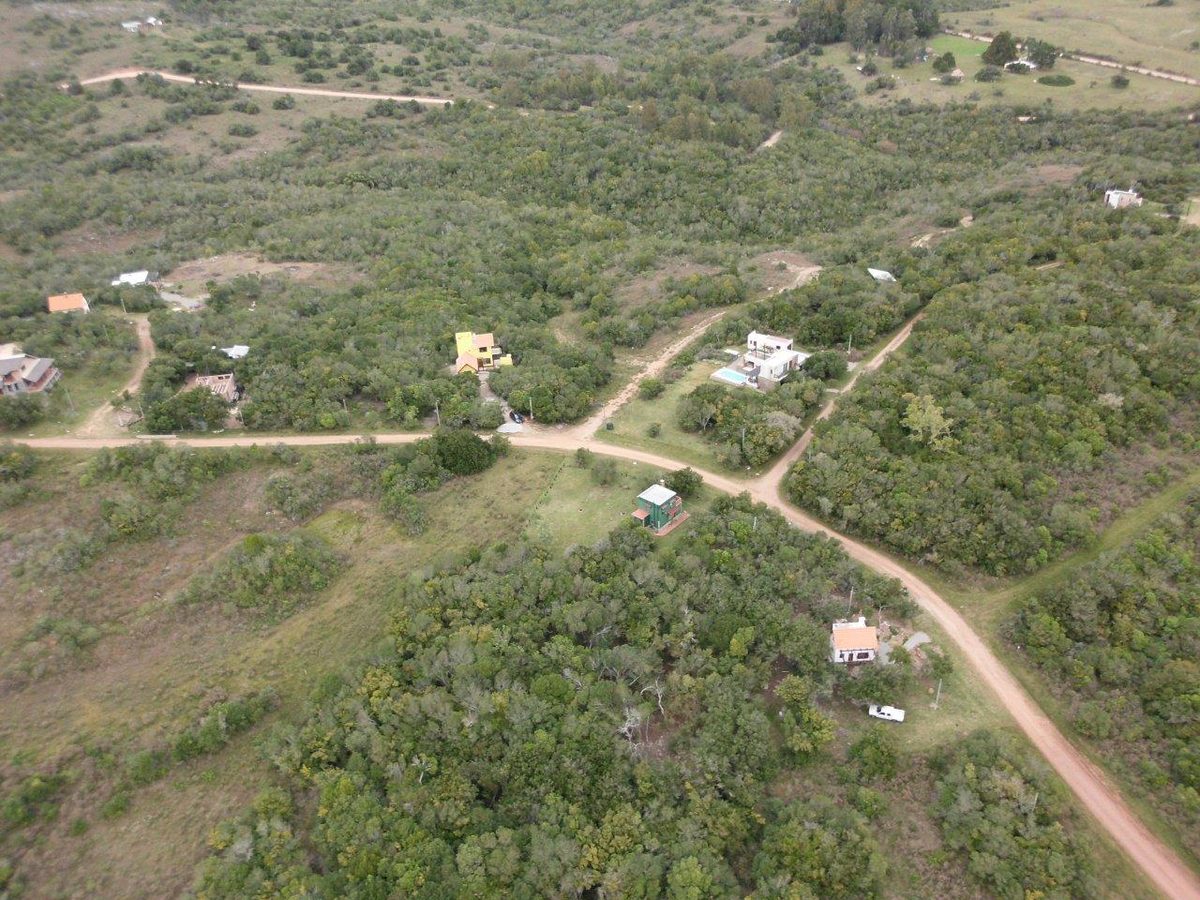
Villa Serrana is barely a village, and that is the entire point. Set in the Lavalleja hills not far beyond Minas, it is a scatter of houses, a small lake, and walking trails, originally sketched out as a mountain retreat by the architect Antonio Bonet. People come to do almost nothing, beautifully, with an asado — the slow Uruguayan barbecue — somewhere in the plan.
You really want a car for this one. It is around two and a half hours out, and the final approach is on country roads where buses do not go. Treat it as a full day, or better, an overnight if you can spare it.
The drawback is bluntly practical: with no real public transport to the hamlet itself and very limited services on site, an unprepared day-tripper can end up stuck or hungry. Bring supplies, fuel up, and book any meal ahead. This is gaucho-country territory, and it pairs naturally with a night on an Uruguayan estancia if the rural mood takes hold.
10. Santa Lucía and Parque Roosevelt
Not every escape needs two hours of driving. Santa Lucía, a riverside town under an hour out, gives you kayaking, a leafy riverbank, and a genuine small-town rhythm, while Parque Roosevelt — a large protected woodland on the eastern edge of the city — barely counts as leaving at all. Both suit travelers who want green space without commitment.
Suburban buses reach Santa Lucía and the park, and either drive is short. A half-day covers it: paddle or picnic at the river, wander the town square, and you are back in Montevideo for dinner with time to spare.
Drawback: neither is a knockout sight, and Parque Roosevelt in particular is more of a local lung than a tourist attraction, so manage expectations. Because a half-day out here leaves the afternoon free, I pair it with something in town, usually the Estadio Centenario and its football museum over in Parque Batlle. As a low-effort reset between bigger outings, though, they are ideal, and they slot neatly into a city stay built around my complete Montevideo city guide.
11. The Costa de Oro beaches
If your only goal is sand and a swim, skip the famous names and aim for the Costa de Oro, the “Golden Coast” strung along the Canelones shoreline east of the city. Towns like Salinas, La Floresta, and Costa Azul deliver wide, calm beaches 45 minutes to an hour and a half out, with a fraction of Punta’s crowds and prices. This is where montevideanos themselves go for an easy beach day.
Coastal buses run all along this stretch, stopping at town after town, so you can pick one almost at random and be on the sand within the hour. A car lets you hop between beaches until you find the emptiest one.
The honest drawback: these towns are functional rather than charming, with low-key architecture and limited off-season life, so they reward beach-seekers far more than sightseers. For that purpose they are excellent value, and they feature in my wider guide to Uruguay’s coastline.
12. Cabo Polonio and deep Rocha: be honest, it is too far
Here is the entry other lists fudge. Cabo Polonio — the off-grid dune village with its sea-lion colony — and the wild beaches of deep Rocha are spectacular, and they are not a day trip from Montevideo. The drive runs three and a half to four hours each way, and reaching Cabo Polonio itself means parking and boarding a 4×4 over the dunes. Doing that round-trip in a day is a forced march that wastes the place.
Buses do serve the Rocha coast, but the timings make a same-day return brutal or impossible depending on the season. I have seen guides file Cabo Polonio under “day trips” anyway, and I think that does readers a disservice.
The drawback is the whole point: this one deserves at least one overnight, ideally two, so you catch a sunset and a sunrise out on the sand. Plan it properly with the Rocha wild-coast guide rather than cramming it into a single exhausting day.

Renting a car, taking the bus, or booking a tour: how to choose
How you travel shapes which of these trips works, so be honest about your own style before you book anything. Three approaches cover almost everyone, and the right one depends on where you are headed and how much you value flexibility over ease.
Buses are Uruguay’s quiet superpower. Comfortable, frequent, and cheap, they connect the capital to Colonia, Piriápolis, Punta, Atlántida, and the Costa de Oro from the Tres Cruces terminal with minimal fuss, and you can usually just turn up and buy a ticket for the next departure. For any coastal or western town on this list, the bus is what I would pick, and the mechanics of it sit inside my guide to getting to Uruguay and around.
Cars unlock the interior. The moment your target is a bodega, a sierra trailhead, or a hamlet like Villa Serrana, public transport stops being practical and a rental pays for itself in saved hours and reached places. Roads are good, signage is fair, and drivers are calmer than most of the continent. Rent for the wine country, Minas, and Lavalleja; skip it for Colonia.
Tours suit two kinds of traveler: those who do not want to drive after a tasting, and those short on time who would rather someone else handle the logistics. Cruise passengers sit squarely in the second camp, and my Montevideo cruise port guide explains why a booked excursion is the safer call once you leave the city on a ship’s clock. Plenty of operators run day excursions to Colonia, Punta with Casapueblo, and the wineries, and for a wine day in particular a guided transfer is the sensible, sober choice. If you are weighing the whole country against its neighbour while you plan, my honest take on whether Uruguay is worth visiting may settle it.
Day Trips from Montevideo: your questions answered
What is the best day trip from Montevideo for first-time visitors?
Colonia del Sacramento, without much debate. It is close, reachable by frequent two-hour buses, instantly photogenic, and small enough to enjoy fully in a day. Piriápolis and a Canelones winery lunch are strong runners-up. If you want beach over history, Atlántida delivers a Dieste masterpiece and sand in a single easy half-day trip.
Can you do Punta del Este as a day trip from Montevideo?
Yes, comfortably, though it makes for a long day. Buses take around two hours each way, so you get roughly six or seven hours on the ground. That is enough for La Mano, the peninsula, and either Casapueblo or José Ignacio, but not all of them. Pick two, or stay overnight to do it justice.
Do I need to rent a car for day trips from Montevideo?
It depends entirely on direction. For coastal and western towns — Colonia, Punta, Piriápolis, Atlántida, the Costa de Oro — buses are excellent and a car is unnecessary. For the interior and the sierras, especially the wine country, Minas, and Villa Serrana, a car turns a frustrating trip into a great one. Match the vehicle to the destination.
Is Colonia or Punta del Este the better day trip?
Different moods entirely. Colonia is history, cobblestones, and river calm, easily done in a relaxed day. Punta is beaches, sculpture, and a bit of glamour, but it is further and busier and rewards more time. For a single low-stress outing choose Colonia; for sun and a livelier scene, choose Punta and accept the longer day.
How far in advance should I plan a wine-country day trip?
A few days at least. Most Canelones bodegas, including Bouza, require reservations for tours and lunch, and the better tables fill up, especially on weekends and in high season. Book the winery first, then arrange a transfer or driver, since tasting and driving do not mix. Spontaneity works for beaches here, not for wine.
Which day trips are too far from Montevideo to do well?
Cabo Polonio and deep Rocha, full stop. At three and a half to four hours each way, plus a dune crossing, they demand an overnight to be worth it. José Ignacio is borderline without a car. Anything in the north or the Litoral hot springs is firmly overnight territory rather than a day trip.
Final thoughts
Montevideo rewards travelers who use it as a hinge. From one comfortable base you can reach a UNESCO town, a world-class brick church, a Tannat cellar, a sierra cave, and a half-dozen beaches, most of them within two hours and many far less. That range is unusual, and it is a big part of why I keep coming back to this corner of the country.
My one piece of advice: do fewer trips, slowly. Resist the urge to tick all twelve. Pick three that match your taste — one west, one coastal, one inland — and let each be unhurried. The rushed version of any of these places is a lesser version. For the bigger plan around them, lean on the things to do in Uruguay overview and build outward from there.
Credits & sources
Sources & further reading
- UNESCO World Heritage List: The work of engineer Eladio Dieste — Church of Atlántida
- UNESCO World Heritage List: Historic Quarter of the City of Colonia del Sacramento
- Uruguay Ministry of Tourism (Ministerio de Turismo)
Photo credits
All images via Wikimedia Commons: Colonia Del Sacramento Street by rodoluca (CC BY-SA 3.0); Atlantida Dieste Church by No machine-readable author provided. Jdottone~commonswiki assumed (based on copy (CC BY 2.5); Punta Del Este La Mano by Paola15 (CC BY-SA 3.0); Cerro Arequita Lavalleja by Marcelo Campi from Costa de Oro, Uruguay (CC BY-SA 2.0); Villa Serrana Lavalleja by Luis Irigoyen (CC BY 3.0); Tres Cruces Bus Terminal Montevideo by Andrea Mazza (CC BY-SA 3.0).


