7 Days in Uruguay: The Perfect One-Week Itinerary (2026)

The first time I tried to “do Uruguay” in a week, I made the classic mistake: I treated it like a checklist and spent more time on buses than on beaches. The second time I got it right, and that trip is the backbone of this uruguay itinerary 7 days plan — Montevideo, an afternoon adrift in Colonia, and a long, slow stretch of coast out to José Ignacio.
Seven days is, honestly, close to the sweet spot for a first visit. It’s long enough to feel the rhythm of the place — the late dinners, the unhurried Sundays, the mate flasks tucked under every arm — without forcing you to choose between the city and the sea.
What follows is a real night-by-night plan, not a vague “spend a few days here” wave of the hand. I’ll tell you exactly where to sleep, how to get between stops, roughly what it costs, and — the part most guides dodge — what I’d cut if your seven days are actually more like a loose six and a half.
The short answer: what one week in Uruguay looks like
This uruguay itinerary 7 days runs Montevideo (2 nights), Colonia del Sacramento (1 night), then Punta del Este and José Ignacio (3 nights), with a final travel day home. It’s a city-to-coast arc you can do entirely by bus, no rental car required, covering culture, colonial history, and Uruguay’s best beaches at a pace that still leaves room to do nothing.
Think of this as a plan for first-timers with roughly a week on the ground — people flying or ferrying in, who want one clean, opinionated route rather than fifteen options. If you’ve got more time, the longer versions live on the main Uruguay itinerary planning guide; if you’ve got less, skip to the “shorter than seven days” note further down. I’m assuming a warm-season trip (roughly November to March), and I’ll flag where winter changes the math.
Your one week in Uruguay at a glance
| Day | Base / sleep | What you do | Getting there |
|---|---|---|---|
| Day 1 | Montevideo | Arrive, Ciudad Vieja, Mercado del Puerto, rambla sunset | Fly into MVD or ferry from Buenos Aires |
| Day 2 | Montevideo | Markets, Pocitos beach, a parrilla dinner, maybe a football match | On foot + local bus |
| Day 3 | Colonia del Sacramento | Transfer, then the old town’s cobbled streets at golden hour | Bus ~2.5–3 hrs from Montevideo |
| Day 4 | Punta del Este | Morning in Colonia, transfer east, evening on the peninsula | Bus via Montevideo, ~5–6 hrs total |
| Day 5 | Punta del Este | Beaches (Mansa & Brava), La Mano, Casapueblo at sunset | On foot + short local hops |
| Day 6 | José Ignacio | Day trip or overnight: the chic, low-key end of the coast | Bus or taxi ~40 min east |
| Day 7 | Departure | Slow morning, transfer back for your flight or ferry | Bus to Montevideo / MVD airport |
Days 1–2: Montevideo, the capital you shouldn’t rush
Most people land at Carrasco airport (MVD) or arrive by ferry from Buenos Aires. Either way, your first base is Montevideo, and I’d give it two full nights. It’s not a showy capital — it grows on you slowly, like a city that doesn’t feel the need to impress you on day one.
Drop your bags and head straight for Ciudad Vieja, the old town. It’s a compact grid of crumbling-grand facades, art deco doorways, and tiny cafés. Start at Plaza Independencia, walk down the pedestrian Sarandí, and let yourself get a little lost. The full walking route is worth its own afternoon — there’s more detail in my complete Montevideo city guide if you want to plan it street by street.
Lunch has to be at the Mercado del Puerto — a wrought-iron market hall packed with parrillas, which are wood-fired grills where they cook beef over coals (the smell hits you before you reach the door). Order a chivito if you want the national sandwich, or just point at whatever’s sizzling. It’s touristy now, sure, and prices have crept up. But the theatre of it — the smoke, the grill masters, the chaos — is still worth one meal.
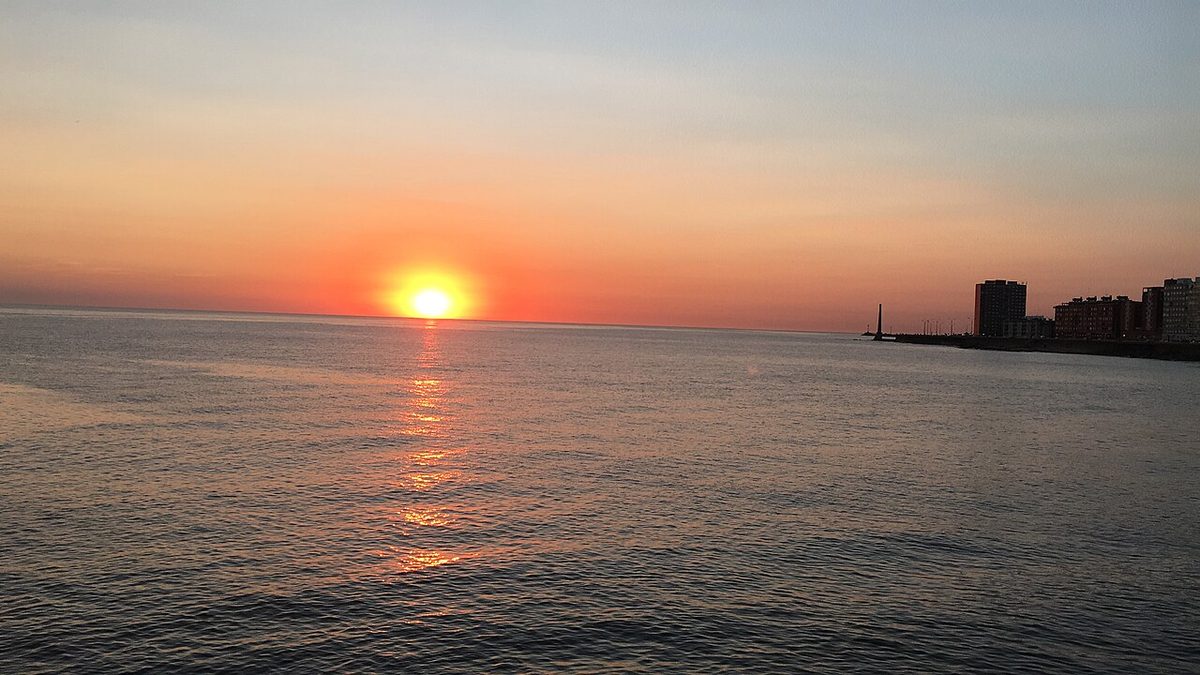
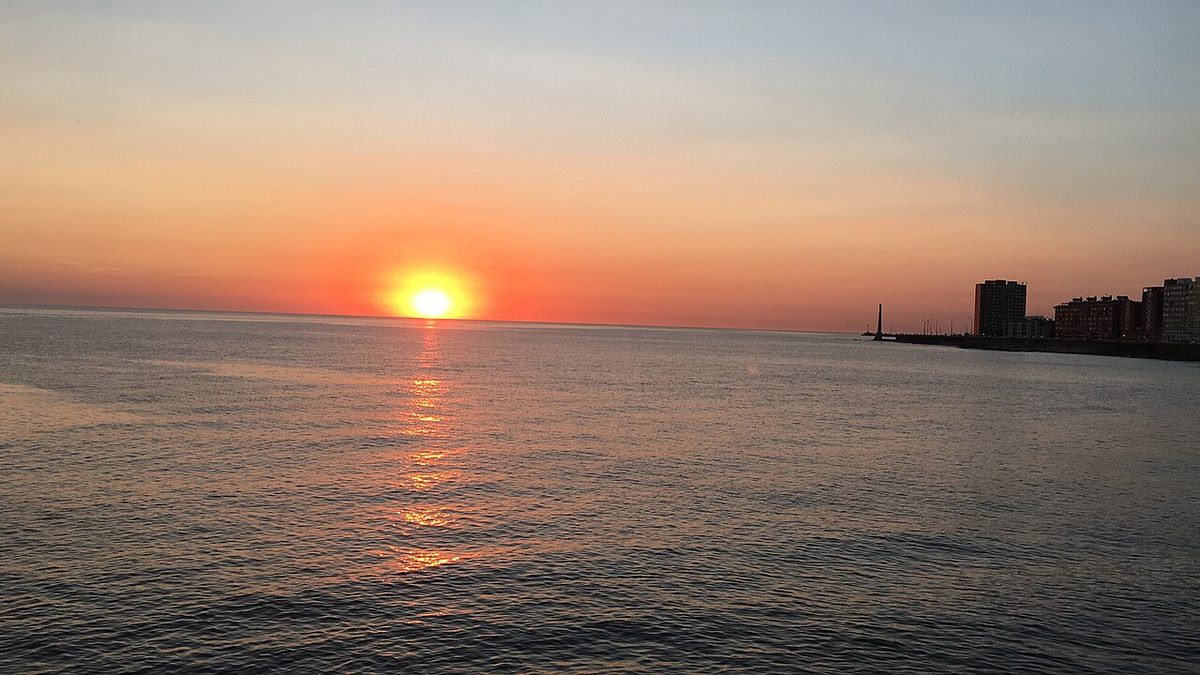
My one honest gripe with Montevideo: the rambla, the long waterfront promenade that hugs the river for over 20 kilometres, is the city’s best feature and also where you’ll realise how grey the Río de la Plata actually is. It’s a river, not the sea, and the water runs the colour of milky coffee. Don’t come expecting turquoise. Come for the sunset walk, the fishermen, the families sharing mate (the bitter herbal tea everyone drinks from a shared gourd), and the slow golden light.
On day two, slow down. Hit the Feria de Tristán Narvaja if it’s a Sunday — a sprawling street market of antiques, books, plants, and produce. Otherwise, spend the morning in the Pocitos neighbourhood, which has the closest thing Montevideo has to a proper beach, then bank the afternoon for a long lunch. Football fans should check whether Peñarol or Nacional are playing; a match at the Estadio Centenario, where the very first World Cup final was held in 1930, is one of the most genuine experiences in the country.
For where to sleep, Ciudad Vieja is atmospheric but quiet at night, while Pocitos and Punta Carretas feel safer and more residential after dark. I lean toward Pocitos for a first visit. There’s a fuller breakdown of trade-offs in the where to stay in Uruguay guide.

Day 3: Colonia del Sacramento, slow it right down
Day three is when this uruguay in a week plan changes gear completely. You leave the capital and go medieval. Colonia del Sacramento is a 17th-century Portuguese smuggling port turned UNESCO-listed old town, and it’s about as far from a big-city itinerary as you can get.
Getting there is easy. Buses run Montevideo to Colonia regularly — companies like COT and Turil do the route, it takes around two and a half to three hours, and a one-way ticket runs somewhere around 700–900 Uruguayan pesos last I checked (roughly US$18–22, but check current fares). The bus terminal in Montevideo (Tres Cruces) is well-organised and easy to navigate even with no Spanish.
Here’s my strong opinion: do not day-trip Colonia from Montevideo. Stay the night. Almost everyone arrives on a morning ferry or bus, swarms the old town for three hours, and leaves before dinner. The magic happens after they go — when the day-trippers clear out and the cobbled Calle de los Suspiros (Street of Sighs) empties, and the light goes amber over the river, the place becomes genuinely lovely.
The historic quarter is tiny; you can walk every street in an afternoon. Climb the lighthouse for the view, find a wine bar facing the water, and eat slowly. The honest drawback: there is very little to “do” in Colonia beyond wander and eat. If you need activity and structure, you’ll be bored by hour two. If you can sit still and watch a river, it’s perfect. The full rundown of what’s actually worth your time is in the Colonia del Sacramento guide.
Note that Colonia is the natural entry point if you’re combining Uruguay with Argentina — the fast ferry from Buenos Aires lands here in about an hour and fifteen. If that’s your situation, you could flip this whole itinerary and start in Colonia. More on arrival logistics in the getting to Uruguay guide.
Day 4: The long haul east to Punta del Este
Day four is your big travel day, and I won’t sugarcoat it: it’s the weak link in any seven-day route. Colonia and Punta del Este are on opposite ends of the southern coast, and there’s no direct, frequent bus between them. You’ll almost certainly route back through Montevideo.
Spend the morning finishing Colonia — a final coffee, one more loop of the old town — then catch a midday bus back toward Montevideo and connect onward to Punta del Este. Plan for five to six hours of total transit including the connection. It’s a chunk of your day gone, which is exactly why I front-load Colonia as an overnight rather than trying to squeeze it in elsewhere.
If the connection through Montevideo annoys you, you have options: some travellers rent a car for this leg specifically, which turns the journey into a flexible day with stops at beach towns like Piriápolis (a charming old-world resort with a grand seafront hotel) along the way. I cover the direct routes and trade-offs in detail in the Montevideo to Punta del Este transport guide. The bus from Montevideo to Punta takes about two to two and a half hours and is comfortable and cheap; it’s the Colonia-to-Montevideo backtrack that stings.
By evening you’ll roll into Punta del Este, and the energy shift is immediate. After sleepy Colonia, Punta feels like someone turned the volume up — high-rises, marinas, ice-cream queues, and a peninsula that struts.

Days 5–6: Punta del Este & José Ignacio, the coast at last
This is the payoff stretch of your week, and where I’d spend three nights without hesitation. Punta del Este is Uruguay’s flashy beach capital — South America’s answer to the Hamptons, depending on who’s selling it to you — and José Ignacio, 40 minutes east, is its quieter, chicer cousin.
Punta’s geography is simple once you get it. The peninsula splits two coasts: La Mansa (“the calm one”), facing the river, with gentle water and sunsets; and La Brava (“the wild one”), facing the open Atlantic, with surf and bigger waves. The difference between them is the first thing to learn, and the complete Punta del Este guide breaks down which beach suits which mood.
On day five, do the icons without apology. See La Mano — the giant concrete fingers emerging from the sand at Playa Brava, Uruguay’s most photographed thing. Yes, it’s a cliché. Go early or late to dodge the crowd, get your photo, move on. Then spend the afternoon on the sand and aim to be at Casapueblo by sunset — the white, hand-sculpted clifftop building west of town that the artist Carlos Páez Vilaró built over decades. They do a sunset ceremony with a recorded poem; it’s a touch theatrical, but the view over the water genuinely earns it.
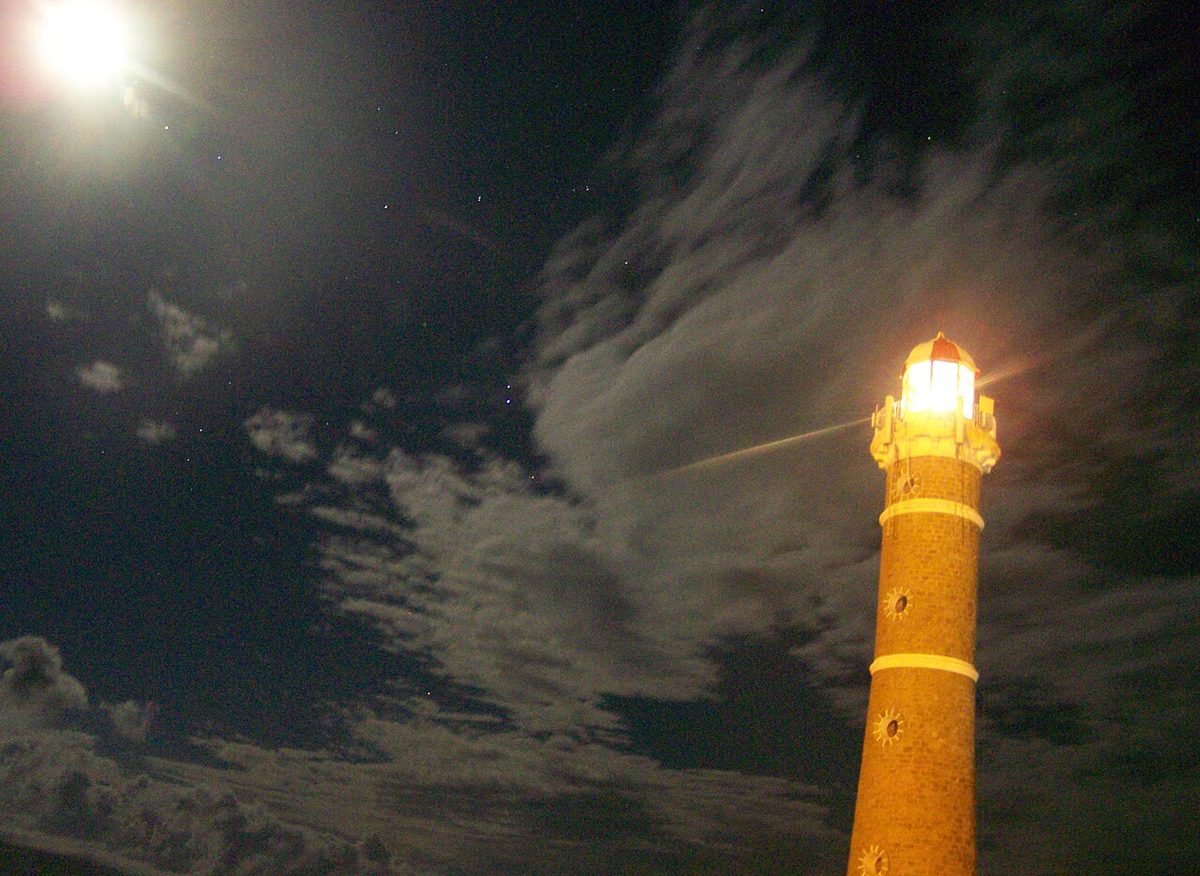
Day six, go to José Ignacio. You can day-trip it by bus or taxi (a taxi runs maybe US$30–40 each way, the bus is far cheaper but slower), or — my preference — overnight there to catch the village at its best, early morning and after dark. It’s a tiny fishing-village-turned-luxury-enclave: a lighthouse, a handful of superb restaurants, thatched-roof beach clubs, and not a high-rise in sight. The honest caveat: José Ignacio is expensive, full stop. A beachfront lunch can cost what a whole day elsewhere does. But for one splurge meal watching the Atlantic, it’s hard to beat — the José Ignacio guide has the spots worth the money.
One thing to know about timing: Punta and José Ignacio are seasonal creatures. In January they pulse with money and crowds; in June they’re shuttered and skeletal, with half the restaurants closed. The shoulder months — November, December, March — give you good weather without the January madness. The best time to visit Uruguay guide goes month by month if you’re still picking dates.

Day 7: The slow way home
Your last day is mostly logistics, so treat the morning as a gift rather than a scramble. Have a final swim, a long breakfast, one more coffee facing the water. Then transfer back to Montevideo (about two to two and a half hours by bus) for your flight out of Carrasco, or connect to your onward ferry.
If your flight is in the evening, you’ve got margin for a relaxed lunch in Montevideo before the airport — Carrasco is on the eastern edge of the city, conveniently on the way in from Punta, so you don’t have to backtrack across town. If you’re ferrying to Buenos Aires instead, build in extra buffer; the terminals get busy and you’ll want time for the crossing.
Don’t try to add a final-day excursion. I’ve watched people cram a wine tour or a last beach town into departure day and spend the whole time anxious about missing a flight. A week is a week. End it gently.
How to adapt this uruguay itinerary 7 days plan
No two trips are identical, so here’s how I’d bend this route depending on who you are and how firm your seven days really are. Queer travellers won’t need to bend it much — same-sex marriage has been legal since 2013, and Montevideo carries most of what scene there is, which I cover in the LGBTQ+ travel in Uruguay guide.
If you only loosely have seven days (cut these first)
Plenty of “seven-day” trips are really five and a half once you subtract a late arrival and an early departure. If that’s you, cut Colonia first. It’s the most skippable stop — beautiful, but a detour that costs you a full backtracking travel day. Drop it, give Montevideo two nights and the coast four, and you’ll feel far less rushed.
The second thing to cut is the José Ignacio overnight. Make it a day trip from Punta instead and save the packing-unpacking. What I would never cut: the three nights split across the coast. Beaches are why most people come, and one rushed night there always feels like a mistake.
If you’re a foodie or wine lover
Swap one coast night for a day in the wine country near Montevideo, where the Tannat grape — a deep, tannic red that Uruguay has made its own — is the headline act. Several wineries in the Canelones region do lunch-and-tasting visits within an hour of the capital. The Uruguayan food guide covers what to eat across the whole trip, from chivitos to dulce de leche.
If you’re travelling with kids or at a slow pace
Cut the route to two stops, not three: Montevideo and Punta del Este, three nights each, and skip the Colonia hop entirely. Less transit, more settling in. Punta in particular is easy with children — calm Mansa beaches, ice cream everywhere, and short distances.
If you want the road-trip version
This whole plan works fine by bus, which is why I’ve written it that way. But if you’d rather drive — for the freedom to stop at empty beaches and inland towns — the mechanics of renting and driving in Uruguay (it’s easy, roads are good, watch for ripio, which is loose gravel road) are a topic of their own. Start with the main itinerary planning hub, then our Ruta 10 coastal drive guide for the rental rules, ripio sections and tolls stop by stop.
What this week costs (a rough, honest budget)
Uruguay is not the cheap South American country some people expect — it’s closer to European prices than to Bolivia or Peru. Here’s a realistic per-person feel for one week, mid-range, in the warm season. Treat these as ballpark, not gospel; prices move and the peso wobbles.
Accommodation is your biggest variable. A decent mid-range hotel or guesthouse runs roughly US$70–130 a night, more in Punta in January, less inland or off-season. Over six nights that’s the bulk of your spend. Buses between the three stops total maybe US$40–60 for the week — genuinely cheap and the reason a car isn’t essential.
Food is where Uruguay surprises people. A proper parrilla dinner with wine can run US$30–50 a head; a beachfront lunch in José Ignacio, double that. But a bakery breakfast and a café lunch keep daily costs sane. Budget around US$50–70 a day for food and incidentals if you’re eating well but not extravagantly. For more ground-level money advice — tipping, cards versus cash, the dual-currency thing — my guide to money in Uruguay covers all of it.

Getting around: buses, ferries, and whether to rent a car
The single most useful thing to know: Uruguay’s intercity buses are excellent. They’re comfortable, punctual, cheap, and they connect every stop on this route. You buy tickets at the terminal or online, and the main Montevideo hub (Tres Cruces) is a mall-cum-bus-station that’s genuinely pleasant to wait in.
You do not need a rental car for this exact itinerary. Everything here is bus-able. A car earns its keep only if you want to wander off the main coastal spine — empty beaches in Rocha, inland estancias, the wine country — or if the Colonia-to-Punta backtrack really bothers you. For the full menu of how to arrive and move around, the getting to Uruguay guide covers ferries from Buenos Aires, flights, and driving in one place.
If you’re combining Uruguay with Argentina — and many people do — the Buenos Aires ferries are the key link. Fast boats reach Colonia in about an hour and Montevideo in two to three, which is why some travellers run this route in reverse, starting in Colonia straight off the ferry.
Your questions answered
Is 7 days enough for Uruguay?
For a first visit focused on the south — Montevideo, Colonia, and the Punta del Este coast — seven days is comfortably enough and arguably ideal. You won’t reach the wild Rocha beaches, the hot springs of the northwest, or gaucho estancia country, but you’ll see the country’s headline acts without feeling rushed. For those further-flung regions, you’d want a ten-day route that adds wine country and an estancia night, or two weeks.
How many days do you need in Montevideo?
Two nights is the right amount for most travellers. That gives you one full day for Ciudad Vieja and the Mercado del Puerto, and a second for markets, the rambla, and a relaxed neighbourhood. Montevideo rewards slowness rather than ticking off sights, so an extra day never feels wasted — but two is plenty for a week-long trip.
Should I do Colonia as a day trip or stay overnight?
Stay overnight if you can. The old town empties dramatically once the day-trippers leave around sunset, and the quiet, amber-lit evening is when Colonia is at its most beautiful. A day trip works if your schedule is tight, but you’ll be sharing the cobblestones with tour groups the entire time you’re there.
Is Uruguay expensive to travel in?
More than first-time visitors expect. Uruguay sits closer to European prices than to its cheaper Andean neighbours, especially for food, wine, and Punta del Este in peak season. Buses and bakery meals keep costs down, but plan for roughly US$120–200 a day per person mid-range, more if you splurge on José Ignacio lunches or January beach hotels.
What’s the best time of year for this itinerary?
The shoulder months — late spring (November) and early autumn (March) — give you warm beach weather without January’s crowds and inflated prices. Peak summer (December to February) is liveliest but priciest and busiest. Winter (June to August) is quiet and atmospheric in the cities but shutters much of the coast, so it’s a poor fit for this beach-heavy route.
Final thoughts
Seven days in Uruguay isn’t enough to see everything — and that’s the point. This route gives you the country’s three best first-trip flavours: a slow capital, a perfect little colonial town, and a long stretch of coast, all linked by buses that just work.
If I could give you one piece of advice, it’s to under-plan rather than over-plan. The best moments I’ve had here weren’t on any list: a four-hour lunch that bled into the afternoon, a rambla walk with no destination, a Colonia sunset I almost skipped to “save time.” Build the skeleton from this plan, then leave room for the country to surprise you. It will.
Credits & sources
Sources & further reading
- Ministerio de Turismo del Uruguay — the national tourism ministry’s official site.
- UNESCO World Heritage Centre — Historic Quarter of Colonia del Sacramento.
- Intendencia de Montevideo — the city government’s official portal.
Photo credits
All images via Wikimedia Commons: Rambla Montevideo Sunset by Marinna (CC BY-SA 4.0); Ciudad Vieja Montevideo Street by Felipe Restrepo Acosta (CC BY-SA 4.0); Colonia Del Sacramento Calle Suspiros by Banfield (CC BY-SA 3.0); La Mano Punta Del Este by Paola15 (CC BY-SA 3.0); Jose Ignacio Lighthouse Beach by Casaseneleste (CC BY-SA 4.0).