Jose Ignacio Hotels: Where to Stay Near Punta del Este (2026)
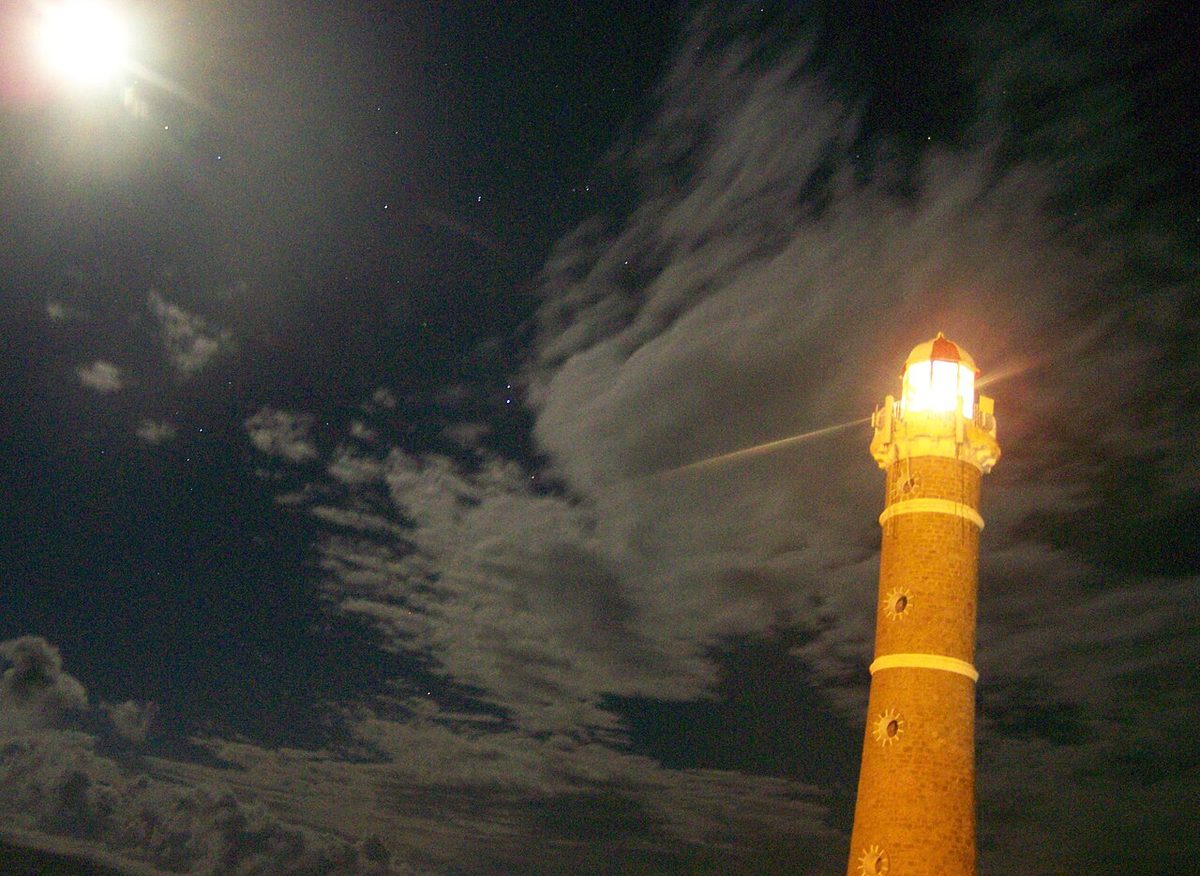
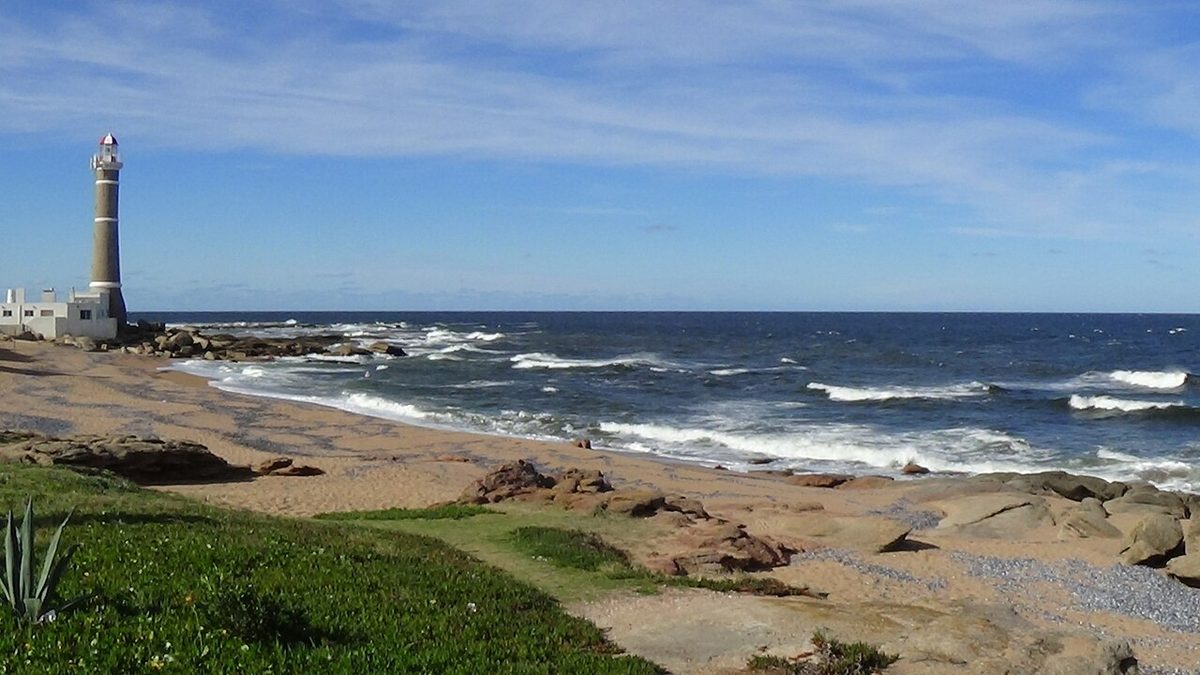
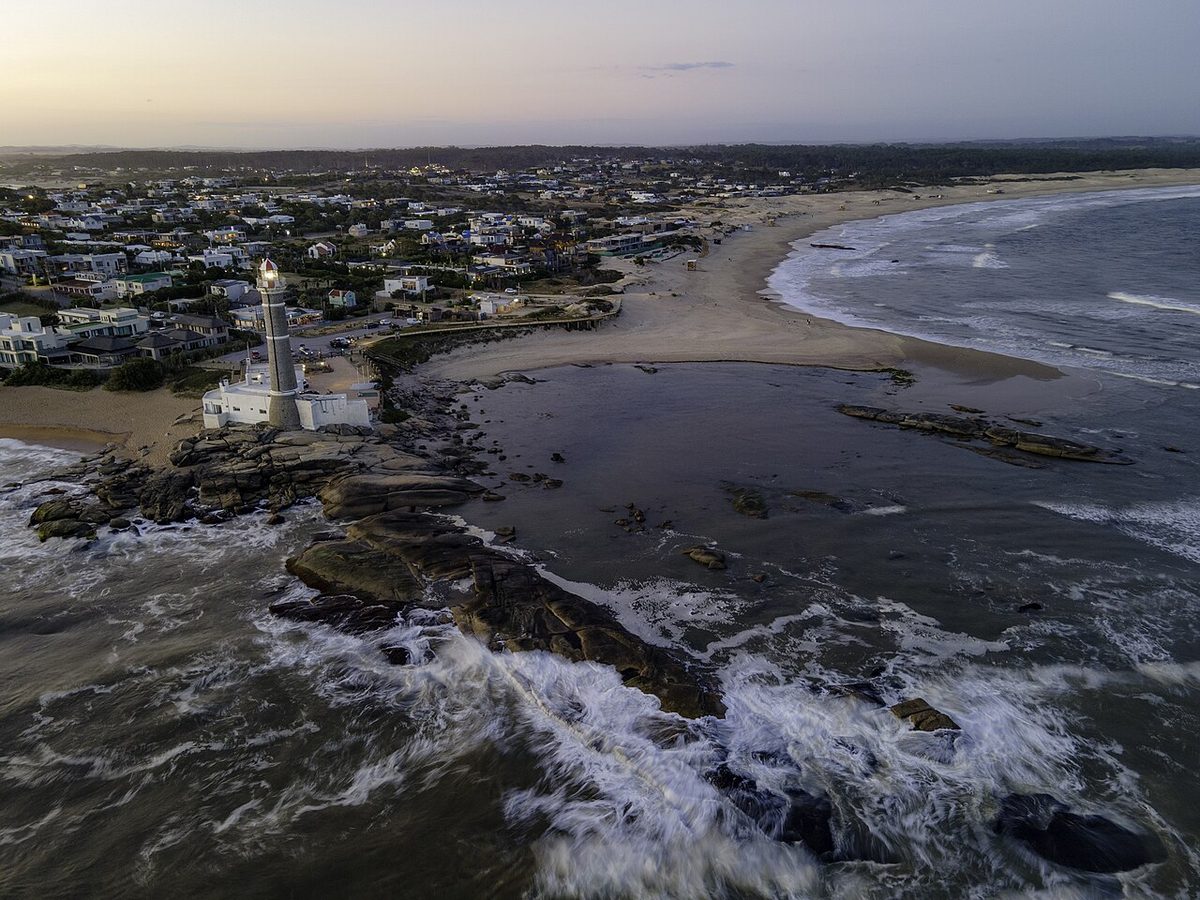
The first time I drove out to José Ignacio, I almost missed the turn. You leave the high-rises of Punta del Este, cross the little bridge at La Barra, and within twenty minutes the road narrows and the asphalt gives way to ripio (gravel). A lighthouse appears. That’s the whole town.
It’s one of the priciest stretches in South America, and it looks like a sleepy fishing village that forgot to grow up.
The best Jose Ignacio hotels fall into three camps: the design-led Vik trio (Bahia, Playa and Estancia Vik), intimate beach posadas like Posada del Faro near the lighthouse, and quirky boutique stays back through Manantiales and La Barra. Your call comes down to area and vibe, not star rating.
I’ve stayed out here across several summers, in places that cost more per night than my first car and in a couple that cost almost nothing, and I have opinions about all of them. Where you sleep decides one big thing: a barefoot walk from the sand each morning, or a ten-minute drive across the campo (countryside) to reach it. So let me save you the trial and error.
A posada is a small, usually family-run inn, and the area is full of them. A balneario is a beach resort town. You’ll see both words everywhere out here.
Who this guide is for (and who it isn’t)
I’m focused tightly on the eastern end of the Punta del Este coast: José Ignacio village itself, plus the boutique-hotel strip running back through Manantiales and La Barra. This is the high-end, design-led end of the spectrum, the places people fly in for. If you’d rather sleep under canvas further up the coast, our guide to glamping in Uruguay covers the domes and safari tents of Rocha.
If you want a wider sweep of Uruguay’s standout stays, including wine-country lodges and estancias further afield, I’d point you to the broader guide to unique hotels across Uruguay instead, and to the main where to stay in Uruguay overview for the big picture. This page stays geographic. José Ignacio and its neighbours, by area, by vibe, with one honest drawback for each place because no hotel is perfect and the glossy listings won’t tell you.
At a glance: where to stay around José Ignacio
| Hotel | Area | Vibe | Rough nightly band (shoulder → peak) |
|---|---|---|---|
| Bahia Vik | Playa Mansa, José Ignacio | Design, art, beachfront bungalows | ~$700–1,100+ |
| Playa Vik | Playa Mansa, José Ignacio | Sculptural flagship, infinity pool | ~$750–2,000+ |
| Estancia Vik | Inland campo, José Ignacio | Luxury ranch, polo, seclusion | ~$550–1,100+ |
| Posada del Faro | By the lighthouse, José Ignacio | Bohemian beach-house posada | ~$300–600 |
| Posada Ayana | José Ignacio | Mid-century design, Turrell Skyspace | ~$400–800 |
| Casa Suaya | Playa Brava side, José Ignacio | Stone-walled boutique, beach club | ~$200–800 |
| Posada Arenas | José Ignacio village | Reasonable contemporary inn | ~$160–470 |
| Casa Zinc | La Barra | Antique-stuffed, design-junkie favourite | ~$150–300 |
The Vik hotels: three very different beasts
You cannot research luxury hotels in this corner of Uruguay without tripping over the name Vik. Alex and Carrie Vik, a Norwegian-American couple, have built three properties out here, and they’ve become the headline act for the whole José Ignacio luxury scene. They share a design language, an obsession with contemporary art, and a price tag that makes you wince. But they are not the same hotel in three locations, and people book the wrong one all the time.
Here’s how I’d break them down.
Bahia Vik: the one most people actually want
Bahia Vik opened in 2014 on Playa Mansa, the calmer western beach. (More on Mansa versus Brava below.) It sits on about ten acres of low dunes, and the accommodation is mostly free-standing bungalows scattered across the grass, plus a few rooms in the sleek slate-and-glass main building. Forty-nine rooms in total, four pools strung parallel to the ocean, a wooden deck for long lunches, and the art collection you’d expect from a Vik property.
What I like: it’s genuinely on the beach, the bungalows give you privacy, and La Susana, the Viks’ beach club and restaurant, is steps away on the sand. It’s the most “resort-like” of the three without feeling corporate.
The honest drawback: the design-forward bungalows can feel a touch hard-edged, all concrete and glass, and a couple of the standalone units sit closer to neighbours than the marketing photos suggest. If you want cosy, this isn’t cosy. It’s cool. There’s a difference.
Last I checked, rates ran from roughly $700 in the shoulder season up past $1,000 in peak. Worth confirming directly before you get attached.
Playa Vik: the sculptural flagship
Playa Vik came first, in 2009, and it’s the showpiece. The architect was Carlos Ott, the Uruguayan behind the Bastille Opera in Paris, and the building looks like a piece of land art: titanium-clad, low, dramatic, with a 75-foot black granite infinity pool aimed straight at the water. Accommodation is a small cluster of suites in the main “Sculpture” building plus a handful of multi-bedroom casas, so it works beautifully for a group or family taking the whole thing.
It’s a ten-minute walk along Mansa from Bahia Vik, and the two properties share some facilities, so you get the best of both.
The drawback: with so few keys it books out fast, the casas are sold as whole units which pushes the price into eye-watering territory, and the architecture, while stunning, is more “gallery you sleep in” than “warm bolthole.” Some people find it a little austere.
Rates start around $750 low season and can sail past $1,600–2,000 for the casas in January. This is the splurge.
Estancia Vik: the one that isn’t on a beach
Estancia Vik is the original Vik dream, and it confuses people because it’s a ten-minute drive inland, not on the coast at all. It sits on 4,000 acres of rolling campo: a Spanish-colonial ranch building with adobe walls and red tin roofs, a full polo field, horses, gardens, a reflecting pool, and a dozen suites each designed by a different artist. The Veuve Clicquot polo match has been played here. It is, frankly, magical.
Choose it if you want space, horses, big skies and total seclusion, and you don’t mind driving to the beach. The estancia runs a shuttle and even has a beach setup, so you’re not stranded.
The drawback is exactly that: you are not on the sand. If your fantasy is rolling out of bed onto the beach, the estancia will frustrate you. It’s a countryside retreat that happens to be near a famous beach, not a beach hotel. Rates run from around $550 in shoulder up to $1,100-plus in peak.
My rule of thumb: Bahia for beachfront design, Playa Vik for the once-in-a-lifetime splurge or a group, Estancia for horses and quiet. Pick the right one and you’ll love it. Pick wrong and you’ll spend the holiday in the car.
Posada del Faro and the lighthouse-side stays
Not everyone wants a hotel that feels like a museum. If the Vik aesthetic leaves you cold, the José Ignacio posadas are where the town’s heart actually is.
Posada del Faro is the one I send friends to. It opened back in 1991 with just a few rooms and has grown to around fifteen, whitewashed and beamed, a couple of minutes’ walk from the beach near the faro (lighthouse). It is family-owned, and it feels like it. You eat breakfast on your own terrace; the staff remember your name by day two. Walking in feels like arriving at a friend’s beach house, not checking into a hotel.
Be clear-eyed about what it is, though. There are no in-room massages, no private plunge pools, no Michelin kitchen. The honest drawback is that some rooms are snug and the whole place is deliberately low-key, so if you measure luxury in thread count and minibar size you may feel short-changed. I think it’s one of the most charming stays on the coast, but it’s a particular kind of charm. Expect roughly $300 and up, climbing steeply in January.
Posada Arenas de José Ignacio sits a five-minute stroll from the beach in the village, twelve contemporary rooms behind a glass-and-wood façade on a gravel road, and it’s one of the more reasonable options that still feels current. Out of season I’ve seen rates around $160; in the festive window they push toward $470. Its drawback is location on a residential dirt street rather than the sand, though that same street happens to host some of the town’s best restaurants.
Casa Zinc and the design stays
Casa Zinc isn’t in José Ignacio at all, it’s back in La Barra, but I’m including it because design-obsessed travellers keep asking me about it and it punches so far above its price. The owners refurbish antiques, and every room is stuffed with vintage furniture, old globes, battered books, freestanding tubs. It’s a tiny guesthouse with a genuine point of view, and people routinely say they’d have paid double.
The drawback: it’s small, it’s quirky to the point of cluttered for some tastes, and La Barra in peak summer can get loud at night thanks to the bar scene. Expect roughly $150–300 depending on season, which for the experience is a relative steal.
Posada Ayana, back in José Ignacio, leans the other way: sleek stone, wood and glass with a retro 1960s streak, an infinity pool, and a permanent James Turrell Skyspace installation on the grounds. It’s an adults-only, design-led stay that’s quietly become a favourite. Rates land somewhere around $400–800. Its drawback is that the studied cool can feel a little serious, and it’s not directly beachfront, though the sand is a short walk.
Casa Suaya occupies a strong position out toward the Brava side, stone-walled suites and thatched bungalows around a pool with its own restaurant and beach club. It’s bright, contemporary and beach-adjacent, with low-season rates I’ve seen near $200 spiking toward $800 in high summer. The drawback is that it’s a touch larger and more scene-y than the intimate posadas, so it trades coziness for buzz.
La Barra vs Manantiales vs José Ignacio village: where to base yourself
This is the decision that matters most, and the listings sites barely mention it. The three main bases sit like beads on a string along Ruta 10, east from Punta del Este, and they have genuinely different personalities.
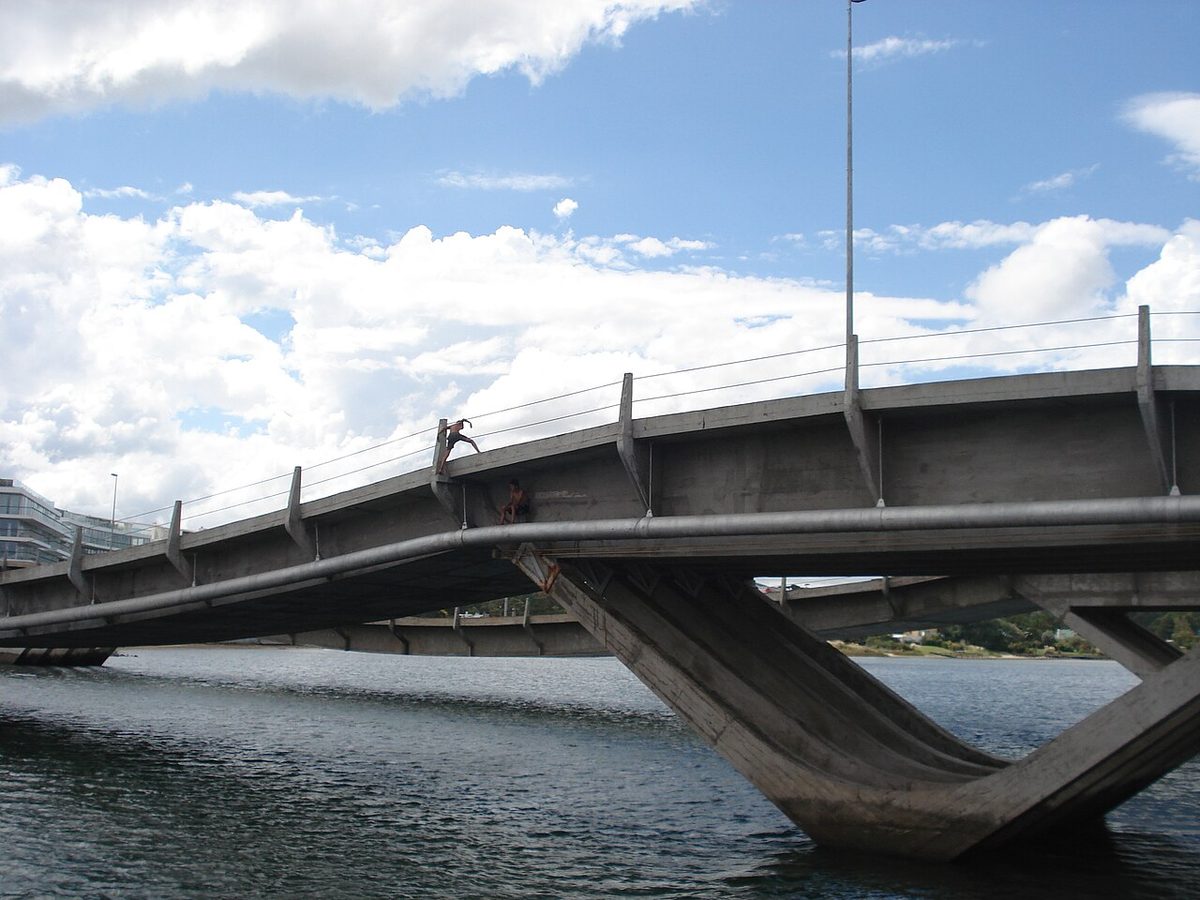
La Barra comes first, just over the wavy bridge that everyone photographs. It’s the old surf-and-art town: galleries, fashion boutiques, casual restaurants, and a nightlife that gets seriously loud in January. The full rundown on La Barra covers it properly. Base here if you want to be a short hop from Punta del Este’s amenities and don’t mind, or actively want, the party. Drawback: it’s the least “escape” of the three, and traffic over the bridge in peak season is a genuine grind.
Manantiales is next, around 13km from Punta del Este. Smaller and a notch more grown-up than La Barra, with arguably the best restaurant cluster on the whole coast and a lovely beach (Bikini is the famous one). It’s a sensible compromise: calmer than La Barra, livelier than José Ignacio, and well placed between the two. Drawback: it lacks José Ignacio’s iconic end-of-the-road romance, so if that’s what you came for, you’ll feel you stopped short.
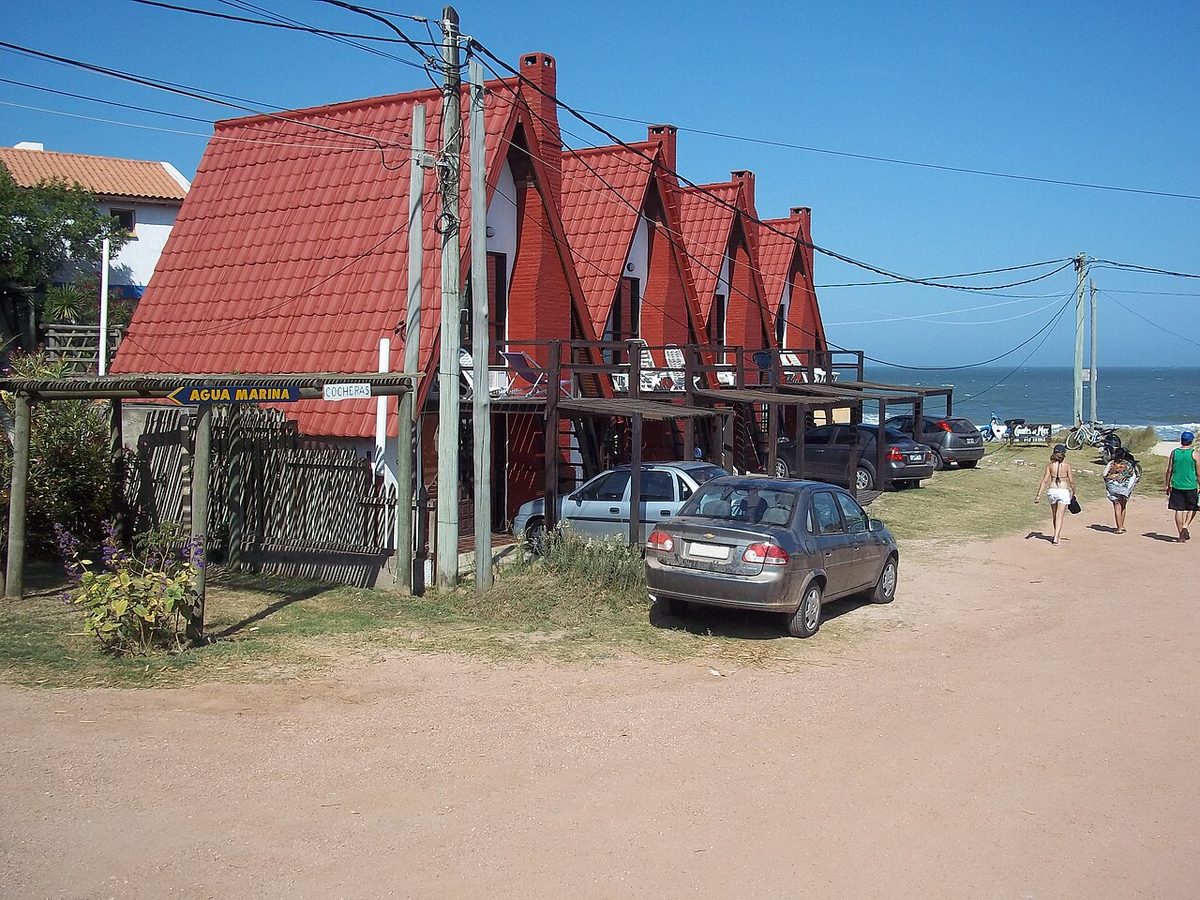
José Ignacio village itself is the prize, roughly 30km and a 45-minute drive from Punta del Este. Dirt roads, the lighthouse, hand-painted signs, La Huella on the sand, and a hush that the other two have lost. Base here if seclusion and beauty top your list. The drawback is real, though: it’s small and remote, restaurants are spread out and many open only in season, and you’ll do more driving for everyday things. The José Ignacio town guide goes deeper on the village itself.
For couples chasing romance, I’d base in or right beside José Ignacio. For first-timers who want options and energy, Manantiales is the smart middle. For nightlife and proximity, La Barra. If you’re still torn on the wider resort, the where to stay in Punta del Este guide zooms out across all the neighbourhoods.
Playa Mansa vs Playa Brava: which beach for your hotel
Two beaches define this coast, and which one your hotel sits on changes your mornings. Playa Mansa (“calm beach”) faces the Río de la Plata side: gentler water, better for swimming and sunsets, and where you’ll find Bahia Vik and Playa Vik. Playa Brava (“rough beach”) faces the open Atlantic: bigger surf, dramatic waves, the famous sculpted fingers of La Mano over in Punta del Este, and a wilder feel. Casa Suaya leans to the Brava side near José Ignacio.
Neither is “better.” Families and swimmers usually prefer Mansa’s calmer water; surfers and anyone who likes a moody, crashing seascape go Brava. The José Ignacio peninsula has both within a short walk of each other, which is part of its appeal. For the full coastal picture, the Punta del Este beaches guide and the wider best beaches in Uruguay roundup both break it down.
Eating and getting around, briefly
You will eat well here, and late. Lunch peaks around 3pm and dinner rarely starts before 10pm. La Huella, right on the sand in José Ignacio, is the legend, open more of the year than most and worth a booking in season. Marismo and Namm, on the gravel Ruta 10 stretch, are seasonal and special. Many places shut entirely outside the December-to-March window, so check before you build a trip around a particular restaurant.
Getting around essentially requires a car. Taxis are scarce, the towns are spread out, and the freedom to drive between balnearios is half the fun. One quirk worth knowing: ATMs are few out here and some smaller spots still prefer cash, though US dollars are widely accepted and cards are increasingly fine. Pull out some pesos before you leave Punta del Este.
Picking a hotel by who you’re travelling with
Couples and honeymooners
This coast was practically built for romance, and the intimate posadas are your friends. Posada del Faro near the lighthouse is my top pick for atmosphere; Posada Ayana suits design-minded couples (and it’s adults-only, which keeps it serene). For a blowout, Playa Vik delivers drama and privacy in equal measure. If you’re planning the whole trip around two of you, the Uruguay honeymoon guide threads it together. One caution: peak-season José Ignacio is a social scene, so if you want pure isolation, book the shoulder months.
Families
Bigger groups and families do better with space and self-catering. The casas at Playa Vik or a bungalow at Bahia Vik give you room to spread out near the calm Mansa water. Estancia Vik is a genuine winner for families who want horses and acreage, provided the kids don’t mind the drive to the beach. The drawback across the board is cost: this is not a budget-family destination, and the truly cheap options are thin on the ground.
When to book (and the deposit trap)
Timing is everything here. The festive peak runs roughly December 23 to January 10, when prices triple, the polo and the parties arrive, and the place transforms. January stays expensive and busy. If you want the scene, that’s when to come, but book months ahead.
For value and calm, look at the shoulder: late October to early December, or March. The deep off-season (May to September) is cheap and gorgeous but quiet, with many restaurants closed. The best time to visit Uruguay and Uruguay in summer guides go deeper on seasons.
One warning the glossy sites bury: peak-season cancellation policies here are savage. For the Christmas-New Year window, many hotels demand 100% payment up front, non-refundable, no changes. Read the fine print before you click, because a January booking is effectively money spent the moment you make it.
Getting there
Most international visitors fly into Montevideo, then drive or transfer roughly two to two-and-a-half hours east to José Ignacio. The small Punta del Este airport (Laguna del Sauce) is closer when it’s running seasonal flights, about 50km and under an hour from the village. From Punta del Este town itself it’s a 45-minute drive. Arrange a private transfer in advance or rent a car at the airport; do not count on hailing a taxi out here. The Punta del Este and Uruguay itinerary guides help slot José Ignacio into a wider route, and wine lovers can detour inland to Bodega Garzón for a tasting on the way.
Jose Ignacio hotels: your questions answered
How far is José Ignacio from Punta del Este?
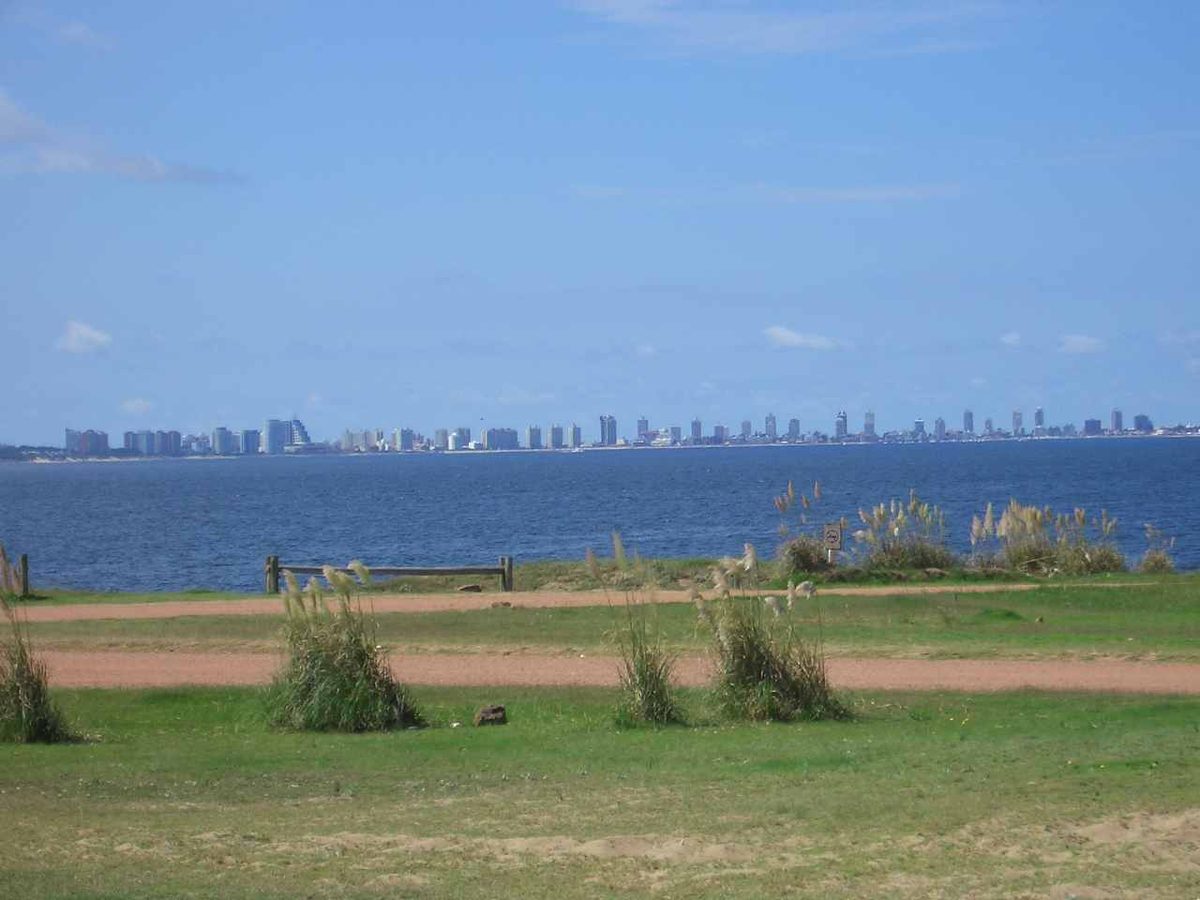
About 30 kilometres, a 45-minute drive east along Ruta 10. You pass through La Barra and Manantiales on the way. From Montevideo it’s roughly two to two-and-a-half hours; from the small Punta del Este airport at Laguna del Sauce it’s around 50km and under an hour. A car or private transfer is essentially required, as taxis are scarce.
Which Vik hotel should I choose?
Depends on what you want. Bahia Vik is beachfront on calm Playa Mansa with private bungalows, the all-rounder. Playa Vik is the sculptural splurge next door, ideal for a group taking a whole casa. Estancia Vik is a luxury ranch a ten-minute drive inland, built for horses, polo and seclusion rather than beach access. Pick by location first, then design.
Are José Ignacio hotels expensive?
In peak season, yes, eye-wateringly so. Top design hotels can run well over $1,000 a night around Christmas and January, and budget options are genuinely thin. But shoulder season (March, or October to early December) drops prices dramatically, and posadas like Posada Arenas can dip toward $160 off-peak. Time your trip well and it’s far more attainable.
When is the best time to visit José Ignacio?
For the famous scene, late December through January, when the polo, parties and crowds arrive and prices peak. For value and calm, aim for the shoulder months of March or late October to early December, when the weather is still good and rates fall. The deep winter (May to September) is cheap and beautiful but quiet, with many restaurants closed.
Do I need a car in José Ignacio?
Effectively yes. The towns along this coast are spread out, taxis are scarce and expensive, and restaurants and beaches sit some distance apart. Renting a car at the airport (booked ahead) or arranging private transfers gives you the freedom the area is built around. Also bring some cash, as ATMs are limited, though US dollars are widely accepted.
Is José Ignacio better than Punta del Este for a hotel?
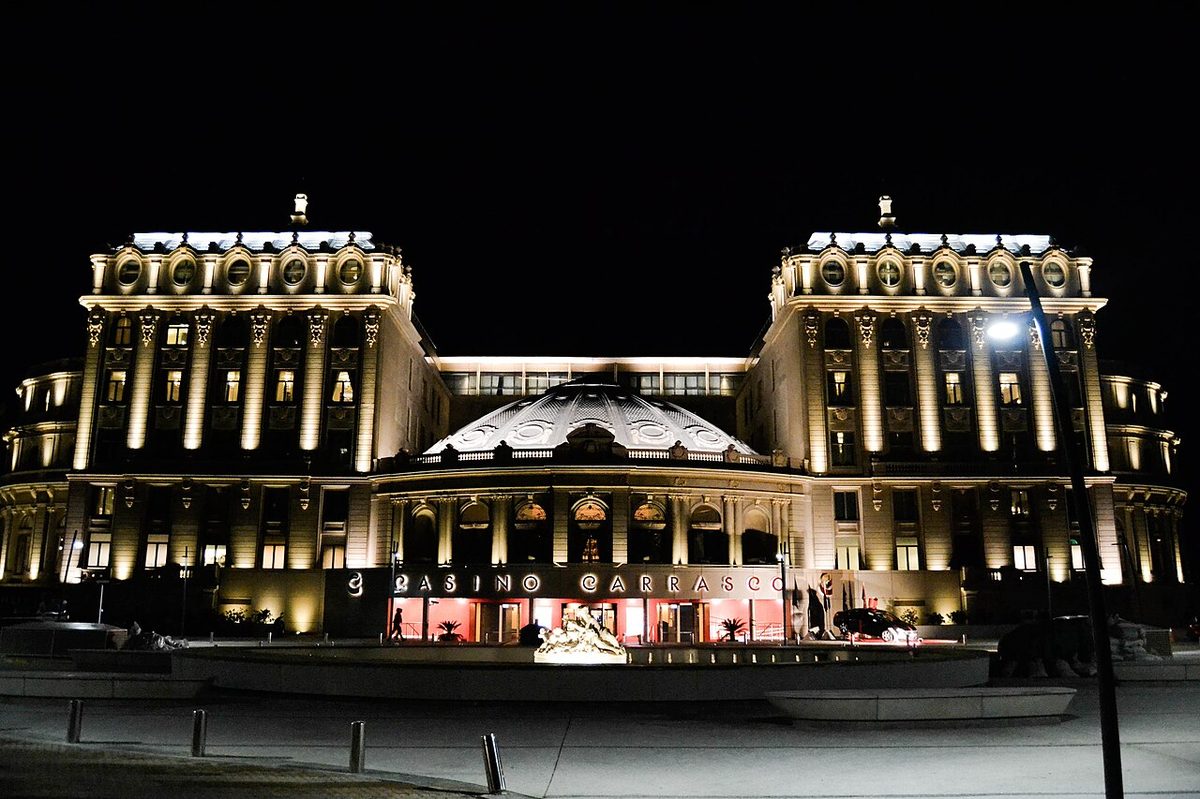
Different, not better. José Ignacio is smaller, more bohemian and more exclusive, end-of-the-road romance with dirt roads and a lighthouse. Punta del Este proper is a full resort city with high-rises, casinos and more variety. Couples and design lovers tend to prefer José Ignacio; first-timers wanting amenities and energy often base in Punta del Este or Manantiales in between.
Final thoughts
José Ignacio gets under your skin. It shouldn’t work, a gravel-road village with no real centre charging Hamptons prices, and yet every summer the same people come back, and after a few visits I understood why. The light, the empty beaches at dawn, the long lazy lunches, the sense that you’ve reached the quiet end of the world while still eating ridiculously well.
Choose your hotel for its location and its honesty, not its Instagram feed. Decide first where you want to wake up: on the sand, in the village, or out in the campo, then pick the property that fits. Get that right and this stretch of coast will give you one of the best holidays Uruguay has to offer.
Credits & sources
Sources & further reading
- The Hotel Guru: best hotels in José Ignacio (property roundup and price anchors)
- Luxury Latin America: Bahía Vik review (independent property detail)
- MICHELIN Guide: José Ignacio hotels (curated boutique and luxury listings)
Photo credits
All images via Wikimedia Commons: Faro Jose Ignacio Lighthouse by Pablo Torrado (CC BY-SA 3.0); Playa Mansa Jose Ignacio Beach by Casaseneleste (CC BY-SA 4.0); Jose Ignacio Village Uruguay by Jimmy Baikovicius (CC BY-SA 2.0); La Barra Bridge Maldonado by yonolatengo (CC BY 2.0); Punta Del Este Skyline Uruguay by a Wikimedia Commons contributor (CC BY-SA 3.0).