Renting a Beach House in Uruguay (2026)
The first time I rented a beach house in Uruguay, I did almost everything wrong. I booked too late, I paid a deposit to a man I never met, and I showed up to a casa (house) in Rocha with no clue that the nearest supermarket was a 20-minute drive down a dirt road. It worked out. But I got lucky.
Since then I have rented houses up and down this coast across several summers, and I have learned how the local system actually works, which is nothing like booking a hotel.
A Uruguay beach house rental can be one of the great-value travel experiences in South America, or an overpriced scramble, and the difference is when you book, where you look, and whether you grasp the quincena (fortnight) custom that runs the whole summer market. Get those right and you live like a local for a fraction of what a comparable Atlantic house costs.
This guide is the thing I wish someone had handed me back then. It covers self-catering only: renting a whole house, casa, or cabaña (cabin) by the beach, through Airbnb-style platforms or a Uruguayan immobiliaria (real-estate agency). I get into how the season works, where to rent town by town, what these houses cost and include, and how not to get scammed. I am not covering hotels, hostels, or glamping here. If you would rather someone else made the beds, my colleagues have written separate guides for Uruguay’s most characterful hotels, the best hostels in the country, and glamping and tented stays. Renting your own four walls is a different animal, and that animal is what we are dealing with today.
At a glance: where to rent and what it costs
Before we get into the weeds, here is the lay of the land. Prices are weekly bands, hedged, and they move every year, so treat them as orientation rather than quotes. “Peak” means roughly the first three weeks of January; “off” means late February into March, or the shoulder weeks of December.
| Area | Vibe | Typical rental | Weekly price band (peak vs off) | Best for |
|---|---|---|---|---|
| Punta del Este | Glossy, built-up, see-and-be-seen | Apartments more than houses; villas in the leafy barrios | Peak: very high (think US$3,000-7,000+); Off: drops by more than half | People who want nightlife, restaurants and a walkable scene |
| La Barra & Manantiales | Younger, surfy-chic, just east of Punta | Houses and modern cabañas a few blocks from the sand | Peak: high; Off: moderate | Couples and friend groups who want Punta energy minus the towers |
| José Ignacio | Barefoot-luxury fishing village | Design houses and thatched casas, often big | Peak: eye-watering; Off: still pricey | Splurgers, honeymooners, anyone chasing the magazine version of Uruguay |
| Piriápolis | Old-fashioned, family seaside town | Modest houses and apartments near the rambla | Peak: moderate; Off: genuinely cheap | Budget families, nostalgics, first-timers |
| Atlántida & the Costa de Oro | Leafy, low-key, closest to Montevideo | Pine-shaded casas and cabañas, often with a parrilla | Peak: moderate; Off: cheap | Short trips from the capital, weekenders, value-hunters |
| La Paloma & La Pedrera (Rocha) | Bohemian, surfy, wilder | Cabañas and casas, some on dirt roads | Peak: moderate-high; Off: cheap | Surfers, free spirits, people who want nature over polish |
| Punta del Diablo | Rustic fishing-village-turned-backpacker-haven | Wooden cabañas, many self-built and quirky | Peak: moderate; Off: very cheap (and very quiet) | Backpackers, surfers, anyone allergic to glamour |
How the Uruguayan summer-rental system actually works
If you arrive expecting the global vacation-rental playbook, you will be half right and half lost. Uruguay has its own grammar for summer rentals, and learning it is the single most useful thing in this article.
The season is short, and it is everything
Beach season here runs roughly December through March, but those four months are not equal. The peak is brutally concentrated. The first two weeks of January are the white-hot center of the year; that is when Argentine and Brazilian families pour across the border and when half the houses on this coast change hands for the highest rents they will see all year. Things stay strong through late January, ease after the first of February, ease again mid-February, and by March the coast is calm, cheap, and frankly one of my favorite times to be here.
What this means in practice: the same casa can cost three or four times more in early January than in March. Owners earn most of their annual rental income in about six weeks, so they price accordingly and they do not really negotiate during the peak. They negotiate in the shoulders.
The quincena: Uruguay rents in fortnights
Here is the custom that trips up every foreigner. Uruguayans traditionally rent summer houses by the quincena, a fortnight or 15-day block. The classic units are the “primera quincena” of January (roughly Jan 1-15) and the “segunda quincena” (Jan 16-31), then the same again in February.
The first quincena of January is the prize. It sells out first, often months ahead, and it commands the top price. If you want a specific house for early January, you are competing with families who have rented that same house every summer for a decade and quietly renew it each year. That is not a joke; loyalty runs deep here, and good houses get handed down like heirlooms.
You can rent weekly or even for a long weekend, especially through Airbnb and especially in the shoulder months. But during peak season many owners and immobiliarias strongly prefer to rent a full quincena and will not split it, because a two-week booking is worth more to them than the hassle of two one-week turnovers. If you only want one week in mid-January, you may end up paying close to the fortnight rate anyway. Plan around the quincena and the whole market makes more sense.
Immobiliarias vs. Airbnb: two parallel markets
There are essentially two ways to rent a house here, and savvy travelers use both.
The first is the immobiliaria, the local real-estate agency. Every beach town has a cluster of them, often family-run, with handwritten-looking listings in the window and a stack of keys behind the desk. These agencies manage the bulk of the “proper” summer houses, the kind owned by Montevideo or Buenos Aires families who rent them out for the season. The agency vets you, holds the deposit, hands over the keys, and is the person you call when the water heater dies. They typically charge a commission (often around a month’s-equivalent of rent built into the deal, or a set percentage) and they usually want a deposit plus the rent up front. The upside: real local accountability, often better houses than appear online, and a human being in town if something goes wrong. The downside: many do not have slick websites, communication can be slow, and a lot happens over WhatsApp and email in Spanish.
Then there is the platform market: Airbnb, Booking.com, Vrbo, and Uruguayan classifieds sites like InfoCasas, MercadoLibre and Parairnos. This is where most foreigners start, and it is genuinely useful for browsing photos, comparing areas, and booking shorter stays. The big advantage is payment protection: when you pay through Airbnb’s system with a card, your money is held by the platform, not wired to a stranger. That single fact prevents the most common and most painful scam. The downside is that the very best season houses, the ones the local families want, often never make it onto the platforms at all, because the immobiliaria fills them through its own network first.
My honest take: for a first trip, or any stay under two weeks, book through a platform that holds your payment. Once you know a town and have a contact you trust, the immobiliaria route can get you a better house for less. But never, ever wire a deposit to an individual for a house you found through a random link. More on that below, because it is the thing most likely to ruin your trip.
Where to rent: the coast, town by town
Uruguay’s rentable coast runs west to east, from the leafy commuter balnearios (the word for a beach resort town) near Montevideo, through the glamour of the Punta del Este zone, out to the wilder beaches of Rocha near the Brazilian border. Each stretch rents to a different kind of person at a different price. Here is how I think about it.
Punta del Este and its satellites
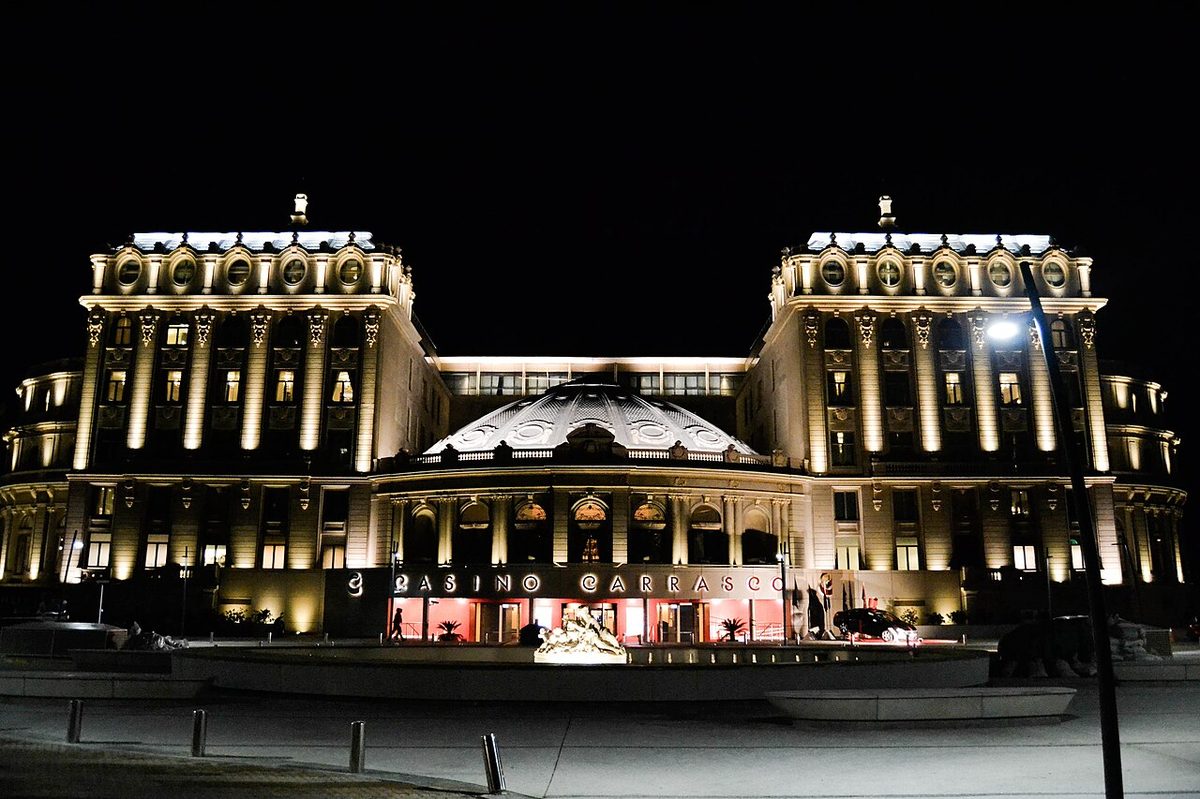
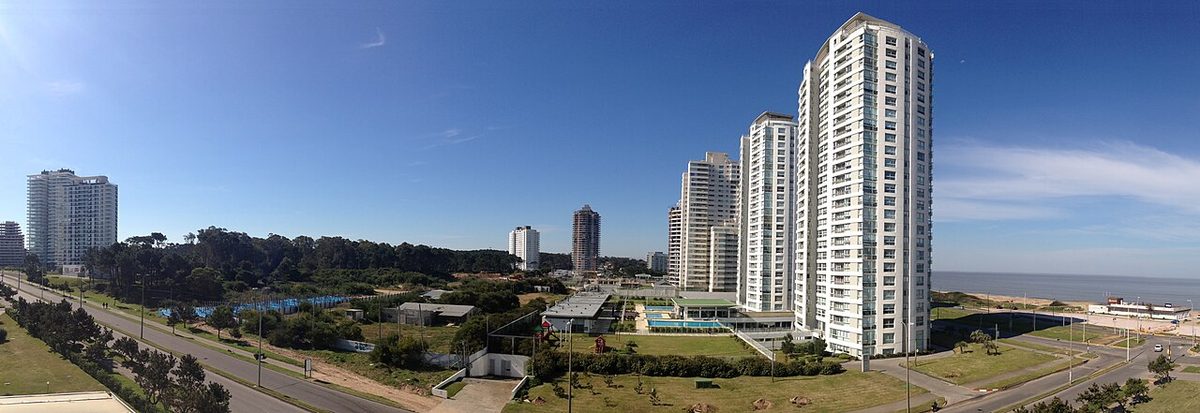
Punta is the famous one: high-rises, casinos, marinas, and a peninsula that buzzes until dawn in January. For rentals, the honest truth is that Punta is more an apartment town than a house town. The iconic listings are seafront apartments, and in peak season a one-bedroom apartment facing the water can run, last I checked, somewhere around US$4,500 to US$6,000 for a fortnight, with second- or third-row apartments dropping to perhaps US$2,500-3,500. Whole houses exist, mostly in the wooded inland barrios like Cantegril and Beverly Hills, and the good ones are expensive. If you want a proper house with a pool and a garden, you are usually better off just east, in La Barra or Manantiales, where the scene is younger and the architecture is lower and more interesting. Read the full picture of the resort in our complete Punta del Este guide before you commit.
One drawback worth naming: Punta in peak season is loud, crowded, and priced for people who do not check prices. If that is the holiday you want, wonderful. If you came to Uruguay for calm, rent elsewhere and visit Punta for a night out.
José Ignacio
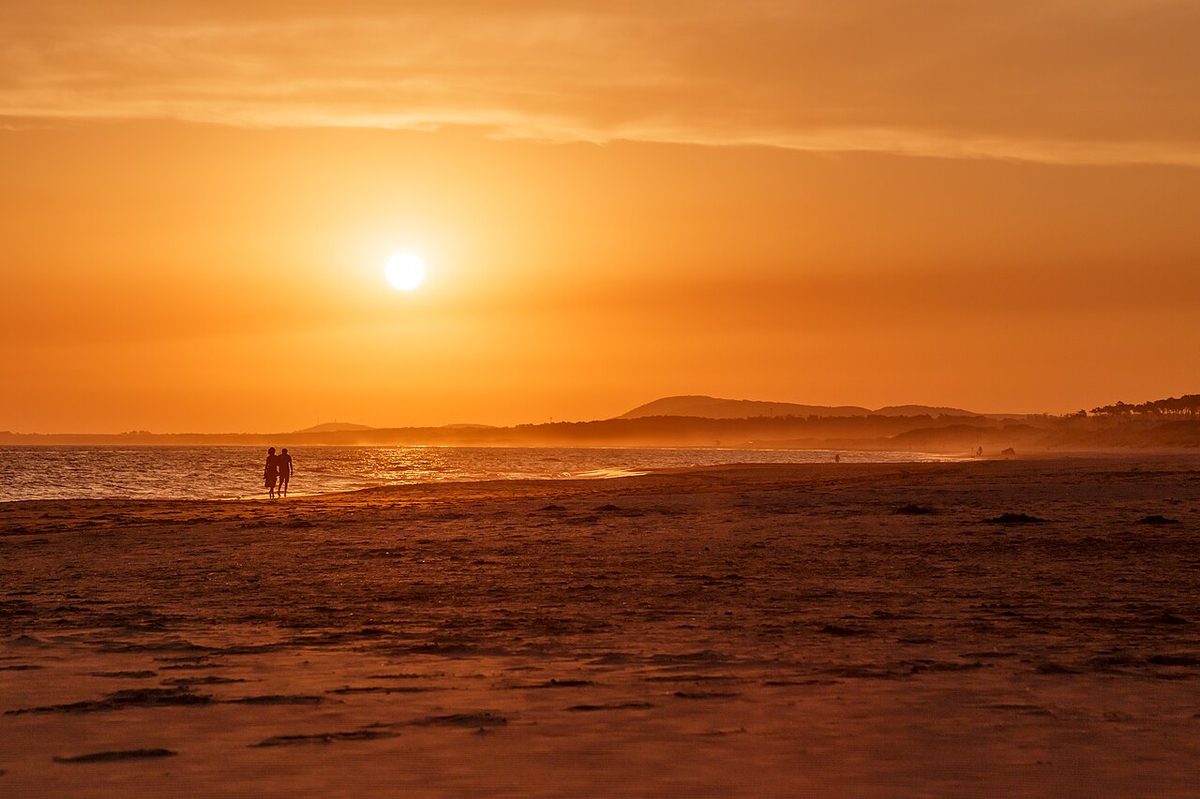
Half an hour east of Punta sits José Ignacio, a former fishing village that became one of South America’s most fashionable summer addresses without entirely losing its dirt roads. The houses here are the stuff of design magazines: thatched roofs, raw concrete, sea views, infinity pools. The rents match. This is the splurge end of the self-catering market, and even off-season it does not get truly cheap. If your budget stretches and you want the barefoot-luxury version of Uruguay, this is it; our José Ignacio guide goes deep, and there are also hotel options if you would rather not self-cater. The obvious drawback: you will pay a serious premium for the name, and you absolutely need a car, because there is very little here within walking distance beyond the lighthouse and a handful of (excellent, pricey) restaurants.
Piriápolis
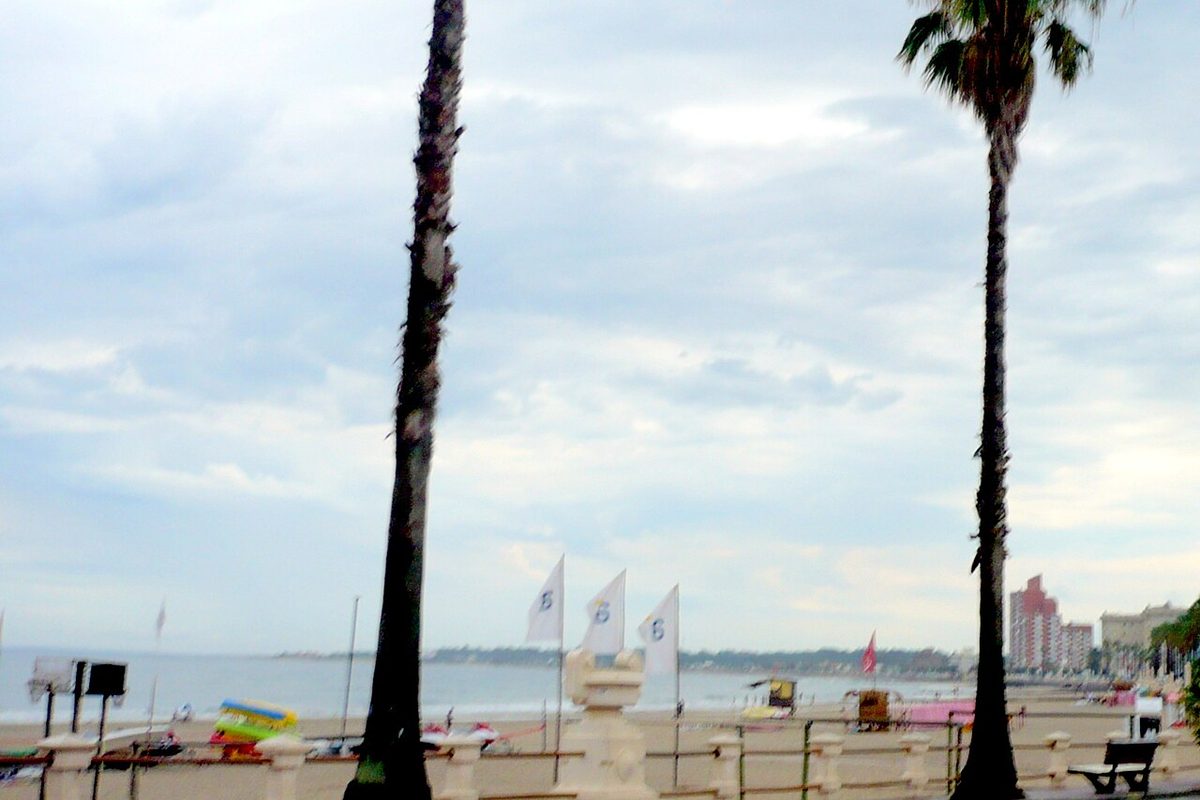
West of Punta, Piriápolis is the anti-Punta: an old-fashioned seaside town built in the early 20th century, with a grand hotel, a hill you can ride a chairlift up, and a rambla (the seafront promenade) where families have strolled for generations. Rentals here are refreshingly down-to-earth. You can find modest houses and apartments near the water at prices that would buy you a closet in José Ignacio, and the town has enough going on that you do not strictly need a car. It is my standard recommendation for budget-minded families and first-timers. See our Piriápolis guide for specifics. The drawback is that Piriápolis is unfashionable and a bit faded, which I happen to love but which is not for everyone.
Atlántida and the Costa de Oro
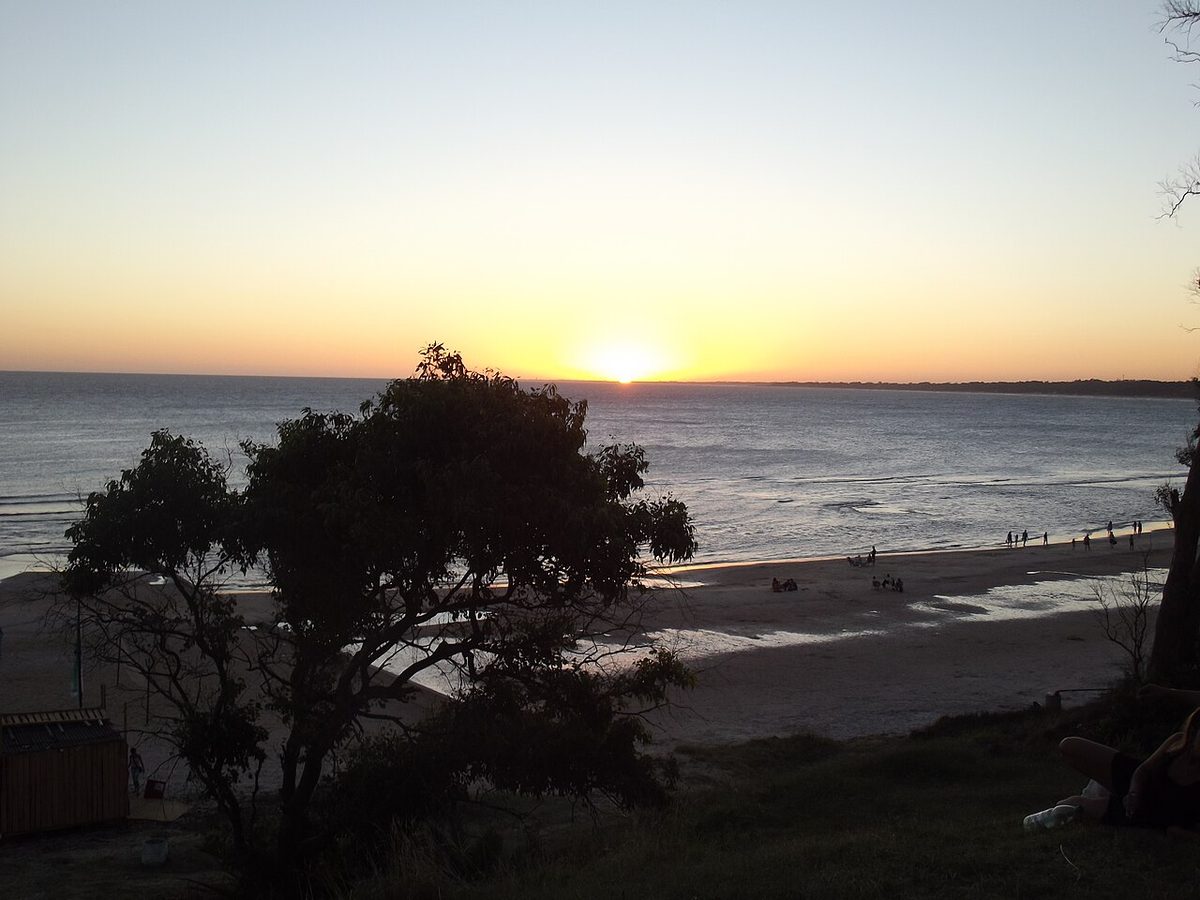
Closest to Montevideo, the Costa de Oro (“Gold Coast”) is a string of low-key, pine-shaded balnearios, of which Atlántida is the best known. This is where many Uruguayans themselves rent, precisely because it is cheap, green, and an easy drive from the capital. Casas here often come with a parrilla (the built-in barbecue grill that is non-negotiable in Uruguayan life) and a yard of umbrella pines. It is ideal for a short trip, a long weekend, or a value-conscious family that wants beach access without Punta prices. Our Atlántida guide has the details. The honest drawback: the beaches and towns here are pleasant rather than spectacular, and out of season many balnearios go properly quiet.
Rocha: La Paloma, La Pedrera, and Punta del Diablo
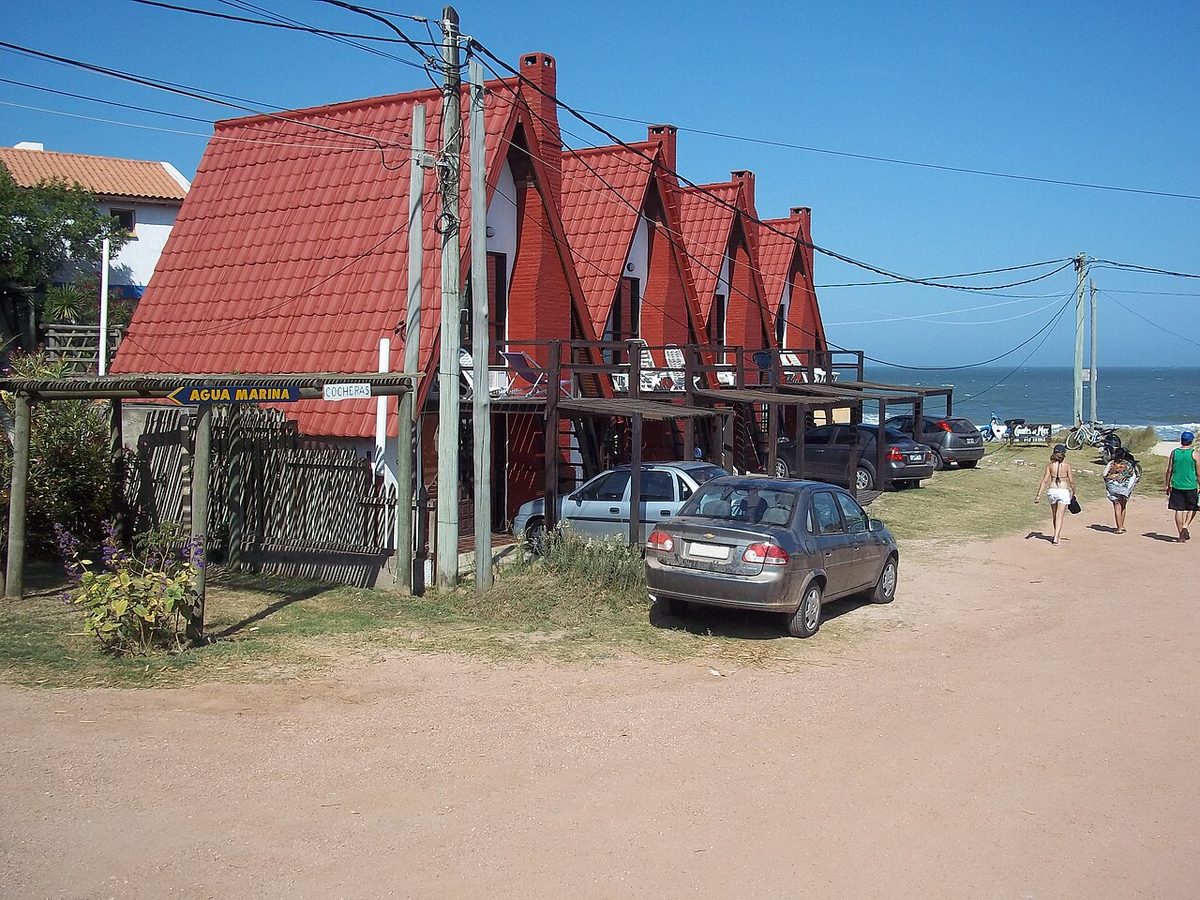
Now we cross into Rocha, the wild eastern department where Uruguay stops being manicured and starts being nature. The beaches are bigger, emptier, and rougher, the towns are smaller, and the rentals are mostly cabañas, often wooden, often charming, sometimes eccentric.
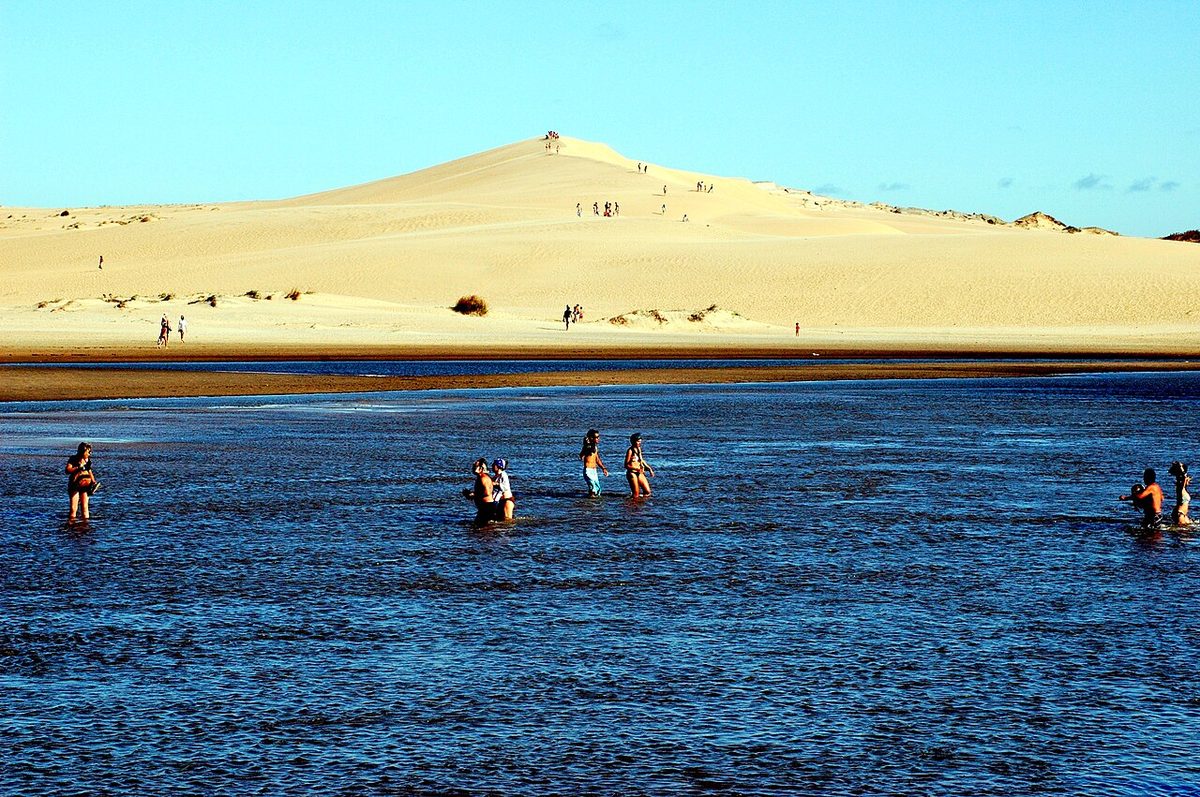
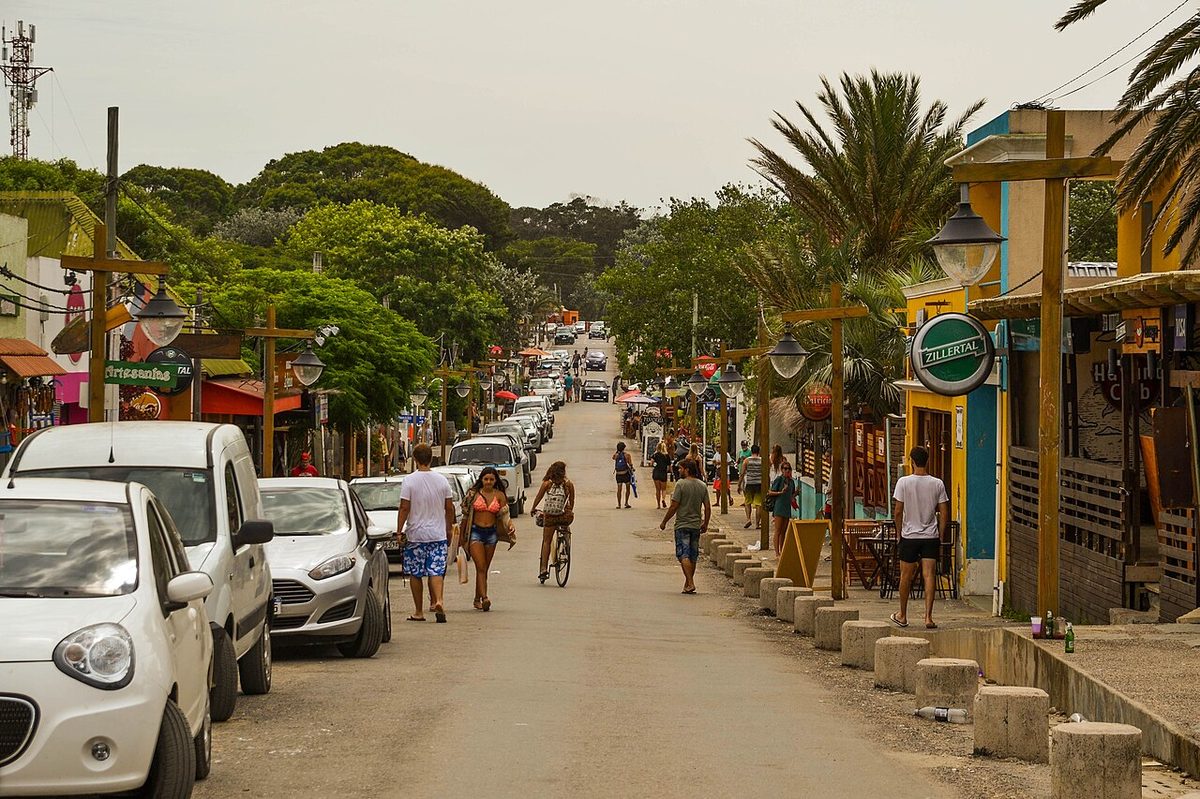
La Paloma is the practical hub: a proper little town with supermarkets, a port, and reliable waves. La Pedrera, just up the coast, is the bohemian one, a clifftop village of artists and surfers that swells in January and empties the rest of the year. And Punta del Diablo, near the Brazilian border, is the rustic icon: a fishing village turned backpacker magnet where many of the cabañas were hand-built by their owners and the price of a place can swing from almost nothing off-season to a few hundred dollars a night at the January peak. Reported cabaña rates in this part of Rocha have run anywhere from around US$10 a night in the dead of winter to roughly US$300 a night at the height of summer, which tells you everything about how seasonal this coast is.
Rocha is my personal favorite, but it comes with the biggest drawbacks. Many houses sit on ripio (unpaved gravel or dirt roads) that turn to soup in the rain. You will need a car, and ideally one that does not mind potholes. And outside the December-to-February window, these towns can be eerily empty, with shuttered restaurants and a single open shop. That emptiness is the whole point for some of us. For others it is a long way to drive to discover that nothing is open. To understand the rhythm of these beaches, browse our roundup of Uruguay’s beach towns and the country’s best beaches overall.
What a casa or cabaña actually includes
Self-catering in Uruguay is, by international standards, fairly basic and fairly honest. Do not expect hotel-grade luxury unless you are paying José Ignacio money. Do expect a real house that real families use.
Most rentable casas and cabañas come furnished with the essentials: beds, a kitchen with at least a stovetop and fridge, a bathroom, basic crockery and pans, and almost always a parrilla outside, because a Uruguayan summer house without somewhere to cook an asado (a slow barbecue, and a borderline national religion) would be unthinkable. Many have a deck, a yard, sometimes a pool. WiFi is increasingly standard but not guaranteed in the more rustic Rocha cabañas, so ask if you need to work.
Things that are often NOT included, and that catch people out: bed linens and towels are frequently extra or BYO, especially in cabañas and through immobiliarias, so confirm before you assume. Air conditioning is far from universal; many houses rely on fans and sea breeze, which is usually fine but occasionally is not in a January heatwave. Cleaning may be a one-off fee at the end rather than a daily service. Hot water often comes from a small electric calefón (water heater) that can struggle if six people all want showers at once. None of this is a problem if you know to ask. All of it is a mild shock if you do not.
What it costs, and the January spike
Let me put some hedged numbers on the table, drawn from local real-estate sources and my own booking history. Treat them as ranges that shift year to year, not promises.
At the affordable end, in Canelones balnearios like Atlántida and La Floresta, a modest one-bedroom house has rented for around US$100 a day, which works out to roughly US$1,500 for a quincena; add a second bedroom and a pool and it might climb toward US$200 a day, or about US$3,000 a fortnight. In Rocha, two-bedroom houses have run somewhere between US$120 and US$320 a day depending on the spot and the amenities, which is roughly US$1,800 to US$4,800 per quincena. In Punta del Este, the numbers jump: a two-bedroom house has commonly sat in the US$7,000 to US$10,000 per fortnight range in peak season, and the genuinely luxurious houses can run US$15,000 to US$20,000. Those Punta figures are why so many people rent apartments there instead.
The spike is the thing to internalize. A house that goes for US$250 a night in January might be US$100 in winter; rates here routinely double or triple for the peak. Prices step down noticeably after the first of February and again after mid-February. So if your dates are even slightly flexible, shifting from early January to late February can roughly halve your cost for the identical house. Whether Uruguay feels expensive to you depends enormously on when you come; our take on whether Uruguay is expensive digs into this, and the best time to visit guide maps the seasons in full.
How to avoid getting scammed
This is the section I most want you to read, because the rental scam is real, it targets exactly the popular beach areas, and it is entirely avoidable.
The mechanics are always the same. A listing looks great and slightly underpriced. The “owner” is warm, responsive, and in a hurry. They cannot do a video call right now. And they ask you to wire a reservation deposit, directly to a person, via bank transfer or a peer-to-peer app, often with a nudge that “another family is ready to pay today.” The moment money leaves your account this way, it is gone, and so is the listing.
Your defenses are simple. First, pay through a platform that holds your money, like Airbnb or Booking, with a credit card. A card gives you fraud recourse that a wire never will. Second, refuse to be rushed; legitimate owners and immobiliarias are used to questions and do not pressure you to transfer cash to a personal account within the hour. Third, insist on proof the place is real and the person controls it: a video walkthrough, a phone call, a verifiable agency. Fourth, if you are going the immobiliaria route, deal with an established local agency, let them hold the deposit, and where large sums are involved, route money through formal channels rather than someone’s personal account. Fifth, read reviews that stretch back many months, not a sudden cluster of five-star reviews from last week.
Cross-border scams aimed at people buying or renting Uruguayan coastal property are common enough that local advisors warn about them explicitly. The single brightest red flag remains being pushed to wire a “reservation” to an individual instead of through a protected channel. If you remember nothing else from this article, remember that.
Renting off-season: the quiet bargain
Here is my contrarian recommendation. If you can travel in March, late February, or even the off-season months, renting a beach house in Uruguay becomes spectacular value. Owners who could not fill January suddenly want a tenant, weekly rates fall well below quincena math, and you can often negotiate, which is nearly impossible at peak. The sea is still warm into March, the crowds have gone home, and the light on this coast in autumn is something I think about all year.
The catch is real and you should weigh it. Off-season, the smaller towns empty out. In wilder Rocha balnearios, restaurants close, the one supermarket keeps short hours, and the famous bohemian energy of somewhere like La Pedrera simply switches off. The bigger, more lived-in towns (Piriápolis, Atlántida, La Paloma, Punta del Este itself) cope far better with a low-season visit because enough locals live there year-round. If you want off-season value without the ghost-town risk, lean toward those. For the full seasonal trade-off, our guide to Uruguay in summer and the broader best-time-to-visit piece are worth a read.
Matching the rental to your trip
Who you are traveling with should drive where and what you rent. A few field notes by traveler type.
Families
Families get the most out of self-catering here, because a house with a kitchen and a yard beats hotel rooms with kids in tow, and because Uruguay is genuinely safe and easygoing for children. Piriápolis and Atlántida are my top family picks for value and walkability; La Paloma works well in Rocha because it is a real town with shops. Look for a place with a fenced yard, a parrilla for family asados, and a short, ideally paved walk to a calm beach (the Mansa-side, bay-facing beaches are gentler than the open-ocean Brava beaches). The drawback to flag: peak-season family houses with pools are exactly the ones that book out first and cost the most, so reserve early.
Groups of friends
Groups win big on cost per head, because a four- or five-bedroom casa split among friends often undercuts separate rooms anywhere, and you get a kitchen and a barbecue for the late nights. La Barra and Manantiales are made for this: walkable to bars, room to sprawl, and a younger crowd. The honest warning is about deposits and damage: with a big group the owner or immobiliaria will want a meaningful security deposit, and they will inspect on the way out, so agree the cleaning terms in writing and do not trash the place, or you will be arguing about your refund over WhatsApp from the airport.
Couples
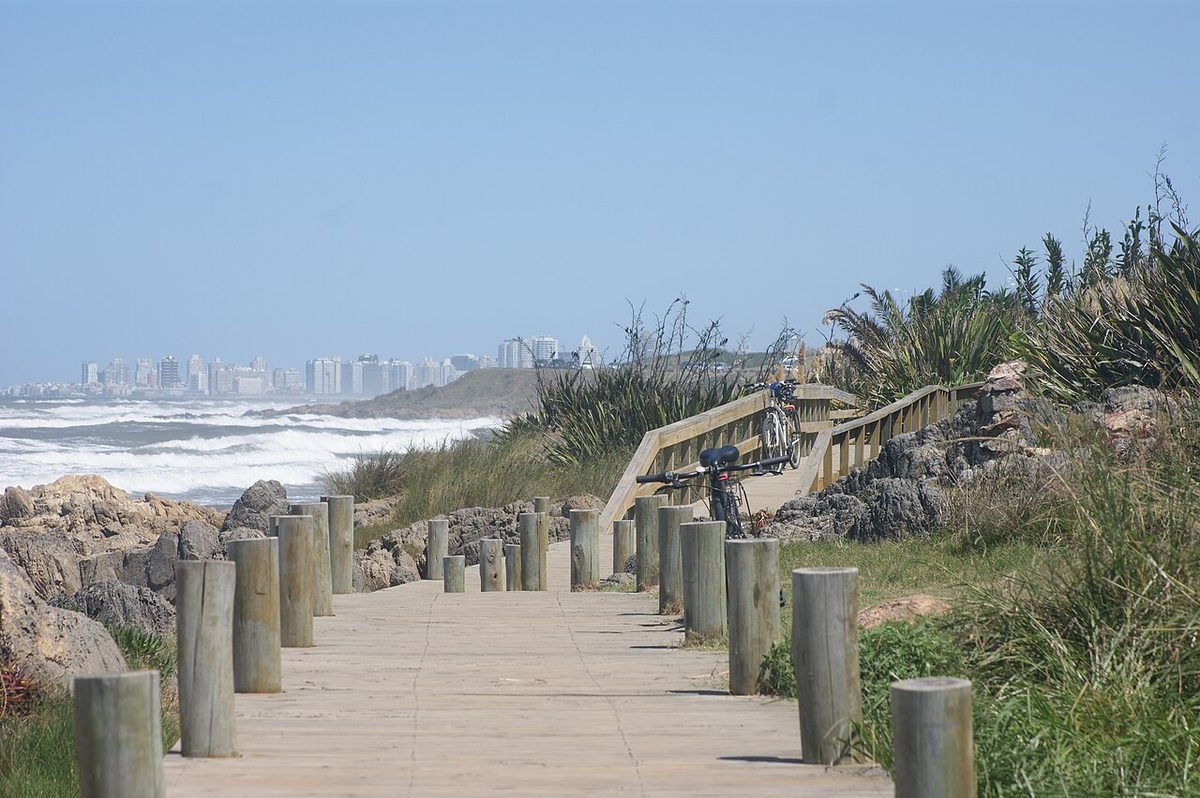
Couples can punch above their budget here. A small cabaña in La Pedrera or a stylish little house in La Barra delivers far more romance than a generic hotel room, and José Ignacio is the all-out splurge if you want it. Couples also have the most flexibility to travel in the cheaper shoulder weeks, when a beach house to yourselves is both affordable and gloriously quiet. The only real drawback is that the most romantic, isolated spots are also the ones where you most need a car and where being alone means being genuinely alone if something breaks.
Long-stay and remote workers
If you are staying a month or more, the math changes in your favor, because monthly rates fall hard relative to the per-night peak, especially outside January. Remote workers should prioritize confirmed, tested WiFi (ask for a speed screenshot), proximity to a town with a supermarket and a cafe, and a place you are willing to be inside on a rainy day. Piriápolis, La Paloma and the Costa de Oro suit long stays better than the tiny Rocha villages, which can feel claustrophobic for weeks once the season ends. Build your wider trip around it with our Uruguay itinerary and the practical Uruguay travel tips.
The car question, and what to bring
For most beach-house rentals outside central Punta and Piriápolis, you will want a car. Towns are spread out, supermarkets are not always close, beaches have no parking shuttle, and many houses sit on ripio you would not want to haul groceries along on foot. Buses connect the main towns but not the back streets where you are renting.
As for what to bring: pack as if for a slightly under-equipped house. A good insect repellent (the mosquitoes near the dunes and lagoons mean business at dusk), beach towels if your booking does not include them, any specialty food or coffee you cannot live without (rural shops are limited), sunscreen (expensive locally), and a relaxed attitude toward minor inconvenience. And buy yourself a mate and a bag of yerba once you arrive. Sitting on a rented deck at sunset with a gourd in hand is, frankly, the entire point.
Uruguay beach house rental: your questions answered
How far in advance should I book a beach house in Uruguay?
For the January peak, book three to six months ahead, and even earlier for a specific in-demand house, since the first fortnight of January sells out first. For the shoulder months of late February and March, a few weeks is usually fine, and you will pay much less. Off-season, you can sometimes arrange something within days.
What is a “quincena” and do I have to rent for two weeks?
A quincena is a 15-day fortnight, the traditional unit of Uruguayan summer rentals, with January and February each split into a first and second quincena. You do not always have to rent two weeks, especially on Airbnb or in the shoulder season, but during the peak many owners and immobiliarias prefer full quincenas and may not split them, so weekly stays can be harder to find then.
Is it cheaper to rent through an immobiliaria or Airbnb?
It depends. Airbnb and similar platforms are safer for first-timers and short stays because the platform holds your payment, but the best season houses often never appear there. A local immobiliaria can get you a better house for less, particularly for longer stays, once you know a town and have someone you trust. For a first visit, I lean platform; once you know the ropes, the agency route often wins.
Do I need a car to rent a beach house in Uruguay?
For most rentals, yes. Central Punta del Este and Piriápolis are walkable enough to manage without one, but in La Barra, José Ignacio and especially the Rocha towns, houses are spread out, sit on unpaved roads, and are far from shops. Buses link the main towns but not the residential streets where you will be staying, so a car saves a lot of grief.
Are vacation-rental scams a real risk in Uruguay?
Yes, particularly in popular coastal areas, and almost always via the same trick: a too-good listing whose “owner” pressures you to wire a deposit to a personal account. Defend yourself by paying through a platform with a credit card, refusing to be rushed, demanding proof the place is real, and using established local agencies. Never wire a reservation deposit directly to an individual.
When is the cheapest time to rent a beach house in Uruguay?
Late February through March, and the off-season beyond, are by far the cheapest, with rates often half the January peak and room to negotiate. The sea stays warm into March and crowds thin out. The trade-off is that smaller towns quiet down, so for off-season value with services still open, choose a larger town like Piriápolis, La Paloma or Punta del Este.
Final thoughts
Renting a house by the beach is, to me, the truest way to spend a Uruguayan summer. You shop at the same small markets as the locals, you fire up the parrilla in the evening, you learn the rhythm of a town instead of just visiting it. Hotels are easier and hostels are cheaper, but a casa of your own is how you actually live here for a week or a month.
Do the three things that matter. Book early if you want the January peak, and shift to the shoulder season if you want value. Understand the quincena so the whole market stops feeling foreign. And protect your money: pay through a platform or a real agency, and never wire a deposit to a stranger no matter how charming they are. Get those right and this coast will reward you out of all proportion to what you paid. Decide where to base yourself with our overview of where to stay in Uruguay, and then go find your house.
Credits & sources
Sources & further reading
- El Observador: quincena rental prices across Uruguay’s balnearios (Cámara Inmobiliaria Uruguaya figures)
- Guru’Guay: how much renting and buying property in Uruguay costs
- Guru’Guay: when is the best time to visit Uruguay
- Wikivoyage: Punta del Diablo travel guide
Photo credits
All images via Wikimedia Commons: Uruguay Beach House Rocha Coast by Elcolorin123 (CC BY-SA 3.0); La Pedrera Uruguay Beach Street by TitiNicola (CC BY-SA 4.0); Jose Ignacio Uruguay Summer Beach by Eduardo.terian (CC BY-SA 3.0); Piriapolis Uruguay Rambla Summer by Andrés Franchi Ugart… (CC BY-SA 3.0); Atlantida Uruguay Pine Beach House by Yessica Eli (CC BY-SA 3.0); La Barra Uruguay Beach Houses by Rosina Peixoto (CC BY-SA 4.0); Punta Del Este Residential Summer Houses by Zulmabm (CC BY-SA 4.0).