10 Days in Uruguay: Coast, Wine & Countryside (2026)

The first time I tried to do Uruguay in a week, I left feeling like I’d skimmed the surface of a country that was clearly hiding its best parts inland. I’d seen Montevideo, ticked off Colonia, lounged in Punta del Este — and then driven past a hand-painted sign for a winery I had no time to visit, and a gravel turnoff toward an estancia I’d only read about. Both stayed with me longer than the beaches did.
So I went back and built the trip I should have done the first time. This uruguay itinerary 10 days long is the version that finally fits in the two things the core week always squeezes out: wine country and a night in the countryside, with a slower, less frantic coast bolted on. Ten days is the sweet spot where Uruguay stops being a checklist and starts feeling like a place you actually got to know.
It is not a sprint. That’s the whole point.
The short version: a good uruguay itinerary 10 days in length runs Montevideo (2 nights) → a Canelones or Carmelo wine day → Colonia del Sacramento (1 night) → an estancia or countryside night → the Punta del Este coast at a relaxed pace (3 nights, with day trips to José Ignacio and beyond) → and home. You’ll want a rental car for at least the wine-and-countryside middle, and you’ll trade a little beach time for it. Worth it.
This guide is for travelers who already suspect a week isn’t quite enough and want the slower, richer version — couples, food-and-wine people, road-trippers, and anyone who’d rather sleep two nights somewhere than one. If you only have seven days, I’d send you to the perfect one-week Uruguay itinerary instead and tell you not to feel guilty about skipping the interior. If you’ve got a full fortnight, the main Uruguay itinerary planner shows how to stretch this all the way to the hot springs and the wild Rocha coast. Spend a few minutes there first — it’s the parent map this whole trip hangs off.
| Day | Base / Sleep | Focus | Transport |
|---|---|---|---|
| 1 | Montevideo | Arrive, Ciudad Vieja, rambla sunset | Taxi / walk |
| 2 | Montevideo | Mercado del Puerto, markets, fútbol or museums | Walk / bus |
| 3 | Colonia del Sacramento | Canelones wineries en route, then Colonia old town | Pick up rental car |
| 4 | Estancia (countryside) | Cobblestones at dawn, drive inland to a working ranch | Car |
| 5 | Estancia → Punta del Este | Horses, asado, then drive to the coast | Car |
| 6 | Punta del Este | The peninsula, La Mano, Mansa vs Brava beaches | Car / walk |
| 7 | Punta del Este | Casapueblo sunset, La Barra, slow beach day | Car |
| 8 | Punta del Este | Day trip east to José Ignacio | Car |
| 9 | Montevideo (or fly out) | Drive back, drop the car, last parrilla | Car → return |
| 10 | Departure | Slow morning, fly or ferry home | Taxi / ferry |
How this uruguay itinerary 10 days plan is paced (and why)
The logic is simple. The standard week does Montevideo, Colonia, and Punta del Este and calls it a day — and honestly, that’s a fine week. I won’t re-explain that core here in depth; the seven-day version already walks through it hour by hour, and there’s no sense repeating it.
What ten days buys you is two extra “themes” without making any single day feel rushed. The first is wine. Uruguay quietly makes some of the most interesting Tannat on the planet, and the wineries are an easy add either as a half-day out of Montevideo (the Canelones region starts maybe 30–40 minutes north of the city) or as a detour toward Carmelo near Colonia. The second is the countryside — an estancia, which is a working cattle or sheep ranch, many of which now take overnight guests. One night on one of these does more for understanding Uruguay than three more on the sand.
The trade-off, and I’ll be honest about it up front: both of those themes really need a car or an organized tour. Wine country is not well served by public buses, and estancias are by definition out in the middle of nowhere. If the idea of driving on Uruguayan ripio — that’s loose gravel road — makes you nervous, this might not be your trip, and that’s fine. I cover the driving realities below, but the mechanics of renting, fuel, tolls and gravel deserve their own read, so I’ll point you to the dedicated driving guide rather than bloat this one.
I’ve front-loaded the city and the inland stuff and saved the coast for the back half, on purpose. You arrive tired, so Montevideo first. You’re road-tripping in the middle when you’ve got energy. And you wind down on a beach at the end, when all you want is to do very little. It reads better than it sounds.
Days 1–2: Montevideo, taken slowly
Most flights from North America and Europe land you in Montevideo in the morning after an overnight, so day one is a soft landing. Drop your bags, resist the urge to nap past 3pm, and walk into Ciudad Vieja, the old city, for a first coffee and a wander. The architecture is gently crumbling in the best way, and the light off the river in late afternoon is the kind of thing that makes you glad you came.
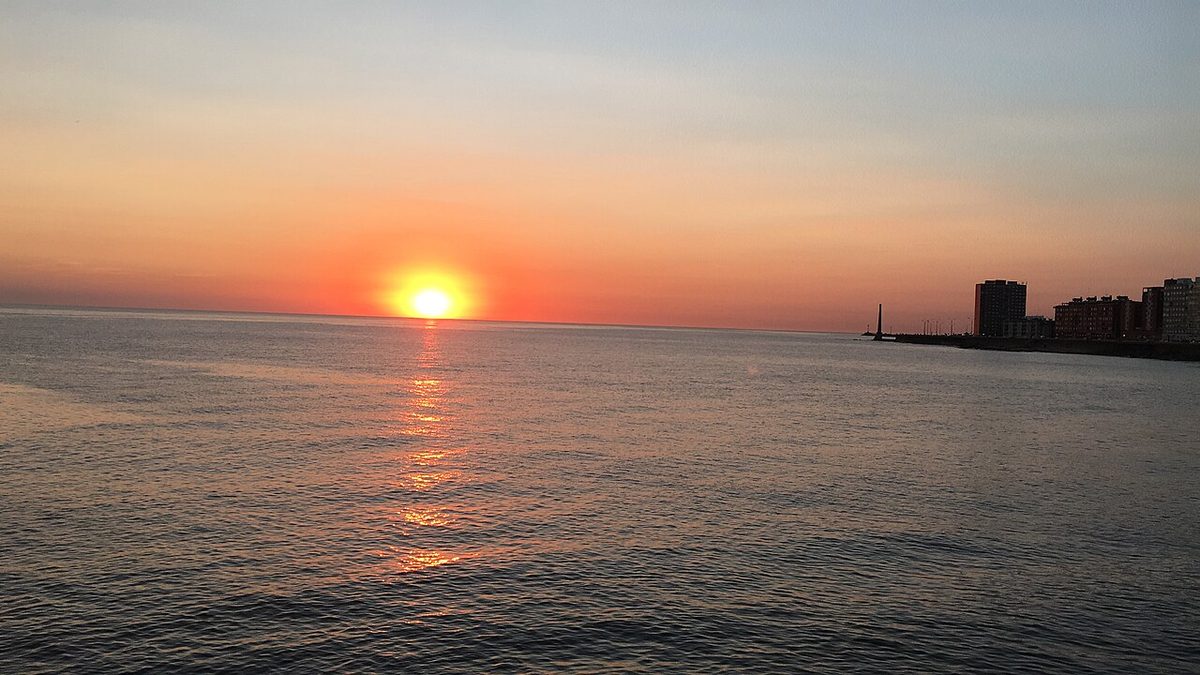
End day one on the rambla — the long waterfront promenade that runs for more than 20 kilometres along the river. Find a spot, watch montevideanos sip mate (the bitter herbal tea they carry everywhere in a gourd with a metal straw), and let the jet lag wash out with the sunset. There’s no agenda here and there shouldn’t be.
Day two is your proper city day. Start at Mercado del Puerto, the old port market that’s now essentially a cathedral of grilled meat. Get there before 1pm or you’ll be fighting cruise crowds for a stool at the parrilla — the wood-fired grill that anchors every place inside. Order a chivito if you want the national sandwich, or just point at whatever’s spitting fat over the coals.
Afternoon is yours. Football pilgrims should make for the Estadio Centenario and its football museum — Uruguay won the first-ever World Cup here in 1930, and the place takes that seriously. If you’d rather have a full menu of options, the complete Montevideo guide lays out the museums, neighborhoods and markets I’m skipping for space. Two nights is enough to like the city without overstaying; a third is only worth it if you’re a city person, and if you are, the dedicated Montevideo itinerary will fill it.
One honest drawback: Montevideo is not a postcard-pretty city in the way Colonia is. It’s working, a little gritty, occasionally shabby. I love it for exactly that, but if you need polish, you may find two days plenty.

Day 3: Wine country, then Colonia del Sacramento
This is the day the trip changes gear. Pick up your rental car in Montevideo in the morning — book it in advance, because the supply is genuinely thin in high season — and point it north into Canelones before you head west.
Canelones is Uruguay’s wine heartland, and it starts surprisingly close to the capital. Within 30–45 minutes you can be at family bodegas (wineries) like Bouza, Pizzorno or Bracco Bosca, tasting Tannat — the dark, tannic grape Uruguay has made its own — alongside lunch on a terrace. Tastings with a meal run somewhere around USD 40–80 per person last I checked, and most places want a reservation, not a walk-in. Don’t try to do more than one or two; this is a long, lazy lunch, not a crawl.

If you’d rather concentrate your wine time near Colonia instead, Carmelo (about 75 km up the coast from Colonia) is the other option, home to slick spots like Bodega Garzón’s cousins and several boutique vineyards. Either way, the full lay of the land — regions, grapes, which wineries actually welcome visitors — lives in the Uruguay wine country guide, and I’d skim it before you book a tasting.
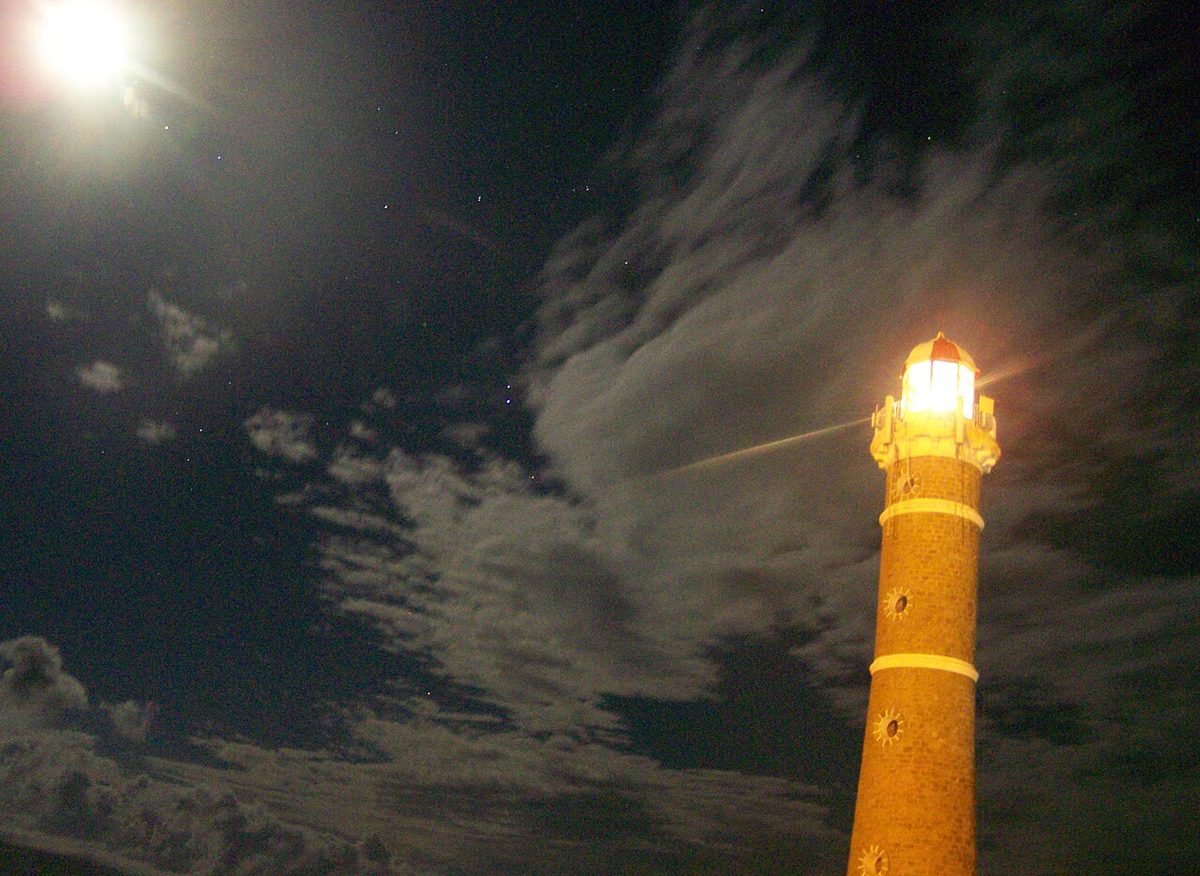
From the vines, drive west to Colonia del Sacramento — figure two to two-and-a-half hours depending on where you tasted. Colonia’s old quarter is a UNESCO-listed Portuguese-and-Spanish colonial town of cobbled lanes and a low lighthouse, and it is genuinely lovely, especially once the day-trippers from Buenos Aires have caught the late ferry home. Sleep inside the historic quarter if you can. Sunset over the río from the old town wall is the reward for a long day’s driving.
The one drawback of pairing wine with driving is obvious and non-negotiable: someone has to stay sober. Either nominate a driver, spit at tastings (no one minds), or book a tour for the wine day and pick the car up afterward. Don’t be the person who risks it on Uruguayan roads.
Day 4: Into the countryside — an estancia night

Wake up early and have the cobblestones of Colonia to yourself for an hour — this is the best time to photograph the place and the only time it’s quiet. Then turn the car inland, away from the river and the coast, toward the part of Uruguay almost no short itinerary ever sees.
The interior is rolling, green, and astonishingly empty: cattle, sheep, the occasional gaucho (the Uruguayan cowboy), and horizons that go on forever. Many estancias — working ranches that take guests — sit within two to three hours of Colonia, in the Colonia, Soriano or Flores departments. Some are grand and historic; others are simple and hands-on. You’re not booking a hotel so much as a slice of rural life: a horseback ride at golden hour, an asado (the slow-cooked barbecue that’s practically a national religion) under the stars, and a silence at night that city people find almost unnerving.
What to expect from an estancia stay — how rustic versus polished they get, how to choose one — is laid out in the estancias and gaucho country guide. Read it before booking, because these places vary wildly and the photos don’t always make clear if you’re getting a four-poster bed or a bunk with a shared bathroom.
Settle in for the afternoon. Ride if it’s offered. Eat too much beef. Go to bed early. This is the night people remember.

The honest drawback here is access and rigidity. Estancias are remote, so you’re committed to the drive, and many run on fixed meal times and minimum-stay rules in peak season. If you’re a do-your-own-thing traveler, the structure can chafe. Pick one that matches your tolerance for being looked after.
Day 5: Estancia to the coast
Give yourself a slow estancia morning — another ride, a long breakfast, a last look at all that emptiness — and then make the cross-country drive to Punta del Este. Depending on which ranch you chose, this is a three-to-five-hour day on the road, much of it on good paved highway once you rejoin Ruta 1 or Ruta 9, with maybe a stretch of ripio at the start.
Break the drive. Piriápolis, an old-fashioned seaside resort with a grand 1930s hotel and a hill you can ride a chairlift up, makes a good lunch stop on the way east. So does a roadside parrilla if you see one busy with locals — that’s always the signal to pull over.
You’ll roll into Punta del Este in the late afternoon. After two nights of rural quiet, the contrast is genuinely funny: suddenly there are high-rises, sushi, and people who look like they’re on their way to a yacht. Lean into it. Check in, find dinner, and don’t plan anything ambitious — you’ve earned a quiet first night by the sea.
If you’d rather understand the four ways to cover the Montevideo–Punta corridor before you commit to driving the whole thing, the Montevideo to Punta del Este guide compares bus, car, transfer and more.
Days 6–8: The Punta del Este coast, unhurried
Here’s where ten days really pays off. A week forces you to “do” Punta in a day and a half; you get three nights, which means you can actually relax instead of sprinting between landmarks.
Use day six for the greatest hits, done slowly. Walk out onto the peninsula where the harbour meets the open Atlantic, and go see La Mano — the giant concrete fingers rising out of the sand on Playa Brava, Uruguay’s most photographed sculpture. Then pick your beach: the Mansa side is the calm river-mouth water, the Brava side gets the proper Atlantic surf. The full breakdown of which is which lives in the Punta del Este beaches guide, but you can also just try both and decide with your own feet.
Save day seven’s late afternoon for Casapueblo, the white, free-form clifftop building the artist Carlos Páez Vilaró built by hand over decades. There’s a sunset ceremony — touristy, yes, but the building genuinely glows, and it’s worth the crowd once. Earlier in the day, drift through La Barra, the boho beach town just east with its famous undulating bridge, good coffee and a slower pulse than Punta proper.

Day eight is for the drive east to José Ignacio — the small, chic fishing village turned barefoot-luxury enclave about 40 minutes up the coast. It’s where the design crowd decamps, anchored by a tiny lighthouse and some genuinely excellent seafood. Have a long lunch, walk the beach, and resist the urge to check the price of the real estate. For where to eat across the whole stretch, the Punta del Este restaurants guide runs from peninsula classics out to José Ignacio.
If you’ve got the appetite for going further — the wild dunes of Cabo Polonio, the lagoons of Rocha — that’s a different, longer trip, and I’d send you to the full itinerary planner to see how the deep coast slots into a full two-week loop of the country rather than cramming it in here. Ten days is better spent doing Punta properly than racing past it.
One drawback worth naming: Punta del Este in January is expensive and packed — it’s where Buenos Aires and São Paulo come to summer. If your dates are flexible, the shoulder months are calmer and cheaper, which I get into next.
Days 9–10: Back to the city and out
Day nine is a travel day, but a gentle one. Drive back to Montevideo — about two hours on Ruta Interbalnearia — drop the rental car, and spend a last evening on the parrilla circuit. If you flew into Montevideo, you’re now positioned for an easy airport run. If you’re ferrying out to Buenos Aires, you can drop the car in Colonia instead and catch the boat from there, which neatly bookends the trip.
Your last morning is slow, then a departure. Grab one last coffee, one last medialuna (the local croissant), and go. For the nuts and bolts of leaving — ferry schedules to Argentina, flight connections, the Colonia–Buenos Aires fast boat — the getting to and around Uruguay guide has the timetables and the trade-offs I won’t duplicate here.
If your flight home isn’t until evening on day ten, you’ve got a half-day to fill, and Montevideo rewards aimlessness. The complete things-to-do guide is a good place to grab one final idea.
What it costs, and how to plan it
Uruguay is not the bargain South America is often sold as — it’s the most expensive country on the continent for travelers, and you should budget accordingly. Here’s roughly how the money breaks down on a trip like this, hedged because prices move and the peso does its own thing.
Accommodation is your biggest swing. Mid-range hotels run maybe USD 90–160 a night in Montevideo and Colonia, more in Punta del Este in season; estancias often price per person and include meals, landing somewhere around USD 120–250 per person for the night. The rental car for the six or so days you’ll actually need it might run USD 45–80 a day plus fuel, and fuel in Uruguay is not cheap. Budget for the odd toll, too — a peaje is a highway toll booth, and the main routes have them.
Food is where you’ll feel it daily: a proper parrilla dinner with wine is easily USD 35–60 a head, though a cheap chivito and a beer is a fraction of that. To eat well without overspending, the Uruguayan food guide tells you what to order, and the 25 travel tips cover cash, cards, tipping and the small stuff that trips people up.
On timing: this whole plan works best in the shoulder seasons. December to February is hot, alive and pricey; the coast is at full tilt and you’ll want to book months ahead. March, April, and the spring months of October–November are my pick — warm enough for the beach, calmer everywhere, and the wineries and estancias are more relaxed. Winter (June–August) is quiet and cold-ish on the coast but lovely inland and underrated. Pin your dates with the best-time-to-visit guide before you book anything.
Booking lead times that matter: the rental car (book weeks out for summer), the estancia (some need a deposit and a minimum stay), and a wine-lunch reservation (a few days is usually fine). Everything else you can wing.
Tweaking this trip for different travelers
This itinerary flexes. A few honest adjustments depending on who you are.
Couples and food-and-wine people should lean harder into the Canelones day and José Ignacio — add a second tasting, splurge on one estancia with a real chef, and trade a beach afternoon for a long lunch. This trip was practically built for you.
Families might cut the estancia to a half-day visit rather than an overnight (kids and fixed dinner times can clash) and add more straightforward beach time in Punta, where the Mansa side is calm enough for younger swimmers.
Beach maximizers who don’t care about wine or ranches should honestly just do the seven-day coast-and-cities week and spend the saved days lying down. There’s no shame in it.
Road-trip romantics who want more driving and more empty country should look at extending toward the hot springs of the litoral or the Rocha coast — the pillar planner shows how that scales to a fortnight, and you’ll want to read the dedicated road-trip guide for the gravel-and-fuel logistics this article only touches on.
Uruguay itinerary 10 days: your questions answered
Is 10 days in Uruguay too long?
Not if you go inland. Ten days is too long if you only do the coast and cities — you’ll run out of new things by day six. But add wine country and a countryside night, slow the beach down, and ten days in uruguay feels right, not padded. It’s the length that lets the place breathe instead of becoming a checklist.
Do I need a car for this itinerary?
For the full version, yes — at least for the wine-and-countryside middle stretch. Wine regions and estancias are poorly served by buses, so a rental car or organized tours are realistic options. You can do the coast and cities by bus, but the inland half is what justifies ten days, and that part wants wheels.
Can I do Uruguay in 10 days without a car?
Partly. You can bus comfortably between Montevideo, Colonia, and Punta del Este, and take day tours to wineries from the capital. What you’ll struggle to reach is a remote estancia and the deeper countryside. If you won’t drive, swap the ranch night for an extra Punta night and a guided wine day, and you’ll still have a great trip.
How much does 10 days in Uruguay cost?
Budget realistically: Uruguay is South America’s priciest country. A comfortable mid-range trip with a car often lands somewhere around USD 150–250 per person per day including lodging, food, fuel and activities — less if you skip the car and eat cheap chivitos, more in peak summer on the coast. It’s closer to European than backpacker pricing.
What’s the best month for this trip?
Shoulder season. Late spring (October–November) and autumn (March–April) hit the sweet spot: warm enough for beaches, calm enough at the wineries and estancias, and far cheaper than peak summer. January is the most alive but also the most expensive and crowded. Winter is quiet and underrated inland but chilly on the coast.
Should I add Buenos Aires?
It’s tempting and easy — the fast ferry from Colonia to Buenos Aires takes about an hour. But adding Argentina to ten days means short-changing Uruguay, which is the opposite of this trip’s point. If you want both countries properly, give yourself two weeks. For a one-trip comparison, the Uruguay-versus-Argentina guide weighs it up.
Final thoughts
Seven days shows you Uruguay’s greatest hits. Ten days shows you why people who’ve been keep going back. The difference is almost entirely inland — a bottle of Tannat drunk on a winery terrace, a horse at golden hour, a sky full of stars over a ranch where the nearest town is half an hour of gravel away.
Yes, it asks more of you: a rental car, a bit of nerve on the ripio, a willingness to trade one beach day for a long lunch. I think that’s the best trade in South American travel. Build the slow version. You won’t drive past that winery sign this time.
Credits & sources
Sources & further reading
- Ministerio de Turismo del Uruguay — Uruguay’s official tourism ministry, for current rules and regional info.
- Uruguay Natural — the national tourism brand’s English-language destination portal.
- UNESCO World Heritage Centre: Colonia del Sacramento — the official listing for the historic quarter.
Photo credits
All images via Wikimedia Commons: Uruguay Coast Road by CITY MVD (CC BY-SA 3.0); Montevideo Rambla by Marinna (CC BY-SA 4.0); Canelones Vineyard by Ezarate (CC BY-SA 4.0); Colonia Cobblestone Street by Banfield (CC BY-SA 3.0); Estancia Gaucho Horses by Helge Høifødt (CC BY-SA 3.0); Casapueblo Sunset by Re Uruguayo (CC BY-SA 4.0).